Your tent is your home in the wilderness. It keeps you dry, sheltered, and comfortable. But it can also become a danger zone if you store the wrong items inside. You might unknowingly invite trouble into your campsite.
Wild animals have an incredible sense of smell. They can detect food from miles away. They will follow that scent straight to your tent. Bears, raccoons, mice, and other critters are persistent. They will chew through fabric. They will break zippers. They will destroy your gear. They might even put you in danger.
The good news is that you can prevent all of this. It all comes down to what you choose to store inside your tent. Follow this list of ten items. Keep them outside. Your safety and your gear depend on it.
Table of Contents
Food of Any Kind
This is the most important rule of camping. Never keep any food inside your tent. It does not matter if the food is sealed in a bag. It does not matter if it is just a small snack. Animals have powerful noses. They can smell a granola bar hidden deep inside your pack. They can smell crumbs that fell on your sleeping bag.
Bears are especially attracted to human food. They will rip through your tent without hesitation. Raccoons are clever and can unzip zippers. Mice will chew tiny holes just to get inside. You will wake up to complete chaos. Your tent will be ruined. Your food will be gone.
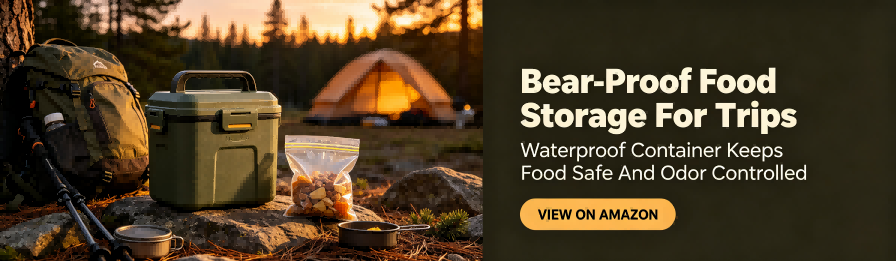
Store all food outside your tent. Use a bear canister or a bear bag. Hang it high in a tree. Keep it at least 100 feet from your sleeping area. Do this every single night without exception. Even a single piece of dried fruit is a risk. Keep your tent completely food-free.
Cooler or Ice Chest
Your cooler is a giant food container. It is filled with strong food smells. Meat juices leak into the plastic over time. Cheese and fruits leave residue behind. Even after you empty the cooler, the odor remains. Animals can smell that lingering scent. They know food was once inside. They will try to get in.
A bear can crush a cooler easily with its paws. Raccoons can pop the latches open. You will lose all your supplies. Your cooler will be destroyed. Do not bring it into your tent under any circumstances.
Leave your cooler outside. Place it away from your sleeping area. Use a bear-resistant cooler if possible. Lock it with sturdy straps. Put a heavy rock on top for extra security. Some campsites provide metal food lockers. Use those whenever available. Never store your cooler inside your tent. That is a costly mistake.
Trash or Dirty Dishes
Trash is full of food odors. Dirty plates and bowls have leftover scraps. Grease, sauce, and crumbs cling to them. These items are like a dinner bell for wildlife. Mice love tiny crumbs. Bears love the smell of cooked food. Ants will follow even the smallest spills. Your tent becomes an all-you-can-eat buffet.
Even a wrapper with a little oil or cheese is a problem. The smell lingers in the fabric. Pack your trash carefully. Use a separate, sealed garbage bag. Store it with your food storage. Do not leave it inside your tent.
Wash your dishes immediately after each meal. Use biodegradable soap and hot water. Scrub them thoroughly. Dry them and store them outside. Never leave dirty dishes inside your tent overnight. That invites serious trouble.
Pet Food or Treats
You love your dog. You want to keep them happy and well-fed. But pet food is highly attractive to wildlife. It has strong, meaty smells. Bears absolutely love it. Raccoons love it too. Even mice are drawn to it. They will risk danger to get to that food.
They might tear through your tent to reach it. They might hurt your pet in the process. Your dog could panic and run off into the dark. Keep pet food outside your tent. Store it in a sealed container. Place it with your other food storage.
Feed your dog outside the tent. Clean the bowl thoroughly after each meal. Remove any leftover food promptly. Store treats the same way. Do not bring a bag of treats inside. Even one small biscuit can attract animals. Your dog’s safety matters. Keep their food away from your sleeping area.
Scented Toiletries or Deodorant
Strong scents draw unwanted attention. Deodorant smells sweet or floral. Soap and lotions have fruity aromas. Animals are naturally curious. They might mistake these smells for food. They might chew through your bag just to investigate.
Bears have been known to eat scented soap. Raccoons love anything that smells interesting. Air fresheners are even worse. You are adding artificial scents to your tent. That is like putting up a neon sign for wildlife.
Keep all toiletries outside your tent. Use unscented products if possible. Store them in a sealed plastic bag. Keep them with your food storage. Do not leave them inside your tent overnight. Your tent should have no strong smells at all.
Toothpaste or Mouthwash
You brush your teeth every night. That is good hygiene. But leave the toothpaste outside. Mint and fruit flavors are very appealing to animals. They might chew through the tube. They might bite into your pack.
Bears have eaten toothpaste before. It smells like mint candy to them. Mouthwash also has a strong scent. It can attract wildlife too. Store these items with your toiletries. Keep them outside your tent. Seal them in a plastic bag. Put them in a bear canister or locker.
Do not keep them in your backpack inside the tent. This simple step can save you from a bad encounter.
Cooking Pots or Utensils
Your cooking gear carries food residue. Pots have grease and oil on them. Spatulas have butter and cheese residue. Even after washing, smells remain. These smells attract animals. They will be drawn to your camp. They will search for the source.
Your pots are not safe inside your tent. They still smell like last night’s dinner. A bear might crush them. Raccoons will scratch and chew. Mice will get inside your gear bag. Keep your cooking gear outside.
Wash it thoroughly after each use. Use unscented soap. Dry it completely. Store it away from your tent. Place it in a separate gear bag. Leave it outside at night. This is important for your safety.
Any Container That Once Held Food
This one is sneaky and easy to overlook. You ate your food. You washed the container. You think it is safe to keep inside. You are wrong. The container still has a scent. Plastic absorbs food odors. Glass jars have lingering smells. The lid has residue.
Animals can smell all of this. Even an empty jar is a risk. They can smell through small gaps. They will investigate. They will tear through your bags. They will chew through tent fabric. Do not store empty containers inside.
Take them outside. Wash them with hot water and soap. Let them air dry outside. Store them with your cooking gear. Keep them far from your sleeping area. Do not take this risk. This mistake is common. Avoid it.
Scented Air Fresheners
Why would you bring this? Your tent should smell neutral. Air fresheners add artificial scents. They confuse and attract animals. Sweet and fruity scents draw them in. You are luring them straight toward you.
Bears associate sweet smells with food. They will search for the source. They will find your tent. Raccoons will also come looking. You do not want that at all. Leave air fresheners at home. They are completely unnecessary. They are dangerous.
Keep your tent free of unnatural odors. Open the vents for fresh air. That is the best scent of all.
Any Food Wrappers or Packaging
You ate a snack. You threw the wrapper in your bag. That wrapper still has a scent. Even a tiny crumb is attractive to animals. Mice can smell it. Bears can smell it. The wrapper is not clean. It has oil and salt. It has sugar and spices.
These smells carry through the air. They tell animals there is food nearby. Do not leave wrappers inside your tent. Take them outside immediately. Put them in a trash bag. Seal the trash bag tightly. Store it with your other food storage.
Hang it or put it in a bear container. Keep your tent completely clean. Inspect your gear for forgotten wrappers. Check your pockets. Check your backpack. Do this every single night. Your tent should be absolutely spotless.