9 Weird & Practical Camping Uses for Antibiotic Ointment (Beyond First Aid)

Spread the love

You pack your first aid kit carefully. You have bandages and gauze. You have pain relievers and antiseptic wipes. You probably have a small tube of antibiotic ointment.

Most people think of this ointment for cuts and scrapes. They apply it to wounds. They cover them with bandages. That is its primary use.

But antibiotic ointment has many other uses. It solves problems you never expected. It fixes gear and protects your body. It is a true multi-tool in a tiny tube.

Here are nine weird and practical camping uses for antibiotic ointment. You will never look at it the same way again.

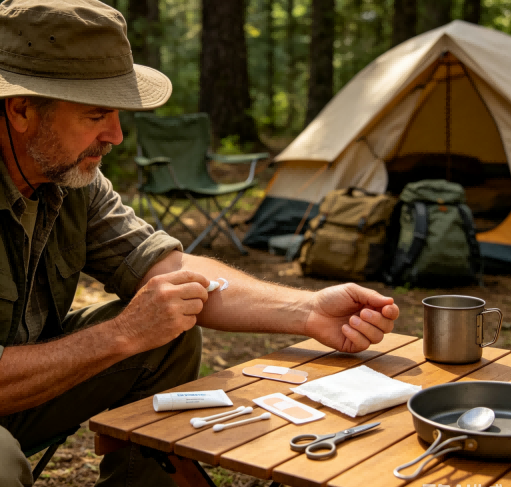
Table of Contents

#1. Dab Inside Nostrils Before High-Altitude Hikes

You climb to high elevation. The air is thin and dry. Your nasal passages become parched. They crack and bleed. A nosebleed ruins your hike.

Antibiotic ointment prevents this. Dab a small amount inside each nostril. It moisturizes the delicate skin. It keeps your passages flexible.

The ointment creates a barrier. It locks in moisture. It prevents painful cracking. You avoid nosebleeds completely. This is a simple and effective trick.

#2. Rub on Cracked Cuticles or Hangnails

Camp life is hard on your hands. You wash them less often. You handle rough gear. Your cuticles dry and crack. Hangnails form and hurt.

Antibiotic ointment comes to the rescue. Rub a small amount into your cuticles. It seals the splits. It keeps dirt out. It speeds healing.

Your hands stay healthy. You avoid painful infections. This is especially useful when you cannot wash often. A tiny dab goes a long way.

#3. Apply to Shaving Rash on Legs or Face

You shave with cold creek water. Your razor is dull. Your skin is sensitive. Razor burn appears. The rash is red and irritated.

Antibiotic ointment reduces this problem. Apply it to the affected area. It soothes the burn. It reduces redness. It prevents infection.

Your skin heals faster. You stay comfortable. A little ointment solves a common camp problem. This is especially useful for long trips.

#4. Smear Inside Boot Heels to Stop Blisters

Blisters are a hiker’s nightmare. They form when friction occurs. Your boot heel rubs against your skin. The irritation builds. A blister forms.

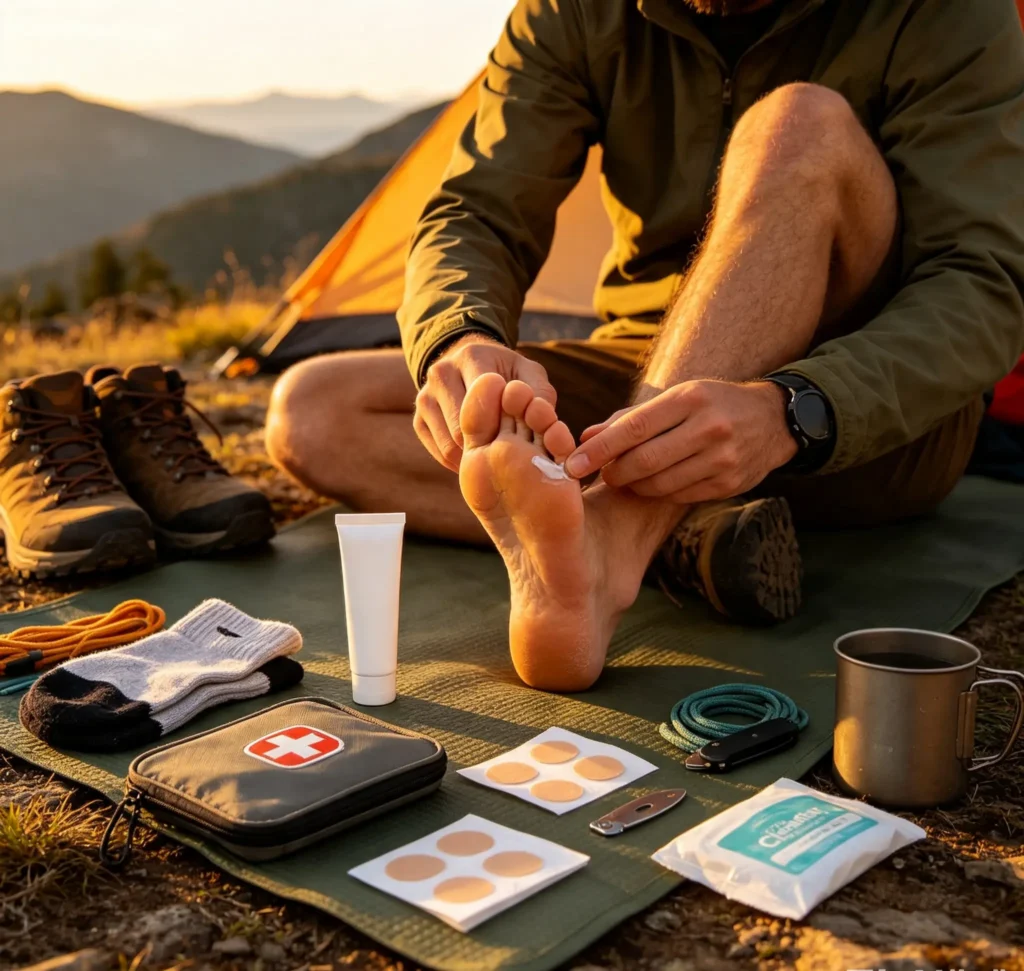
Antibiotic ointment acts as a lubricant. Smear a thin layer inside your boot heels. It reduces friction dramatically. Your skin glides smoothly.

This is not a permanent solution. But it works in a pinch. It gives your feet immediate relief. You can hike further without pain.

#5. Use on Minor Nail Fungus

Fungus is a common camp problem. It grows in warm, damp boots. It affects your toenails. The infection is stubborn and unpleasant.

Antibiotic ointment is not a fungicide. It does not kill fungus directly. But it helps in another way. Its oily base keeps the area moist. It prevents secondary bacterial infection.

This gives your body a chance to fight the fungus. It reduces the risk of complications. It is a useful tool in your foot-care kit.

#6. Coat the Threads of Your Water Bottle

Water bottle threads get stuck. Dirt and grit get into the grooves. The cap becomes difficult to open. You struggle every time you need water.

Antibiotic ointment solves this problem. Coat the threads with a thin layer. It acts as a lubricant. The cap turns smoothly.

It also acts as a sealant. It prevents leaks. It keeps dirt out of the threads. This is a clever hack for a common annoyance.

#7. Condition Dry, Cracked Leather Gloves

Leather gloves get stiff. They dry out in the sun. They crack and become brittle. They no longer protect your hands.

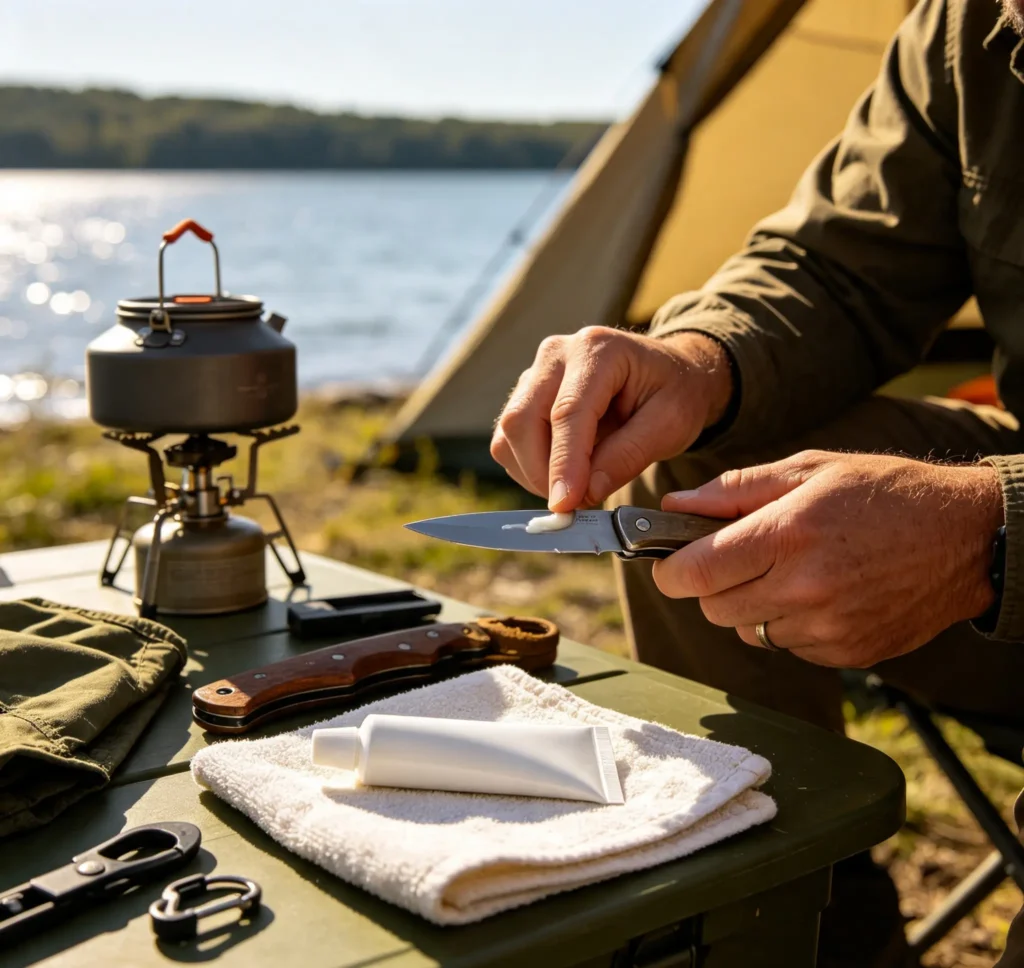
Antibiotic ointment restores them. Rub a small amount into the leather. It penetrates and softens. The leather regains flexibility.

Your gloves last longer. They fit better. They protect you again. This is a simple and effective repair.

#8. Stop a Small Leak in a Hydration Bladder

Hydration bladders are convenient. They also develop pinhole leaks. Water drips into your pack. Your gear gets wet. You lose precious water.

Antibiotic ointment provides a temporary fix. Smear a dab over the pinhole. It seals the leak. It holds for a short time.

This is not a permanent repair. You need proper tape eventually. But it works in an emergency. It saves your gear and your water.

#9. Protect Lips from Windburn

You forgot your chapstick. The wind is strong. Your lips become chapped and sore. They crack and bleed. Eating and talking are painful.

Antibiotic ointment acts as emergency lip balm. Apply it to your lips. It is flavorless and safe. It forms a protective barrier.

Your lips heal and stay moist. You avoid windburn. This is a great backup for a common problem.

Conclusion

Antibiotic ointment is more than a wound treatment. It prevents nosebleeds at high altitude. It heals cracked cuticles. It soothes shaving rash. It stops blisters by reducing friction. It helps with minor nail fungus. It lubricates water bottle threads. It conditions leather gloves. It patches hydration bladder leaks. It protects lips from windburn.

This small tube belongs in every camp kit. It weighs almost nothing. It solves many problems. It gives you peace of mind. Next time you pack, do not forget it. Your future self will thank you. Happy camping.

Leave a Comment

Your email address will not be published. Required fields are marked *

Scroll to Top