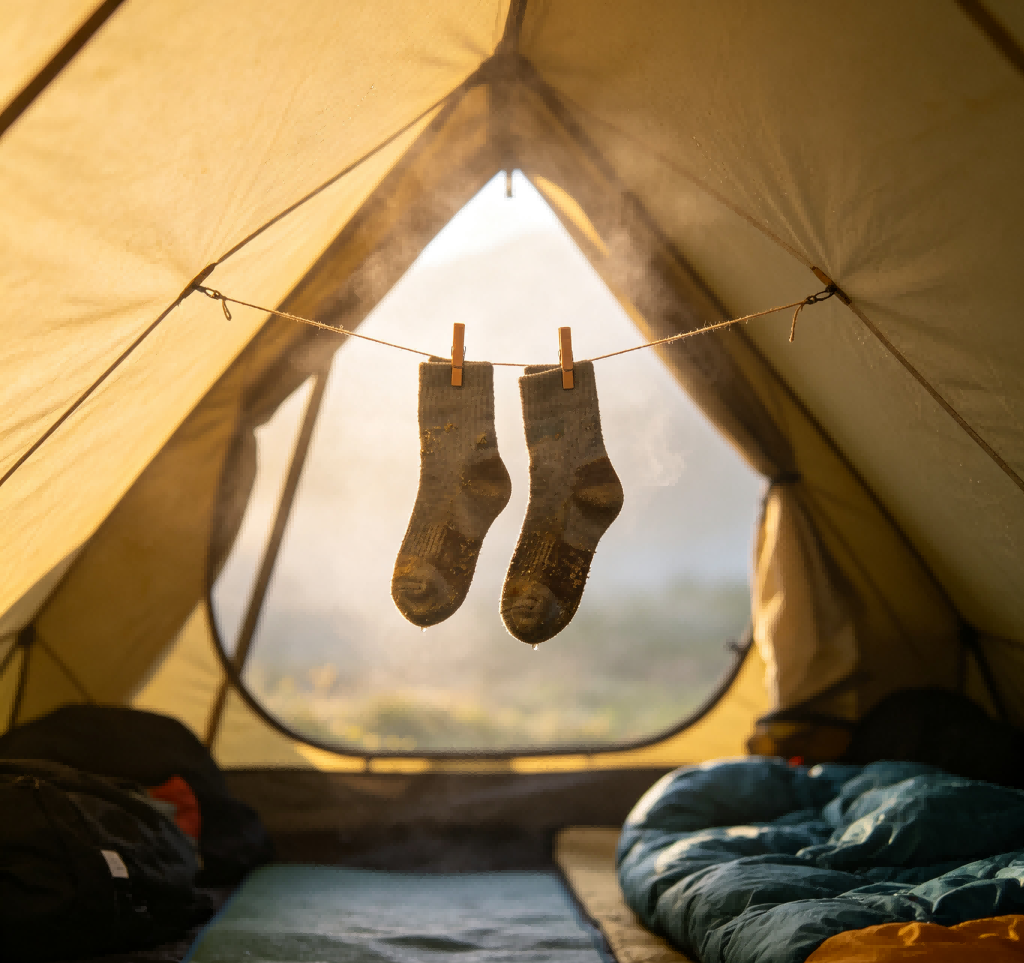
The wilderness is full of creatures. Some are beautiful. Some are harmless. Some are tiny but dangerous. You might not even notice them. But they can ruin your trip. They can cause serious pain. They can even send you to the hospital.
Every experienced outdoorsperson learns these lessons. Often the hard way. You do not have to make the same mistakes. Learn from others’ experiences. These eight tiny creatures carry big lessons. They can save you from pain and danger.
Table of Contents
Army Ants
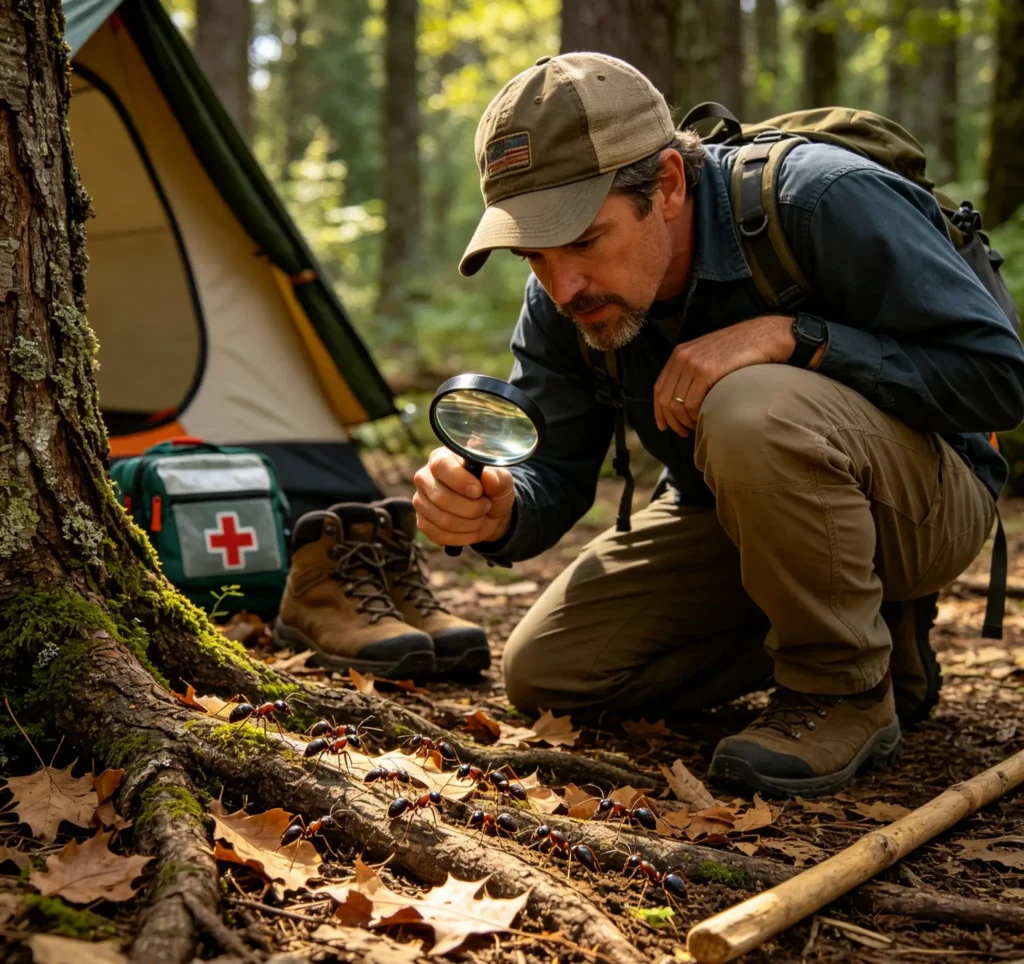
Army ants are fascinating. They travel in massive columns. Thousands of ants move together. They march across the forest floor. They eat everything in their path. You do not want to step into that column.
If you see a moving line of ants, do not walk through it. A few bites become hundreds. The ants swarm up your leg. They bite relentlessly. It is a painful and terrifying experience.
Your best option is to wait. Let the column pass by. This might take a few minutes. It is worth the wait. You can also walk far around it. Give them a wide berth. Never step into a moving column. This is a lesson you only need to learn once.
Black Widow Spider
The black widow is infamous. It is shiny and black. It has a red hourglass marking. Its bite is painful. It can cause muscle cramps and nausea. You do not want to get bitten.
These spiders love dark places. They hide in boots and gloves. They crawl into sleeping bags. They hide in piles of gear. You might not see them. You might put your hand right on one.
Shake out your boots every morning. Shake out your gloves too. Check your sleeping bag before you get in. A single mistake can mean a painful bite. This simple habit prevents a bad experience. Do it every single time.
Mosquito
The mosquito is tiny. It is also relentless. You hear that high-pitched whine. You know it is looking for blood. One mosquito is annoying. A swarm is unbearable.
That whine in your tent is a warning. It means a mosquito got inside. It also means there is a hole. Check every seam and zipper carefully. Look for tiny gaps. A small tear is enough. One hole lets in a swarm.
Seal your tent properly. Patch any holes immediately. Use a mosquito net over your face. Keep the zippers closed. Do not let them inside. A peaceful night depends on it.
Honeybee
Honeybees are important. They pollinate flowers. They make honey. But they can also sting. The sting hurts. It can cause allergic reactions. You need to be careful.
If a bee hovers near your face, do not swat it. Swatting provokes the bee. It feels threatened. It will sting you. Your face will swell. It will hurt for days.
Instead, stand still. Let the bee investigate. It will lose interest. It will fly away on its own. Stay calm and patient. This is the safest approach. A bee sting is avoidable. Just be still.
Stinging Caterpillar
Caterpillars look harmless. Some are not. The stinging kind has tiny hairs. These hairs are venomous. They cause intense burning. The pain lasts for hours.
You lean against a tree trunk. You brush against a caterpillar. You do not even see it. The hairs stick to your skin. The burning begins immediately. It is a horrible sensation.
Never lean against a tree without looking first. Check the bark. Look for hairy caterpillars. Look for clusters of them. A quick glance saves you from pain. This is a simple but essential habit.
Scorpion
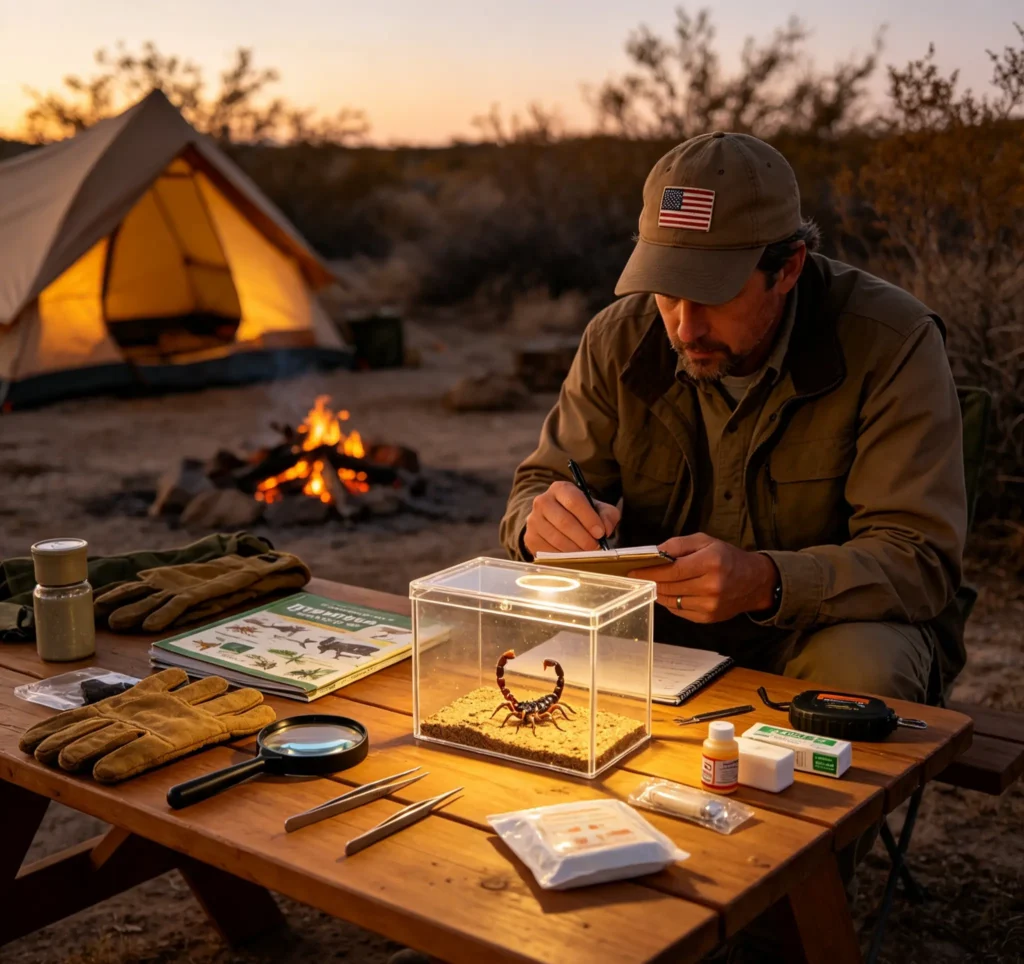
Scorpions are creatures of the night. They hide in cool places. They hide under rocks and logs. They pinch with their pincers. They sting with their tails. The sting is painful. Some species are deadly.
You lift a rock to look underneath. You lift it from the near side. A scorpion is hiding there. It stings your hand before you react. The pain is intense and sharp.
Always lift rocks by the far edge. Pull the rock toward you. The scorpion will move away. It will not sting you. You stay safe. This is a simple technique. It works every time.
Fire Ant
Fire ants build mounds. The mounds look small. They look harmless. You might not notice them. One step changes everything. You step right on the mound. The ants swarm up your foot.
Fire ants bite and sting. The pain is intense. It feels like fire on your skin. Your ankle will be on fire for a week. The welts are red and angry. They are hard to ignore.
Watch where you walk. Look for ant mounds on the ground. Avoid them completely. Do not step on them. Do not stand near them. This small awareness prevents big pain.
Tick
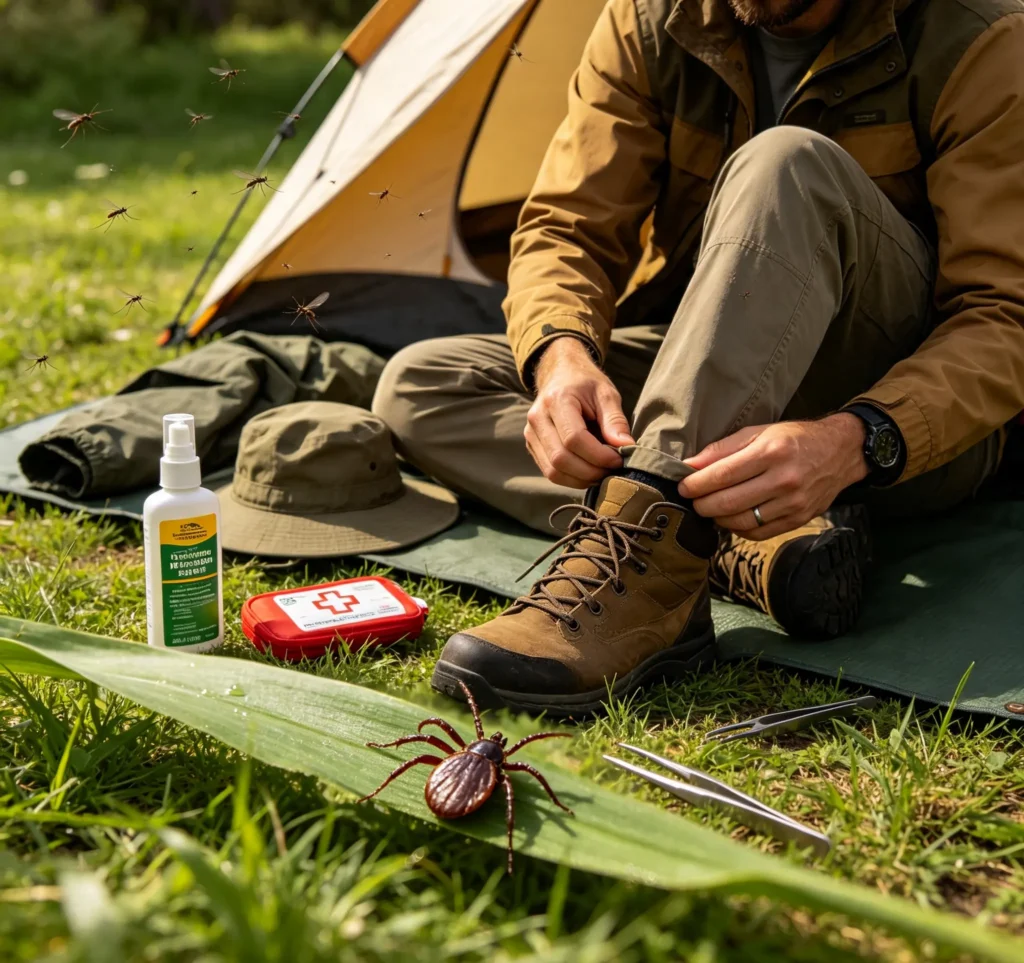
Ticks are tiny. They are also dangerous. They carry Lyme disease. They carry other infections. You might not feel the bite. It feels like a small pinprick. You might not notice it.
Check your body every night. Check your waistband. Check your armpits. Check your hairline. Ticks love warm, hidden places. They attach themselves to your skin. They feed on your blood.
Remove them carefully. Use fine tweezers. Pull straight out. Do not squeeze the body. Watch for symptoms later. Fever, rash, and joint pain are signs. Early treatment is important. A simple check can save your health.
Conclusion
The wilderness is full of tiny creatures. They teach big lessons. Army ants move in columns. Never step into them. Black widows hide in dark places. Shake out your boots and gloves. Mosquitoes find small holes. Check every seam in your tent. Honeybees are protective. Stand still and let them leave. Stinging caterpillars hide on trees. Look before you lean. Scorpions lurk under rocks. Lift from the far edge. Fire ants build small mounds. Avoid stepping on them. Ticks carry diseases. Check your body every night.
These lessons are simple. They are also essential. They prevent pain and illness. They keep you safe outdoors. Pay attention to tiny creatures. Respect their space. Take simple precautions. Your trip will be better. You will stay healthy. The wilderness is a shared home. Treat its residents with respect. Stay safe out there.