You are heading out for a summer hike. The sun is hot. The trail is dusty. You pack light to stay cool. Gloves are probably not on your list.
Why would you need gloves in summer? They seem like winter gear. They seem hot and uncomfortable.
But experienced hikers know better. Bushwhacking in warm weather demands hand protection. Thorns, sticks, and sharp rocks are everywhere. Your bare hands are vulnerable. Leather gloves solve these problems.
Here are nine truths about wearing leather gloves in summer. They might change your mind.
Table of Contents
#1. Yes, Wear Leather Gloves Even in Summer
This sounds counterintuitive. Gloves feel like winter gear. But summer hiking is where they shine. Thin, breathable leather protects without overheating.
Modern gloves are designed for warm weather. They are lightweight. They allow airflow. They keep your hands safe.
The protection is worth the slight warmth. Your hands stay intact. You avoid painful injuries. A few minutes of warmth is a small price for safety.
#2. They Prevent Scratches from Dense Brush
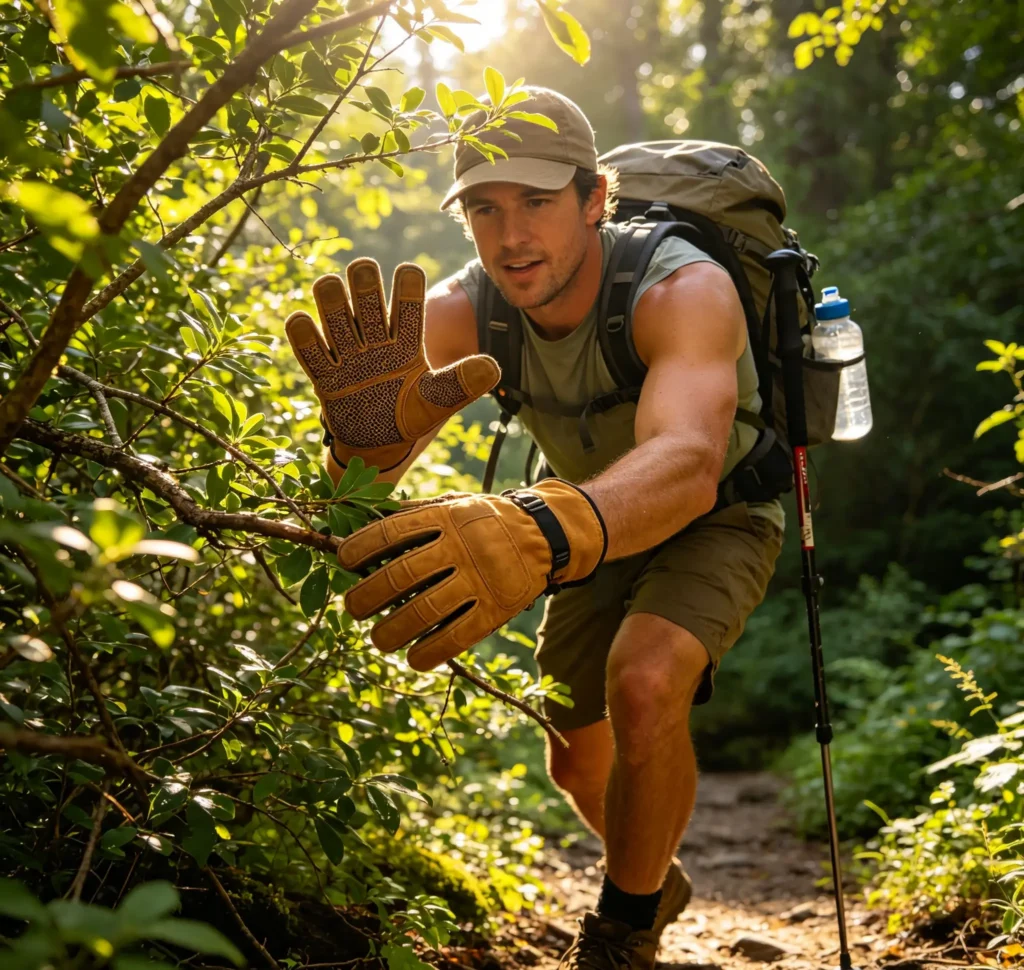
Summer trails get overgrown. Blackberry brambles reach across the path. Hawthorn thickets block your way. Pushing through them is brutal.
Without gloves, your hands get shredded. Thorns scratch your skin. Branches whip your arms. Leaves and stalks leave rashes. The gashes are painful and slow to heal.
Gloves change everything. The leather deflects thorns. It slides through thickets smoothly. Your skin stays intact. The scratches and cuts do not happen. Your hands remain healthy and happy.
#3. Choose Gloves with Mesh Backs or Ventilation
Not all gloves are equal. Summer gloves need airflow. Look for mesh backs or ventilation holes. These features let heat escape.
The palms and fingers remain armored. They protect you from hazards. But the tops of your hands breathe. Air circulates freely. Sweat evaporates quickly.
You get the best of both worlds. Protection where you need it. Cooling where you want it. This design prevents excessive sweating. It keeps your hands comfortable all day.
#4. Gloves Keep Your Hands Clean for Food Prep
Eating on the trail is messy. Your hands get dirty. Sap sticks to your fingers. Insect repellent leaves a residue. Dirt and grime cover your palms.
You reach for a trail snack. Your hands are filthy. You try to wipe them off. It does not work. You eat dirt and chemicals with your food. This is unpleasant and unhealthy.
Gloves solve this problem. Your hands stay clean underneath. You remove the gloves to eat. Your hands are fresh and ready. No more scrubbing before every snack. Your food tastes better. You stay healthier.
#5. Leather Resists Snake Strikes
Snake country requires caution. Rattlers and copperheads are dangerous. They defend themselves when threatened. A defensive bite can be serious.
Leather gloves provide a layer of protection. A glove can deflect a strike from a small snake. The leather takes the impact. Your skin stays safe. It is not a guarantee. But it is an extra layer of defense.
This is especially important when you reach into brush. It matters when you scramble over rocks. Your hands are often the first thing snakes encounter. Gloves give you a fighting chance.
#6. Use Them for Gripping Wet or Slippery Bark
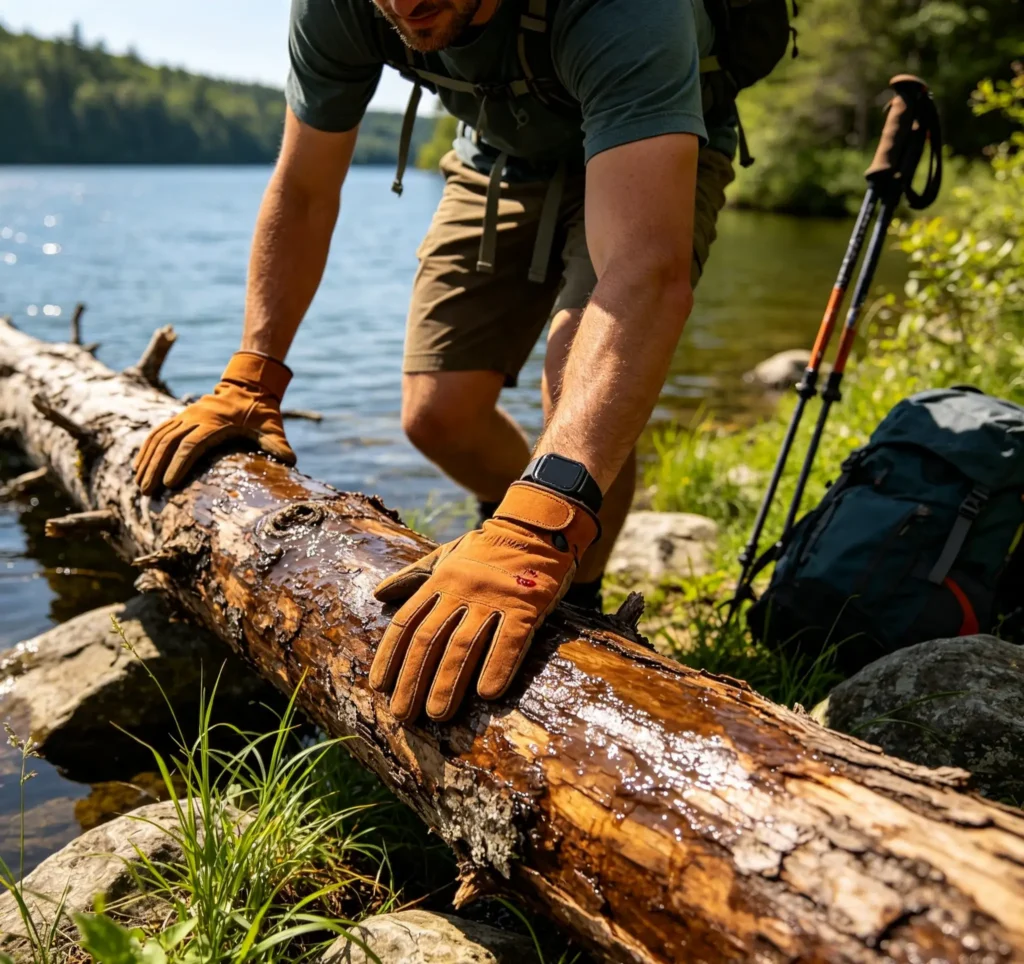
Logs and rocks get slippery. Wet bark is treacherous. You try to pull yourself up a steep bank. Your bare hands slip. You lose your grip. You fall.
Leather provides excellent traction. It grips wet surfaces. It holds onto slippery bark. You scramble over logs with confidence. You pull yourself up steep slopes easily.
The leather molds to your hand. It creates friction. You have much better control. This is a huge advantage on technical terrain. It prevents falls and injuries.
#7. They Double as Camp Fire-Handling Mitts
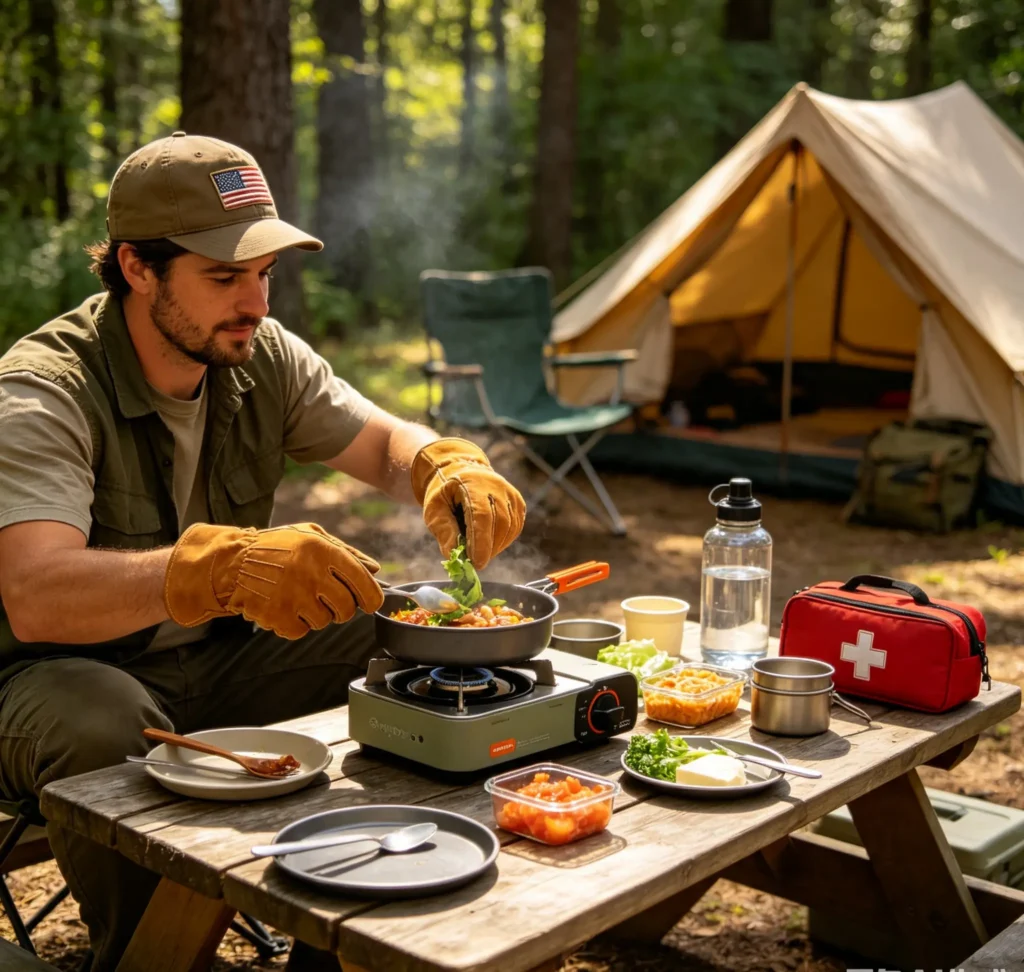
Camp tasks involve heat. You need to grab a hot pot. You need to move a burning stick. Your bare hands cannot handle this.
Leather gloves act as pot holders. They protect your hands from heat. You can safely move hot cookware. You can adjust logs in the fire. You can handle embers and coals.
This is much better than burning your fingers. It is safer and more efficient. Your gloves earn their keep around camp. They are a multi-purpose tool.
#8. Gloves Also Protect Existing Blisters or Cuts
You start your hike with injured hands. Maybe you have a cut. Maybe you have a healing blister. These injuries are vulnerable. They need protection.
Gloves keep wounds clean. They prevent dirt and bacteria from entering. They also stop the wound from reopening. The glove provides a protective barrier.
Your injury can heal while you hike. You do not aggravate it further. You stay comfortable on the trail. This is a practical benefit that many hikers overlook.
#9. Choose Quick-Drying Leather
Not all leather is the same. Some absorb water. They stay wet for hours. They become heavy and uncomfortable.
Choose unlined goat or pigskin leather. These materials are quick-drying. They resist water absorption. When soaked, you can wring them out. They dry much faster than cotton or wool.
You can put them back on quickly. You do not have to hike with wet hands. Your comfort improves dramatically. Choose the right leather for the best experience.
Conclusion
Summer bushwhacking demands hand protection. Thin, breathable leather gloves are your solution. They prevent scratches from dense brush. Choose mesh backs for ventilation. Keep your hands clean for food prep. Deflect potential snake strikes. Grip wet bark with ease. Use them as fire-handling mitts. Protect existing blisters or cuts. Select quick-drying goat or pigskin leather.
These nine truths show why gloves matter. Do not leave them behind. They weigh almost nothing. They take up little space. They provide immense value. Your hands will thank you. Your hike will be more comfortable. You will avoid painful injuries. Pack a pair of unlined leather gloves for every summer bushwhack. It is a simple habit that makes a big difference. Stay safe. Stay protected. Enjoy the trail.