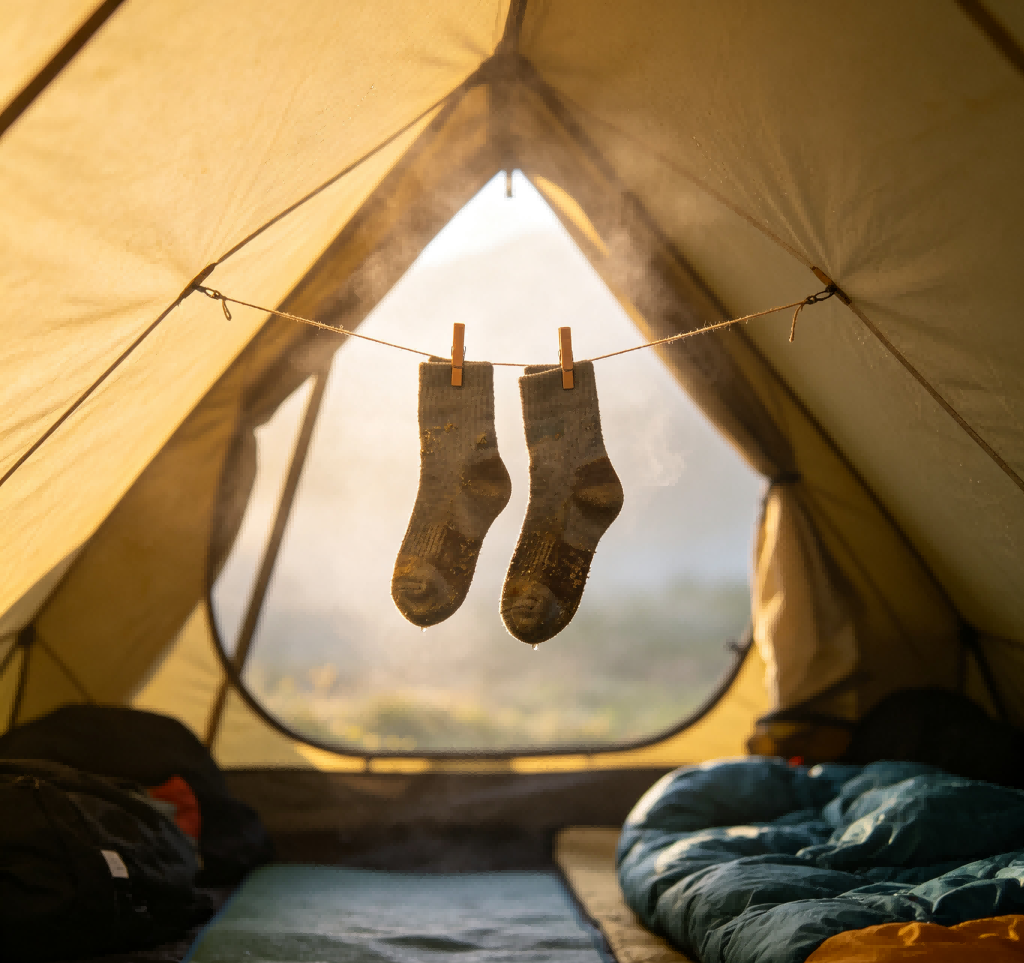
You finally escape to the wilderness. You find the perfect campsite. The birds are singing. The wind is gentle. The peace is wonderful. You settle in for a quiet evening.
Then the noise starts.
A tarp flaps wildly. Pots clank together. A chair squeaks with every move. Your peaceful night is gone. The sounds echo through the valley. Your neighbors glare at you. Even the wildlife seems annoyed.
The problem is your gear. Some items are naturally noisy. You might not notice at home. In the quiet woods, they are deafening. Here are ten noisy culprits hiding in your camping gear. Fix them before your next trip.
Table of Contents

Plastic Tarp Flapping in the Wind
A plastic tarp is useful. It provides shelter and shade. But it makes a lot of noise. Wind catches the edges. It flaps constantly. The sound drives you crazy.
The noise echoes across the campsite. It keeps you awake at night. It disturbs other campers. The constant flapping is exhausting.
You can fix this easily. Secure all corners tightly. Use extra stakes and guy lines. Pull the tarp taut. Do not leave loose edges. Use bungee cords for tension. They allow some give without flapping.
If the wind is strong, lower the tarp. Make it a windbreak instead. Reduce the surface area. Keep the fabric tight. Your ears will thank you.
Aluminum Pots Clanking Together
Camp pots are made of aluminum. They clank and clang. Metal on metal is loud. The sound carries far in the wilderness. It echoes off canyon walls.
You pack your cookset carefully. But things shift during the hike. Pots knock together. They bang into each other. The noise is annoying and persistent.
Prevent this problem. Place a cloth between each pot. Use a towel or bandana. You can also use paper towels. This absorbs the impact. It stops the clanging.
Pack your cookset tightly. Fill empty space with soft items. Wrap each piece in fabric. This keeps everything quiet. You will appreciate the silence.
Metal Water Bottle Rolling on Hard Ground
A metal water bottle is durable and safe. But it rolls easily. On hard ground, it is noisy. The rolling sound is irritating. It wakes you up at night. You bump it in the dark.
The bottle rolls off your sleeping pad. It hits rocks and roots. The clatter is surprisingly loud. It echoes through your tent. It disturbs everyone nearby.
Keep your bottle secured. Place it next to your sleeping pad. Wedge it between your pack and a tent wall. Use a stuff sack to contain it. Fill it completely with water. A full bottle is heavier and rolls less.
Consider using a soft-sided water bag. They are silent and flexible. They do not roll. They are a great alternative.
Camp Stove with Loose Parts
Stoves have many small parts. Burners, pot supports, and valves. These parts can rattle. The rattling is annoying. It happens with every step.
You carry your stove in a pack. It bounces and shakes. Loose parts clink together. The sound is metallic and sharp. It is also a sign that something is loose.
Inspect your stove carefully. Tighten all connections. Secure the pot supports. Pack the stove in a protective bag. Use a small pouch for extra parts. Wrap it in a cloth to reduce movement.
A well-maintained stove is a quiet stove. Check it before every trip. This protects your gear and your sanity.
Zipper Pulls on Tent or Sleeping Bag
Zipper pulls are essential. But they make noise. They swing in the wind. They hit the fabric. The sound is a constant click. Click. Click. Click.
You hear it all night. Every breeze causes a new sound. The zippers jingle against the tent. They jingle against your sleeping bag. It is surprisingly loud in the quiet night.
Fix this simple problem. Use rubber bands to secure the pulls. Tie them together. Tape them to the fabric. Remove any loose zipper tags. You can also replace metal pulls with fabric ones.
A quiet zipper is a small change. It makes a huge difference. You will sleep much better.
Inflatable Sleeping Pad Squeaking
Inflatable sleeping pads are comfortable. They also squeak. The sound comes from the fabric. It rubs against itself. It rubs against your tent floor. Every movement creates a new squeak.
You turn over at night. The pad squeaks loudly. You shift positions. It squeaks again. The sound is high-pitched and irritating. It keeps you awake.
Apply a little powder to the pad. Cornstarch or talc works well. It reduces friction between surfaces. Place a light blanket under your pad. This stops the rubbing sound.
Some pads are naturally quieter. Check reviews before buying. A quiet pad is worth the investment. Your sleep quality depends on it.
Wind Chimes (If Anyone Brings Them)
Wind chimes do not belong in the wilderness. They are for porches and gardens. They are not for campsites. Yet some people bring them.
The sound is supposed to be relaxing. In the quiet woods, it is not. It is intrusive and annoying. It carries across the entire valley. Your neighbors will not appreciate it.
Leave the wind chimes at home. Do not bring them. They are a nuisance to everyone. The natural sounds are better. Listen to the birds and wind instead.
If you must have a sound, use a soft meditation bell. But even that can be too much. Respect the silence of the woods.
Carabiner Keychain Jangling
Carabiners are useful camping gear. They hang from your pack. They hold your keys and tools. They also jangle with every step. The metal clinks against metal.
You hear it all day on the trail. It gets on your nerves. It annoys other hikers. It is a constant source of noise.
Secure your carabiners with tape. Wrap them in fabric. Use a small pouch to contain them. Separate them so they do not touch.
Better yet, use plastic or aluminum carabiners. They are quieter. They are also lighter. This is an easy fix for a common problem.
Folding Camp Chair Creaking
Folding camp chairs are comfortable. They also creak. The hinges and joints wear over time. They make noise with every movement. You sit down and they squeak. You lean back and they groan.
The sound is unpleasant. It is also a sign of wear. The chair may be failing. You need to address the problem.
Lubricate all moving parts. Use a silicone spray. Use a little oil. Work it into each joint. Tighten any loose screws. This will stop most of the noise.
Consider investing in a quieter chair. Some models use spring-loaded mechanisms. They are much quieter. They provide a better camping experience.
Mess Kit with Loose Fork and Spoon
Mess kits are classic camping gear. The fork and spoon are separate. They roll around in the kit. They clink against the metal. They clink against each other.
You hear it every time you move the kit. It is a constant metallic sound. It is annoying and unnecessary. It takes away from your peace.
Separate the utensils. Wrap each piece in a cloth. Use a small bag to hold them. Slide the fork inside a pot. Secure the spoon with a rubber band.
Keep everything snug and tight. The noise will stop. Your mess kit will be quiet. You will enjoy your meals more.
Conclusion
A quiet campsite is a happy campsite. Noise destroys the peace. It disturbs your neighbors. It bothers the wildlife. It annoys you too. These ten culprits are easy to fix. Secure your tarp tight. Pack pots with cloth. Stop bottles from rolling. Tighten stove parts. Silence zipper pulls. Reduce pad squeaking. Leave wind chimes at home. Contain your carabiners. Lubricate your chair. Organize your mess kit.
Take a few minutes to address these issues. Your camp experience will improve dramatically. You will enjoy the silence. You will sleep better. Your neighbors will thank you. The wilderness is meant to be quiet. Keep it that way.