Your garage smells like campfire smoke. Your closet has a strange bulge that looks suspiciously like a tent. And your spare bedroom? It’s a graveyard for sleeping bags, bent poles, and lonely socks. This is not a mountain trail. This is your home – and it’s screaming for help.
You don’t need a giant shed. You don’t need a professional organiser. You need twenty simple, cheap, and slightly ridiculous ideas. They work for complete beginners. They work for weekend warriors. They work for anyone who has ever lost a headlamp inside a duffel bag for three months.
Here they are – from bulky tents to tiny carabiners. No long paragraphs. No fancy vocabulary. Just straight talk, short sentences, and a little humour. Ready? Let’s dig in.
1.Ditch the stuff sack – use a large mesh laundry bag instead
Your tent came in that tiny stuff sack for hiking, not for home. Squeezing it into that sack for months creates permanent creases that ruin the waterproof coating. A loose mesh bag lets air circulate, prevents mildew, and keeps your tent fabric happy. Hang it in a closet and forget about it until your next trip.
2.Hang sleeping bags on wide padded coat hangers
Never store your sleeping bag compressed for months – it kills the fluffy insulation. Fold your bag in thirds, drape it over a sturdy padded hanger, and put it in a dry wardrobe. The loft stays perfect, and you can see exactly where it is. No more digging in dark corners for a musty bundle.
3.Build a cheap PVC pipe rack for your tent poles
Tent poles are long, awkward, and bend easily in boxes. Buy a 4‑inch PVC pipe from the hardware store. Cut it into two‑foot sections and mount those sections vertically on your wall like open cups. Slide each set of poles into its own pipe – they stand straight, never tangle, and you’ll never kink them again.
4.Roll sleeping pads loosely and tuck them under the bed
Never fold sleeping pads – folding creates weak spots that crack later. Roll them loosely, use a couple of bungee cords to hold the roll, then slide them into a flat under‑bed storage box with wheels. One pull and it’s out, one push and it’s gone. Out of sight, but ready when you are.
5.Hang camp chairs and duffel bags from ceiling hooks
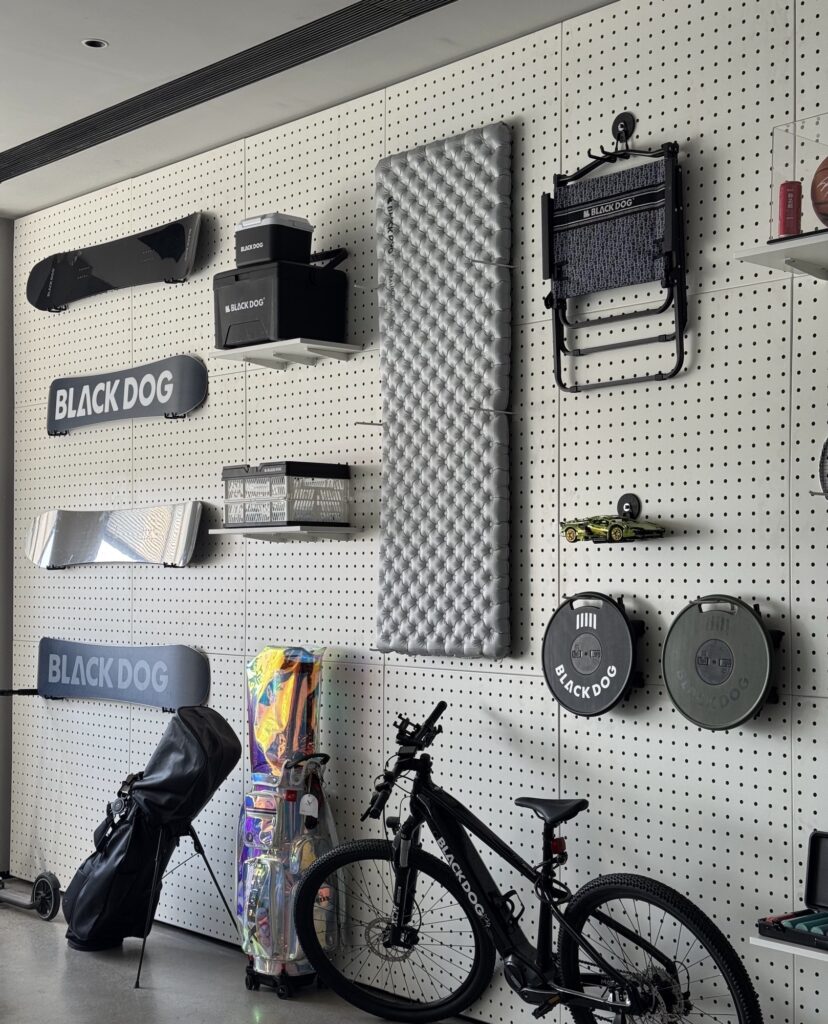
Camp chairs eat floor space, and duffels become trip hazards. Screw heavy‑duty hooks into your garage rafters, then hang chairs by their straps and duffels by their handles. Suddenly your floor is free, you can walk without doing a balancing act, and it even looks like a cool outdoor shop.
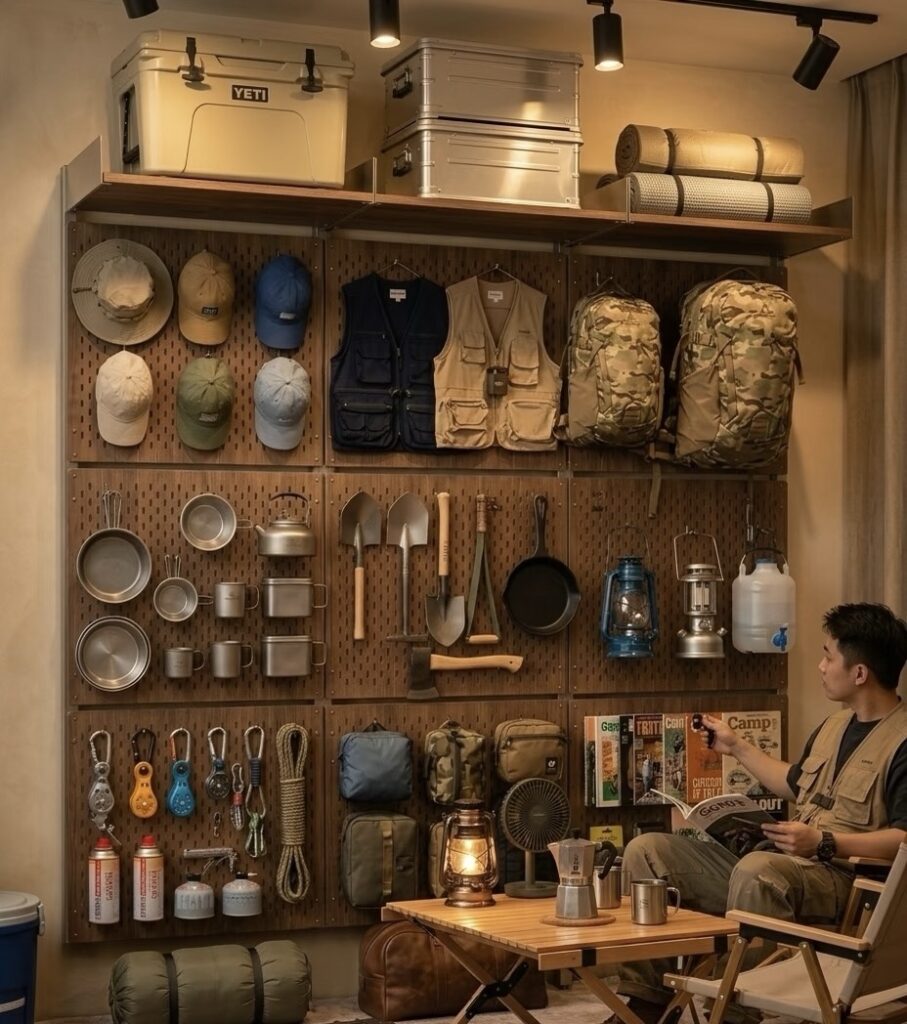
6.Install a pegboard above your workbench for cookware
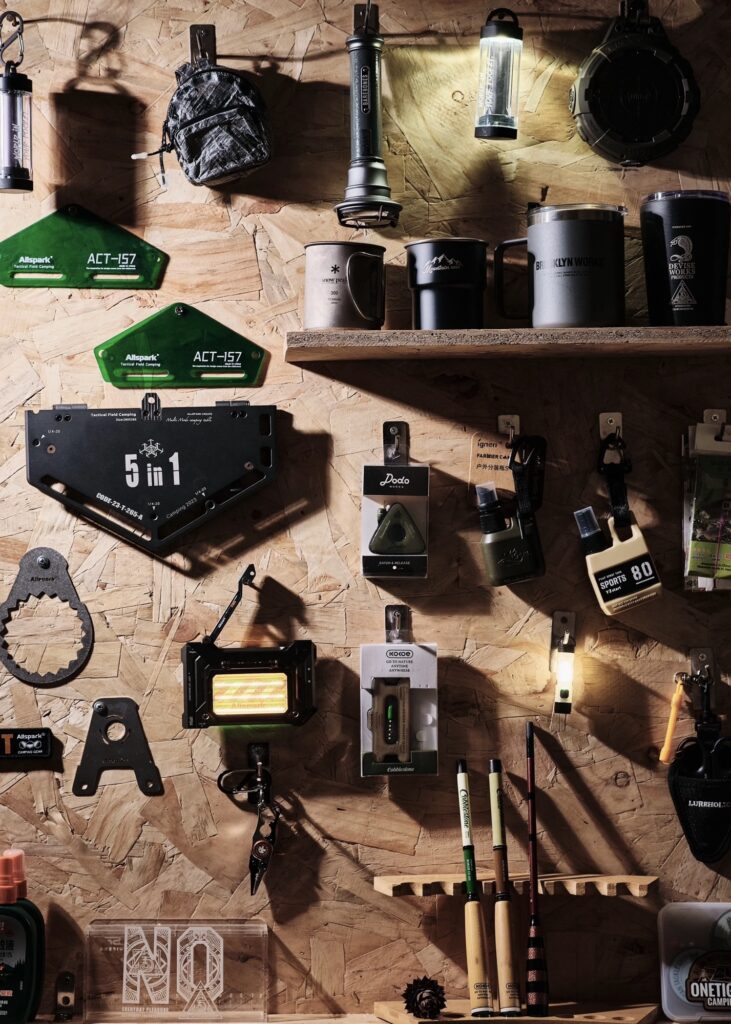
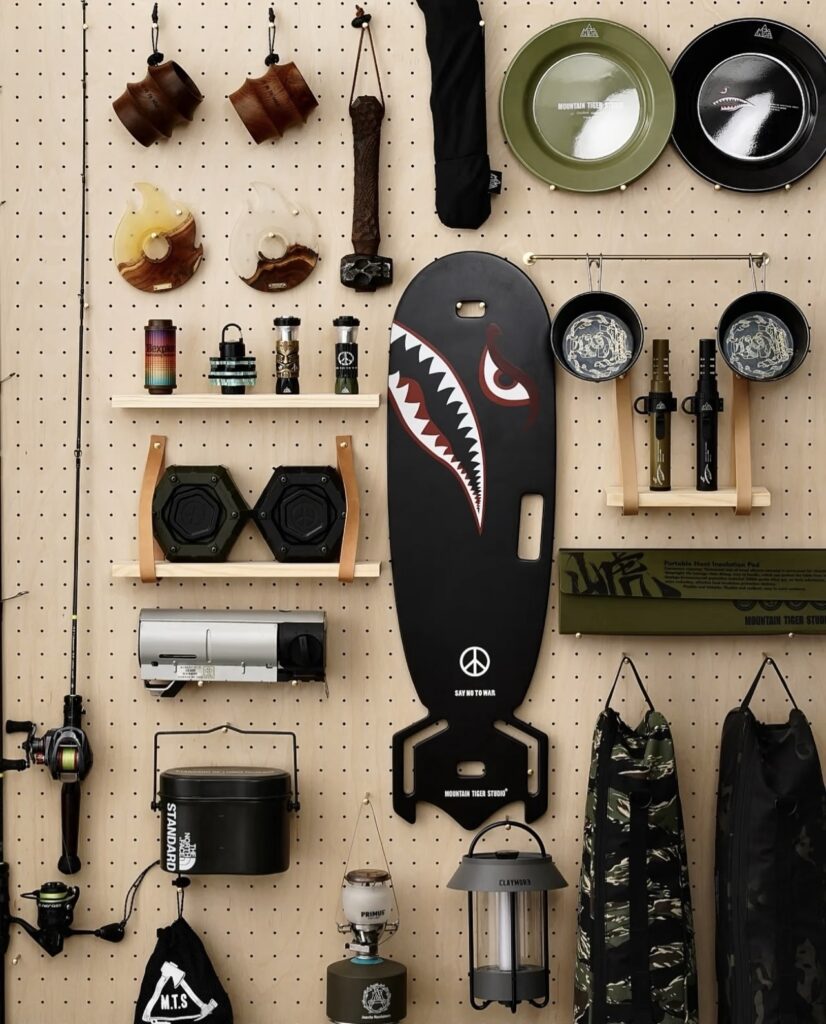
Pegboards turn blank wall into a display of pots, pans, spatulas, and even coffee percolators. Everything is right there in plain sight – no more diving into a dark bin to find the frying pan. It feels professional and saves you minutes of rummaging every time.
7.Repurpose a plastic dish rack to store mugs and bowls
Place a simple kitchen dish rack on a shelf. Put your camping mugs upside down on the prongs and slot bowls into the sides. They stay dust‑free, air dries them completely, and they look surprisingly tidy – like a miniature outdoor café in your storage area.
8.Store fuel canisters in a metal ammo box with a latch
This is about safety, not just neatness. Propane and butane canisters should be kept cool and dry, away from furnaces or water heaters. A labelled metal ammo box keeps them contained and reminds everyone to handle with care. Always double‑check the latch before you close it.
9.Designate one clear plastic bin as your “meal kit”
Throw in salt, cooking oil, foil, matches, and a washcloth – all the small cooking extras. When you pack, just grab that bin and go. Clear sides let you see what’s inside without opening it, so you never forget the spices again. It’s a huge time‑saver.
10.Stick adhesive hooks inside a cabinet door for small gadgets
Measuring cups, spoons, and a can opener always get buried in drawers. Use command hooks on the inside of a cabinet door and hang them there. They are visible, reachable, and your drawers stay free for bigger stuff. Simple and brilliant.
11.Use vacuum storage bags for seasonal clothing
Fleece jackets, puffy vests, and base layers take up massive space. Suck the air out with a vacuum cleaner and they flatten to half their size. Slide those flat bags under the bed or on high shelves – but label them clearly so you know which bag is winter and which is summer.
12.Hang a clear over‑door shoe organiser for small soft items
Get a clear plastic shoe organiser with pockets and hang it over your closet door. Fill each pocket with socks, gloves, beanies, neck gaiters, and buffs. You can see every single item at a glance – it’s like a candy display for outdoor accessories, and you’ll never hunt for one glove again.
13.Put muddy boots on a boot tray with newspaper
After a rainy trip, place your boots on a plastic boot tray near the door. Crumple old newspaper and stuff it inside each boot – the paper soaks up moisture and odours. Change the paper the next day, and your boots will dry faster and smell much better.
14.Hang backpacks and daypacks on heavy‑duty wall hooks
Install strong hooks at shoulder height and hang each pack by its top loop. This keeps the shape intact and lets air circulate around the fabric. No more tripping over packs on the floor – they line up like soldiers and save precious square footage.
15.Repurpose a fishing tackle box for tent stakes and guylines
Stakes are small, sharp, and sneaky – they always escape from regular boxes. Buy a tackle box with adjustable dividers. Put stakes in one compartment, guylines in another, and seam sealer or repair tape in a third. Now you know exactly where that missing peg went.
16.Mount a magnetic strip for multi‑tools and knives
Kitchen magnet strips aren’t just for chefs. Mount one on your garage wall and stick multi‑tools, scissors, small knives, and tweezers onto it. They stay within easy reach and look surprisingly cool. You’ll never rummage through a junk drawer again – just grab and go.
17.Hang a mesh toiletry caddy for first‑aid and fire supplies
Grab a mesh shower caddy with pockets and hang it on a hook near your gear. Fill it with a first‑aid kit, lighter, waterproof matches, and fire starters. Mesh shows everything clearly. When you pack, lift the whole caddy off the hook – it saves minutes of panic every trip.
18.Stick whiteboard labels on every storage tub
Write the contents and the date you last used that tub on a dry‑erase sticker. This sounds obsessive, but it works. You’ll know when to rotate batteries, check fuel expiry, and remember which box holds the winter bag. Wipe it off and update it after each trip – simple and smart.
19.Create a rolling “GO‑BOX” with a laminated checklist
Get one rolling tote and fill it with adapters, charging cables, tent patches, a spare lighter, and extra batteries. Tape a laminated checklist to the lid with items like “stove,” “fuel,” “headlamp,” and “matches.” Before you leave, run through the list with a dry‑erase marker. No more forgotten essentials and no last‑minute shopping runs.
20.Schedule a seasonal gear swap twice a year
Pick two dates – say, April 1 and October 1 – and swap your gear. Move winter sleeping bags and snow pegs to under‑bed vacuum bags; bring summer tents and bug nets to prime shelf space. This keeps your active gear fresh, your storage tidy, and gives you a perfect excuse to daydream about upcoming trips.
Conclusion
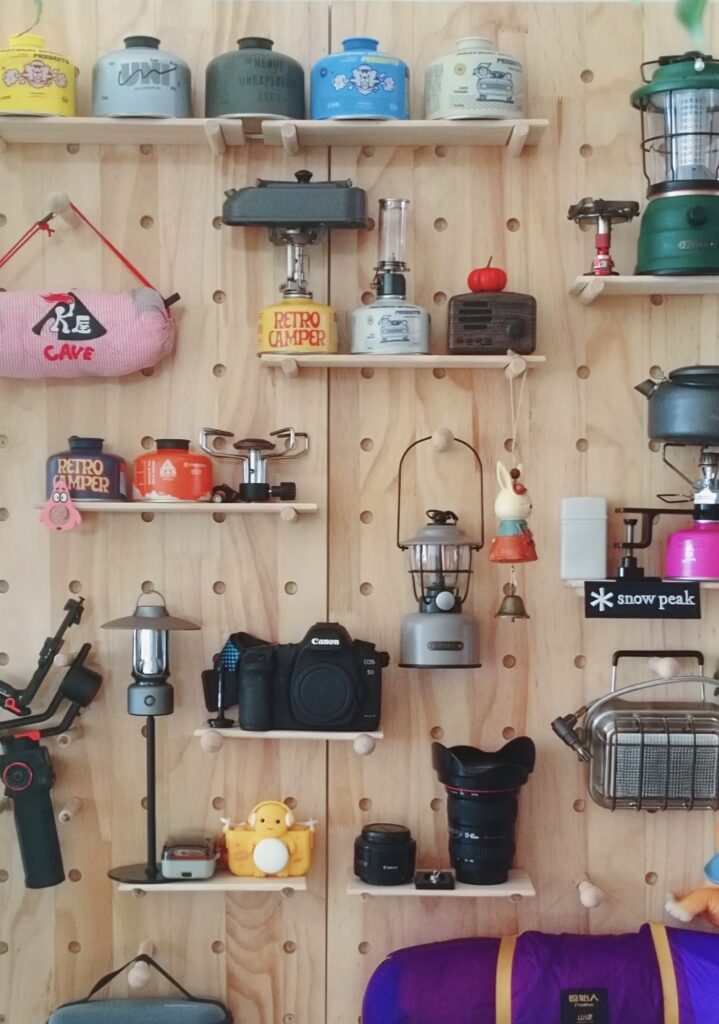
There you go – twenty hacks that change your life. No more tripping over poles. No more hunting for a stove. Your gear lasts longer because it’s stored properly. Packing becomes a five‑minute job, not a two‑hour meltdown.
One final tip: take photos of each organised bin. Save them on your phone. When you need something, scroll and point. Saves time and keeps you calm.
Pick just three hacks from this list. Do them this weekend. Start small. See the difference. When your friends ask, “Where did you hide all that gear?” you’ll smile and say, “Just a little system.”