23 Tips for Camping Gear Maintenance and Cleaning

Spread the love

Let’s face it: outdoor gear is a lot like a houseplant. It thrives on attention, wilts under neglect, and will absolutely seek revenge if you treat it badly.

The longevity of your beloved tent, sleeping bag, and stove depends entirely on what happens after the adventure ends.

Moisture lurks in corners like a sneaky villain. Dirt acts like sandpaper at a microscopic level. UV rays work their evil magic even when you are not looking.

By establishing a consistent maintenance routine, you save hundreds of dollars on replacements.

More importantly, you ensure your safety by keeping that “home away from home” in fighting shape for the next expedition.

Ready to learn how to pamper your gear like the divas they secretly are?

Table of Contents

1. Air-Dry Everything Immediately

How To Pack A Wet Tent

Never—and this means absolutely never—store a tent, tarp, or sleeping bag while it remains even slightly damp.

Mold and mildew possess an uncanny ability to find moisture. They throw parties inside your gear without sending you an invitation.

These uninvited guests leave behind stains, odors, and degraded fabric that no amount of apologizing can fix.

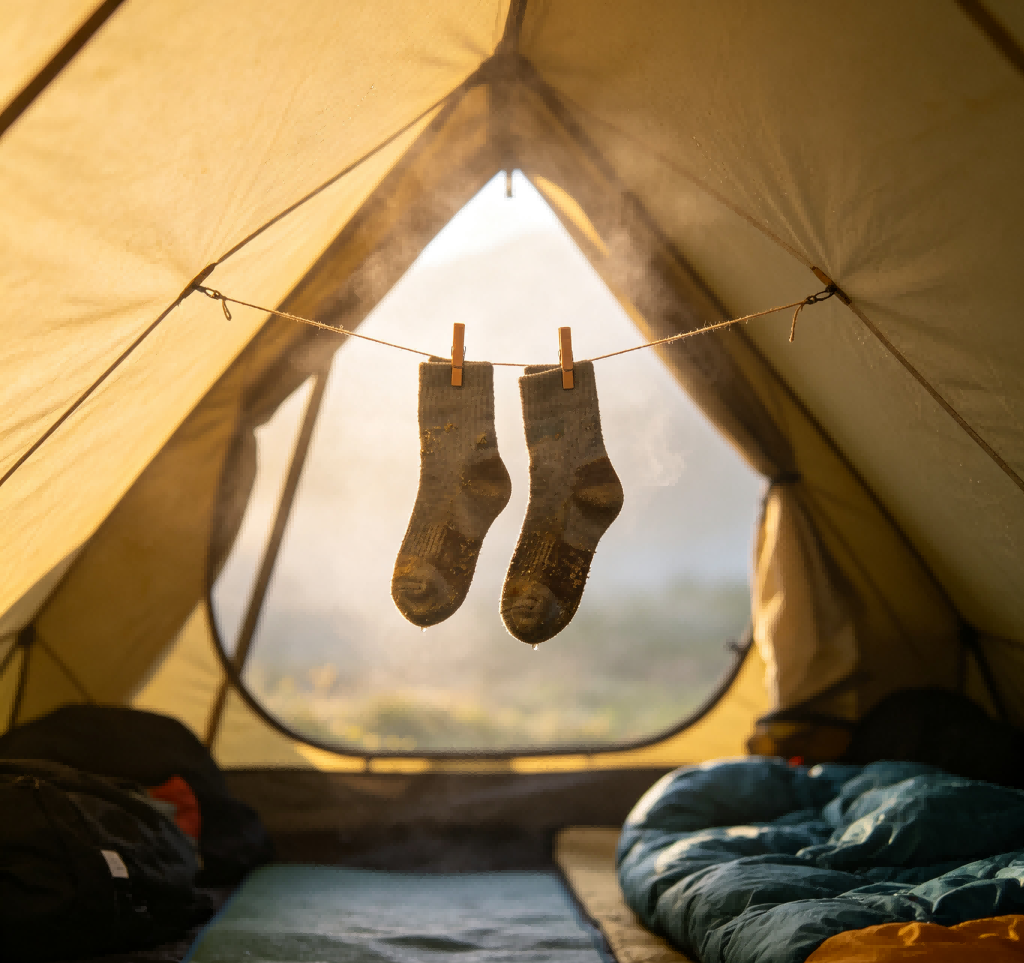
String up that tent in the backyard. Drape that sleeping bag over a shower rod. Let everything breathe until it feels as dry as a desert lizard.

2. Shake Out the Debris

Turn your tent inside out and give it the kind of vigorous shake usually reserved for rugs after a toddler’s art project.

Sand, pine needles, and tiny pebbles hide in corners plotting destruction. These miniature abrasives work like sandpaper against your fabric when shifted during transport.

They create micro-tears that grow into actual problems. Give them the boot before they settle in permanently.

3. Spot-Clean with Mild Soap

Wash The Inner Tent

Grab a sponge and some non-detergent soap for those muddy spots acquired during your adventures. Harsh chemicals strip waterproof coatings faster than a bad sunburn peels skin. Think of your gear’s protective layer as its immune system.

You wouldn’t wash your own skin with industrial solvent, so why do that to your tent?

Gentle cleaning keeps everything intact and functional.

4. Hand-Wash Sleeping Bags

Wash The Inner Tent

Top-loading agitator machines treat sleeping bags like laundry day punching bags. Those machines wad, twist, and abuse the delicate fill until it clumps together in sad little balls.

Use a front-loader on a gentle cycle if available. Better yet, channel your inner pioneer and fill a bathtub with specialized cleaner designed for down or synthetic materials.

Your sleeping bag will thank you by remaining fluffy and warm.

5. Store Sleeping Bags Loosely

Compression sacks serve one purpose: squishing your sleeping bag into a tiny package for transport.

Long-term storage in these torture devices destroys the “loft” that actually keeps you warm. Insulation needs room to breathe and expand. Grab a massive mesh laundry bag or simply hang the sleeping bag in a closet.

Give that fill the freedom it craves, and it will reward you with cozy nights for years.

6. Clean Stove Burners

Stove jets clog easier than arteries after a bacon festival. Soot and food particles accumulate with each use, eventually turning your reliable flame into a sputtering disappointment.

Grab a small wire brush or unfold a paperclip. Clear out those tiny holes with the precision of a surgeon performing delicate work.

A clean burner produces that efficient blue flame that boils water before you finish setting up the tent.

7. Wipe Down Tent Poles

Salt and grit accumulate on tent poles like bad decisions on a Friday night. Wipe them down with a dry cloth to remove the evidence of your adventures.

Occasionally treat the ferrule joints to a silicone-based lubricant.

This magical potion helps poles slide together smoothly instead of fighting you like stubborn children refusing to cooperate during assembly time.

8. Re-Waterproof the Fly

Your tent fly and rain jacket eventually lose their ability to make water bead up and roll away. Apply a Durable Water Repellent spray periodically to restore this superpower.

Watch with satisfaction as raindrops form perfect little spheres and race down the sides.

Water repellency isn’t just cool to watch—it keeps you dry when the sky decides to imitate a shower head.

9. Inspect and Lubricate Zippers

Sand finds its way into zipper teeth with impressive determination. Grab an old toothbrush (preferably not the one currently residing in your bathroom) and scrub away the grit.

Apply dedicated zipper wax or lubricant afterward. Zippers should glide smoothly, not fight you like a cat resisting a bath.

Smooth zippers mean quick access to warmth and shelter when you need it most.

10. Check Seam Seals

Peeling tape on the inside of tent seams signals trouble on the horizon. Water finds these weaknesses with predator-like instincts.

Inspect every seam carefully during your cleaning ritual. Apply liquid seam sealer to any areas appearing worn or suspicious.

Think of it as weatherproofing your home—because that tent is exactly that when thunderstorms roll through at midnight.

11. Clean Cookware Thoroughly

Cast iron and stainless steel camp pans require serious scrubbing after meals. Food oils left behind turn rancid during storage.

Rancid smells attract pests who would love to investigate your gear closet uninvited. Scrub until every trace of last weekend’s chili disappears.

Your future self will appreciate cookware ready for action rather than requiring decontamination.

12. Remove Batteries from Electronics

Batteries left inside headlamps, flashlights, and GPS units eventually leak corrosive goo. This sticky disaster destroys contacts and ruins perfectly good electronics.

Pop those batteries out like a dentist removing problematic teeth.

Store them separately and enjoy the peace of mind that comes from knowing your gear won’t self-destruct during the off-season.

13. Sanitize Water Filters

Backflush your water filtration system according to manufacturer instructions. Some filters benefit from a weak bleach solution to kill anything growing inside.

Nobody wants to drink through a filter that has become its own ecosystem. Clean water starts with clean equipment.

Treat your filter like the life-saving device it actually represents.

14. Scrub Hiking Boot Soles

Mud and invasive seeds lodge themselves deep within boot tread patterns. These stowaways degrade materials over time while potentially spreading non-native plant species to fragile environments.

Grab a stiff brush and remove every last bit of debris.

Your boots grip better without caked-on mud, and the environment stays protected from botanical hitchhikers.

15. Inventory and Patch

Cleaning time doubles as inspection time. Examine everything for small holes or tears requiring attention.

Repair tape fixes minor issues in seconds. Needle and thread handle slightly larger problems with old-school charm.

Fixing damage immediately prevents it from expanding into gear-ending catastrophes.

A stitch in time literally saves nine—or ninety dollars, depending on what needs replacing.

16. Deep Clean Water Reservoirs

Hydration bladders develop mysterious flavors if neglected after trips. Scrub them thoroughly with a bottle brush and mild soap.

Hang them upside down with a spacer keeping the opening propped open. Complete drying prevents the science experiment nobody wanted to conduct.

Fresh-tasting water makes hydration actually enjoyable rather than a chore requiring mental preparation.

17. Condition Leather Components

Hiking boots and gear straps containing leather need moisturizer just like human skin. Apply leather conditioner or wax to prevent cracking and drying out.

Leather that remains supple performs better and lasts longer.

Think of it as lotion for your gear—minus the fancy scents and marketing claims about youthful appearance.

18. Check Stove Seals and O-Rings

Rubber gaskets on fuel bottles and stove connections eventually deteriorate. Cracks in these seals create dangerous fuel leaks capable of ruining trips and causing safety incidents.

Inspect every rubber component carefully. Replace anything showing signs of wear immediately.

Fuel belongs inside the system, not floating around where sparks exist.

19. Clean Lantern Globes

Glass and plastic lantern globes accumulate soot and fingerprints during normal use. These deposits heat unevenly and can cause cracking when the lantern runs hot.

Wipe everything down until surfaces gleam. Clean globes transmit light better anyway.

Why settle for dim illumination when bright light requires only minor effort?

20. Re-Stiffen Tent Pegs

Bent stakes result from rocky ground and excessive hammering enthusiasm. Straighten them with a mallet against a hard surface.

Wipe off dirt to prevent rust formation during storage. Straight pegs drive into ground more easily and hold better when wind attempts to relocate your shelter.

Nobody enjoys chasing tent pegs across a field at 3 AM.

21. Deodorize Coolers

Coolers develop lingering food odors despite basic washing. Mix baking soda with water and scrub every interior surface.

This natural deodorizer neutralizes smells rather than covering them with artificial fragrance. Bacterial growth slows dramatically in clean environments.

Your cooler becomes ready for future adventures rather than smelling like last season’s forgotten fish.

22. Unroll Self-Inflating Pads

Store sleeping pads semi-inflated with valves open. Internal foam needs freedom to expand and maintain its “memory” and ability to rebound.

Closed valves and tight rolls compress foam permanently over time. A pad that refuses to inflate provides about as much comfort as sleeping on a pile of rocks.

Give that foam room to breathe.

23. UV Exposure Check

Inspect tent fabric for signs of “sun rot” during cleaning sessions. Brittle texture that feels papery when handled signals potential failure.

Fabric this compromised may rip during normal use. Safety matters more than sentimentality when it comes to shelter. Retire tents showing advanced UV damage before they retire themselves unexpectedly during a storm.

Conclusion

A little post-trip effort extends gear life dramatically while preventing mid-adventure failures. Treat your equipment with respect, perform regular inspections, and address problems when they remain small and manageable.

Broken zippers and leaky roofs belong in other people’s trip reports, not yours.

Good gear maintenance transcends mere chore status—it represents the first step in planning your next great adventure before the current one even ends.

Leave a Comment

Your email address will not be published. Required fields are marked *

Scroll to Top