Something’s calling you. Maybe it’s an Instagram reel of a stunning mountain vista, or a deep-seated desire to prove you’re more than just a sophisticated creature of convenience.
You want to go backpacking. An overnight trip. But the moment you start looking into gear, you’re hit with a wave of acronyms, weight metrics, and enough technical fabric to outfit a NASA mission.
It’s enough to make you just order a pizza and rewatch The Mandalorian.
I’ve been there. I’ve packed a hairdryer for a camping trip. (Spoiler: There are no outlets.) Consider this your survival guide.
In the next 10 minutes, I’m going to walk you through exactly how to get your act together for your first overnight backpacking trip.
Table of Contents
Packing Principles
Before we start shoving things into bags, we need a philosophy.
Backpacking is basically a brutal lesson in physics, specifically the part where gravity is a cruel and unforgiving master.
Every single ounce counts. That cute little travel-sized bottle of artisanal hand cream?
It might as well be a brick after eight miles.

- Stay Light: Repeat after me: “Grams are my enemy.” You will become obsessed with weight. You will cut the handle off your toothbrush. (Okay, maybe not at first, but you’ll think about it.) The goal is to feel the freedom of the trail, not the crushing weight of your poor life choices.
- Prioritize Essentials: This isn’t a weekend at a resort. You need shelter, sleep, water, and food. You do not need three changes of jeans, a full makeup kit, or a hardback copy of War and Peace. We’re going for function over fashion, with a side of “not smelling like a rose garden.”
- The Approach: We’ll start with the big, scary, expensive items first—your tent, backpack, and sleep system. Once those are sorted, the smaller stuff is a piece of cake. Or, more appropriately, a dehydrated piece of “Chocolate Lava Cake” that vaguely resembles flavored cardboard.
The Big Gear Items: Your Mobile Bedroom

a. Tents: Your Personal Fabric Fort
Your tent is your home, your sanctuary, and your only defense against mosquitoes with a personal vendetta.
- Weight: Aim for around 2 pounds for a one-person palace or 3 pounds for a cozy two-person “we-must-be-really-good-friends” model. My first tent weighed 7 pounds. I might as well have been carrying a small child.
- Types:
- Freestanding: These are the easy-mode tents. They come with their own poles, and they pop up and stand on their own. You can move them around once pitched. Great for beginners. Brands like Big Agnes, Nemo, and REI make fantastic ones.
- Non-Freestanding: These are for the weight-obsessed elite. They use your trekking poles and a bunch of stakes to set up. They’re lighter, but if you forget a stake or your site is solid rock, you’re sleeping under the stars. Brands like Gossamer Gear, Durston, and Zpacks specialize in these.
- Materials:
- Dyneema: This is the superhero of fabrics. It’s incredibly strong, light, and waterproof. It’s also so expensive you might have to finance it with a second mortgage.
- Sil Nylon: The sensible sedan of tent materials. Affordable, durable, and does the job perfectly well without making your wallet weep.
b. Backpacks: The Beast of Burden
This is your closet, your pantry, and your garage, all strapped to your back. Don’t cheap out here.
- Internal Frame Packs are the way to go. They hug your body, distribute weight evenly, and won’t get caught on every branch like the old external frame packs your grandpa used.
- Weight: Look for packs in the 2-3 pound range.
- Features: You want minimal zippers (things to break), one big main cavity (like a suitcase), and handy pockets on the outside and hip belt for snacks and your phone. A place to stash a water bladder is key.
- Materials & Brands:
- The premium packs are made of Dyneema (again with the fancy stuff!) from brands like Zpacks and Hyperlite Mountain Gear.
- For the rest of us, fantastic budget-friendly brands are Osprey, Gossamer Gear, REI, and Granite Gear.
- FIT IS EVERYTHING. This isn’t a one-size-fits-all situation. You need to measure your torso length. An ill-fitting pack will rub you raw in places you didn’t know could chafe. Go to an REI, get fitted by a professional, and walk around the store with some weight in it. It’s the most important date you’ll have all year.
c. Sleeping Bags: The Human Burrito Wrap
Your sleeping bag is your primary source of warmth when the sun clocks out. Do not underestimate it.
- Key Factor: Temperature Rating. If the forecast says 40°F (4°C), get a 30°F (-1°C) bag. Always add a 10-degree buffer. Manufacturers are optimistic liars. A cold night in a thin bag is a special kind of torture.
- Types:
- Down Insulation: Lighter, packs smaller, and is warmer for its weight. The big downside? It turns into a sad, flat, useless bag of feathers when wet. Think of a soaked chickadee.
- Synthetic Insulation: Heavier and bulkier, but it will keep you warm even if it gets damp. Better for wet climates or if you’re a spill-prone individual.
- Shape: Mummy bags are cocoons that save weight. Quilts are like open blankets you strap to your pad; they’re for the ultralight crowd who don’t mind a draft.
- Optional: A sleeping bag liner (silk or synthetic) can add a few degrees of warmth and, more importantly, keep your bag from becoming a human-scented horror show.
- Brands: Enlightened Equipment (for quilts), Feathered Friends, Catabatic Gear.
d. Sleeping Pads: The Ground-Based Cloud
This is your mattress. It provides two things: comfort and insulation. The cold ground will suck the heat right out of you faster than you can say “hypothermia,” so this is non-negotiable.
- Weight: Around 1 pound.
- Types:
- Inflatable: These are like a miniature air mattress. Very comfortable and pack down small. The downside? They can pop. They almost always come with a patch kit. Your nightly routine will involve blowing it up until you’re lightheaded.
- Foam (Z-Rest): These are the indestructible waffles of the sleeping pad world. You can’t pop them, they’re quick to set up (just unroll), and they’re cheap. The downsides? They are bulky to carry and provide about as much cushion as a yoga mat.
- Considerations: Look at the R-value—this is the warmth rating. Higher number = warmer pad. Also consider length, how noisy the material is (some sound like a bag of chips when you move), and the type of inflation valve.
- Brands: Thermarest is the gold standard. Also Nemo, Big Agnes, Xped, Climashield, Sea to Summit.
Smaller Essential Gear: The Nitty-Gritty Miscellany

This is the fun stuff—the gear that makes you feel like a backcountry MacGyver.
- Trekking Poles: I used to think these were for old people. I was an idiot. They are your extra legs. They save your knees on descents, help you balance through streams, and can be used to fend off overly curious squirrels. Types: Telescoping (adjustable) are most common. Brands: Gossamer Gear, Black Diamond, Leki.
- Headlamp: Do not, I repeat, DO NOT bring a flashlight. You need your hands free to cook, set up a tent, or read the map while crying. Get a lightweight, rechargeable one with 50-100 lumens.
- Water Filter: You can’t carry all your water. A Sawyer Squeeze filter is cheap, light, and effective. You’ll also need about 2 liters of water storage (soft bottles or a bladder). Nothing tastes better than freshly filtered stream water that you didn’t have to carry for ten miles.
- Stove & Cooking: This is optional. You can go “stoveless” and eat cold-soaked meals (it’s as glamorous as it sounds). Otherwise, a tiny canister stove, a 1-liter pot, and a spork are all you need. You’re not on MasterChef.
- Stuff Sacks: These are zip-top bags for grown-ups. They organize your life and keep things dry. Have separate ones for clothes, your sleeping bag, food, and personal items.
- Navigation: Your phone with an offline map app (like Gaia GPS or AllTrails) is great. BUT, as a backup, bring a paper trail map and a compass. And maybe learn how to use them. Your phone can die, fall in a lake, or be sacrificed to the trail gods.
- Toiletries & First Aid (The “Oh Crap” Kit):
- The Basics: Toilet paper + a zip-top bag to pack it out (yes, really), hand sanitizer.
- The Fix-Its: Neosporin, ibuprofen (trail name: “Vitamin I”), band-aids, sunscreen, chapstick.
- Hygiene: A small toothbrush and a tiny bit of toothpaste.
- Other “Luxury” Items: An inflatable pillow (worth its weight in gold), a compact knife, camp shoes (like Crocs or sandals—freeing your feet is a religious experience), a lighter, spare batteries, headphones.
- Conditional Items: Check your route! You might be required to have a bear canister. Going somewhere snowy? Microspikes might be necessary. Do your homework!
Clothing: Ditch the Cotton, Embrace the Synthetic
The mantra you will hear until you die is “Cotton is Rotten.” Cotton absorbs moisture and holds it against your skin, making you cold, wet, and miserable.
We want synthetic or wool fabrics that wick sweat away.

- Footwear: Ditch the giant leather hiking boots. Trail runners are where it’s at. They’re lighter, dry faster, and are more comfortable. Your feet will thank you. Brands: Altra (famous for their wide toe boxes), Salomon, Topo Athletic.
- Socks: Wool or synthetic. Darn Tough socks are legendary with a lifetime warranty. Injinji toe socks prevent blisters. Wear a fresh pair every day. Your fellow hikers will appreciate it.
- Bottoms: Lightweight, quick-dry synthetic shorts or pants. Pants offer protection from brush and bugs.
- Underwear: Same rules apply. Light, seamless, wool or synthetic. Smartwool and Exeicio make fantastic ones.
The Layering System (This is Important!)

You don’t wear one thick thing. You wear thin layers you can add or remove.
- Base Layer: The underwear for your whole body. Lightweight and moisture-wicking. Wool is the preferred choice.
- Mid Layer: Your warmth. A light fleece for warmer weather, or a puffy insulated jacket for colder temps. Mountain Hardwear makes great ones.
- Shell: Your weather defense. A waterproof/windproof jacket that goes over everything else when it’s nasty out. High-end: Patagonia, Arcteryx. Mid-range: REI, Columbia. Budget: Frog Togs (they look like a disposable painter’s suit, but they work!).
Accessories
- A lightweight hat, buffs (tubular fabric scarves—incredibly versatile), and sun hoodies.
- Sunglasses. The sun is brighter up there.
- Nighttime Clothing: This is a pro-tip. Pack one set of clean, dry clothes only for sleeping. It’s a huge mental boost. For this, and only this, cotton is allowed if you want. Lightweight long johns are perfect.
Food: Fuel for the Furnace
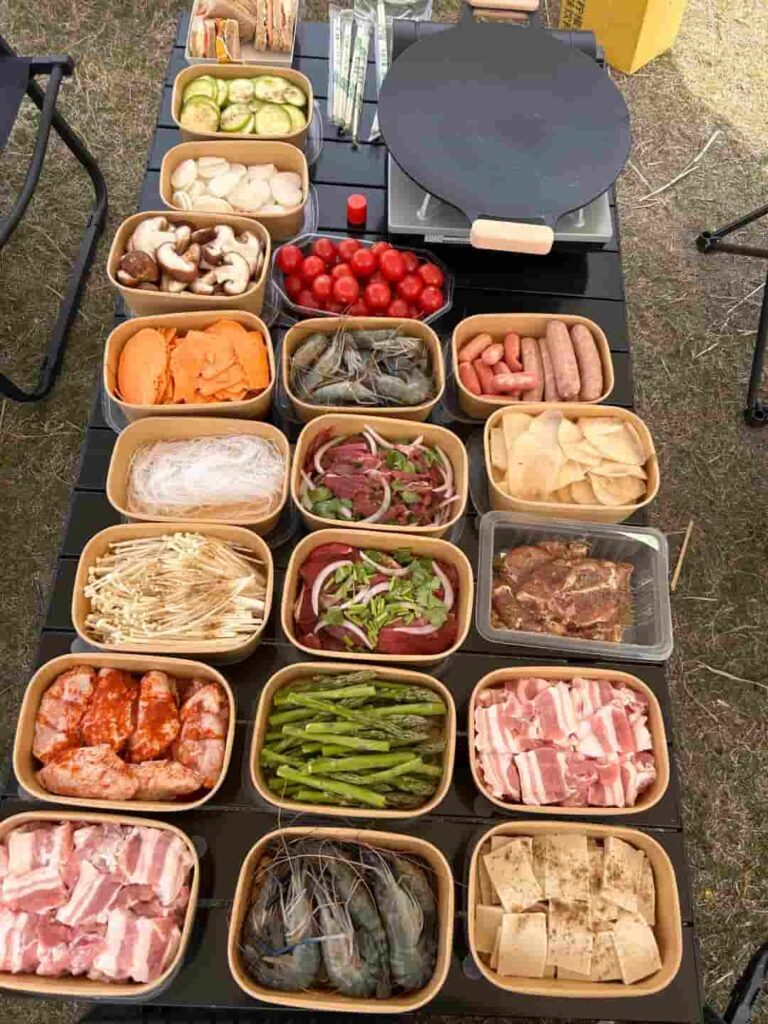
You will be hungry. Like, “see-a-squirrel-and-contemplate-the-recipe” hungry. You need high-energy, lightweight food.
- Caloric Needs: Plan for about 2 pounds of food per day. Focus on carbs for quick energy, protein for muscles, and fats for long-lasting fuel.
- The Plan: Three meals plus a constant stream of snacks.
- Daytime Snacks (The Fun Part): Bars (Clif, KIND), granola, trail mix, nut butter packets, oatmeal packets, beef jerky, tuna packets, hard cheese, dried fruit, electrolyte powders.
- Dinner: This is your reward. Hot meals are a morale booster. Instant noodles, dehydrated meals from Mountain House, Peak Refuel, or Backpacker’s Pantry are stupid-easy. Just add boiling water, wait, and eat from the bag. Cleanup is licking your spork.
- Tips: Avoid canned goods like the plague. They are water-heavy. Mix textures so you don’t get bored. Most importantly, bring food you actually like. Now is not the time to experiment with that “Adzuki Bean & Seaweed Surprise” you found in the back of the pantry.
Trail Etiquette & Safety: Don’t Be That Person

The woods are a shared space. Let’s be good neighbors.
- Leave No Trace: This is the number one rule. Pack out EVERY piece of trash you bring in, including apple cores and peanut shells. Do not feed the wildlife. You’re not Snow White.
- Noise: Keep it down. People are out here to enjoy the quiet. If you must listen to music, use headphones. The trees do not want to hear your dubstep mix.
- Fire: Only have fires where they are explicitly allowed. Use existing fire rings. In dry areas, it’s often prohibited for good reason. Don’t be the person who starts a forest fire because you wanted s’mores.
- Stay on the Damn Trail: Wandering off the path is the easiest way to get lost and contributes to erosion. Check your map frequently.
Safety is Your Responsibility

- Preparation: Research your route. Know where to park, if you need a permit, where the water sources are, and where you’re allowed to camp.
- Check the Weather: But be prepared for it to be completely wrong. Know the temperature range, wind, and elevation changes.
- Tell Someone Your Plans: Text a friend or family member your exact route, where you’re parking, and when you expect to be back. “If I’m not back by Sunday night, send a search party, but maybe wait until after Game of Thrones.”
- Enjoy Nature: This is the whole point! Look for wildlife (from a safe distance), go stargazing, and enjoy the quality time with your friends, your family, or just yourself.
Conclusion
Look at you. You’ve made it. You are now armed with the knowledge to venture into the great outdoors, spend a night under the stars, and return to tell the tale.
You know not to pack cotton, you understand the sacred nature of the sleeping pad, and you will never, ever forget the toilet paper.
It might seem overwhelming now, but once you’re on the trail, with your pack fitted snugly on your hips and nothing but the sound of your own breath and the trail ahead, it will all click.
It’s challenging, sometimes uncomfortable, but infinitely rewarding.
So get your gear, plan your trip, and take that first step.
Have an absolute blast, stay safe, and welcome to the wonderful world of backpacking.
Now go enjoy the outdoors!