I’ve been there. I’ve stood over a fire pit, face smudged with soot, eyes watering from smoke that seems to follow me like a loyal but deeply misguided puppy, wondering why my “gourmet camping meal” now resembles a prop from a post-apocalyptic film.
There’s something primal, deeply satisfying, and borderline magical about cooking over an open fire.
That smoky flavor, the crackle of the logs, the way your hot dog instantly becomes a charcoal briquette if you so much as blink… wait, no, that last part is just me.
Through years of turning perfectly good food into sacrificial offerings to the Fire Gods, I’ve compiled a list of the most common blunders.
Consider this your guide, a map drawn with the tears of my former, more naive self, to help you avoid these pitfalls.
Let’s get into it.
Table of Contents
Section 1: The Pre-Trip Reality Check You Absolutely Need
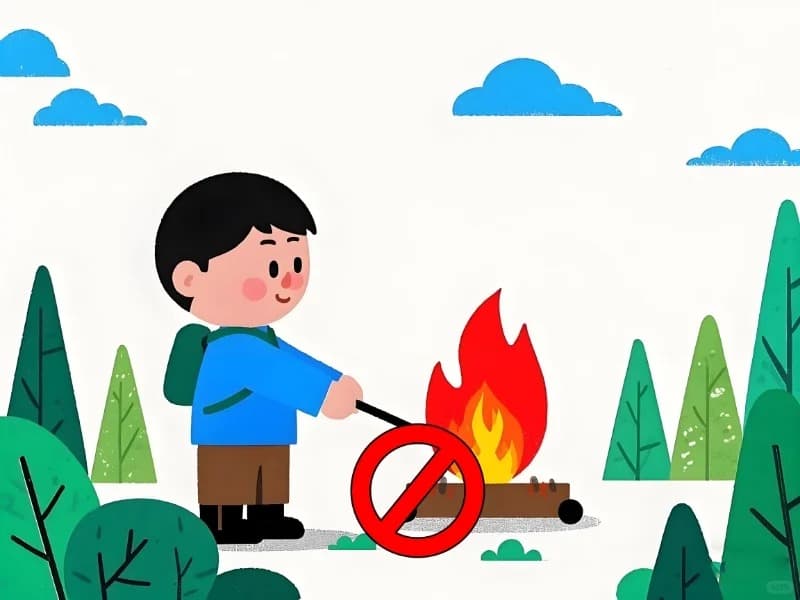
The Mistake: Blissfully ignoring fire restrictions until you’re standing in the woods with a bag of hot dogs and a profound sense of disappointment.
My Tale of Woe: Picture this: I’d planned the ultimate camping trip. The menu was a work of art—foil-packet fajitas, fire-roasted corn, the works.
I’d packed my cooler with the precision of a NASA engineer. I arrived at my chosen dispersed camping spot in the national forest, gathered the perfect kindling, and was just about to perform my ceremonial first-strike of the match when I saw it.
A small, innocuous sign that might as well have been written in flaming letters: FIRE BAN IN EFFECT.
My heart sank. My fajita dreams evaporated. Dinner that night was a profoundly sad affair of clattering a camp stove out of its box and eating a cold tortilla while staring longingly at my perfect, unused fire ring.
It was a culinary tragedy of Shakespearean proportions.
The Explanation: Look, the forest doesn’t care about your meal prep. During dry seasons, areas like National Forests, BLM land, and even established campgrounds will implement fire bans or severe restrictions.
This isn’t a suggestion; it’s a rule designed to prevent you from accidentally becoming the star of a nightly news segment about the 50,000-acre wildfire started by “some idiot with a fajita.”
The Tip: Before you so much as dream about sizzling bacon, open a new tab and Google “[Your camping area] fire restrictions.”
A quick search for “Stanislaus National Forest fire restrictions” or “BLM Colorado fire ban” will give you the official word.
Do this during your trip planning phase, not when you’re already there. Your stomach (and Smokey the Bear) will thank you.
Section 2: Your Kitchen Tools Called. They’re Scared.
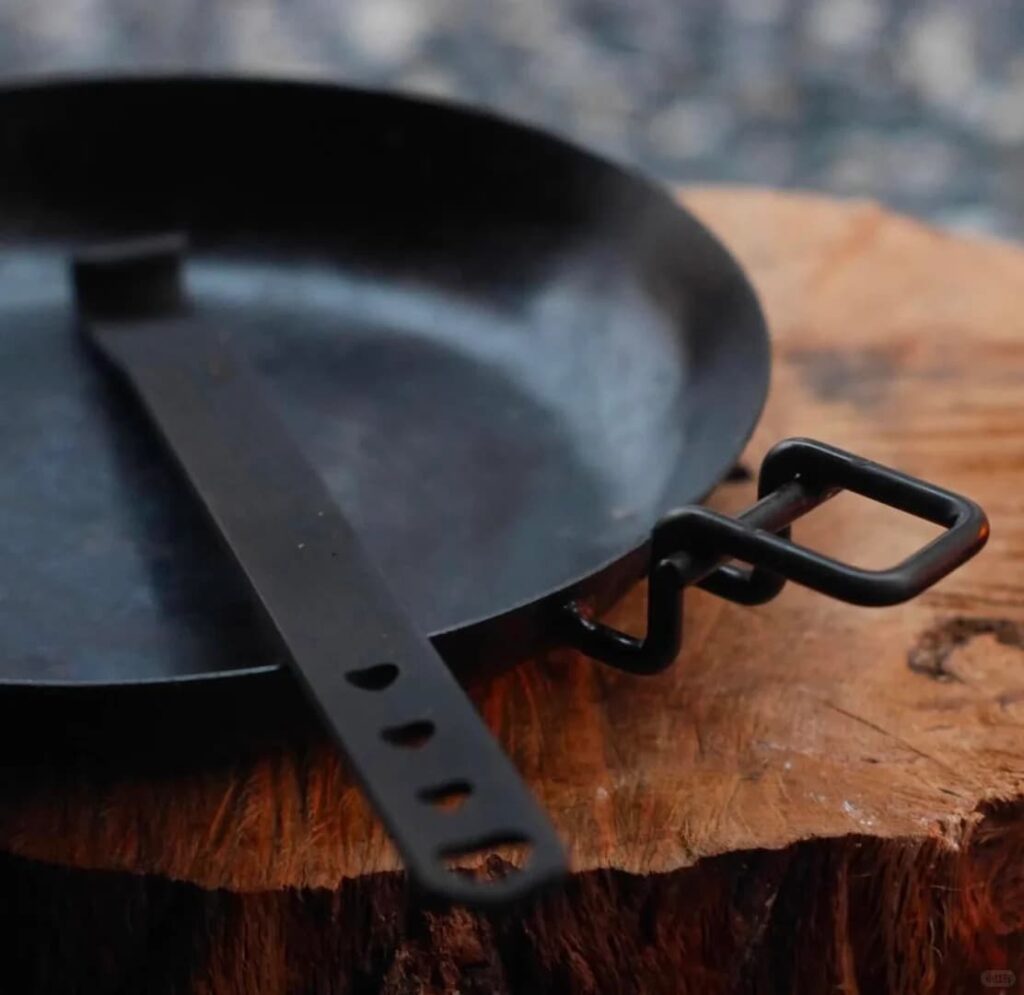
The Mistake: Assuming the non-stick pan you got as a wedding gift is fire-proof. It is not.
I learned this the hard way when I tried to sear a trout in a fancy pan with a rubberized handle.
The trout was… fine. The handle, however, performed a stunning metamorphosis from solid plastic into a molten, dripping work of modern art.
The pan itself warped into a shape that could best be described as “Pringles-chip chic.”
The Recommendations:
- Cast Iron Pans: These are the undisputed champions of campfire cooking. A cast iron skillet is like a loyal dog: it’s tough, versatile, and if you treat it right, it will love you forever. It distributes heat evenly, can go directly onto blazing coals, and can seamlessly transition from searing a steak on the fire to baking a cobbler in the coals. It’s the multi-tool of cookware.
- Stainless Steel Pots: A good, thick-bottomed stainless steel pot is your best friend for boiling water for coffee, rehydrating your backpacking meals, or making a stew. But beware! Check the manufacturer’s specs. Thin, cheap metal will warp faster than a politician’s promise, and those cute plastic handles? They see your fire and think, “This is my chance to become a liquid.”
What to Absolutely Avoid: Anything plastic, silicone, or with sentimental value.
That includes your favorite nylon spatula and that collapsible silicone kettle that seems so convenient.
The fire is a truth-teller, and it will reveal your gear’s weaknesses with brutal honesty.
Section 3: The “Mise en Place” of Not Losing Your Mind

The Mistake: The “Let’s Just Wing It” approach. This involves lighting the fire, then realizing you forgot to chop the onions, the butter is still deep in the cooler, and you have no idea which pot you were going to use for the beans.
Chaos ensues. Smoke inhalation increases. Tempers flare.
I once attempted a “simple” campfire chili. The fire was roaring, the ground beef was browning, and then I realized the onion was still a whole onion, the garlic was still in its papery skin, and the can opener was, inexplicably, back home in a drawer.
The result was a chunky, onion-free, garlic-less beef soup that we charitably called “chili” while weeping softly into our bowls.
Tips for Preparation (a.k.a. How to Be a Campfire Boss):
- Plan Your Meals: Write it down. I don’t care if it’s on a napkin. Know what you’re making for each meal.
- Chop, Measure, and Pre-Prep: Before you even think about matches, chop all your veggies, measure your spices into tiny bags, and if you’re using meat, have it portioned and ready to go. This is called mise en place, which is French for “why is there smoke in my eyes?”
- Delegate Like a CEO: You are the Campfire Captain. Assign tasks. “You, handle the sausages. You, manage the foil-wrapped potatoes. I will stand here and look authoritative while poking the fire with a stick.” Teamwork makes the dream work.
- Clear the Battlefield: Tripping over a root and launching a perfectly good hot dog into the dirt is a specific kind of heartbreak. Clear the area around the fire pit of tripping hazards, loose gear, and small children (just move them, don’t clear them).
- Your Safety Squad: Keep a bucket of water and a shovel right next to the fire pit. Not 20 feet away. Right there. This is non-negotiable. It’s for safety, but it’s also for putting the fire out properly when you’re done.
Section 4: Patience, Young Grasshopper. Patience.

The Mistake: Impatience. The fire is lit! Flames are leaping! It’s time to cook! NO. NO, IT IS NOT.
Cooking over roaring flames is like trying to slow-dance with a tornado. The outside of your food will be charred to a crisp while the inside retains the refreshing chill of the cooler.
I have consumed more “seared-rare” chicken than I care to admit, all in the name of hunger-fueled impatience.
The Explanation: Flames are for drama and light. Coals are for cooking. A bed of hot coals provides consistent, controllable, and prolonged heat.
It’s the difference between a blast furnace and a professional oven.
The Tip: Build your fire and let it burn for a good 30-45 minutes. Feed it smaller pieces of wood gradually.
Let it rage, then let it settle. When you have a glowing bed of hot embers and coals, that’s your green light. You can then spread them out for a wider cooking surface or pile them up for more intense heat.
Wait for the coals. Your taste buds will reward you.
Section 5: It’s Getting Hot in Here: A Guide to Heat Zones

The Mistake: Treating all fire heat as the same angry, licking monster.
For years, I had two settings: “Volcano” and “Off.” This is why all my campfire eggs had the texture of a car tire and the flavor of regret.
The Two Flavors of Fire:
- Direct Heat: This is when your food is directly over the flames or a dense pile of coals. It’s the aggressive, high-fiving bro of heats. Use it for: boiling water for your morning coffee, searing a steak to get a good crust, or quickly cooking a hot dog.
- Indirect Heat: This is the cooler, more sophisticated cousin. You move your cookware slightly off to the side, away from the main concentration of coals, or you use a grill grate that can be raised. This is a gentler, radiating heat. Use it for: cooking eggs, roasting vegetables, simmering a stew, or gently toasting a piece of bread. It’s for when you want things to cook through without being incinerated.
The Tip: Your fire is a dynamic thing. Move your pots and pans around! If something is cooking too fast, slide it to the edge.
If it’s not cooking fast enough, nudge it closer to the coals. Add a new log to one side to create a fresh direct heat zone for later.
It’s a dance, and practice makes you less likely to burn your partner’s feet.
My Go-To Example: Breakfast. I get my coffee water boiling right over the hottest coals (Direct Heat). Meanwhile, my cast iron skillet is off to the side, preheating over a thinner spread of coals (Indirect Heat).
I throw the sausages on there to cook through gently. Once the coffee is done, I move the now-screaming-hot skillet directly over the fresh coals to give the sausages a final sear.
Then, I wipe the pan out, move it back to indirect heat, and cook my eggs to perfect, non-rubbery perfection. It’s a symphony of heat management.
Section 6: Stop Guessing. Just Stop It.

The Mistake: The “I’m a rugged outdoorsperson, I can tell by looking/feeling/poking” method of checking if meat is done.
Let me tell you a story about the “Perfectly Pink” pork chop incident of 2018. It looked done on the outside. It felt firm.
My camping buddy, let’s call him “Gastrointestinal Greg” for anonymity, spent the next 24 hours in a very intimate relationship with his sleeping bag and a roll of toilet paper.
We were not rugged; we were reckless.
The Tip: For the love of all that is holy, pack an inexpensive meat thermometer. They are small, lightweight, and cost less than a bag of marshmallows.
Stick it in the thickest part of the meat. Chicken should be 165°F, pork 145°F, burgers 160°F, and steaks to your preferred level of doneness.
The Benefit: You will never, ever give yourself or your friends food poisoning in the woods again.
It is the single easiest way to level up your campfire cooking from “questionable” to “confidently delicious.”
Section 7: Ouch! A Primer for the Clumsy Camper

The Mistake: Believing your invincibility is higher than your intelligence.
I have the grace of a newborn giraffe on ice skates. I have burned myself on a cool-looking rock that was, in fact, not cool.
I have sliced my finger while trying to open a package of beef jerky with a key.
I am a walking, talking lesson in why preparation is key.
Tips for the Accident-Prone (like me):
- Get Trained: A basic first aid or wilderness first responder course is invaluable. It teaches you how to handle everything from a minor burn to a major spill. It’s the best insurance policy you can get for the outdoors.
- Know Your Kit: Having a well-stocked med kit is one thing. Knowing what’s in it and where it is is another. In a panic, you don’t want to be the person frantically throwing band-aids and moleskin everywhere while searching for the burn cream.
- The Right Tools for the Job:
- Fire-Resistant Gloves: These are not optional accessories. They are hand-savers. Use them for moving hot logs, adjusting grill grates, or grabbing a hot handle.
- Long Metal Tongs: Your goal is to keep your fleshy, burnable parts as far from the heat as possible. Long tongs are your arm’s best friend.
- Respect the Heat: Remember, gloves have limits. Just because you’re wearing a glove doesn’t mean you can grab a cast iron skillet that’s been in the coals for an hour and hold it indefinitely. Embers can also pop out and land on your synthetic hiking pants, melting a perfect little hole. Be aware!
Section 8: Don’t Be a Statistic: General Fire Safety

This section is less humorous because, well, it’s serious. But I’ll try to keep it light.
- Keep Your Workspace Tidy: A cluttered camp is a dangerous camp. Keep gear, food bags, and flammable stuff well away from the fire pit’s splash zone.
- Eyes on the Prize: A fire should never be left unattended. Not for “just a second” to get more beer. Not to chase that really cool squirrel. The person cooking is the Fire Warden. Their job is to monitor the flames and coals constantly.
- Teach Your Campers: Make sure everyone in your group knows the basic rules: don’t run near the fire, always assume metal parts are hot, and everyone should know where the water bucket and first aid kit are located. A brief, 30-second safety chat upon arrival can prevent a world of hurt.
Conclusion
Campfire cooking is one of life’s greatest simple pleasures. It connects us to the elements, to our food, and to each other.
It doesn’t have to be perfect, but with these tips, it can be safe, efficient, and overwhelmingly delicious.
Now get out there, practice these skills, and make some amazing meals—and even better memories.
Just maybe don’t try to flambé anything on your first go. Trust me on that one.