Bee Attack Escape Plan: 9 Steps to Survival in Aggressive Swarms

Spread the love

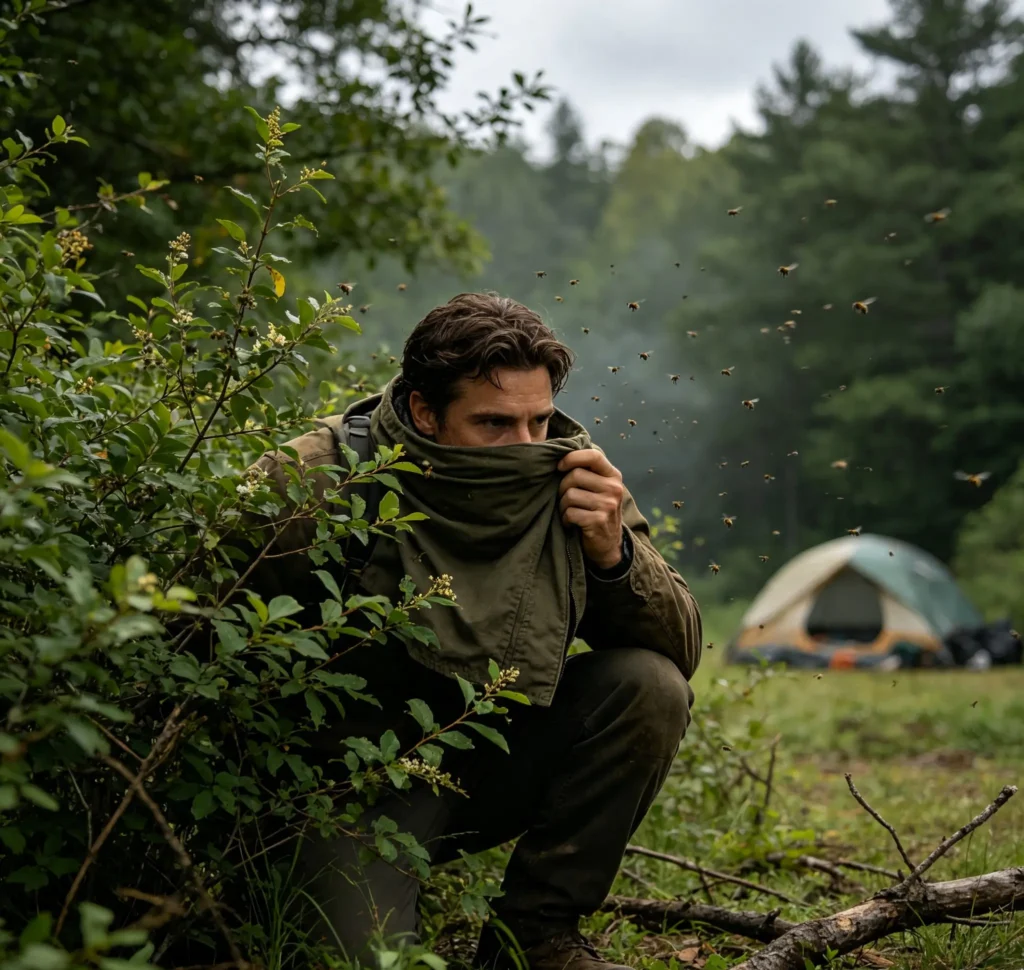
You are hiking through the wilderness. The trail is peaceful. The sun is warm. Then you hear it. A low, angry buzz. It gets louder. You see a dark cloud approaching. Bees. Hundreds of them. They are aggressive.

Panic sets in. Your heart races. Your mind scrambles. What do you do? Do you run? Do you swat? Do you stand still?

Most people get this wrong. They make the wrong decisions. They get stung dozens of times. Some people die. You need to know the right steps. You need to act fast. Here is how to survive a bee attack.

Table of Contents

#1. Run Immediately

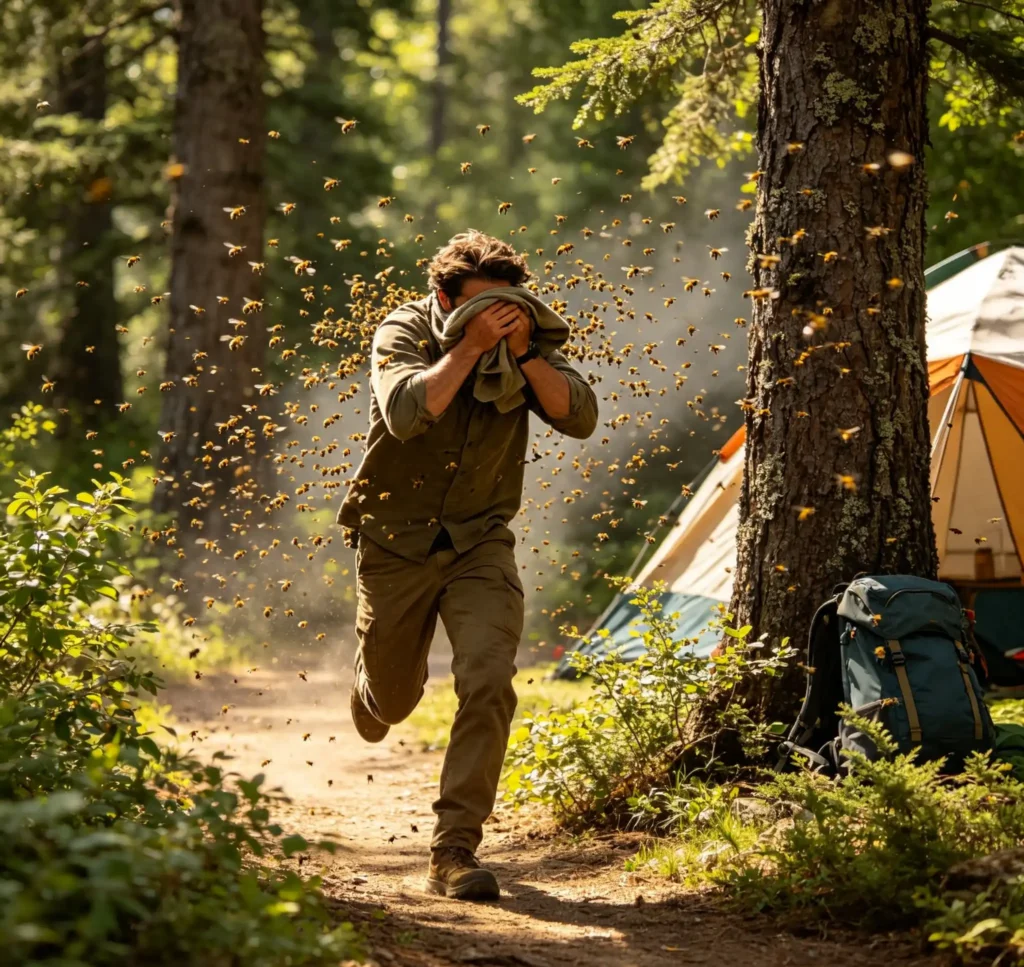
This is your first and most important action. Do not hesitate. Do not swat. Do not stand still. Run as fast as you can.

Bees target movement. They track you visually. They also detect your exhaled carbon dioxide. If you stand still, they find you easily.

Running takes you away from the nest. It gets you out of their territory. It reduces the number of pursuing bees. Start running right away. Do not waste a single second.

#2. Cover Your Face with Anything

Your face is the most vulnerable area. It is also the most sensitive. A sting on your eye is extremely dangerous. A sting in your mouth or nose can block your airway.

Cover your face immediately. Use your hands if you have nothing else. Pull your shirt collar over your nose and mouth. Use a bandana. Use a hat. Use your backpack to shield your head.

Protecting your eyes, nose, and mouth is critical. These areas have thinner skin. They are more sensitive. They can swell dangerously. Cover them at all costs.

#3. Run into Thick Brush or Dense Vegetation

Bees are experts in open air. They track you in clear spaces. They follow you across fields and trails. But they struggle in thick vegetation.

Run into dense brush. Enter a tangle of branches. Get into a patch of tall bushes. The leaves and sticks confuse them. They lose visual tracking.

The shadows and obstacles break their line of sight. They cannot follow you as easily. Use the environment to your advantage. Find thick cover immediately.

#4. Zigzag Through Trees and Bushes

Straight lines are predictable. Bees anticipate your path. They fly directly ahead of you. They intercept your route.

Zigzagging changes everything. Change direction frequently. Run between trees. Cut through bushes. Take sharp turns. Make sudden changes in direction.

This confuses the swarm. They cannot predict your next move. They lose your trail. You buy precious time. You create distance between you and the bees.

#5. Do Not Jump into Water

This is a common mistake. People think water offers safety. They jump into a lake or stream. They think the bees will leave.

They are wrong. Bees will wait. They hover above the water. They watch for you to surface. They can remain there for hours. They are incredibly patient.

You cannot hold your breath that long. You will have to come up for air. The bees will be waiting. They will sting you then. Stay on land. Keep running.

#6. Do Not Remove Any Clothing

You are running. You are sweating. You want to strip off your outer layers. You think it will help you move faster. This is a big mistake.

Your clothes are a barrier. They protect your skin. They stop stingers from reaching you. Removing them exposes you to more stings.

Keep everything on. Keep your shirt buttoned. Keep your jacket zipped. Keep your hat on your head. Your clothing is your armor. Use it.

#7. Once in Shelter, Check for Stings

You have escaped the swarm. You are safe for the moment. Now you need to assess yourself. Check your body carefully.

Look for embedded stingers. They look like tiny black dots. They may have a small sac attached. That sac contains more venom. You need to remove them.

Scrape the stinger sideways. Use a credit card. Use the edge of a knife. Use your fingernail. Scrape it off. Do not use tweezers. Squeezing injects more venom. Remove them carefully.

#8. After Escaping, Move at Least a Quarter Mile Away

You escaped the immediate swarm. You think you are safe. But guard bees may still be active. They defend their territory. They may chase you again.

Move at least a quarter mile away. Put real distance between you and the nest. Do not stop too soon.

If you are near your camp, relocate. If you are on a trail, change your route. The bees will defend the area for hours. Give them plenty of space.

#9. If Allergic, Use Your EpiPen Immediately

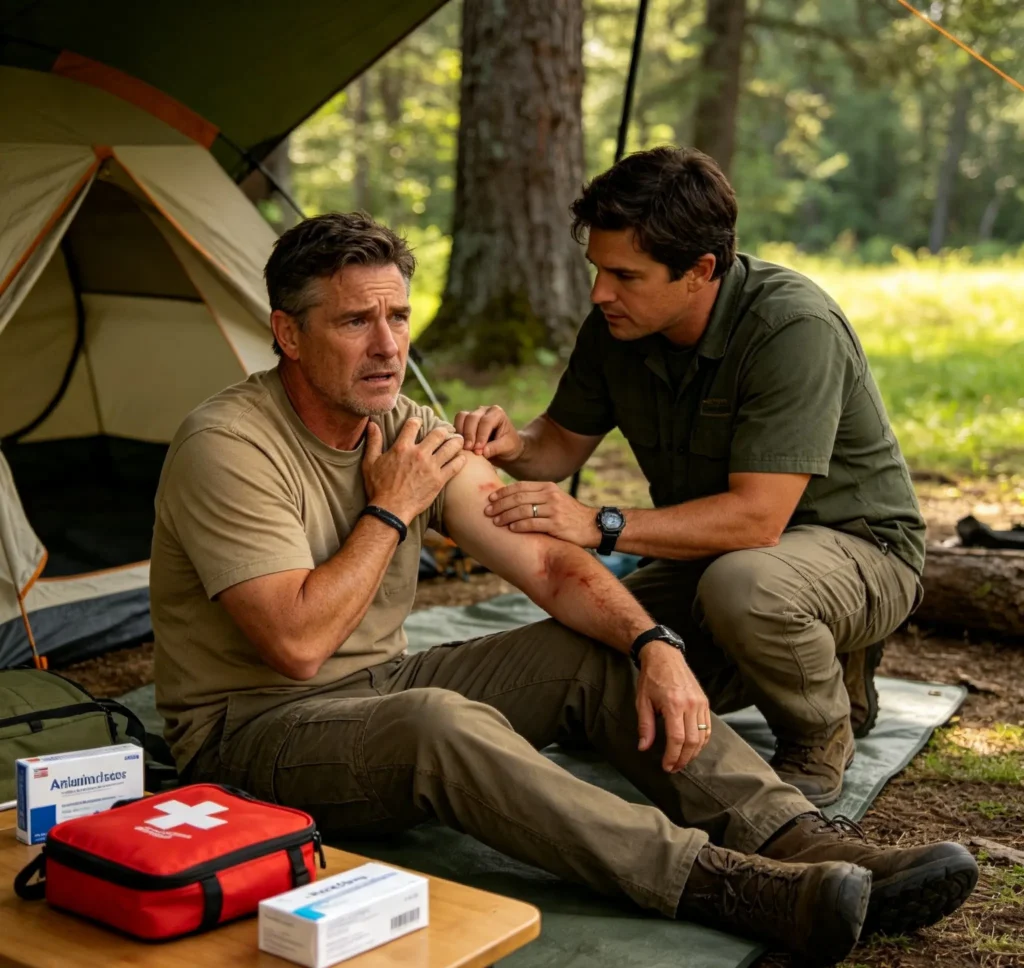
Some people are allergic to bee stings. They go into anaphylactic shock. This is life-threatening. You need to act fast.

If you carry an EpiPen, use it immediately after a sting. Do not wait for symptoms. Do not hesitate. Inject it right away.

Then seek medical help. Even if you feel fine initially. Allergic reactions can be delayed. Go to a hospital. Get professional medical care. Your life may depend on it.

Conclusion

Bee attacks are terrifying. They happen fast. You have seconds to react. Run immediately. Do not swat. Do not stand still. Cover your face with anything. Enter thick brush or dense vegetation. Zigzag through trees and bushes. Do not jump into water. Never remove clothing. Check for stings once safe. Remove stingers by scraping sideways. Move a quarter mile away. If allergic, use your EpiPen immediately.

These steps save lives. They give you the best chance of survival. Practice them mentally. Know them by heart. Share them with your hiking partners. A bee attack is a true emergency. Be prepared. Stay calm. Act fast. Your safety depends on it.

Leave a Comment

Your email address will not be published. Required fields are marked *

Scroll to Top