15 Long-Term Survival Planning Hacks for the Wilderness

Spread the love

My first foray into “long-term wilderness living” lasted about 36 hours.

I’d watched the documentaries, bought the tactical pants, and pictured myself as a stoic, beard-growing mountain philosopher.

Reality? By hour six, I was arguing with a squirrel over an acorn.

By hour twenty, my “shelter” was a glorified pile of sticks that channeled rain directly onto my sleeping bag.

I was cold, hungry, and had the distinct feeling the forest was laughing at me.

I’ve since learned—through a series of humbling misadventures—that long-term survival isn’t about epic Bear Grylls moments.

It’s less “fighting the wild” and more “setting up a stubborn, sustainable roommate agreement with Nature.”

Here are the planning hacks that transitioned me from a damp, shivering novice to someone who can at least plan to be comfortably damp and well-fed.

Table of Contents

1. Water: Your Non-Negotiable Liquid Boss

The Hack: Prioritize sources and purification like your life depends on it (because it does). Don’t just find water once; know where it is always.

My “Learning Experience”: I once spent a glorious afternoon by a beautiful, babbling brook. I made camp, drank deeply, felt at one with the earth.

By midnight, I was… let’s say, intimately acquainted with every root and rock within a 50-foot radius of my shelter.

Giardia is not a spiritual experience. I had water, but it wasn’t safe water.

Now, my first task in any new zone is water triage: Find a primary source (a fast-moving stream, a spring head).

Establish a backup (another stream, a rainwater catchment site). Have a purification system, not just a method.

Boiling is great, but fuel-intensive. A filter is brilliant, but can clog. I carry iodine tabs as a last-resort backup.

Your water plan should have more redundancy than a politician’s promises.

The goal is to never have to think, “Huh, I’m kinda thirsty,” because you’ve already drunk from your clean, full canteen.

2. Shelter: Real Estate is Everything, Even in the Apocalypse

The Hack: Build a durable, well-positioned shelter early. Not when you’re tired. Not at dusk. Immediately.

My Catastrophe: See: “glorified pile of sticks,” above. I built for aesthetics, not utility. It was cute. It was also a wind tunnel on a slight slope that became a mudslide.

I spent more energy shivering and bailing water than I did on any other task.

The rules are simple, yet I break them at my peril:

  • High & Dry: Not in a valley, not on an animal trail, not under dead trees (I call these “Widowmakers” for a fun, morbid reason).
  • Near Resources: Close to water and firewood, but not so close that rising water or falling embers become an issue.
  • Drainage, Drainage, Drainage: Dig a small trench around your site if you have to. A dry bum is a happy bum.

A good shelter isn’t just a roof; it’s your fortress, your warehouse, your psychological bedrock. Build it first, build it right, and then improve it slowly.

It’s your base of operations against the world.

3. Gear Maintenance: The Gospel of Duct Tape and Prayer

The Hack: Maintain and repair your gear. Forget the $500 knife; worship the $2 roll of duct tape.

My Epiphany: I watched the handle of my prized, expensive hatchet work itself loose. I had no way to fix it.

I spent two days trying to carve a new handle with a inferior knife, resulting in a useless stick and a thumb I’m still surprised I didn’t lose.

My buddy, meanwhile, used a strip of inner tube and some pine pitch to re-secure his cheap hatchet in ten minutes.

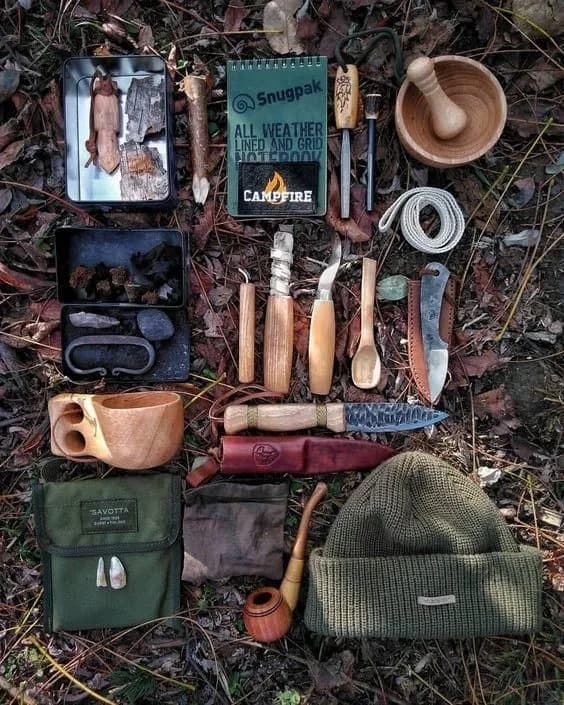
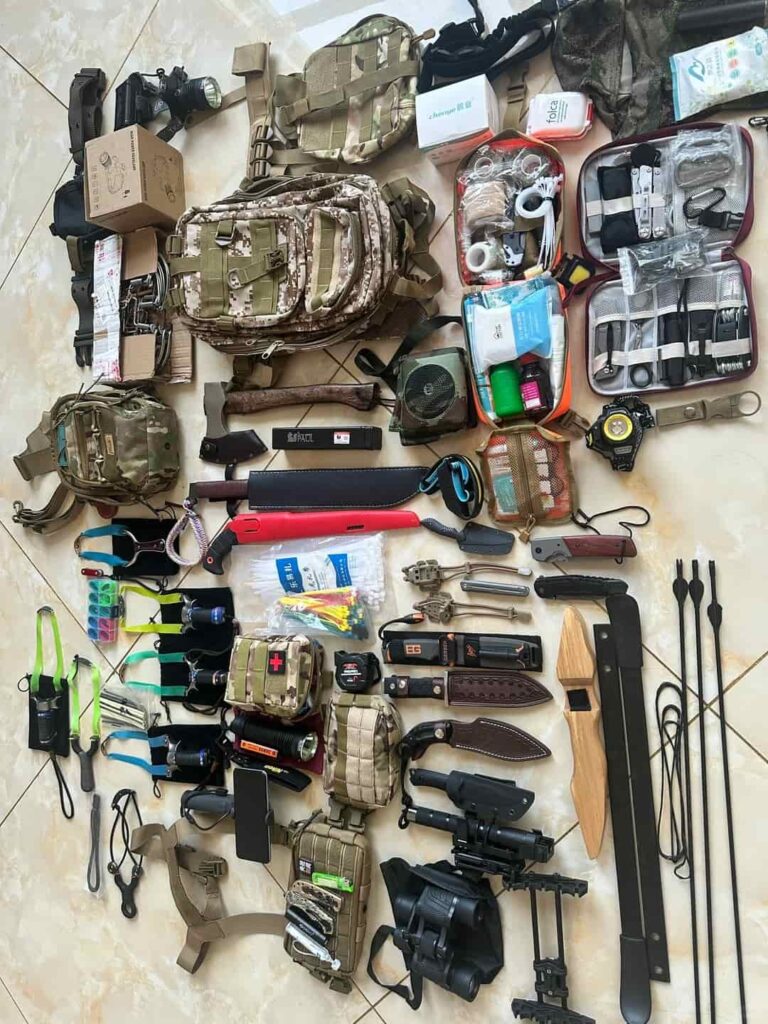
Your kit should now include: Duct tape (wrapped around a water bottle), 550 paracord (its inner strands are thread), a sturdy needle, a multi-tool with pliers, and super glue.

Long-term survival is the story of things breaking. You are the chief repair technician of your own slowly deteriorating civilization.

A patched tarp, a re-wrapped handle, a re-stitched pack strap—these are your victories.

4. Cordage: The String That Ties Your World Together

The Hack: Learn natural cordage and essential knots. Your shoelaces won’t save you forever.

My Frustration: I needed to lash a ridgepole. My paracord was elsewhere. “I’ve seen the videos!” I thought, “I’ll use bark!”

Two hours of shredded fingers later, I had a six-inch piece of weak, crumbly “string” and a profound respect for our ancestors.

Start with the easy stuff: Inner bark of cedar, basswood, or elm. Nettle stalks. Even the long roots from spruce trees.

Practice the reverse-wrap method until your hands do it in their sleep.

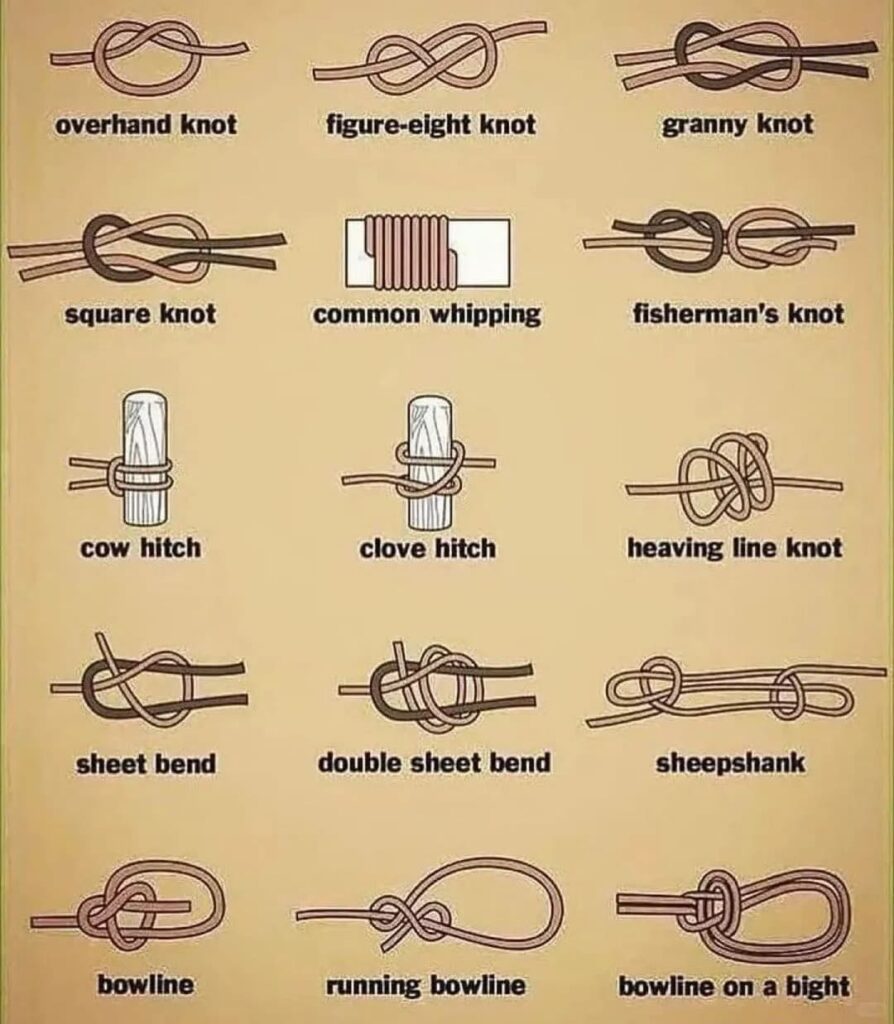
And knots! Master these three: the Bowline (makes a fixed loop that won’t slip), the Taut-Line Hitch (for adjustable guylines on shelters), and the Square Lashing (for building structures).

This knowledge is literally what holds your world together.

5. Food: Don’t Put All Your Eggs in One Empty Basket

The Hack: Diversify. You are not just a gatherer, or a hunter, or a fisherman. You are a opportunistic omnivorous scavenger. Act like one.

My Hungry Lesson: I found a patch of delicious wild onions. I ate wild onions for three days. I dreamed of wild onions.

My body began to… protest this mono-diet. Variety isn’t just the spice of life; it’s the protein, vitamins, and calories of life.

Your food strategy is a pyramid:

  • Base: Foraging. Know 5-10 absolutely unmistakable, calorie-rich edibles in your region (cattails, acorns after leaching, dandelion, berries you are 110% on).
  • Middle: Fishing/Trapping. Passive calorie gain. Set simple figure-4 deadfalls or snares for small game. Leave them, check them twice a day. Fish with gorge hooks or weirs. This is efficiency.
  • Apex: Hunting. Active, high-calorie, high-risk (in terms of energy expended). Only when other systems are in place.

Put all your hope in one technique, and you’ll starve waiting for the big kill.

6. Food Preservation: Defeating the Clock

The Hack: Preserve surplus. A week of good foraging can vanish in a day of rot.

My Stinky Failure: I caught three fish! A feast! I ate one, and left the other two “for tomorrow.”

Tomorrow, they were a science experiment hosted by flies. I’d wasted calories catching them, and now gained nothing.

Learn these methods:

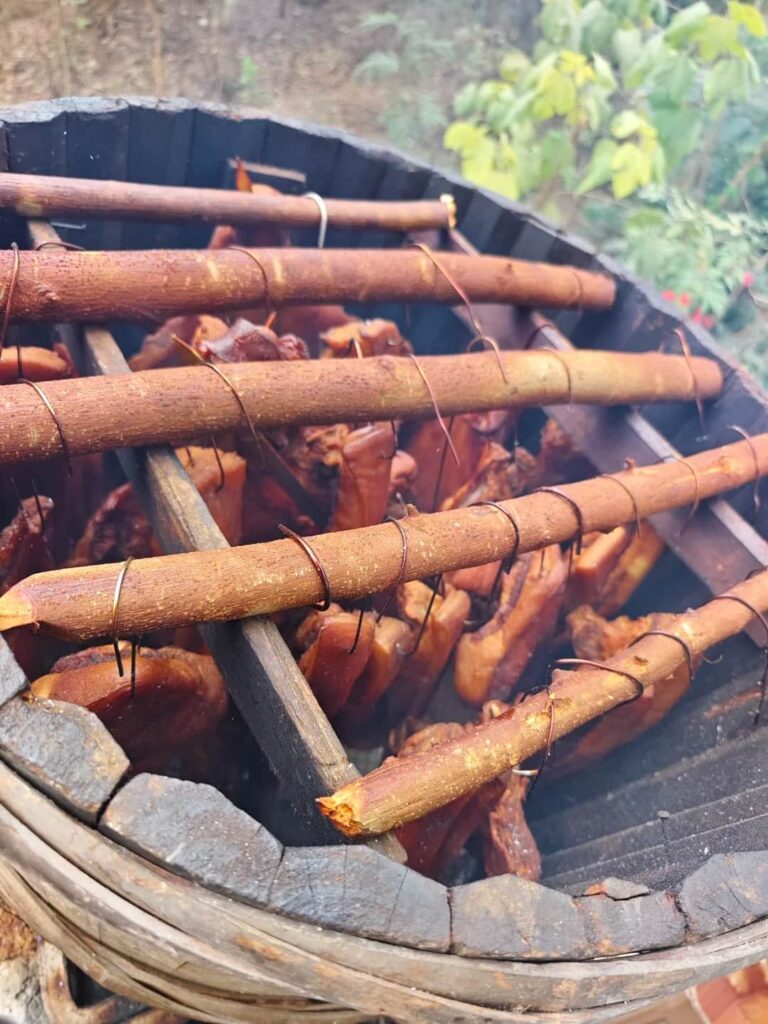
  • Drying/Smoking: Build a simple rack over a low, smoky fire. This is for meat and fish.
  • Air-Drying: For fruits, some fungi, and greens.
  • Cool Storage: A north-facing pit, or a container submerged in a cold spring, can buy you days.

The mindset shift is crucial: Surplus isn’t for gorging; it’s for saving.

The first berry you dry is the first step off the desperate, daily hamster wheel of food procurement.

7. Energy Conservation: The Art of Strategic Laziness

The Hack: Don’t overwork in a caloric deficit. Your energy is your most precious fuel. Spend it wisely.

My Dramatic Burnout: On Day 2 of a trip, feeling pumped, I decided to drag ALL the firewood. I built a wood pile that could survive a nuclear winter.

I then spent the next 36 hours exhausted, nursing blisters, and barely able to boil water.

I’d traded a day’s calories for a week’s worth of wood I didn’t need yet.

Ask before any task: Does this directly get me water, food, shelter, or security?

If not, don’t do it now. Sit down. Sharpen your knife. Plan. Observe. In survival, the laziest solution that works is often the most brilliant. Be a calorie miser.

8. Mental Grounding: Your Brain is the First Thing to Go

The Hack: Establish routines and purpose. A structured mind is a resilient mind.

My Descent into Madness: Around Day 5 of a solo trip, time started to blur.

I’d wake at odd hours, putter aimlessly, talk to rocks. I was physically okay but mentally unraveling.

I instituted The Routine:

  • Morning: Water fetch, fire stoke, light foraging.
  • Midday: Main project (shelter improvement, trap checks).
  • Afternoon: Resource gathering (wood, cordage material).
  • Evening: Cook, eat, plan the next day by firelight.

I also gave myself a “project”—weaving a basket, carving a spoon. It created purpose. The wilderness amplifies your inner state.

If you bring chaos, you’ll live in chaos. Bring order.

9. First Aid & Hygiene: The Glamour-Free Front Line

The Hack: Prevent the small thing from becoming the big thing. An infected scratch can be a death sentence.

My Ignorance: I got a small cut. I rinsed it in the stream. It got red, then angry, then painful.

What should have been a non-event became a draining, feverish ordeal I had to treat with poultices I was desperately reading about.

Your hygiene protocol is sacred:

  • Wash Your Hands (with ash if no soap) before handling food or treating wounds.
  • Treat Every Wound immediately: clean, disinfect (boiled water, iodine), cover.
  • Dental Hygiene: Use a chewed green stick (frayed end as a brush). A toothache in the wild is a unique form of torture.

Carry a small kit: gauze, medical tape, antiseptic wipes, a good needle (for splinters), tweezers, and butterfly closures.

This isn’t drama; it’s plumbing. You’re just maintaining the organism.

10. Navigation: Don’t Get Technologically Lonely

The Hack: Use map, compass, and natural cues. GPS is a guest, not a resident, in your brain.

My Panic: My phone died. My backup battery was dead. The trail looked different going back. That cold, creeping feeling of being lost is worse than any hunger.

I eventually found my way by following a stream downstream (a basic rule), but the panic cost me a day’s energy.

Learn these fundamentals:

  • Actually learn to read a topographic map. Contour lines tell you where the water, cliffs, and valleys are.
  • Take a bearing with a compass from your camp to the water source, and back. Practice until it’s muscle memory.
  • Use the sun and stars. Know that the North Star (Polaris) is at the end of the Little Dipper’s handle.
  • Mark your trails subtly—a stacked cairn, a broken branch at eye level. Your future, tired self will thank you.

11. Seasonal Savvy: Don’t Let the Sky Surprise You

The Hack: Plan for weather variability before it changes. You’re not a tourist; you’re a resident.

My Summer Shock: I’d built a beautiful, airy, open shelter for a summer trip. Then a freak cold front brought near-freezing rain for two nights.

I spent them in a shivering, miserable ball, learning about conduction and regret.

Study the patterns before you go. In summer, think shade and water access. In shoulder seasons, think insulation and wind protection.

Always have a storm-ready mode for your shelter—a way to quickly lower a tarp, block wind, or create a rain canopy. Adaptability is resilience.

12. The Strategic Hoard: Squirrel Mentality

The Hack: Gather and store resources in times of plenty.

My Aha! Moment: After a dry, windy day, I casually gathered an armful of beautiful, dry tinder and birch bark and stuffed it in a dry nook under a rock.

The next morning, a dew-soaked world greeted me. My fire started in one match while everything else wept moisture. I felt like a genius.

Designate a dry storage spot in your shelter or camp. When you’re out gathering, always bring back a little extra:

  • Dry tinder (birch bark, cedar shavings, fatwood).
  • Dry kindling (stored off the ground).
  • Finished cordage.
  • Useful stones (for a hearth, hammerstones).

You’re building a buffer against bad days. A stocked larder isn’t just food; it’s everything you use.

13. Redundancy: The “Oh Crap” Insurance Policy

The Hack: Have backups for your critical systems. One is none. Two is one.

My Single Point of Failure: My one and only metal water bottle fell into the fire and melted.

Suddenly, I was boiling water in a… leaf? It was pathetic. I had to make a bark container, which took hours.

Critical backups:

  • Water purification (filter + boiling pot + tablets).
  • Fire starting (ferro rod + lighter + traditional bow drill kit you’ve practiced).
  • Cutting tools (knife + folding saw + sharp stone).
  • Water carriage (bottle + canteen + the capacity to make a bark pot).

This isn’t paranoia; it’s architecture. Systems fail. Your plan should account for that.

14. Become a Local: Observe, Don’t Just Occupy

The Hack: Learn the specific language of your specific patch of woods.

My Rude Awakening: I applied “general” wilderness knowledge to a specific mountain. The edible plants were different.

The animal signs told a story I couldn’t read. The weather came from a different direction. I was a clumsy tourist.

Spend the first part of any long-term stay watching.

  • Where do the deer travel at dawn?
  • Which slopes get sun first?
  • Where do the birds congregate? (Often near water or berry patches).
  • How does the water level in your stream change after rain?

This isn’t downtime; it’s the most important intelligence gathering you can do. You’re learning the rules of the house you’re living in.

15. Sustainable Use: Be a Good Tenant

The Hack: Minimize impact and use resources responsibly. You may need this place—or someone else might after you.

My Shameful Clearcut: In one early camp, I stripped every dry branch from a small stand of trees for firewood.

By week two, I had to haul wood from farther and farther away. I’d killed my own golden goose and made an eyesore.

Practice the old hunter-gatherer rule: Take only what you need, and use all that you take.

  • Disturb as little as possible. Don’t blaze trees; use trail markers.
  • Harvest plants thoughtfully. Don’t take all the cattails from one pond.
  • Scatter your fire site and naturalize your shelter when you leave.

This isn’t just lofty ethics; it’s practical long-term thinking. It keeps your environment productive and your conscience clean.

Final Thoughts

Long-term survival planning is profoundly unglamorous. It’s not about the heroic snare catch or the flashy shelter.

It’s about the relentless, daily dedication to the fundamentals: clean water, dry shelter, managed energy, and a calm mind.

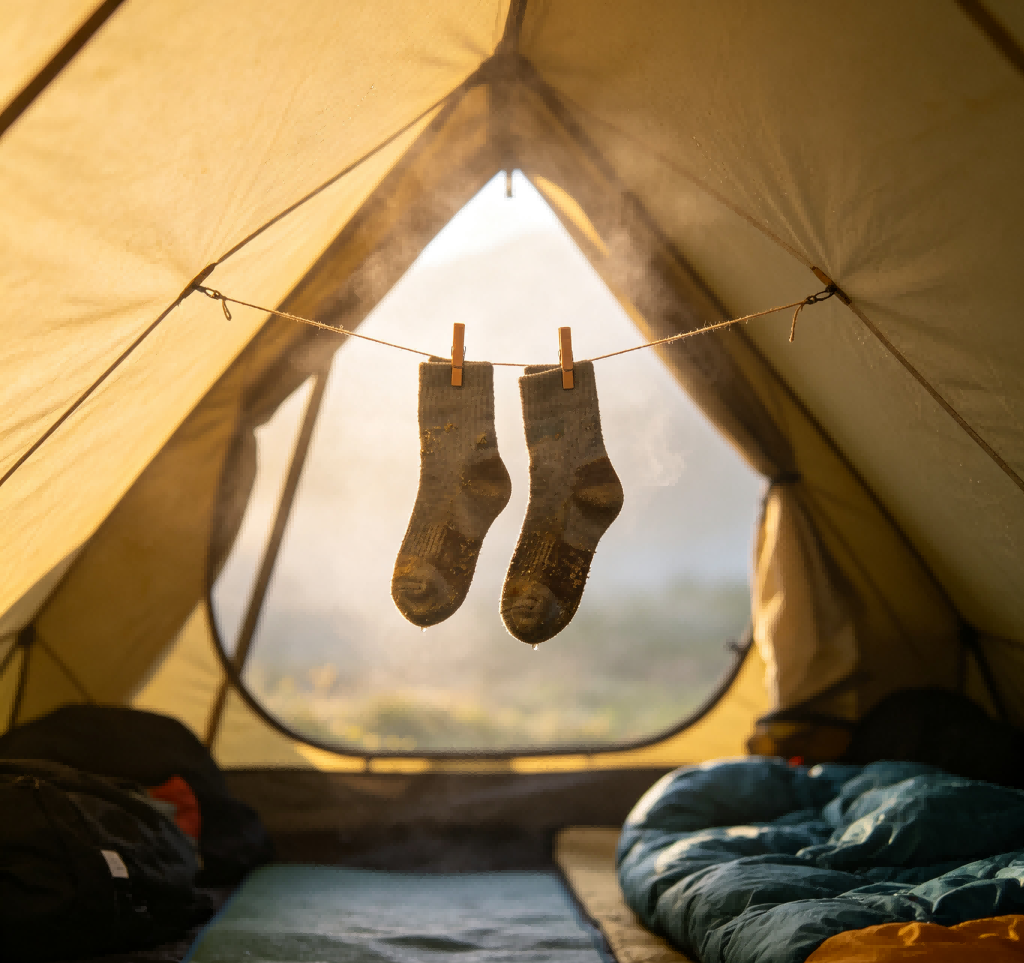
It’s about repairing your sock instead of complaining about the hole. It’s about storing that extra tinder even though you’re tired.

It’s about watching the clouds instead of just feeling the rain.

These hacks are the slow, steady drumbeat that keeps you alive, sane, and eventually, even comfortable in the arms of the wild.

It’s the difference between surviving as a frantic visitor and living as a stubborn, respectful, and slightly smarter resident of the woods.

Leave a Comment

Your email address will not be published. Required fields are marked *

Scroll to Top