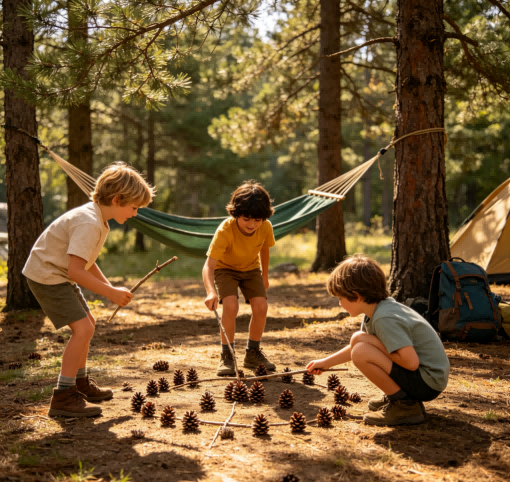
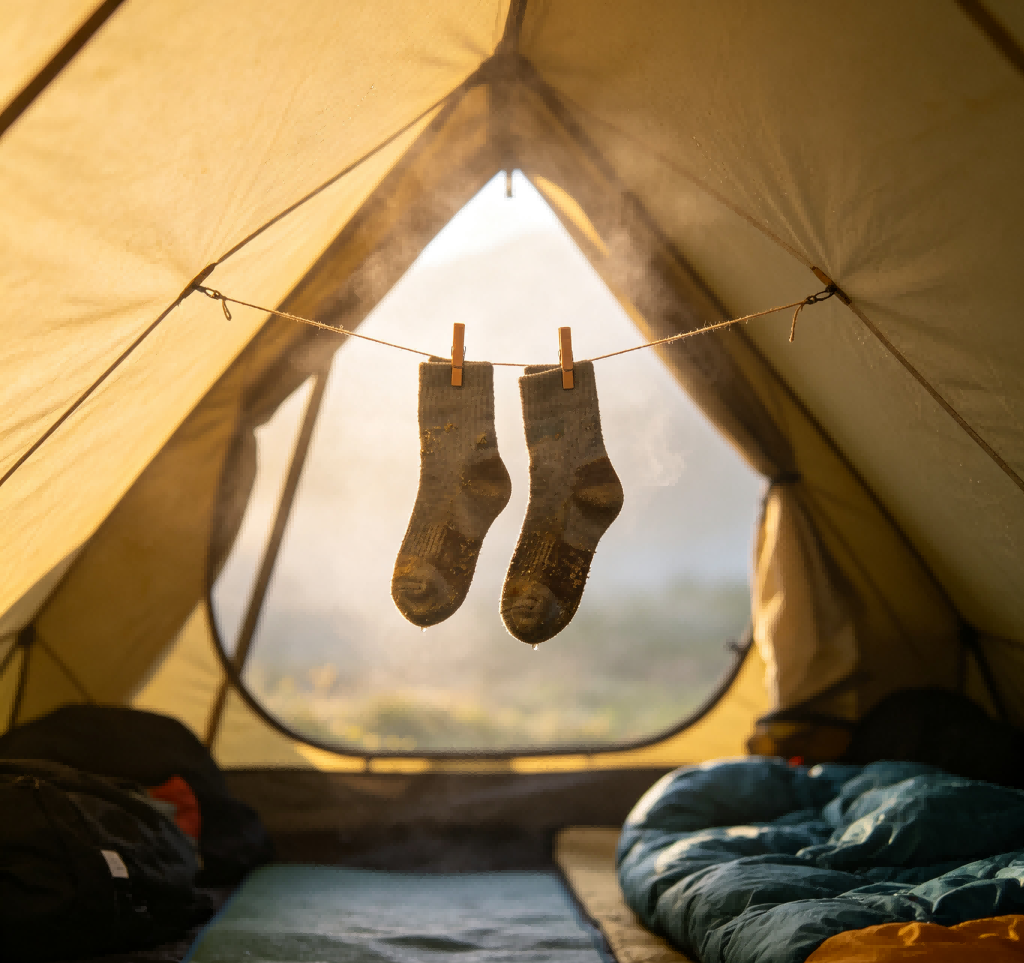
11 Family Camping Ideas Everyone Will Enjoy

Spread the love

Let’s be honest: taking the whole crew into the woods can feel less like a “vacation” and more like a “logistics operation in the mud.”

The car is packed to the brim. Someone forgot their favorite stuffed animal. The sky looks suspiciously gray. And suddenly, the peaceful vision of roasting marshmallows is replaced by the very real sound of small humans arguing over who gets to hold the flashlight.

But here is the secret. It doesn’t have to be this way.

Camping with kids is actually possible. It can even be fun. With the right strategy, you can move past the stress of packing and actually enjoy the sound of wind in the trees (instead of just the sound of “Are we there yet?”).

Here are eleven ideas to transform your family camping trip from a survival exercise into a genuine adventure.

Table of Contents

1. Host a "Backyard Dress Rehearsal"

The wilderness is a big step. Jumping straight into it with kids is a recipe for chaos.

Instead, start small. Pitch the tent in the backyard on a random Saturday.

This is genius for several reasons. First, it helps kids get used to the sounds of the night. A creaky tree branch in the backyard is less scary than a creaky tree branch miles from home. Second, it ensures you actually remember how to put the poles together without an audience of judgmental squirrels.

Let the kids “sleep” out there for a few hours. They can run inside if they get scared. You can test your gear. You will discover the missing tent stakes before you really need them.

Plus, it builds excitement. The backyard becomes a launching pad for the real thing. And if everything goes wrong? The refrigerator is only fifty feet away.

2. Pick a "Full-Service" Campground

For the first few trips, forget “remote wilderness.” That is a goal for later. Right now, you need help.

Look for sites with “amenities.” This is not cheating. This is strategic parenting.

A campground with a real bathroom changes everything. Flushing toilets and running water prevent a lot of meltdowns. A playground nearby gives kids a place to burn energy while you set up camp. A swimming hole or a beach provides hours of free entertainment.

Having these resources can be the difference between a fun adventure and a mutiny.

Think of it as training wheels. You are learning the ropes. The kids are learning to love camping. Once everyone has mastered the basics, then you can venture deeper into the woods. For now, stay close to the showers.

3. Create a "Junior Ranger" Job List

glamping wear (1)

Kids love to feel useful. They crave responsibility, even if they won’t admit it.

Tap into this natural desire. Create a list of official jobs. Give them titles. Make it sound important.

Assign age-appropriate tasks. A four-year-old can be the “Official Flashlight Tester.” Their job is to turn every flashlight on and off to ensure it works. A seven-year-old might become the “Head of Firewood Collection.” Their mission is to gather kindling (with supervision). Another child can manage the water bottles as the “Water Station Manager.”

This serves multiple purposes. It builds confidence. Kids feel like they are contributing to the family mission. It keeps them occupied. A busy child is a happy child. And it teaches practical skills without feeling like a lecture.

Plus, it gives them a sense of ownership over the trip. They aren’t just tagging along. They are part of the crew.

4. The "Glow-in-the-Dark" Safety Hack

Dusk happens fast in the woods. One minute the kids are playing tag. The next minute, they are fading into the shadows.

Keep this from happening. Use glow sticks.

As soon as the sun starts to dip, give every child a glow-stick necklace. You can also use wearable LED lights or light-up bracelets. The rules are simple: you wear the bling, or you stay by the adults.

This hack is pure magic. It makes the kids easy to spot in the twilight. No more squinting into the growing darkness, wondering if that moving shape is your child or a large raccoon.

Better yet, it turns “staying safe” into a fun evening costume. Kids love glowing things. They will wear them proudly. They become little moving beacons of joy. And you get peace of mind.

5. Pack a "Boredom Insurance" Bag

Nature is great. The outdoors is a wonderful classroom. But rainy afternoons happen. Downtime happens. And bored children are dangerous children.

Prepare for this inevitability. Pack a dedicated bag of “tent-only” activities.

This is not the regular toy bag. This is a special reserve. Inside, place card games, coloring books, crayons, a deck of Uno, or small puzzles. Maybe a few surprise items they haven’t seen in months.

The rule is strict: these items only come out during downtime. When the rain is pounding on the tent and the kids are bouncing off the walls, you produce the magic bag.

Suddenly, the cramped tent becomes a game parlor. The activities feel special because they are rare. A quiet afternoon trapped in the rain transforms from a disaster into a cozy memory.

6. Upgrade the Menu Beyond Hot Dogs

Hot dogs are easy. Hot dogs are classic. But hot dogs are also boring after the first meal.

Elevate the campfire cuisine. Turn cooking into an activity.

Introduce “pie iron” cooking. These nifty gadgets let kids make their own toasted sandwiches. Fill them with pizza sauce and cheese. Try ham and Swiss. Use Nutella and banana for dessert.

Foil-packet meals are another winner. Let each child assemble their own dinner on a square of heavy-duty foil. Chopped veggies, some sausage or chicken, a drizzle of oil. They seal it up and toss it on the coals.

Letting them assemble their own dinner—and then cooking it over the fire—turns a chore into an interactive event. They take pride in their creation. Suddenly, eating vegetables becomes cool because they cooked them themselves.

7. Establish a "No-Tech, Pro-Tech" Balance

Banning phones and tablets entirely is a noble goal. It is also unrealistic for many families.

Find a middle ground. Try a “photos only” rule for personal devices. Kids can document the trip. They can take pictures of weird bugs and pretty sunsets. But no games, no videos, no social media.

Then, use technology as a tool. Download apps like Seek by iNaturalist. Point it at a plant or a bug. It identifies the species instantly. Get an app like Star Walk. Hold it up to the night sky. It reveals the names of stars and constellations.

This approach turns the screen into a tool for exploration rather than a distraction. It satisfies the urge to look at a screen. But it directs that energy outward, into the world around them. Learning becomes a game.

8. Prioritize Parent Comfort

Here is a hard truth: the parents are the foundation of the trip. If the foundation cracks, everything crumbles.

If you are miserable because your back hurts, you will be grumpy. If you are grumpy, the kids will sense it. The whole vibe of the campsite shifts.

Invest in yourself. Buy a high-quality double-high air mattress. A good night’s sleep is worth every penny. Get a sturdy camping chair with lumbar support. You are going to sit in it for hours by the fire. It should be comfortable.

A well-rested parent is a much more patient camp counselor. Patient parents handle spilled juice and muddy shoes with grace. Grumpy parents yell about the juice and the mud. Choose to be the patient one. It starts with a good mattress.

9. Nighttime Scavenger Hunts

Bedtime at a campground is tricky. The sun goes down, but the kids are still wired. They don’t want to go to sleep. The adventure isn’t over.

Extend the adventure. Make the transition to darkness feel like part of the fun.

Hand out headlamps or flashlights. Announce a nighttime scavenger hunt. Look for nocturnal “treasures.” Search for specific types of leaves. Hunt for flat, smooth skipping stones near the shore. Try to spot animal tracks in the soft dirt near the campfire.

The goal is simple movement. They burn off the last bits of energy. They use their cool flashlights. They feel like they are on a secret mission.

By the time the hunt is over, they are tired. The tent feels cozy. The transition to “bedtime” becomes a gentle slide instead of a battle.

10. Build a "S'mores Bar"

S’mores are the currency of family camping. They are the reward for a long day of fresh air. But the classic graham-cracker-chocolate-marshmallow combo can get an upgrade.

Take it to the next level. Build a “S’mores Bar.”

Bring a selection of fun extras. Offer Reese’s cups instead of plain chocolate. Slice up some fresh strawberries. Bring peanut butter for spreading. Swap regular graham crackers for cinnamon ones or chocolate cookies. Include different kinds of marshmallows, maybe even flavored ones.

Lay everything out on the picnic table. Let everyone build their own masterpiece.

It is a low-cost upgrade. It takes minimal extra effort. But it makes the evening campfire the highlight of the day. Kids get creative. Adults get to try weird combinations. The fire becomes a gathering place, not just a cooking tool.

11. Keep the First Trip Short

Ambition is great. But on the first family camping trip, restraint is better.

Do not book a week-long expedition. Do not plan to conquer multiple state parks. Aim for a simple goal: two nights maximum.

One night feels rushed. You set up, sleep, and pack up immediately. It is exhausting.

Two nights is the sweet spot. It is long enough to feel like a real trip. You have a full day in the middle to relax and explore. But it is short enough that you can “white knuckle” it through any problems.

If it rains, you can handle one day of tent-bound craziness. If someone throws a tantrum, you know you are going home tomorrow. The short timeline keeps the pressure low. Success on a short trip builds confidence for longer ones later.

Conclusion

Family camping isn’t about perfectly clean clothes. It is not about Michelin-star meals cooked over a fire. It is not about impressing other campers with your expensive gear.

It is about the stories you will tell later.

The time it rained all weekend. The night a raccoon stole the bag of marshmallows. The moment your five-year-old successfully started the fire (with help). Those are the memories that stick.

By lowering the “survival” stakes and upping the “fun” factor, you create an environment where the kids—and you—actually want to come back next year. The goal is not a perfect trip. The goal is a shared experience. A break from normal life. A chance to sit around a fire and look at the stars together.

Leave a Comment

Your email address will not be published. Required fields are marked *

Scroll to Top