Organizing a group camping trip is a rewarding challenge that can either result in lifelong memories or a logistical headache.
The secret to a successful outing lies in front-loading the effort—handling the complex decisions early so that once you hit the trail, everyone can actually relax.
Let’s be honest: herding your friends into the wilderness is a bit like herding squirrels on espresso. But fear not.
I’ve got the battle plan. Follow these fifteen commandments, and your trip will be remembered for the epic s’mores, not the epic arguments.
Table of Contents
1. Appoint a "Point Person"
Every circus needs a ringleader. Your camping trip is no different.
This isn’t about bossing people around. It’s about having one brain that holds all the key information. You need someone who wakes up in a cold sweat remembering the campsite reservation is tomorrow.
While everyone should help, having one person to track reservations and deadlines prevents important details from falling through the cracks. This hero makes the calls. They send the emails. They know exactly when the group campsite deposit is due.
Choose wisely. Pick the friend who actually reads emails. Avoid the friend who once lost their own car in a parking garage for three hours. This point person becomes the human rolodex of trip knowledge. They are the quarterback. Everyone else just needs to show up and run the plays.
2. Book Far in Advance
So your crew has decided to go camping. Great! Now, snap into action like a caffeinated turtle.
Popular group sites often fill up six months to a year ahead. This is not an exaggeration. People are crazy about camping. They will snatch that perfect spot by the lake while you are still deciding who brings the chips.
Securing your spot early is the biggest stress-reducer of all. It locks in the adventure. Once that deposit is paid, the trip is real. It’s on the calendar. No one can back out because “something else came up.”
Think of it like buying concert tickets. You don’t wait until the day of. You get them the moment they drop. Campsites are the same. They are prime real estate. Treat them that way. Future you will be doing a happy dance.
3. Use a Shared Spreadsheet
Spreadsheets might sound like work. But in the wilderness, they are magic.
Keep a live document (like Google Sheets) for the guest list, packing responsibilities, and cost-splitting. This ensures transparency. No one wonders if they are paying for Dave’s secret stash of gourmet cheese.
List everyone’s name. Next to it, put what they are bringing. Is it a tent? Awesome. Is it firewood? Perfect. Is it just a positive attitude and a single granola bar? Time for a polite chat.
This sheet becomes the source of truth. It stops the group text from exploding at 2:00 AM. You know, the texts like, “Wait, who was bringing the stove?” The spreadsheet knows. The spreadsheet always knows.
4. Standardize Your Meal Plan
Food is fuel. But in a group, food can be chaos.
Avoid the “everyone for themselves” chaos by planning communal breakfasts and dinners. Let individuals handle their own lunches and snacks. This is the golden rule.
Picture this: one big, shared pot of chili. Everyone huddled around. It’s beautiful. Then, during the day, people can munch on their own trail mix and jerky. It offers the best of both worlds.
Communal meals build camaraderie. They also save space. You have one big stove going, not ten tiny ones. Just make sure you ask about allergies. You don’t want to accidentally send someone to the hospital because of the “secret ingredient” peanut oil.
5. Calculate Total Costs Early
Money talk is awkward. It’s the elephant in the tent.
Get it out of the way immediately. Be upfront about the “per person” cost for the site, firewood, and shared food. Do this before anyone even packs a bag.
Break it down. Campsite fee? Divided by everyone. Group groceries? Divided by everyone. That bundle of firewood? You get the idea.
When you do the math early, no one feels blindsided. No one has to awkwardly Venmo request someone for $1.50 later. It establishes trust. It says, “We are adults, and we can handle this.” Then, you can go back to acting like children by the campfire.
6. Assess Gear Requirements
Do you really need four can openers? Probably not.
Send out a “gear audit” to see who has a large stove, extra tents, or giant coolers. This prevents duplication. You don’t want to end up with five of one thing and none of another.
Maybe Mike has a massive tent. Perfect. Maybe Sarah has a camp kitchen setup that would make a chef jealous. Even better. Figure this out ahead of time.
This also helps people who have nothing. They can be assigned “snacks” or “ice.” It makes everyone feel useful. Plus, it saves space in the car. No one wants to sit with a cooler in their lap for four hours because someone brought three.
7. Choose a "Base Camp" Layout
You arrive. The air is fresh. The birds are singing. Now, where does the toilet go?
When you arrive, designate specific zones for cooking, sleeping, and socializing. This keeps the site organized and functional. It prevents chaos.
The cooking zone is for food only. No tents here. You don’t want bears nuzzling up to your sleeping bag because you made pancakes six inches from your pillow.
The sleeping zone is for quiet. The social zone is for the fire and the guitar and the stories. Having clear zones keeps the peace. It means the early sleeper isn’t tripping over the late-night chatterbox’s chair.
8. Set Clear Arrival Times
The early birds get the best spots. The latecomers get to set up in the dark.
Coordinate carpools or establish a “window of arrival.” This way, the first people there can start setup without waiting for everyone.
If everyone arrives at different times, the day gets fragmented. The first crew can pitch the communal tents. They can claim the flattest ground for sleeping. They can start the coffee.
Give a time frame. “Arrive between 2:00 and 4:00 PM.” It offers flexibility but also structure. If someone is going to be late, they need to text. Communication is key. Don’t leave your friends wondering if you got eaten by a bear on the highway.
9. Plan for "Opt-In" Activities
You love hiking. Your friend Karen loves napping in a hammock. Both are valid.
Suggest hikes or lake trips but make them optional. Group stress often stems from people feeling forced into a rigid schedule. Don’t be a drill sergeant.
Put out the idea. “Hey, a few of us are tackling the ridge trail at 10:00. Anyone is welcome!” This invites participation without pressure.
The people who want to lounge can lounge. The people who want to conquer mountains can conquer mountains. You all meet back at camp for the communal dinner. It’s a beautiful system. Freedom within a framework.
10. Establish a Dishwashing Station
Dirty dishes pile up fast. They attract bugs. They attract raccoons. They attract the ire of your fellow campers.
Create a simple three-bin system. Wash, rinse, and sanitize. It makes cleaning up after large group meals fast and hygienic.
Bin one: hot, soapy water. Bin two: clean water for rinsing. Bin three: a very dilute bleach solution for sanitizing. Air dry. Done.
It sounds fancy. It’s really just three plastic tubs. But it transforms the dreaded chore into an assembly line. It’s efficient. Plus, it keeps the critters away. And it keeps your friends from getting dysentery.
11. Bring a Massive Water Jug
Individual plastic bottles are a hassle. They create trash. They run out. They get lost.
Bring a 5-gallon (or larger) dispenser for everyone to refill their reusable bottles. This is the ultimate hydration hack.
One big jug. One spigot. Infinite water. Well, not infinite. But a lot.
It sits at camp. It’s the watering hole. People wander over, fill up, and wander off. No one is hogging the tap. No one is fighting over the last sip. It’s communal hydration. It’s beautiful in its simplicity.
12. Coordinate the Power Supply
We love nature. We also love our phones. For photos, sure. And for safety.
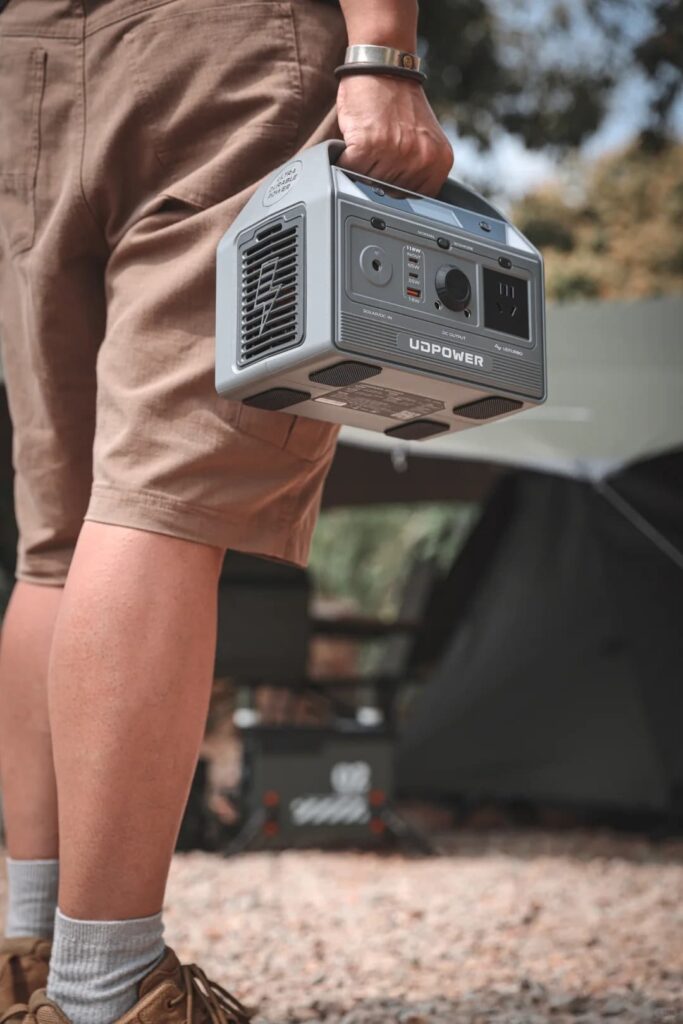
If the site is primitive, bring a few high-capacity power banks or a portable solar station. This keeps everyone’s safety devices charged.
One person brings the big battery brick. Everyone plugs in their phones at night. It becomes a charging hub. A digital campfire, if you will.
This prevents the desperate scramble of searching for an outlet in the bathroom. It also ensures that if someone gets lost on that “opt-in” hike, their phone works. Safety first. Selfies second.
13. Create a "Quiet Zone" and a "Social Zone"
Not everyone runs on the same sleep schedule. Shocking, I know.
Position tents away from the fire pit. This separation is crucial. It means the early sleepers aren’t kept awake by the late-night storytellers.
Put the tents upwind, if possible. Put them in a little cluster. Make it a sanctuary. The rule is: once you enter the tent zone, you whisper.
The fire pit is for noise. For laughter. For bad guitar playing. The tent zone is for rest. Respect the zones. It’s the secret to group harmony.
14. Over-Pack on Firewood
Fire is the heart of camp. A dying fire is a sad, sad thing.
Running out of wood at 9:00 PM is a mood-killer. The night is young! The s’mores aren’t going to roast themselves!
Calculate how much you think you need. Then, add 20% more. Actually, just add 50% more. You can always take extra home. You cannot magically create logs in the forest (and you shouldn’t, it’s bad for the ecosystem).
A big, healthy fire keeps people gathered. It keeps them warm. It keeps them happy. Don’t be the group that huddles around cold ashes at 10:00 PM. Bring the wood.
15. Leave No Trace as a Team
We love the outdoors. Let’s keep them lovely.
Set a “sweep” time on the final morning. Everyone spends 15 minutes picking up micro-trash. Check under tables. Check around the fire pit. Check the tent spots.
Look for bottle caps. Twist ties. That rogue fork.
This ensures the site is better than you found it. It’s a team effort. It takes almost no time. And it leaves a good impression with the rangers. Plus, it feels good. It’s the right thing to do.
Conclusion
Planning for a crowd is all about balancing structure with flexibility.
By setting clear expectations and handling the “boring” logistics before you leave home, you ensure that the actual camping trip is spent enjoying nature and each other’s company rather than arguing over who forgot the matches.
So, grab that spreadsheet, book that site, and prepare for some unforgettable memories. The forest is waiting.
Go forth and conquer. Just remember the firewood.