20 Points You Should Know About Dispersed Camping

Spread the love

Picture this: no screaming kids at 6 AM. No RV generator humming in your ear. No “reserving” a picnic table with a cheap tablecloth.

Just you, the trees, and absolute silence.

That is dispersed camping.

It is the art of camping on public lands outside of designated, developed campgrounds. No paved pads here. No hookups. No fees. Just pure, raw solitude.

If you are ready to trade concrete slabs for pine needles and campfire smoke for—well, more campfire smoke, you have come to the right place.

Here is everything you need to know to embrace the off-grid chaos.

Table of Contents

1. What Even Is Dispersed Camping? (Hint: It's Not Glamping)

Let us get one thing straight immediately.

Dispersed camping means zero amenities.

Zero toilets. Zero treated water spigots. Zero trash cans magically emptying themselves.

It is purely self-reliant camping.

You become your own utility company. Your own sanitation department. Your own garbage collector.

Sounds terrifying? Maybe.

Liberating? Absolutely.

When you disperse camp, you sign a contract with nature. The terms are simple: nature provides the view, you provide everything else.

No camp hosts will knock on your tent at 10 PM asking for money. No one will flick the bathroom lights on and off at closing time.

You are completely on your own.

And honestly? That is the whole point.

2. Where Can You Actually Do This? (Spoiler: Not Your Backyard)

You cannot just pull over anywhere and call it dispersed camping.

That empty lot behind the grocery store? Hard no.

Someone’s private farmland? Absolutely not.

The secret lies in public lands. Specifically, two major players:

National Forests are your best friend. Millions of acres of federally managed land, much of it open for dispersed camping.

Bureau of Land Management (BLM) areas are the other heavy hitter. These are often more remote, more rugged, and more empty.

Think of them as nature’s overflow parking.

State parks usually do not allow dispersed camping. National Parks definitely do not—they want you in designated sites where they can keep an eye on you.

Stick to National Forests and BLM land. That is where the freedom lives.

3. The Magic of MVUMs (Say That Three Times Fast)

Here is where things get slightly bureaucratic.

You cannot just wander into a National Forest and pitch a tent anywhere. Well, technically you can. But you might get a ticket.

Enter the Motor Vehicle Use Map, or MVUM (pronounced “em-vum” by people who enjoy saying weird words).

These are official government maps showing exactly which forest roads allow roadside camping.

Every National Forest publishes them. They are usually free. And they are absolutely essential.

Here is the kicker: rules change by district. One forest might allow camping along any dirt road. The next might restrict it to designated corridors.

Download the MVUM before you go. Print it. Screenshot it. Memorize it.

Nothing kills the off-grid vibe like a $200 fine from a ranger who has heard every excuse in the book.

4. The 150-Foot Rule (Distance Matters)

You found the perfect spot. A beautiful meadow. A sparkling stream. A flat area begging for your tent.

Stop right there.

Dispersed camping comes with a golden rule: stay back 100 to 150 feet from roads, trails, and water sources.

Why?

Roads: you want privacy, not dust clouds from passing trucks every twenty minutes.

Trails: hikers do not want to see your underwear drying on a bush. Trust me.

Water sources: this one is environmental. Camping too close to streams damages banks and pollutes the water. Fish hate that. So do the people downstream.

Set up at least a football field’s length away from any water.

Your view might be slightly less spectacular. But you will sleep better knowing you are not contaminating someone’s drinking supply.

5. Hard Surfaces Only (RIP, Soft Meadows)

That lush green meadow looks dreamy. The grass is soft. The ground is flat.

Do not camp there.

Fragile vegetation dies when you park on it. One night of camping can destroy plants that took years to grow.

Instead, look for durable surfaces:

  • Gravel bars
  • Sandy washes
  • Dry grass areas
  • Pine needle carpets
  • Established rock areas

Park your rig on these surfaces. Pitch your tent on them too.

The goal is to leave zero trace. Driving over wildflowers leaves a pretty big trace.

Hard ground might be less comfortable for sleeping. But your conscience will rest easy.

6. Disturbed Sites Are Your Best Friend

Here is a pro tip: do not pioneer.

When you arrive in an area, look for spots where others have clearly camped before.

Existing fire rings are the dead giveaway. Maybe some flat spots where tents once sat. Sometimes even a rough parking pad.

Use these.

Why? Because creating brand-new clearings damages more land. You trample fresh vegetation. You compact untouched soil. You create another scar on the landscape.

Stick to the existing “disturbed” sites.

Think of it as camping in someone else’s footprints. The land thanks you. Future campers thank you. The ghost of past campers? Probably indifferent, but still.

7. Stay Limits: 14 Days and You're Out

Here is the fine print on your freedom.

Most agencies allow you to stay up to 14 days within any 28-day period.

After two weeks, you must move. And not just down the road. Usually you need to travel at least 25 miles away before returning.

This rule prevents people from essentially living on public land forever. Which, admittedly, some people try to do.

The 14-day clock resets after you leave and stay gone for the required time. Then you can come back and do it all over again.

Van lifers know this dance well. Snowbirds know it even better.

Set a calendar reminder. Rangers do check. And they are not amused by the “I lost track of time” excuse.

8. Mastering the "Cat Hole" (Nature's Toilet)

Let us talk about poop.

Because when you disperse camp, there are no bathrooms. No flush toilets. No vault toilets. No toilets at all.

Just you, the woods, and your bodily functions.

The solution is the cat hole.

Here is how you do it:

Find a spot at least 200 feet from water, trails, and your camp. (Yes, further than the 150-foot rule—poop is special.)

Dig a hole 6 to 8 inches deep. Six inches is ideal—deep enough to contain smell, shallow enough for soil bacteria to break things down.

Do your business. Cover it with the original dirt. Pack out your toilet paper in a sealed bag.

Some people burn their TP. Some use leaves. Some bring a dedicated “wag bag” system.

Whatever you choose, do not leave white flowers scattered around the woods.

The cat hole is an art form. Master it.

9. Pack It In, Pack It Out (Everything)

Here is the golden rule of dispersed camping: everything you bring in goes out with you.

Trash cans do not exist out here.

No dumpsters. No receptacles. No magical trash fairies.

Your apple core? Pack it out. It will not decompose as fast as you think in dry climates.

Your beer cans? Obviously pack those out.

Your food scraps? Definitely pack those out. They attract wildlife and create problem animals.

Used toilet paper? Double-bag it and pack it out. Sorry, but someone had to say it.

The goal is to leave your site cleaner than you found it. Pick up that random wrapper from the last camper. Grab that forgotten water bottle.

Be the camper you wish everyone else was.

10. Fire Restrictions Are Not Suggestions

Wildfire risk is real.

Every year, careless campers burn thousands of acres because they ignored fire restrictions.

Before you light a single match, check with the local ranger station.

They will tell you the current “Stage” restrictions:

  • Stage 1: Usually means campfires only in designated rings or areas.
  • Stage 2: Often means no campfires at all. Period. Propane stoves might still be okay.
  • Total ban: No open flames of any kind. Your camp stove stays in the car.

These rules exist for a reason. The forest is dry. The wind is unpredictable. Your campfire could become someone’s nightmare.

Check before you go. Check again when you arrive. Conditions change fast.

11. Campfire Safety (If You're Allowed)

Fires are allowed? Great. Do not be an idiot about it.

Use existing fire rings whenever possible. The metal ones or the rock circles left by previous campers.

Keep your fire small. You are cooking dinner and feeling cozy, not signaling aircraft.

Never leave it unattended. Not for five minutes. Not for two minutes.

When you are done, drown it. Water, not dirt. Dirt can insulate hot coals for hours.

Stir the ashes. Add more water. Stir again.

The coals should be cold to the touch before you leave. Not warm. Not coolish. Cold.

Run your hand through them. If any part feels warm, you are not done.

This is how you prevent the “holdover fire” that reignites at 3 AM and burns down the forest while you sleep soundly in your tent.

12. Water: Carry More Than You Think

There are no spigots out here.

No water faucets. No hydration stations. No campground hosts selling ice and jugs.

You must bring your own water. Or make your own from natural sources.

The general rule: one gallon per person per day. That covers drinking, cooking, and basic hygiene.

For a three-day trip? That is three gallons per person. Heavy, but necessary.

If you camp near a stream, you can bring a high-quality filtration system. Something like a Sawyer Squeeze or a Katadyn filter.

Do not drink untreated water. Giardia is real. So is beaver fever. Neither is fun.

Filter everything. Even the clearest mountain stream can hide microscopic horrors.

13. Navigation: Cell Service Is a Myth

Expect zero bars.

No service. No signal. No “you have one bar if you stand on this rock and face northwest.”

The backcountry eats cell signals for breakfast.

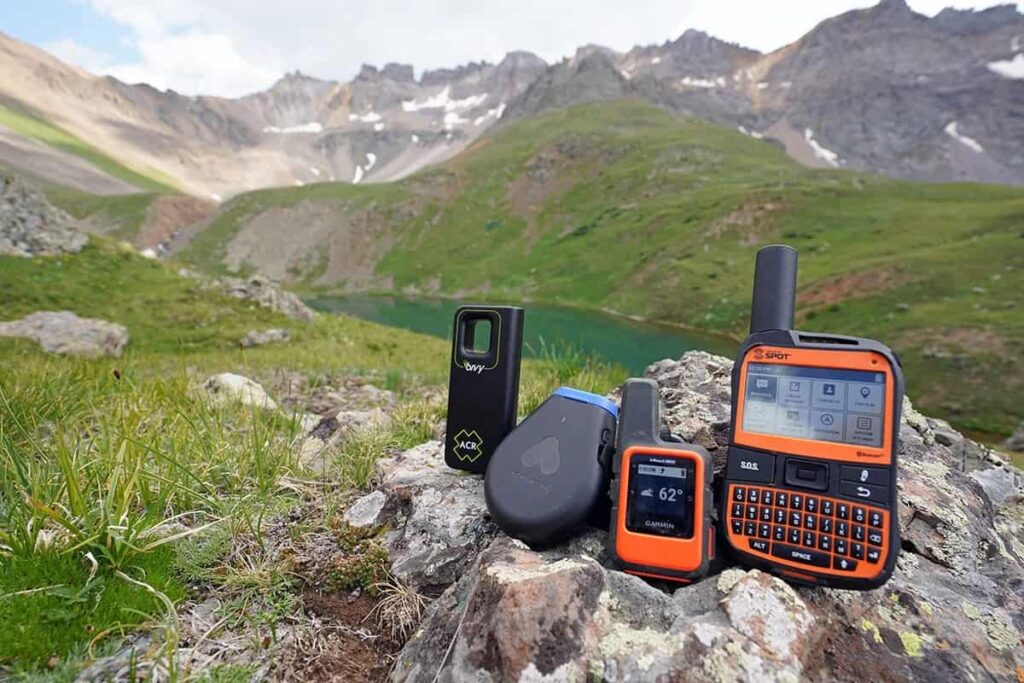
Download offline maps before you leave. Apps like Gaia GPS, OnX, or even Google Maps allow offline downloads.

Drop a pin at your camp. Mark your route in. Screenshot everything.

A paper map is even better. It never runs out of battery. It never fails to load. It just sits there, being useful.

Bring a compass too. Know how to use it.

Getting lost is romantic in theory. In practice, it is terrifying and potentially deadly.

14. Power Management (No Outlets Here)

Your car has a cigarette lighter. That is your only electrical outlet.

No RV hookups. No solar at the campground store. No charging stations.

You need a power strategy.

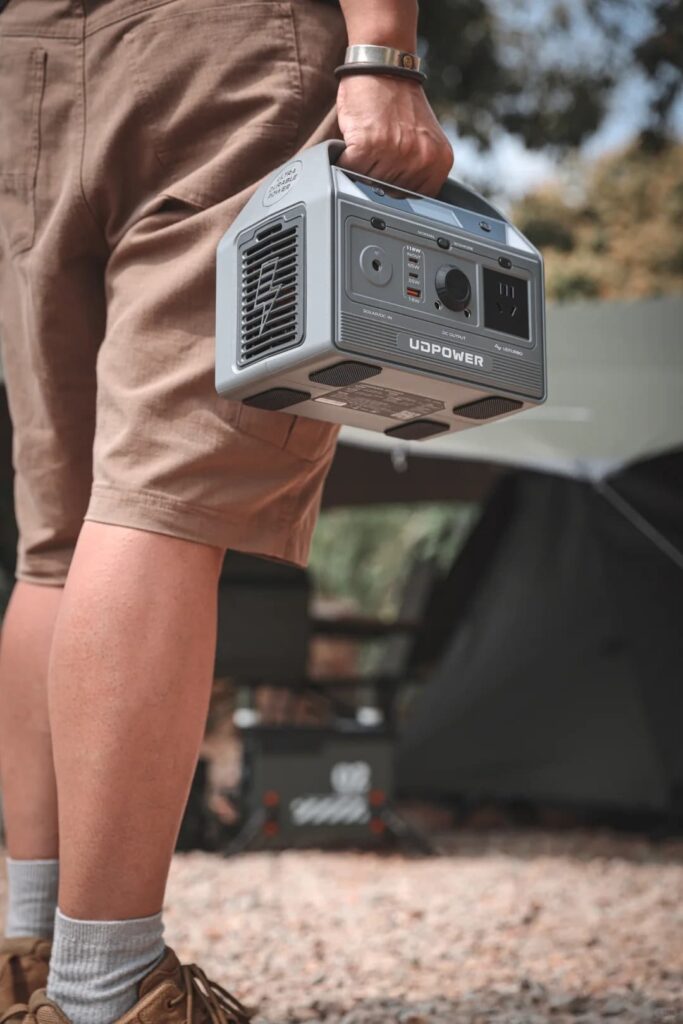
Small solar power banks work for phones and GPS units. Larger portable power stations (like Jackery or Goal Zero) can run laptops or charge camera batteries.

Manage your usage. Turn off devices when not in use. Airplane mode is your friend.

Remember why you came out here. Maybe you do not need to stream Netflix under the stars.

The darkness is part of the experience. Embrace it.

15. Food Storage: Bears Love Snacks Too

You are in their house now.

Bears, raccoons, rodents, and squirrels all share this land. And they all want your food.

Store everything edible in bear-resistant containers or inside a locked vehicle.

Coolers count as food storage. So do snack bags. So do those granola bars you left in your jacket pocket.

Hang food from trees if regulations require it. Use bear canisters if you have them.

Do not leave food out overnight. Do not cook near your tent. Do not eat where you sleep.

These habits keep you safe. They also keep the animals safe. A bear that gets human food becomes a problem bear. Problem bears get euthanized.

Store your food properly. Everyone wins.

16. Weather: Check It Twice

Remote roads are unpredictable.

A beautiful sunny afternoon can turn into a muddy nightmare after one heavy rain.

Check the weather before you leave. Check it again the morning of your trip.

Look for rain in the forecast. Even a 30% chance matters when you are on dirt roads.

Some soils turn to grease when wet. You will slide sideways into a ditch before you can say “I should have checked.”

Know your vehicle’s limits. A Subaru Outback handles more than a sedan. But neither handles axle-deep mud.

If rain is coming, get out before the road turns into a slip-and-slide.

17. Tell Someone Your Plan (Seriously)

This sounds like your mom talking. But your mom is right.

Leave your specific coordinates with someone.

Tell them where you are going. Which forest. Which road. Which approximate camping area.

Give them your expected return time. Add a buffer day for “oops.”

If you do not check in, they know when to call for help.

Search and rescue is expensive. Embarrassing. And entirely avoidable with a simple text to a friend.

Do not be the person who “forgot to tell anyone” and ends up on the news.

18. Respect the Silence (Shhh)

People come to dispersed camping for the quiet.

No highway noise. No neighbors arguing. No generators humming at midnight.

Keep your volume low. Speak in normal tones, not shouts.

Music? Headphones only. Leave the Bluetooth speaker in the car.

Dogs? Only if they are quiet dogs. Barking every five minutes ruins everyone’s experience.

The silence is the main attraction. Do not spoil it for others.

Besides, wildlife watches you when you are quiet. You see more deer, more birds, more stars.

The quiet rewards those who keep it.

19. Evaluate Your Vehicle (Can It Handle This?)

Forest service roads are not highways.

They are rutted, rocky, washed-out paths to nowhere. Sometimes literally.

You need adequate ground clearance. A sedan might survive a well-graded road. It will not survive boulders and deep ruts.

Know your approach angles. Know your departure angles. Know when to turn around.

High-clearance vehicles are ideal. Trucks, SUVs, lifted vans.

If your oil pan scrapes every rock, you are in the wrong vehicle. Turn back before you strand yourself twenty miles from nowhere.

Walking out sucks. Doing it because you ignored your vehicle’s limits sucks more.

20. Embrace Leave No Trace (The Golden Rules)

Seven principles. Learn them. Live them.

  1. Plan ahead and prepare (you are doing that right now)
  2. Travel and camp on durable surfaces (hard ground only)
  3. Dispose of waste properly (pack it all out)
  4. Leave what you find (rocks, flowers, artifacts stay put)
  5. Minimize campfire impacts (small fires, dead out)
  6. Respect wildlife (observe from a distance)
  7. Be considerate of other visitors (silence, space, privacy)

These principles keep public lands open. When campers trash an area, the government closes it.

Do not be the reason they close your favorite spot.

Study the principles. Practice them every time.

Conclusion

Dispersed camping sits right in the middle. Not quite backpacking. Not quite car camping with amenities.

It requires more preparation. More gear. More thinking ahead.

But the reward?

A front-row seat to nature’s quietest corners. Stars without light pollution. Silence without interruption. Freedom without fees.

Follow these steps. Respect the land. Pack out your trash.

The wilderness will welcome you back every time.

Now go find your spot. The pine needles are waiting.

Leave a Comment

Your email address will not be published. Required fields are marked *

Scroll to Top