The idea of taking your kids into the woods and teaching them to build fires and identify edible berries sounds, on paper, like the pinnacle of wholesome parenting.
It evokes images of serene forests, children with mud-smudged, focused faces, and the proud, quiet nod of a raccoon observing from a nearby stump.
The reality, as I discovered the hard way, is more like a slapstick comedy directed by a sugar-crazed squirrel.
It involves a lot of whining about Wi-Fi, a profound child-led debate on whether “leaves of three, let it be” applies to all leaves, and at least one incident where a “camouflage game” ended with my youngest son silently observing a deer for so long he fell asleep in a patch of what I hope was just nettles.
But here’s the secret: it’s in that beautiful, chaotic mess that the magic happens. After years of trial, error, and liberally applying antiseptic cream, I’ve compiled these hard-won truths.
Think of this not as a manual, but as a friendly debrief from the trenches.
Here are 40 tips for teaching kids bushcraft, designed to preserve both their safety and your sanity.
Table of Contents
1.Why Bother?
Before we dive into the how, let’s revisit the why, especially for that moment when you’re trying to light a fire in the rain while someone asks if they can just play Minecraft on your phone.
It Builds Tiny, Tough Humans: As the folks at [Wildlings Forest School] and [PGL Adventure Holidays] will tell you, bushcraft isn’t just about knots.
It’s a factory for manufacturing resilience, problem-solving, and a quiet, deep-seated confidence that screams, “I can handle this.”
Watching my kid finally get a bowline knot right after ten attempts of creating what looked like modern art was a bigger boost to his self-esteem than any trophy.
They Learn to Actually See: In a world of pixels, bushcraft re-teaches observation.
It swaps “screen-time” for “green-time,” fostering a connection and respect for nature that, as [PGL] notes, cultivates the future caretakers our planet desperately needs.
Family Bonding, Minus the Screens: Forget forced board game nights.
Struggling together to build a lopsided debris hut, high-fiving over a successfully filtered cup of questionable pond water, and sharing stories under the stars—this is the stuff that real, sticky, wonderful memories are made of.
It’s teamwork, laughter, and adventure, all on nature’s terms.
2.Core Principles & Safety Basics
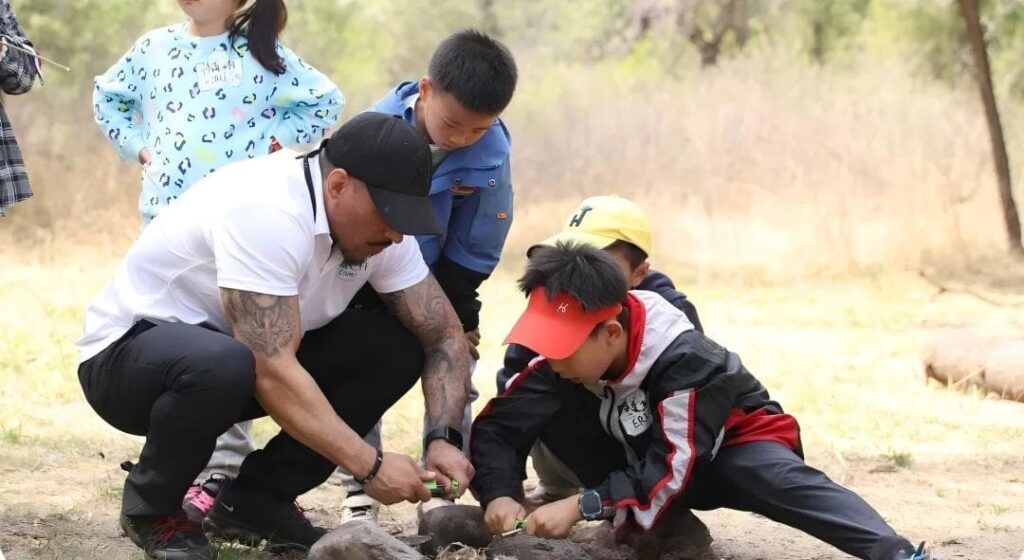
1. Supervision is Not a Suggestion.
This is Rule Zero, Alpha and Omega. As [Bushcraft Buddy] sternly reminds us (and I learned after the “Great Stick-Sword Incident of ‘22”), an adult must be actively watching, especially near tools, fire, or water.
This doesn’t mean scrolling on your phone nearby. It means your eyeballs are on the kids.
Assign adults like you’re planning a heist. “You take fire duty, I’ve got knife patrol.”
2. Tools are for Big(ger) Kids.
You wouldn’t give a toddler a chainsaw. The bushcraft equivalent is starting with blunt-tip practice knives for whittling soap or soft wood, as [Everbeam] suggests.
My progression went: butter knife on play-doh -> practice knife on balsa wood -> supervised actual knife on a stick for marshmallow roasting.
It’s a marathon, not a sprint. The goal is to build respect for the tool, not fear of it.
3. Set Boundaries Like a Benevolent Dictator.
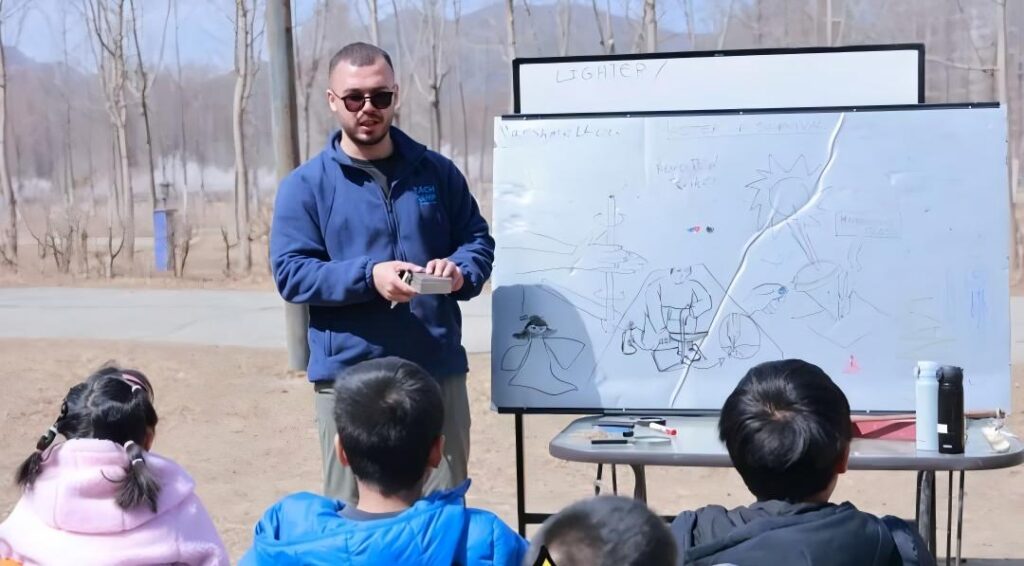
Before the “explorers” vanish into the ferns, draw a map in the dirt. “This creek is the edge of the kingdom.
The big fallen oak is the northern wall.” Define off-limits zones (steep drops, water, suspicious thickets) and establish a universal signal.
Ours is a specific bird call (which, in practice, sounds like a dying goose, but it’s distinctive).
[Bushcraft Buddy] is right—this isn’t about stifling fun, it’s about creating a safe sandbox for it.
4. First Aid is the First Skill.
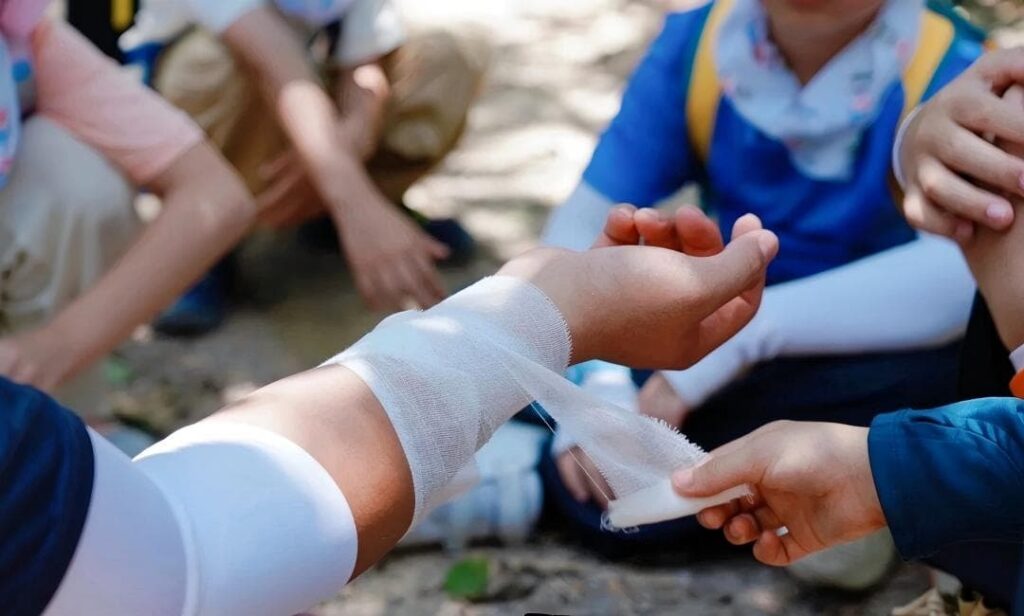
We turned our first-aid kit into a “Mission Control” pack.
Every outing starts with a check: “Who can find the band-aids? The antiseptic wipes?”
We practice on each other for tiny scrapes.
As [The Bushcraft Company] knows, making minor wound care a normal, un-scary part of the process removes panic from the equation when (not if) someone skins a knee.
5. Respect is Non-Negotiable.
This is the golden rule. We don’t yank bark off living trees, we don’t throw rocks at anthills, and we definitely don’t chase the ducks.
We observe wildlife like ninjas. We leave a place cleaner than we found it.
Instilling this, as [Bushcraft Buddy] emphasizes, isn’t just politeness—it’s the foundation of true wilderness ethics.
3.Foundational Skills
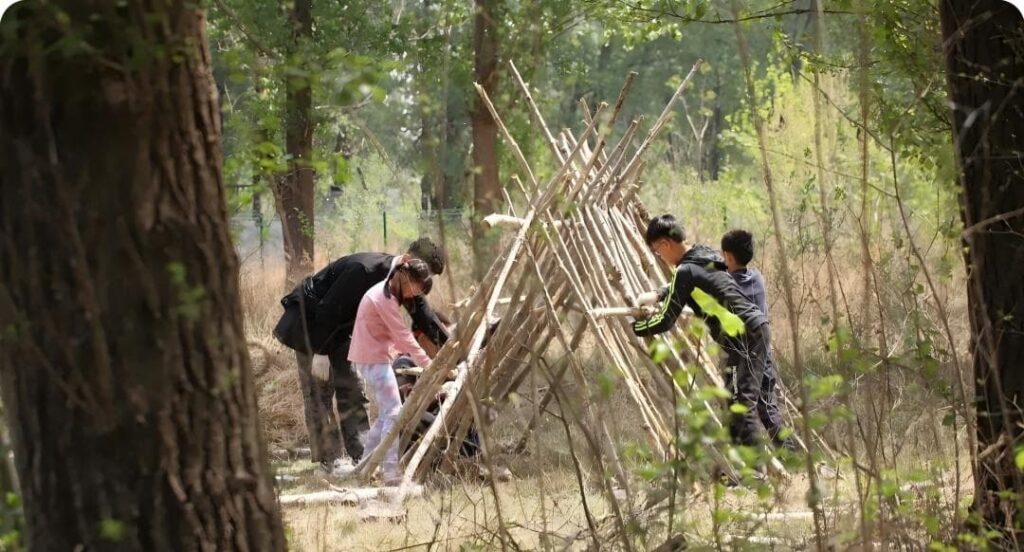
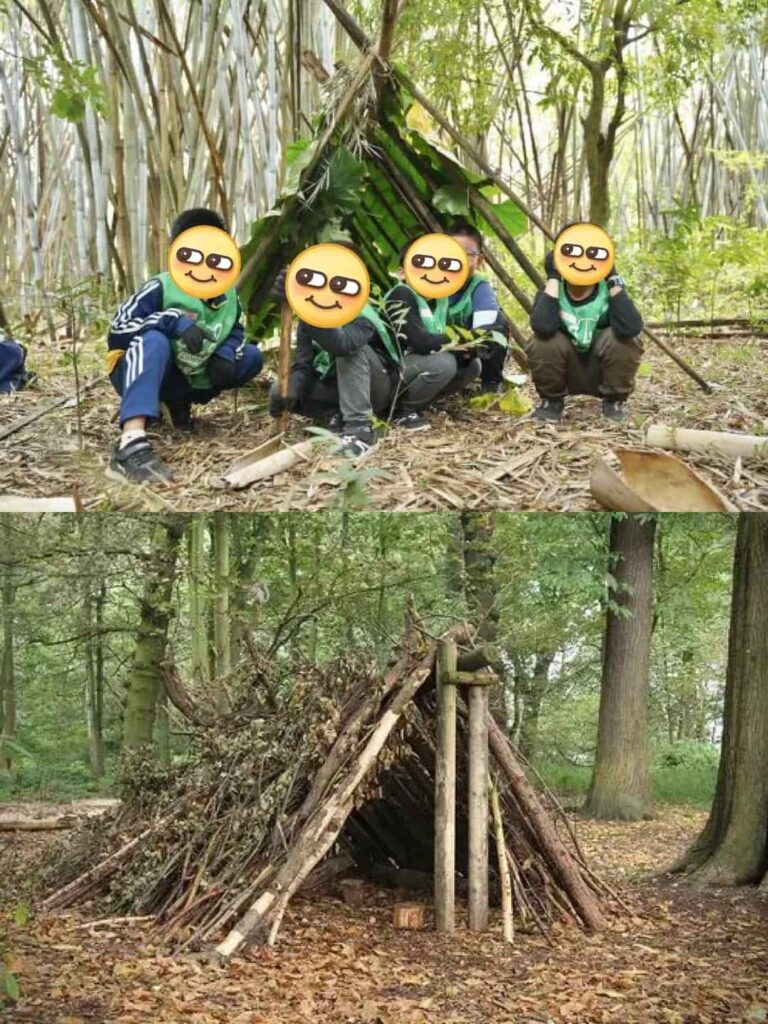
1. Shelter Building: Embrace the Wobble.
Start with a simple lean-to. The goal isn’t architectural perfection; it’s understanding the concept of shelter.
I’ve seen kids pour more creative energy into a pile of sticks and leaves than any Lego set.
It teaches structure, angles, and the invaluable lesson that when your roof collapses for the third time, you sigh, drink some water, and try again.
Thanks, [The Bushcraft Company], for validating my kids’ structurally questionable “mansion.”
2. Knots: The Art of Tangled Perseverance.
I introduced knots as “magic tricks for ropes.” The bowline is the “rabbit hole” knot.
The clove hitch is for “hugging a pole.” [Paddling Magazine] isn’t wrong—these are lifelong skills.
Be prepared for the first twenty attempts to look like abstract art. Celebrate the messy ones.
The pride on their face when they finally lash two sticks together and it doesn’t immediately fall apart is priceless.
3. Navigation: You Are Not Lost, You Are “Temporarily Discover-Challenged.”
Map and compass work can feel dry. So, we made it a treasure hunt. I’d hide a “cache” (a Tupperware with granola bars) and give them rudimentary bearings.
Watching them huddle over a compass, arguing about which way is actually north, is a masterclass in teamwork and problem-solving.
[South West Survival] is onto something—it’s a puzzle where the prize is not getting turned around.
4. Water: The Ultimate Quest.
Finding and making water safe is the most superheroic skill. We identified a flowing stream (not a stagnant pond), then went through the purification rituals: filtering through a bandana, boiling with the camp stove (a very supervised adult job), and using tablets as a last resort.
The gravity of it isn’t lost on them.
As [prepping.pro] highlights, it turns a basic need into an empowering achievement.
5. Nature ID: Become Forest Detectives.
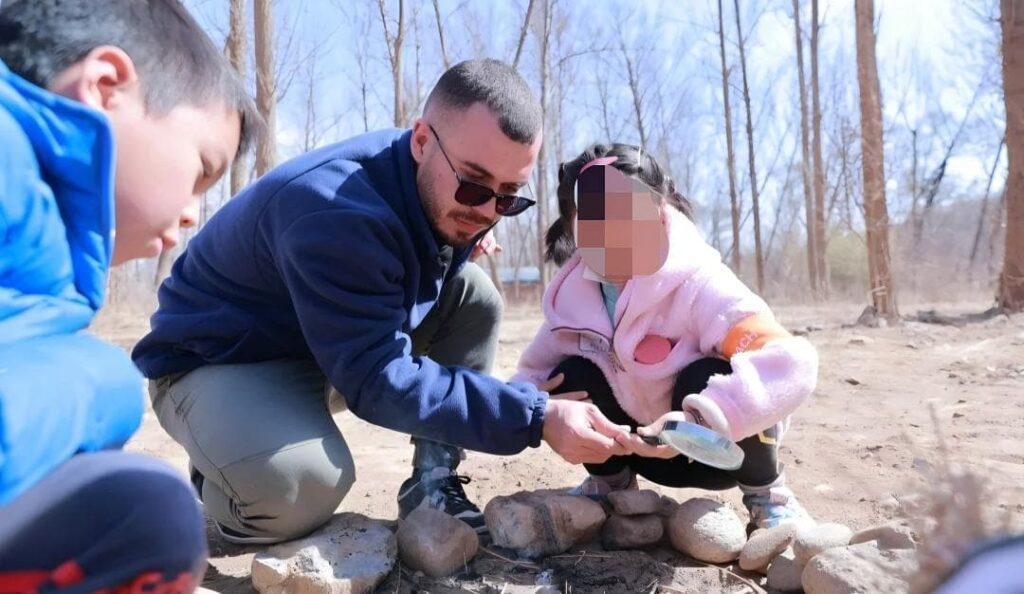
This isn’t a boring lecture. It’s a game. “Find three different shaped leaves.” “Who can spot animal tracks?”
We use apps sometimes ([The Bushcraft Company] would approve), turning screen-time into field-guide time.
Knowing that this feather belongs to a hawk, or that this gnawed nut is squirrel work, makes the woods feel like a home full of neighbors, not just a bunch of trees.
6. Campfire Cooking: The Great Motivator.
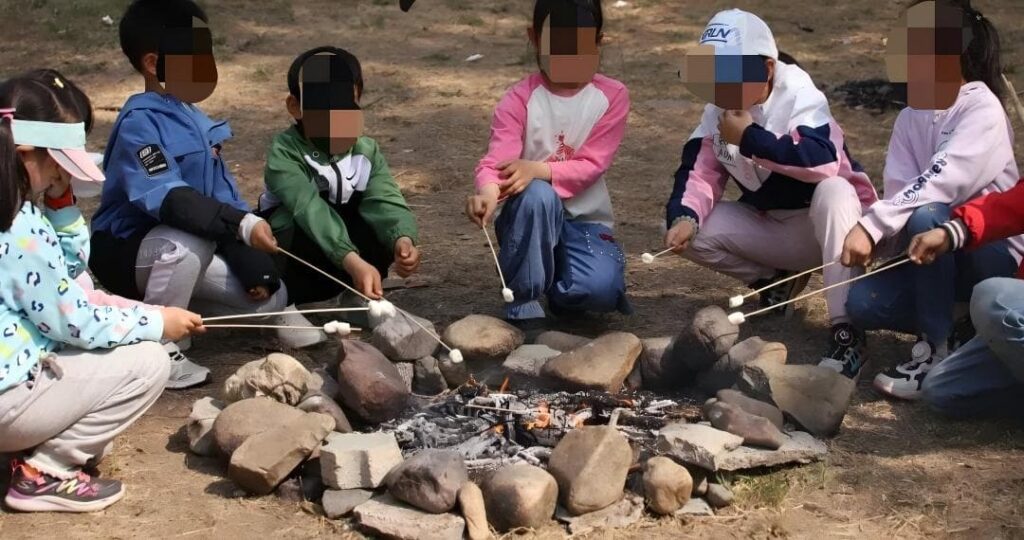
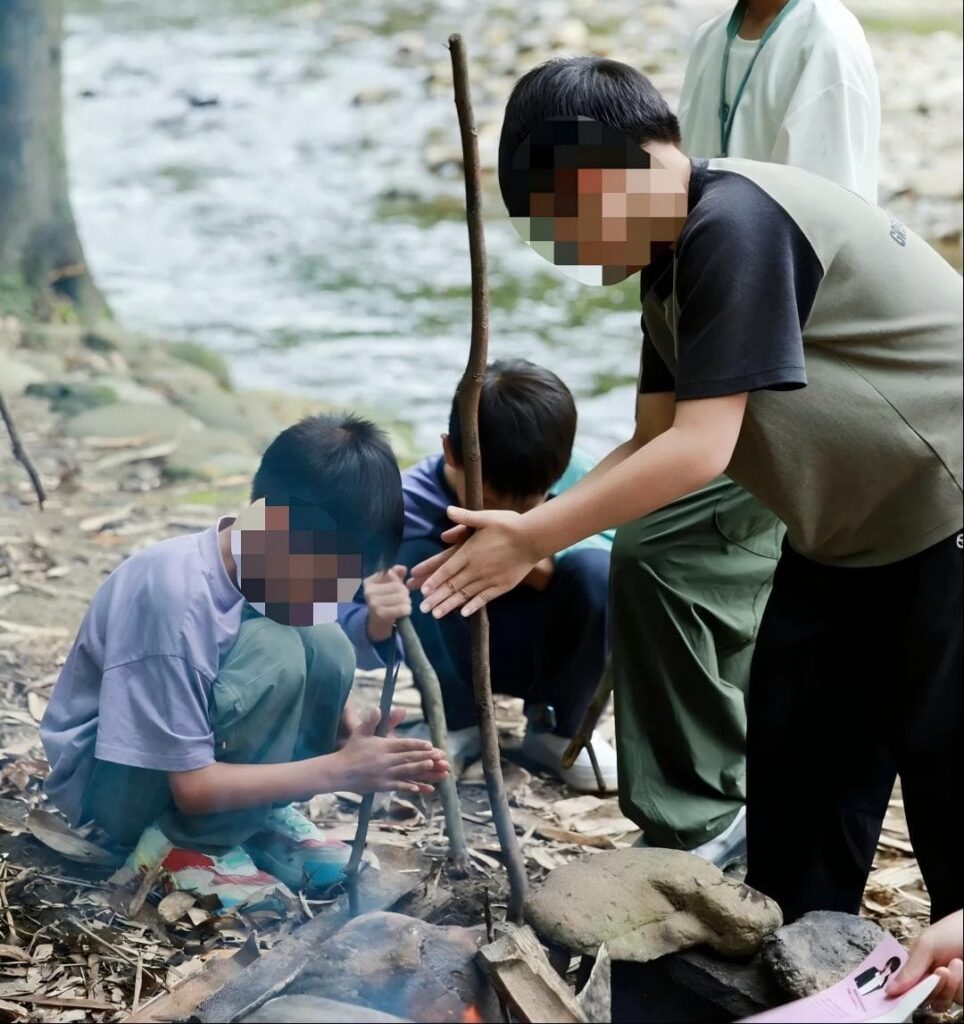
Let’s be honest: this is the skill they all want. Start supremely safe: roasting pre-skewered marshmallows over your well-built fire.
Progress to wrapping potatoes in foil, then simple one-pot wonders. The act of cooking what you eat, outdoors, transforms a hotdog into a feast of kings.
[The Bushcraft Company] knows it’s about more than food—it’s about ritual, patience, and the profound joy of eating something sooty you made yourself.
4.Fun & Engaging Activities
1. Scavenger Hunts with a Twist.
Don’t just list items; give challenges. “Find something smoother than a pebble.” “Something that makes a sound.” “Three different shades of green.”
[Bushcraft Buddy] has the right idea—it trains observation without them even knowing.
2. Camouflage & Stealth Games.
The “Silent Walk” is a family favorite. Who can move ten feet without making a sound? (Spoiler: no one. It’s hilarious.)
We also play a hide-and-seek variant where you have to blend into the background.
My daughter once stood so still next to a birch tree, we walked past her twice.
[The Bushcraft Company] frames it as respect for wildlife—moving quietly to observe, not disturb.
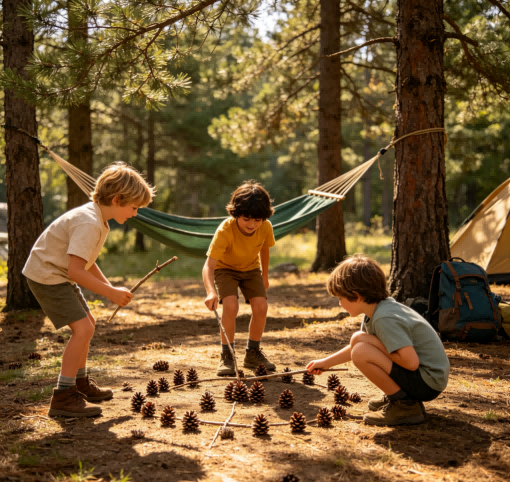
3. Nature Crafts: MacGyver with Leaves.
Pinecone animals, leaf rubbings, woven grass bracelets. [Bushcraft for Kids] is a treasure trove here.
It’s creativity with a zero-dollar budget, and it teaches the value of natural materials.
We’ve made some truly hideous and beloved “art” from forest floor finds.
4. Stargazing: The Original Netflix.
On a clear night, a blanket and a basic star app are all you need. Finding Orion, spotting a satellite, making up your own constellations (“That’s clearly a T-Rex eating a pizza!”).
[OhMyClassroom.com] links it to navigation, but really, it’s about awe.
It’s hard to whine about bedtime when you’re looking at the Milky Way.
5. Mini Survival Challenges.
Keep it light and game-ified! “The Shelter Sprint”: who can build the best mini-lean-to for a action figure in 10 minutes?
“The Knot Relay”: teams race to tie a specific knot.
[Outdoortopia] champions this playful competition—it builds skills under (fun) pressure.
6. Tracking Walks.
We look for the story. “See these deer tracks? They’re heading to the creek. Here’s some scat… he ate berries recently.”
It’s forensic science for the forest.
As [The Bushcraft Company] promotes, it turns a walk into a detective story, building a deep understanding of the ecosystem’s rhythm.
5.Character & Life Skills
1. Resilience is Built Through Failed Fires.
When the carefully arranged teepee of twigs just smokes pathetically, that’s the moment.
The sigh, the regrouping, the search for drier tinder.
[Wildlings Forest School] sees it clearly: these micro-frustrations are gym sessions for grit.
2. Responsibility Means Real Jobs.
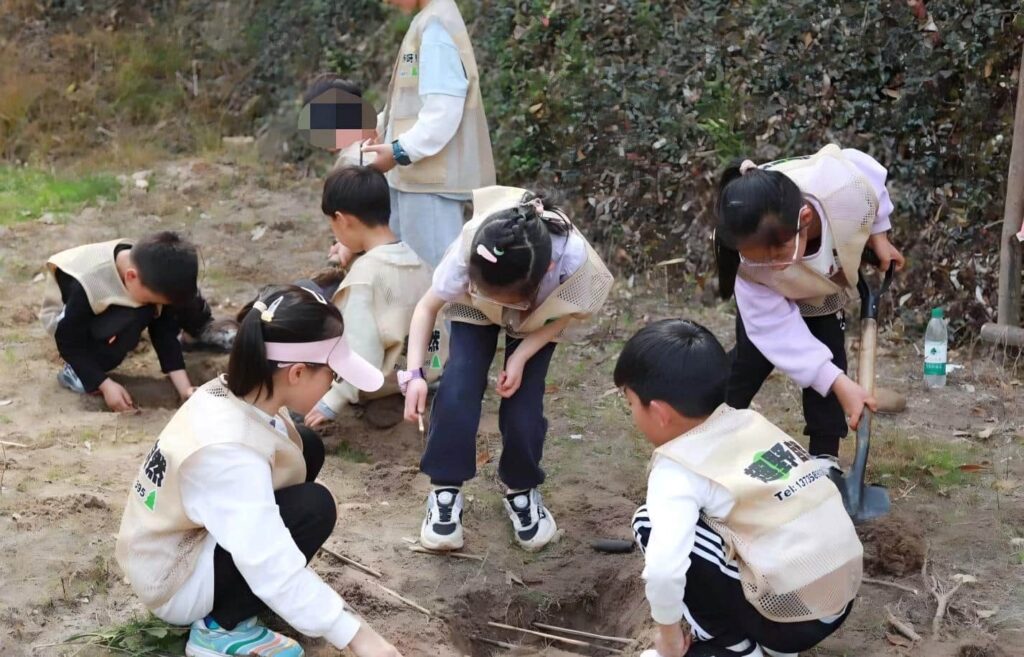
“You are the Firewood Chief today. You are the Kitchen Manager.” Giving them ownership of tangible tasks—collecting only downed wood, cleaning the cooking gear—works wonders.
[PGL Adventure Holidays] is big on this, and for good reason.
It’s not a chore; it’s a role vital to the tribe’s success.
3. Environmentalism Becomes Instinct.
After you’ve spent time identifying plants and watching animals, “Leave No Trace” isn’t a rule—it’s just how you treat a friend’s home.
This mindset, which [PGL] nurtures, is the seed of lifelong stewardship.
4. Teamwork is a Shelter with Three Walls.
You can’t build a decent shelter alone if you’re eight. You need someone to hold, someone to lash, someone to find more ferns.
The same goes for cooking, or playing a tracking game.
The collaboration is natural and essential.
5. Confidence is a Spark That Catches.
There is no light quite like the one in a child’s eyes when they achieve something real.
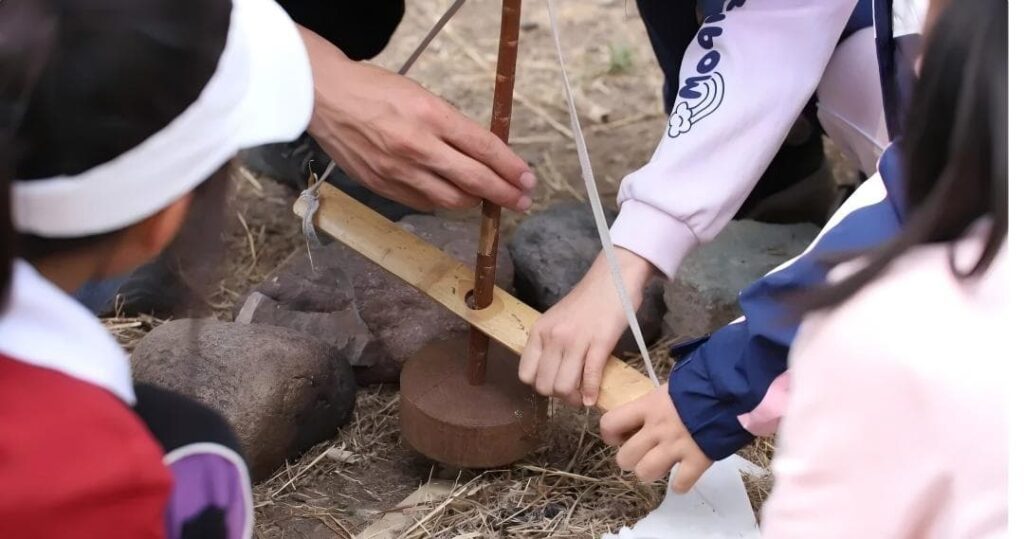
When they navigate back to camp, or start a fire with a ferro rod, or identify a plant correctly.
As [Coalcracker Bushcraft] puts it, this is authentic self-reliance, and it’s addictive in the best way.
6.Practical Tips for the Adult in Charge
1. Pack Like a Paranoid Packhorse.
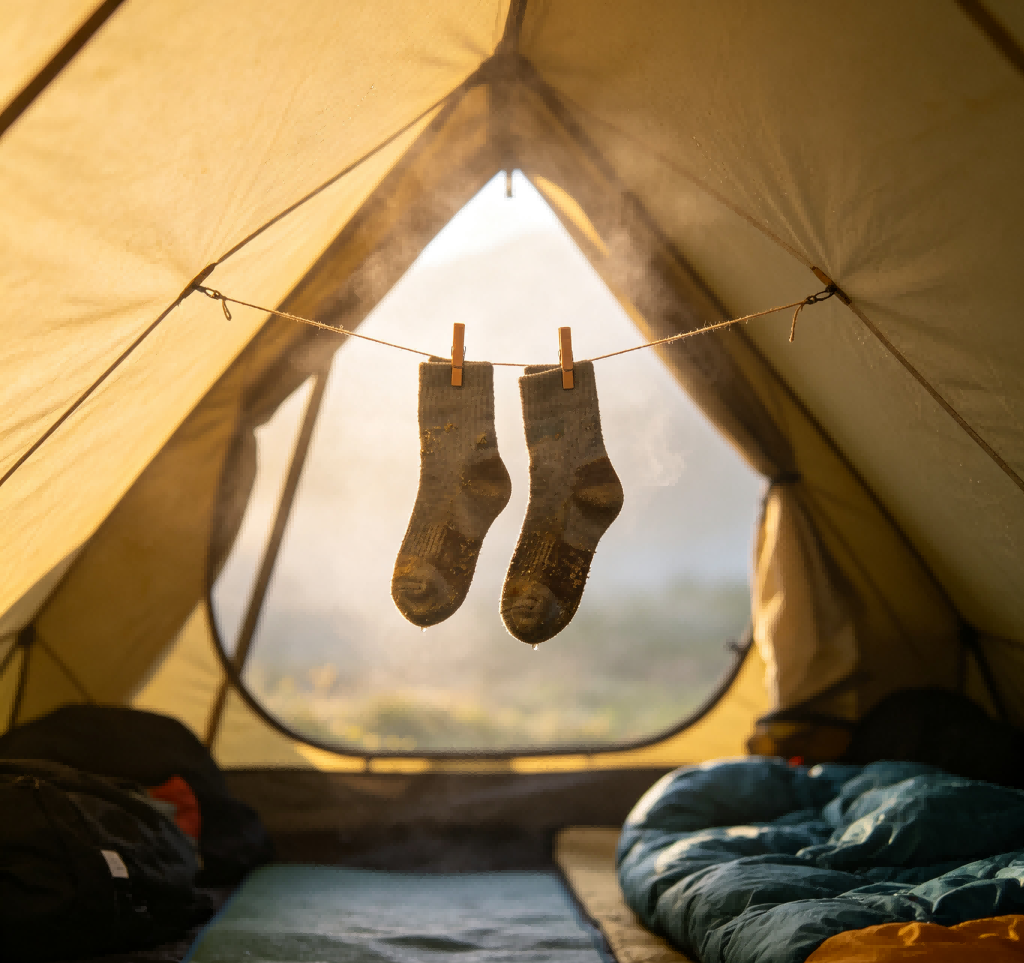
Layers. Always layers. A change of socks has saved more morale than any joke I’ve ever told. Sturdy shoes, hats, sunscreen, insect repellent.
And your first-aid kit? Make it bigger. [Bushcraft Buddy]isn’t messing around with this one.
2. Age-Appropriate is Everything.
3. Storytelling is Your Secret Weapon.
4. Ratio, Ratio, Ratio.
5. Water, Snacks, and the “Oh Crap” Kit.
6. The Debrief is Crucial.
7.Extra “Fun Bonus” Ideas
Nature Journals:
A sketchbook and pencil. Let them draw the weird mushroom, trace a leaf, write a haiku about a bug. It’s a slow, quiet connection.
Camp-Craft Challenge Day:
Structure a whole day: shelter AM, scavenger hunt PM, fire-cooked dinner. It feels epic.
“Leave No Trace” Ethics from Day One:
Make them the rule. It’s not an add-on; it’s the law of the land.
Nighttime Camping:
The woods are a different planet at night. The sounds, the stars ([OhMyClassroom.com]), the shared whispered awe in a tent.
Paracord Bracelets:
A tangible, wearable craft that practices fine motor skills and has utility.
Weather Wisdom:
Reading clouds, feeling wind shifts, watching how animals behave. It makes them feel like a sage.
Survival Story Games:
“The bridge is out! Using only what’s in this clearing, how do we get water and signal for help?” Imagination + skill practice.
Document the Chaos:
Take pictures of their lopsided shelters, their proud faces with blackened marshmallow cheeks. Progress is visible.
Clean-Up Duty is Sacred:
The final ritual. Everyone has a bag, everyone picks up, even things that aren’t ours.
Simple Fishing (Legally!):
With a tiny hook and worm, it’s a lesson in infinite patience and quiet focus.
Mixed-Age Groups:
Let the older ones teach the younger ones. The teacher learns twice.
Embrace Tech as a Gateway:
Use a plant ID app to settle a “is this poison ivy?” debate. It meets them where they live and guides them deeper in.
Final Thoughts
Teaching kids bushcraft isn’t about creating mini Bear Gryllses. It’s about giving them a vocabulary for nature, a toolkit for resilience, and a playground made of dirt and sky.
It’s messy, imperfect, and occasionally frustrating. But in those moments when the fire finally catches, or you hear them confidently explain to a friend why you don’t hurt that spider, or you see them sit perfectly still just to watch a bird—you’ll know.
You’re not just building fires and shelters. You’re building humans. Curious, capable, confident humans who know their way around the woods, and maybe, just a little bit, around life itself.
Now go get muddy. And pack extra socks. Seriously.