21 Wilderness Insect Eating Hacks You May Ever Know

Spread the love

 I was deep in the woods, on a solo camping trip meant to prove my ruggedness, my snack bag fell into a stream.

As I stared at my soggy, chlorine-free, artisanal trail mix floating away, my stomach growled a protest symphony.

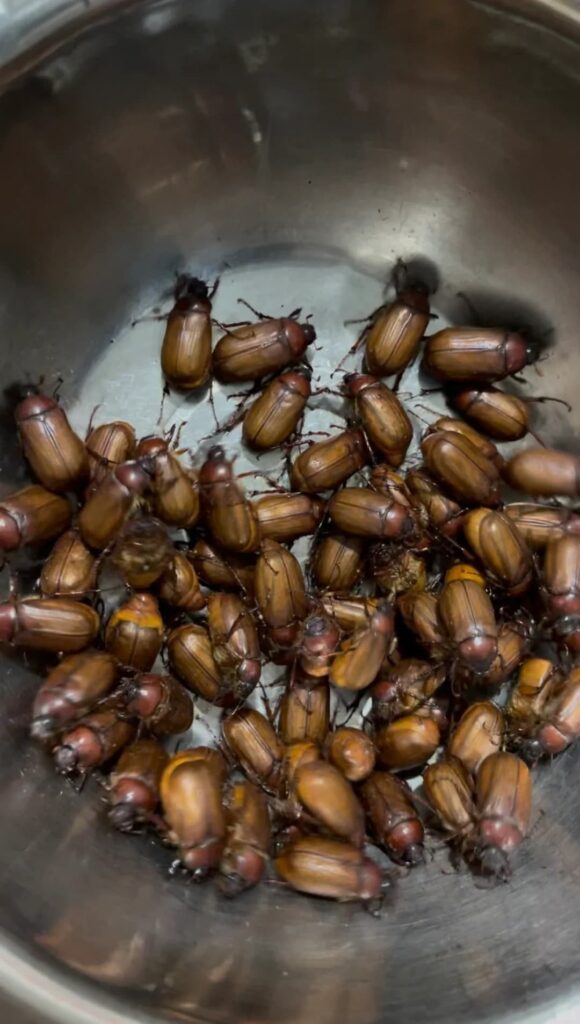
I remembered something about bugs being edible. I saw a particularly plump, slow-moving beetle.

Look, I get it. The idea of popping a grasshopper into your mouth like it’s a piece of popcorn triggers something primal and squeamish deep within the civilized human psyche.

Friends, it was like biting into a bitter, dirty, living piece of pencil eraser that then exploded with an unspeakable internal fluid.

I spat, I gagged, I may have cursed my ancestors. It was a low point.

But from that soggy, bug-flavored nadir, a mission was born.

If I was going to be a competent bushcraft enthusiast, I needed to learn how to do this properly.

What followed was a journey of research, cautious experimentation, and yes, more slightly-less-traumatic taste tests.

Here are the 20+ skills and practices I’ve cobbled together, learned the hard way, so you don’t have to recreate my Beetle Blunder.

Table of Contents

1. The “Probably Not Gonna Kill You” List

You can’t just eat any bug that crosses your path. That’s how you become a cautionary tale told around campfires. The golden rule?

Stick to the classics.

  • The A-List: Crickets, grasshoppers, and locusts are the filet mignon of the insect world (relatively speaking). Ants (often tangy!), termites (fatty and nutty, truly!), certain larvae and grubs (the juicy gummy bears of the forest), woodlice/pill bugs (land shrimp!), and earthworms from clean soil are all generally accepted as edible.
  • The “Back Away Slowly” List: If it looks like it’s trying to win a neon rave contest (brightly colored), is dressed for a punk rock show (spiky or hairy), or smells like a chemical warning (strong odors), it’s probably saying, “Eat me and regret it.” Also, give a wide berth to scavengers like most flies. You are what you eat, and they eat disgusting things.

2. Foraging: The Gentle Art of Bug Hunting

This isn’t a frenzied chase. It’s a subtle, almost meditative practice of turning over the right rocks.

  • Think Like a Bug: They’re hiding from birds and you. Check under logs (roll toward you so anything underneath scuttles away from you, not up your arm), in leaf litter, under flat rocks, and in moist, decaying wood. This is grub and woodlice heaven.
  • Exploit Their Laziness: Ever tried to catch a grasshopper at noon? It’s like trying to catch a greased bullet. Go out in the early morning when they’re cold and sluggish, basically insect zombies. It’s far less demeaning.
  • Location, Location, Location: Do NOT collect bugs from areas sprayed with pesticides, near industrial runoff, or from obviously polluted soil. Bugs are bio-accumulators; they concentrate the toxins from their environment. Your grasshopper is not a detox supplement.

3. Prep Work: You Wouldn’t Eat a Chicken Whole, Would You?

This is where my beetle disaster could have been mitigated. COOK YOUR BUGS. Always. It kills parasites and bacteria.

The De-limbing: For larger, armored insects like grasshoppers and crickets, take a moment for prep. Remove the wings, the spiny legs, and the antennae. Those barbed legs can irritate your throat on the way down, which is a sensation you can happily live without.

4. Culinary Arts of the Wild

You have options! You’re not a savage.

  • Roasting: The classic. Skewer them on a stick or toss them on a flat rock near the fire. Perfect for crickets and grasshoppers. They go from “bug” to “crunchy snack” in minutes. The smell is oddly like popcorn or shrimp.
  • Boiling: Excellent for ants (makes them easier to collect into a broth) and soft-bodied larvae. It softens them up and is a very safe method. Ant soup: it’s a thing.
  • Frying/Pan-Cooking: The gourmet option. If you have a bit of fat or oil in your kit, a quick fry makes larger insects incredibly palatable—crispy, flavorful, and far less “buggy” in texture.

5. The Protein Reality Check

Yes, insects are an amazing source of protein, fat, and micronutrients. In a pinch, they can be a lifesaver.

But they are not a complete long-term diet. You need fats, carbs, and a variety of vitamins they might not provide.

Think of them as your emergency protein bar, not your entire meal plan.

6. The Purge

This sounds medieval, but it’s simple hygiene.

  • For earthworms and soil-dwellers, let them sit in a container of clean water for a few hours. They’ll expel the dirt and grit from their systems. You are essentially giving them an internal shower. Much more pleasant for everyone involved.
  • Again, avoid bugs that have been feasting on unknown or potentially toxic plants. The toxins can concentrate in them.

7. The “I Can’t Look at It” Workaround

The mental hurdle is the biggest one. If the idea of chewing a whole insect makes your brain short-circuit, grind it into powder.

Roast your insects thoroughly, let them dry, and crush them between rocks or in a mortar. You now have high-protein insect flour.

Stir it into your stew, mix it with wild flour for bread, or add it to a broth. It’s nutrition without the visual.

8. Grubs: The Beginner’s Best Friend

If you’re new to this, target larvae. Pull back the bark on a rotting log. See those fat, white, wriggling things? Those are grubs. They are:

  • Easy to find.
  • Easy to catch (they’re not going anywhere fast).
  • Often higher in fat and calories than adults.
  • Softer and, in my opinion, less psychologically challenging than something with eyes and legs.

9. The Raw Truth

Can you eat some insects raw? Technically, yes. Should you? Almost certainly no. The risk of parasites isn’t worth it.

Cooking is your safety net. Only consider raw in a true “eat this now or pass out” scenario, and even then, purge it first if you can.

10. The Bigger Picture

Insect foraging isn’t a standalone skill. It’s one tool in your wilderness pantry strategy. Combine it with gathering edible plants, nuts, and berries.

A handful of crickets can turn a meager salad of greens into a protein-rich meal, boosting your energy and morale.

11. It’s All About Timing

Sometimes the baby version (larva/nymph) is tastier, safer, and easier to get than the adult. Learn the life cycles of common edible insects in your area.

Knowing where to find the soft, juicy larvae under bark is more productive than chasing the elusive, crunchy adult.

12. Hygiene: Even in the Dirt

Wash your hands before and after handling wild insects. Try to keep your cooking surfaces clean.

We’re trying to avoid food poisoning in a place where the nearest toilet is… everywhere.

13. The Allergy Warning: PAY ATTENTION

This is serious, so I’ll drop the jokes for a second. If you have a shellfish allergy, you may be allergic to insects.

They share similar proteins. Always try a tiny amount first and wait.

A survival situation is a terrible time to discover you go into anaphylactic shock from a termite.

14. The “Absolutely Not” List

Some bugs are just off the menu. Flies, mosquitoes, ticks (the idea is horrifying), centipedes, and most hairy caterpillars.

Bright colors in nature usually mean “danger.”

Also, avoid anything that stings unless you are 1000% certain of its safe preparation (generally not worth the risk).

15. The Stealth Seasoning

Insect powder isn’t just for the squeamish; it’s a smart tactic. A sprinkle of ant or cricket powder adds a savory, umami punch (think nutritional yeast, but from bugs) and a huge protein boost to any foraged meal.

It’s the ultimate wilderness flavor enhancer.

16. Know Your Local Bugs

What’s edible in the Australian outback might not be edible in the Appalachian mountains. Get a local field guide.

Learn the five most common edible insects in your region.

This is targeted, practical knowledge that will actually help you.

17. Mindset: Backup, Not Buffet

In survival doctrine, insects are often considered a last-resort food source. That’s wise. But with knowledge and practice, they move from “last resort” to “reliable supplement.”

It’s the difference between desperate choking and intentional foraging.

18. Practice at Home! (Seriously)

This is the single best piece of advice. Buy some farm-raised crickets or mealworms from a pet store or online.

Roast them in your oven with a little salt and oil. Try them. Get your family to try them.

Make a taco with cricket flour.

Why?

  1. It demolishes the “yuck” factor in a safe, controlled environment.
  2. You learn how to cook them properly.
  3. When you’re cold and hungry in the woods, your brain will go, “Oh, this? I know this. This is just like those slightly-better-seasoned ones from the kitchen.” It’s a game-changer.

19. Don’t Be a Glutton

Take only what you need from an area. Insects are crucial for the ecosystem—they’re pollinators, decomposers, and food for other animals.

Forage sustainably. Don’t strip a single log of every grub; take a few and move on.

20. The Integrated Skill Set

Eating bugs doesn’t exist in a vacuum. It requires fire-making to cook them, foraging knowledge to find them, shelter-building to have a place to prep them, and water purification to wash them down.

It’s a thread that ties your bushcraft skills together into a cohesive survival blanket.

21. The Morale Morsel

Finally, never underestimate the psychological power of a warm, cooked meal in a survival scenario.

The act of successfully foraging, preparing, and eating anything provides a massive morale boost.

It makes you feel competent, proactive, and nourished. A handful of roasted insects is more than calories; it’s a tiny victory, a signal to your brain that you are a provider, not a victim.

And in the wilderness, mindset is half the battle.

Final Thoughts

My journey from the Great Beetle Debacle to someone who now happily snacks on pan-fried grasshoppers (properly de-legged, thank you) was about replacing revulsion with knowledge.

It was about understanding that this isn’t a gross stunt, but an ancient, global, and sensible practice.

You don’t have to love it. You just have to know how to do it safely and effectively.

View it as acquiring a quirky, potentially life-saving skill—like knowing how to make a splint out of a sock and two sticks, or how to find north using a wristwatch. It’s another layer of resilience.

Leave a Comment

Your email address will not be published. Required fields are marked *

Scroll to Top