10 Plants You Can Use as Toilet Paper Substitutes in the Wilderness

Spread the love

I was deep in a pine-scented nowhere, facing a moment of profound, gut-churning clarity.

It’s the moment every hiker dreads, the moment your soul leaves your body just as your digestive system stages a violent, urgent coup.

I’d packed the 65-liter backpack, the water filter, the paracord bracelet that could theoretically build a suspension bridge.

But toilet paper? “Too bulky,” I’d thought, with the arrogant stupidity of a man who believes leaves are just for photosynthesis and autumn décor.

As I squatted behind a mossy log, performing the most stressful yoga pose of my life, I realized I had two options: get creative, or get comfortable with a situation that would haunt my self-respect forever.

Thus began my frantic, fumbling education in the world of natural bathroom substrates.

I became a scholar of leaf texture, a connoisseur of botanical butt-wipes.

And I’m here to spare you the traumatic trial-and-error.

So, from one reluctant bushcrafter to another, here are the ten plants that saved my sanity (and my backside), ranked not by botanical pedigree, but by sheer, desperate utility.

Table of Contents

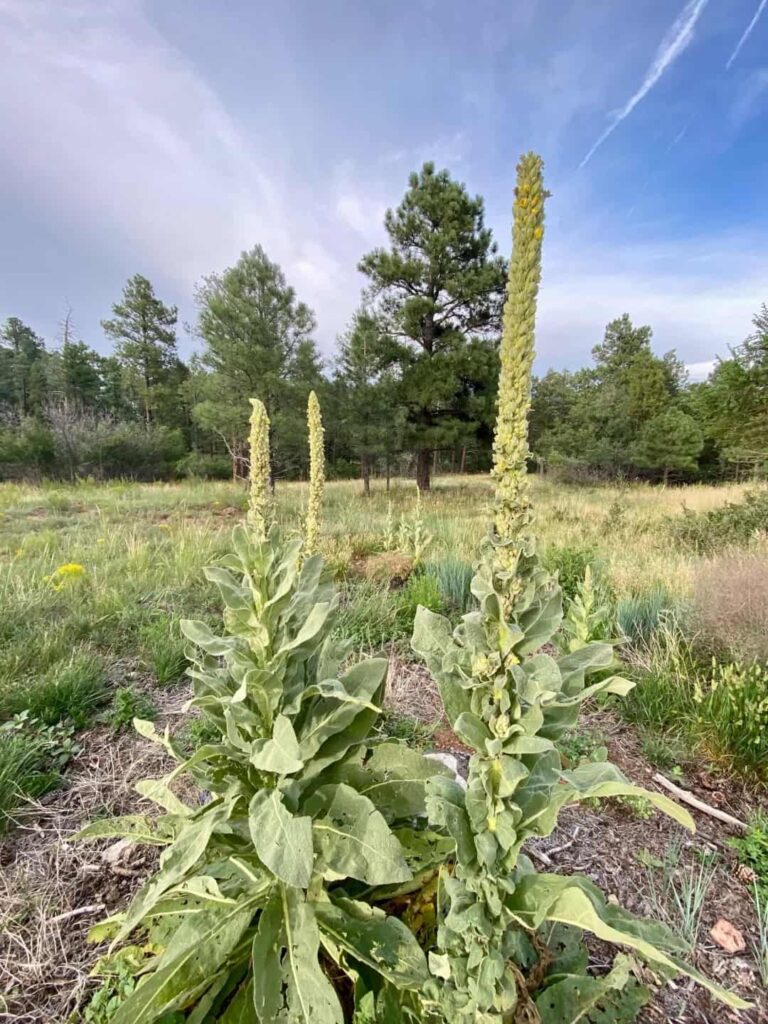
1. Mullein

If natural toilet paper had a five-star, luxury resort edition, Mullein would be it. This plant is the universe apologizing for your poor life choices.

It’s often called “Nature’s Toilet Paper” not as a cute nickname, but as a literal, functional title.

The Experience: Imagine you’re in a dire situation. You’re panicking.

Then you see it: a tall stalk crowned with a rosette of enormous leaves that look like they’re made of gray-green bunny fur.

You pluck one. It’s soft. Not “oh, that’s kinda soft” soft. I’m talking “luxury bathrobe stolen from a fancy spa” soft.

The velvety texture (botanists call it “tomentose,” which is just a fancy word for “blessedly fuzzy”) is a miracle.

It’s absorbent, gentle, and, crucially, large enough that you can employ a civilized “fold-over” technique, which feels incredibly dignified under the circumstances.

The Caveat: First-year plants are best. The second-year plants send up a giant flower stalk, and those leaves are a bit tougher.

Also, do not, under any circumstances, confuse it with foxglove (Digitalis), which is poisonous and looks vaguely similar to the untrained eye.

A good rule of thumb: if the leaves feel like a soothing flannel, you’re golden.

If they’re just kinda…leafy, maybe move on.

My method became a frantic chant: “Velvet good, smooth bad. Velvet good, smooth bad.”

2. Lamb’s Ear

Lamb’s Ear is Mullein’s slightly more refined, cottage-garden cousin. You might know it as that fluffy plant your grandmother grew because it was “petable.”

Little did she know she was cultivating a wilderness emergency kit.

The Experience: The fuzz on Lamb’s Ear is denser and even softer than Mullein, if you can believe it.

It’s like wiping with a freshly shorn… well, lamb’s ear. The leaves are a perfect, cupped size, making them ergonomically brilliant for the task at hand.

They’re incredibly gentle, making them the ideal choice for anyone with skin that considers a stiff breeze an act of aggression.

The Caveat: They aren’t as big or as structurally sturdy as Mullein. You might need a handful.

And while they’re common in gardens and disturbed soil, they might not be as widespread in deep wilderness as some other options.

But if you find a patch, it’s like stumbling upon a boutique tissue shop in the middle of the desert.

3. Bigleaf Aster

When the going gets tough, the tough get a leaf that won’t fall apart on them. Enter the Bigleaf Aster, colloquially and gloriously known as “Lumberjack Toilet Paper.”

This name inspires confidence. It implies a no-nonsense, durable product endorsed by men with giant beards and a casual relationship with chain saws.

The Experience: The name doesn’t lie. The leaves are big—often as large as your hand—and notably durable.

They have a certain heft and a slightly waxy, flexible quality. You won’t get the cloud-like softness of Mullein here; this is about functionality.

It’s the difference between a plush, triple-ply tissue and a sturdy, reliable paper towel. Sometimes, in life’ messy moments, you need the paper towel.

It holds up. It performs. It gives you the psychological assurance that you won’t have a… structural failure.

The Caveat: The underside can be a tiny bit prickly if you get a mature leaf, so give it a quick rub between your fingers first.

Maybe do the “cheek test” on your forearm. But for sheer, dependable bulk, the Lumberjack’s choice is a solid A.

4. Thimbleberry Leaves

If you’re in berry-picking territory in North America, keep an eye out for the Thimbleberry plant.

The berry is delicious, but the leaf is the main event for the unprepared hiker.

These leaves are enormous—often bigger than your face—and famously, wondrously soft.

The Experience: Picking a Thimbleberry leaf is like pulling a green silk handkerchief from a magician’s sleeve.

They are that soft. They’re also subtly fuzzy, but in a sleek way, not a woolly way. Their size is their greatest asset; a single leaf is often more than sufficient, allowing for folds, contingencies, and even a final “polishing” layer. It feels extravagant.

It’s the leaf equivalent of using a bath sheet instead of a hand towel.

The Caveat: They can be thin. Their glorious softness means they aren’t as durable as, say, the Bigleaf Aster.

You must employ a gentle, diplomatic technique. This is not a leaf for vigorous scrubbing. This is a leaf for delicate pats and dabs.

Handle with care, and it will repay you in kindness.

5. Cottonwood Leaves

Cottonwood trees like their feet wet, so you’ll find them near streams, rivers, and lakes. And where there is water, there is… well, often a need for the facilities. Convenient!

The Experience: Cottonwood leaves are a triumph of design. They are a classic, pleasing shape—like a heart that got a little too pointy—with a stem that’s long enough to act like a little handle (a feature you will come to appreciate more than you’d ever think possible).

The texture is smooth and flexible, almost like thin, pliable suede. They’re not fuzzy, but they’re not abrasive either.

They’re a neutral, reliable, and abundantly available option when you’re following a water source. Plus, that stem-handle keeps your operational distance maximized, which is always a plus.

The Caveat: In spring, they release a blizzard of fluffy seeds—the “cotton.” Do not, I repeat, DO NOT attempt to use the seed fluff as a substitute.

It will stick to everything. You will emerge from the woods looking like a half-plucked chick and feeling profoundly betrayed. Stick to the leaves.

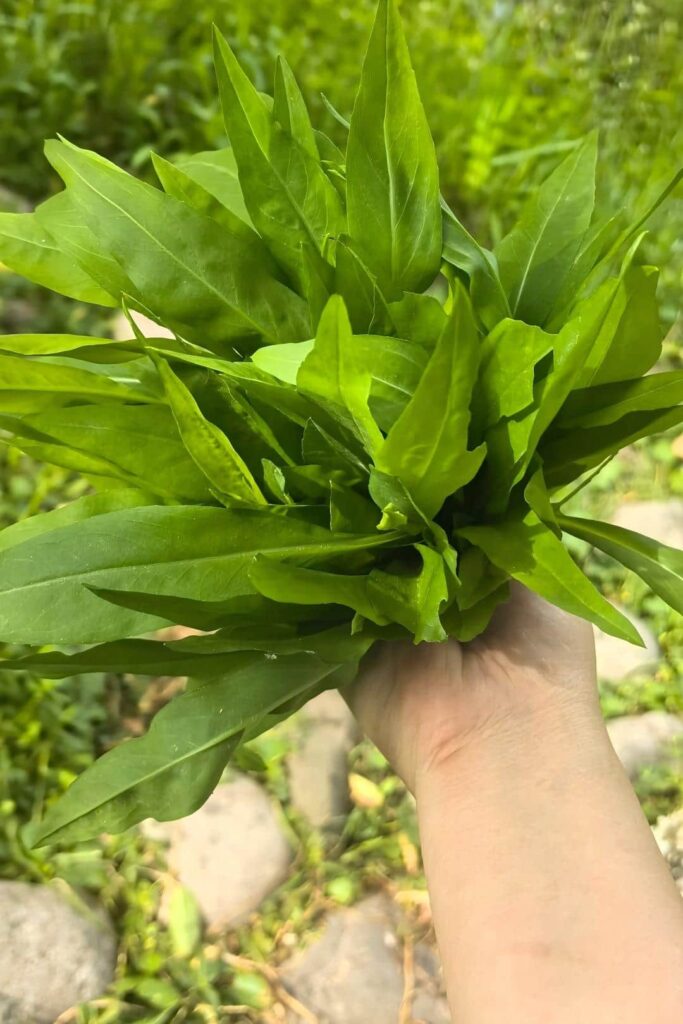
6. Plantain Leaves

We’re talking about Broadleaf Plantain (Plantago major), the unassuming lawn weed you’ve probably stepped on a thousand times.

This plant is a pharmacy and a bathroom cabinet in one. The leaves are soft, slightly ribbed, and surprisingly tough.

The Experience: There’s a wonderful duality to the Plantain leaf. It’s soft enough for sensitive skin, yet the parallel veins give it a structural integrity that prevents catastrophic tearing.

It’s the everyday workhorse of the natural wiping world. You can crush it to soften it up even more (it gets vaguely mucilaginous, in a helpful way), or use it as-is.

It’s almost always underfoot, even in disturbed soil and trail sides, making it one of the most reliably findable options in a pinch.

The Caveat: The central stem can be a bit tough. Some bushcrafters recommend stripping the leaf away from the stem and using the two leafy halves.

In a crisis, you probably won’t bother, but it’s a pro-tip for the discerning leaf-user.

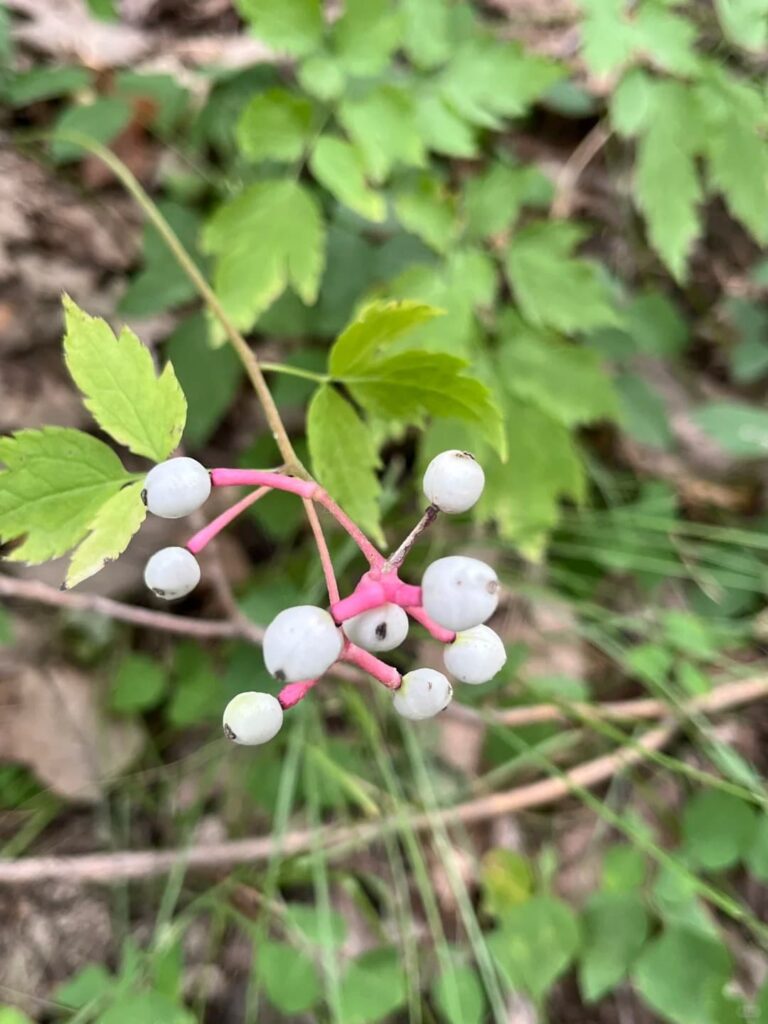
7. Snowberry Leaves

Snowberry bushes, with their distinctive white berries that go pop underfoot, offer a more discreet option. The leaves are small, oval, and smooth as a river stone.

The Experience: This is the “boutique hotel facial tissue” of the forest. You’re not going to get a lot of coverage per leaf, so harvesting Snowberry leaves for this purpose feels a bit like using hundred-dollar bills to start a campfire—possible, but requiring a lot of them.

However, for a final, confidence-inspiring polish, or for those with exceptionally sensitive terrain, their flawless, non-abrasive surface is unparalleled.

They require a delicate, almost artistic approach.

The Caveat: The small size is the obvious one. You’ll need a small bouquet. Also, be 100% sure you’ve identified Snowberry, as many small, oval-leaved plants are not your friend.

But if you know it, and you need a gentle touch, it’s a secret luxury.

8. Banana Leaves

If your wilderness emergency happens to be in a tropical region, look up. The Banana leaf is the undisputed king of scale.

We’re talking about a leaf that can be eight feet long and two feet wide. You could fashion a small canoe from one, or a very effective privacy screen.

The Experience: It’s less “using a leaf” and more “deploying a biological tarp.” You don’t pick a Banana leaf; you claim a section of it.

It’s durable, flexible, and smooth. You can fold it, pleat it, or use a single, generous fragment.

The sheer abundance of material is psychologically comforting.

It feels wasteful, in the best possible way. You could solve your problem and still have enough leaf left over to wrap a fish for dinner.

The Caveat: The edges can sometimes have a tiny, hair-like fiber that might be irritating. Give the edge a quick snap or tear it off.

Also, the sap can be a bit sticky, so aim for a clean, inner section. But really, the main caveat is geographical envy. Those of us in temperate forests can only dream of such bounty.

9. Skunk Cabbage Leaves

Skunk Cabbage deserves its own warning label, written in bold, shrieking capitals. It is the emergency brake you pull when every other option has failed.

It gets its name from its foul odor when crushed, a smell that hovers between burnt rubber and existential despair.

The Experience: You will find it in wet, swampy areas. The leaves are enormous—like something a dinosaur would hide under.

They are thick, sturdy, and, crucially, available very early in spring when nothing else has sprouted. In a true, “it’s this or my sock” scenario, you can use it.

EXTERNAL USE ONLY. The leaf itself is not caustic to the skin.

The Caveat: DO NOT INGEST. DO NOT EVEN THINK ABOUT IT. Every part of this plant is packed with calcium oxalate crystals—tiny, needle-like shards that will make your mouth and throat feel like you’ve swallowed a hive of angry fiberglass.

But as a last-resort, external wipe? It’s big. It’s sturdy. You will feel like you’re using a piece of flexible green cardboard.

And you will smell… interesting afterwards. Use with extreme prejudice and only when truly desperate.

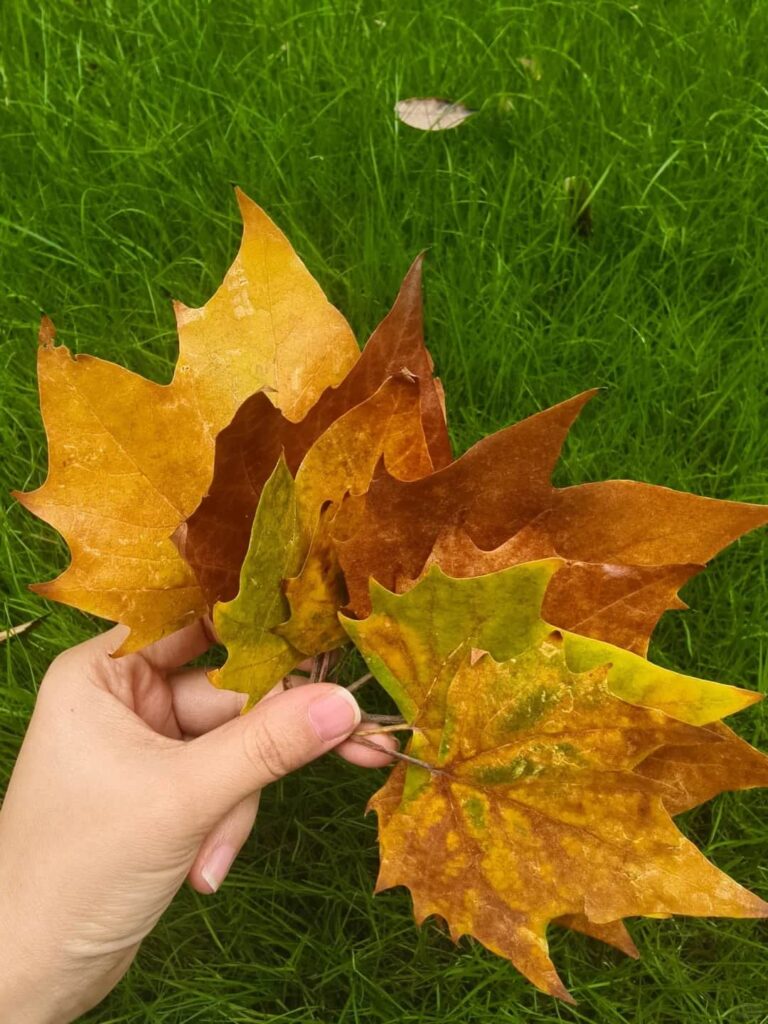
10. Maple Leaves

Last, but certainly not least, the humble Maple leaf. In many parts of the world, they are the default “oh look, a leaf” leaf. And they are a perfectly serviceable choice.

The Experience: Maple leaves are everywhere in season. They’re a good size, generally smooth, and flexible.

They’re the “house white wine” of natural toilet paper—not exceptional, but reliable and better than nothing.

Avoid the very old, crunchy ones (obviously). A freshly fallen, still-pliable leaf, or a low-hanging green one, is your target.

The classic shape even gives you convenient points for a strategic grip.

The Caveat: Some people with very sensitive skin might find the slight texture of the veins to be a bit much.

Also, avoid any leaves with obvious mildew, insect damage, or suspicious splotches.

When in doubt, practice the “Universal Leaf Test”: grab it, feel it on the sensitive skin of your inner wrist.

If it feels okay there, it’s probably okay for its intended, more critical purpose.

Conclusion

The ultimate lesson, the one I brand into my soul every time I pack my bag now, is this: JUST BRING THE TOILET PAPER.

A small Ziploc bag with a half-roll weighs nothing and is worth more than its weight in gold. It is the single greatest luxury item you can pack.

But life is unpredictable. Bags get lost, rivers rise, and digestive systems rebel with the timing of a Shakespearean tragedy.

In those moments, it’s good to look around not with panic, but with the discerning eye of a connoisseur.

Is that Mullein? Rejoice. Is it Plantain? A solid choice. Is it Skunk Cabbage?

Well, take a deep breath (but not too deep), and may fortune favor you.

Leave a Comment

Your email address will not be published. Required fields are marked *

Scroll to Top