A Humble Guide to 10 Natural Tinder Sources in the Wilderness

Spread the love

 I’ve decided to reconnect with my primal roots, which, according to my DNA test, are mostly “British and Irish,” so historically more about complaining about the rain than conquering the wilderness.

My goal: to start a fire. Not with a lighter, or even matches—that’s for quitters. No, I’m using a ferro rod. For the uninitiated, it’s a metal stick you scrape to make sparks. It makes you look incredibly competent in YouTube videos and incredibly foolish in reality.

The problem wasn’t my spark. It was my tinder. I’d committed the classic rookie error: confusing “small sticks” with “actual tinder.” Tinder is the intermediary, the hype-man, the thing that turns a fleeting spark into a glorious, flame-wielding promise of warmth and cooked marshmallows.

So, after that humbling baptism by (non)fire, I became a tinder obsessive. I’ve poked, shredded, and set smelly fungal things alight all in the name of science.

Here are the ten natural tinder sources that actually work, presented with the hard-won, slightly singed wisdom of someone who has failed spectacularly so you don’t have to.

Table of Contents

1. Dry Birch Bark: The Show-Off

If natural tinder had a valedictorian, it would be birch bark. This stuff is the overachiever of the forest.

It’s not just good; it’s obnoxiously, reliably good. The key is in those natural oils (betulin, if you want to be fancy at parties).

They make the bark water-resistant, meaning it will often burn even when damp.

I’ve peeled it off after a light drizzle and watched it crackle to life like it was sunbathing in the Sahara.

How to Use It

Don’t just light a big sheet. That’s wasteful and less effective. Tear or shave it into a fluffy pile of curls.

The more surface area, the more it says “HELLO SPARK, WELCOME TO THE PARTY!” to that little ember.

I keep a few big strips in a zip-lock bag in my pack at all times. It’s my security blanket.

When I pull it out, my camping buddies stop eyeing me with concern and start gathering kindling.

It burns hot and fast, so have your next fuel stage ready to go.

Funny Anecdote: Once, I was so proud of my birch bark stash that I decided to show off. “Behold!” I proclaimed, striking a majestic spark.

The bark ignited with such enthusiastic vigor that it also lit the loose thread on my quick-dry hiking pants.

For a thrilling three seconds, I was both the fire-starter and the human candle. Lesson learned: contain your enthusiasm, both metaphorically and literally.

2. Cedar Bark Shavings: The Patient Friend

Cedar has a smell that instantly convinces you you’re a wise woodsman building a shelter for your loyal wolf companion.

The outer bark is tough, but the inner bark… ah, the inner bark is a treasure. It’s fibrous, soft, and begs to be turned into a bird’s nest of tinder.

How to Use It

Find a standing dead cedar, or a loose piece of bark. Use your knife (or a sharp rock, if you’re going full Neanderthal) to scrape away at the inner layer.

You’ll get these amazing, hair-like shavings. Gently roll and fluff them in your hands into a loose, airy bundle.

This bundle is a spark trap. It doesn’t burn as violently as birch bark, but it catches a spark with the gentle insistence of a grandmother accepting a hug.

It will smolder steadily, giving you precious time to nurse it into flame.

Funny Anecdote: My first time trying this, I got too into the shredding. I was in a zen-like state, creating the most perfect, fluffy cedar nest the world had ever seen.

I was so focused on the craft that I didn’t notice the slight breeze. I struck my spark, it landed perfectly, and the entire, beautiful nest instantly poofed into a single, glorious ember that the wind whisked away into the dusk.

I was left holding a tiny, smoking ring of nothing. I’d created art, not utility.

Now, I always form my nest in a sheltered nook or cupped hands.

3. Fatwood (Resin-Soaked Pine): The Arsonist’s Dream

If you find this in the wild, you have won the forest lottery. Fatwood, also called “lighter wood” or “pine knot,” is where a pine tree decided to become a torch.

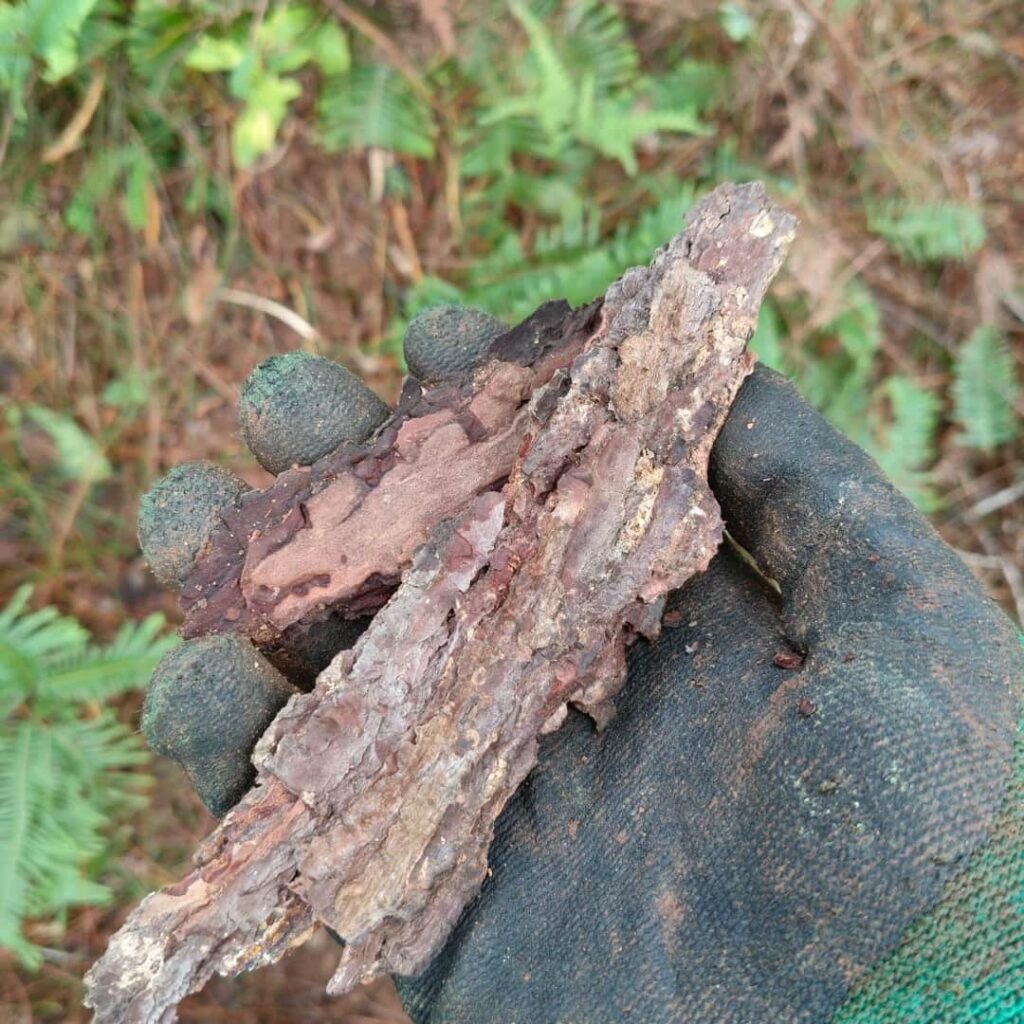
It’s sections of heartwood saturated with solidified resin. You’ll find it in the stumps and joints of dead pine trees.

It looks like normal wood but feels heavier and smells intensely of turpentine when shaved.

How to Use It

You don’t so much light fatwood as accuse it of being flammable and watch it plead guilty. Shave off small curls or make feather sticks with it.

A single spark will cause it to ignite with a satisfying whoosh and burn with a smoky, resinous flame for a surprisingly long time.

It’s less of a tinder and more of a “tinder and kindling hybrid.”

A few small pieces can leapfrog you straight to small fuel.

Funny Anecdote: I once gave a piece of fatwood to a city friend on a camping trip, telling him it was “nature’s lighter.”

He looked skeptical. Later, I saw him trying to use a Bic on a damp log. It wasn’t working. With a theatrical sigh, I took his knife, shaved a pile of fatwood dust onto the log, and struck a single spark.

The resulting flame shot up six inches with a loud POP.

He jumped back, yelled “YOU’RE A WIZARD!”, and demanded to know where I kept my wand. I told him it was in my other pocket.

4. Cattail Fluff: The Supermodel

Cattail fluff is the supermodel of the tinder world: stunningly effective, incredibly high-maintenance, and utterly useless in bad weather.

In late summer and fall, the brown cigar-shaped seed heads burst open to reveal a mass of fine, silky fluff attached to tiny seeds.

This stuff is a spark’s best friend.

How to Use It

Gently collect a golf-ball sized mass of the fluff. The key is to not compact it. Leave it loose and airy.

When you drop a spark into it, the reaction is almost explosive. It doesn’t so much catch as it consumes the spark in a brief, brilliant flash of flame.

It burns very quickly, so you need to have your finest, driest kindling poised and ready to go like a surgical team.

Funny Anecdote: I learned about its weather sensitivity the hard way. I’d collected a majestic puffball of cattail fluff.

A slight, almost imperceptible mist began to fall. I struck my spark. The fluff didn’t ignite.

It just absorbed the spark, sighed, and sagged into a sad, damp wad that looked like a wet chinchilla. It’s fabulous, but it’s a diva. Treat it as such.

5. Dry Grass or Meadow Hay: The Everyman

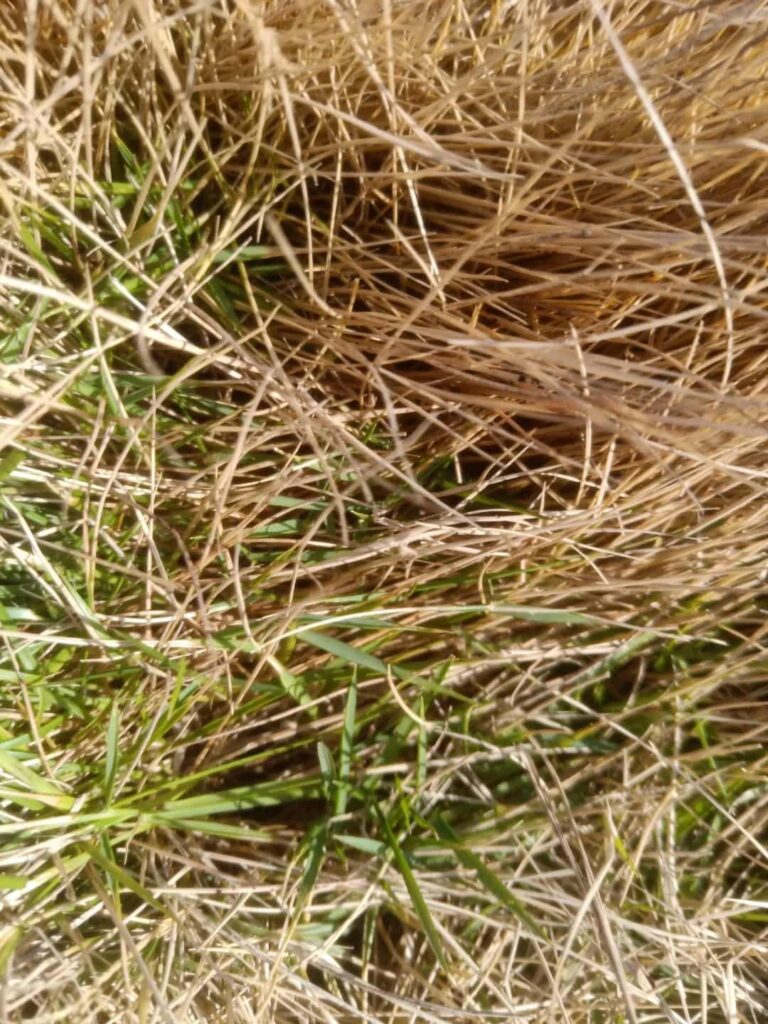
This is the tinder you turn to when you can’t find the fancy stuff. It’s everywhere. The trick isn’t finding it; it’s using it correctly.

A tight handful of grass is a spark’s tomb. You need air.

How to Use It

Gather a substantial bundle—much more than you think you need. Then, loosely twist it into a bird’s nest shape, leaving lots of gaps and hollows in the center.

You’re creating a structure, not a brick. Place your spark into the heart of this nest, then gently blow at the base.

The grass will smolder and, with careful encouragement, flare into flame. It takes practice, but it’s the most universally applicable lesson in fire-starting.

Funny Anecdote: My early grass nests always failed. I’d blow on them with the force of a man trying to inflate a bouncy castle with his lungs.

I’d see an ember, give it the full force of my diaphragm, and promptly extinguish it in a hail of spit and despair.

I finally learned the art of the gentle, focused breath.

Fire-starting, I discovered, is more like whispering sweet nothings to an ember than screaming at it to be alive.

6. Punk Wood (Rotten, Dry Wood): The Slow Burner

Don’t let the name fool you. This isn’t “punk” as in rebellious. It’s “punk” as in spunk, an old word for tinder.

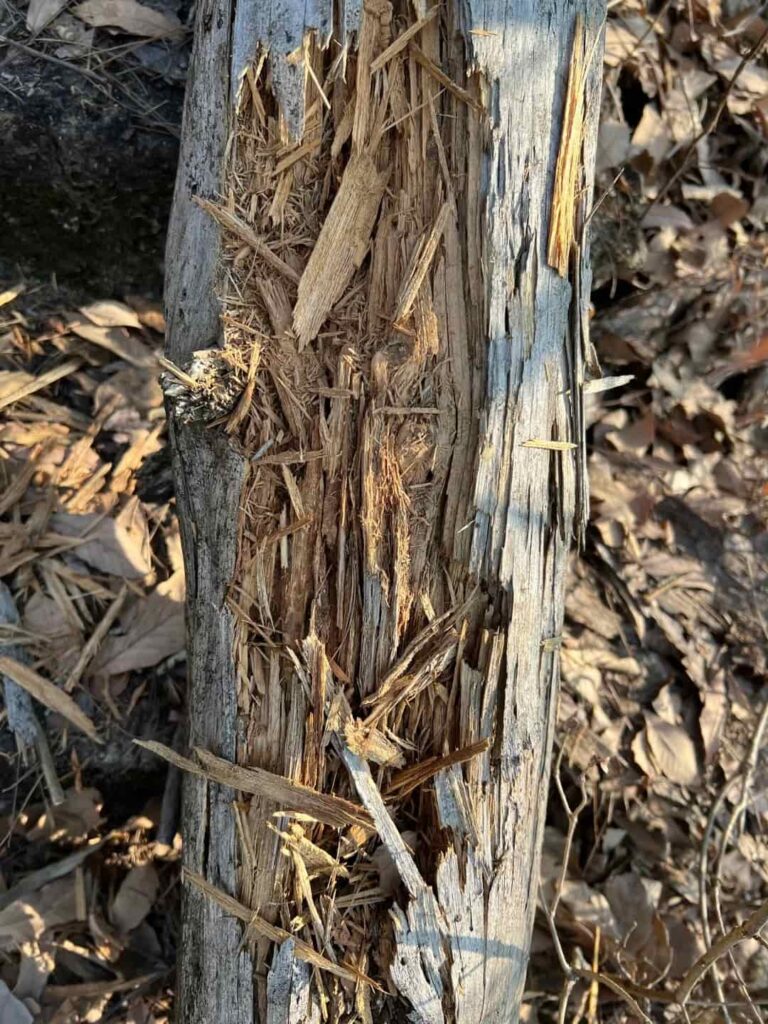
It’s the soft, crumbly, rotten interior of a dead log. It feels like a dry sponge and looks like something you’d avoid.

How to Use It

The beauty of punk wood isn’t in a big flame, but in a long, steady ember. You can catch a spark on a piece of punk wood and it will smolder for minutes, even hours if you’re clever.

This is the stuff our ancestors used to carry fire from place to place. Break off a dry piece, make a small depression in it, and direct your sparks there.

Once it’s glowing, you can add it to a tinder bundle or use it to light other, more volatile materials.

Funny Anecdote: I once managed to get a beautiful ember going in a piece of punk wood.

I was so thrilled with my slow-burning success that I carefully placed it in my prepared tinder nest… and immediately smothered it by piling on too much material.

I’d successfully kept an ember alive for ten minutes, only to kill it with overbearing kindness. It’s a delicate dance.

7. Pine Needles (Dry): The Quick Fix

A huge pile of dry pine needles is tempting. They crackle! They smell great! They must be good! And they are… for about three seconds.

They are the flash-in-the-pan of tinder.

How to Use It

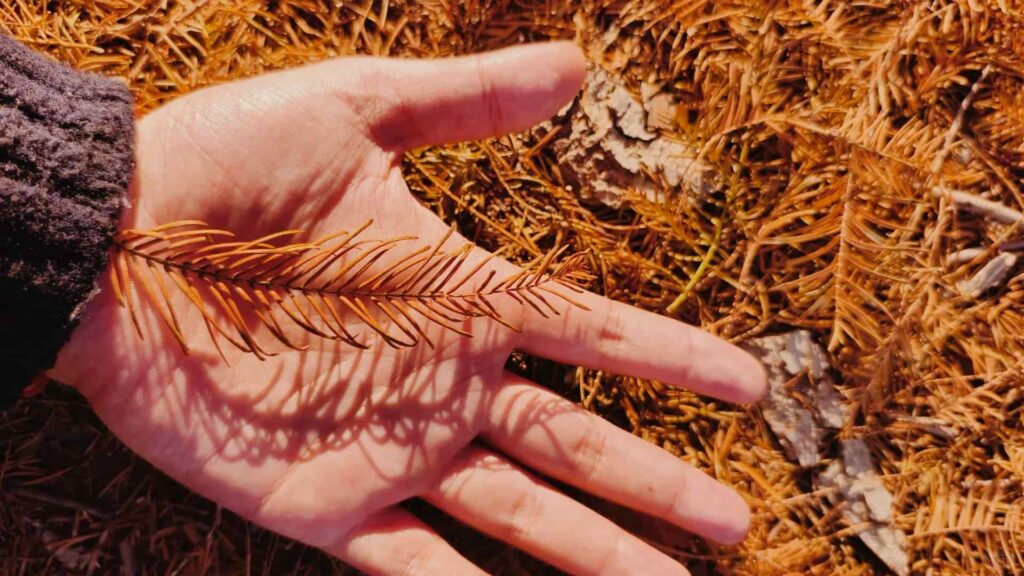
Use them as a top layer, not the main event. Their resin content makes them ignite instantly with a cheerful sizzle, but they burn out faster than my motivation to do laundry.

Create your core tinder bundle with something slower and steadier (cedar shavings, grass, birch bark curls), then use a handful of dry pine needles as a crown.

The spark lights the needles, the needles’ quick flame ignites the more substantial bundle below. They’re the kindling for your tinder.

Funny Anecdote: I made the classic error of using only a big, fluffy pile of pine needles. I got my spark.

The whole pile went up in a fantastic, roaring, camera-worthy blaze that lasted approximately 1.5 seconds.

Then it was gone, leaving behind a blackened circle on the ground and a smell of disappointment. My kindling hadn’t even gotten warm.

8. Fungus Tinder (Chaga, Horseshoe Fungus, etc.): The Wise Old Wizard

This is advanced-level, old-world stuff. It feels less like camping and more like alchemy.

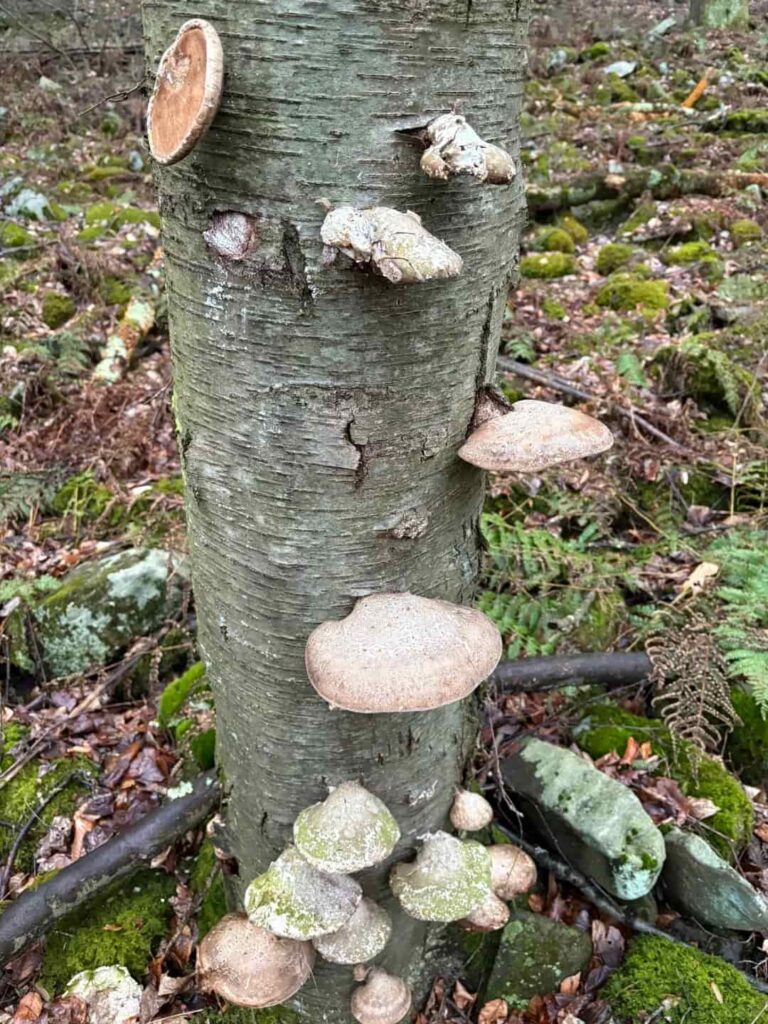
Fungi like Chaga (the black, crusty growth on birch trees) and true Tinder Fungus (Fomes fomentarius) have been used for millennia not just to catch a spark, but to carry it.

How to Use It

This requires preparation. The inner “flesh” of these fungi, when dried and pounded, becomes a felt-like material called amadou.

You char it (burn it slightly without letting it turn to ash) to make it even better at catching a spark.

You then use a flint and steel (not a ferro rod) to strike a spark directly onto it.

The spark will lodge in the amadou and grow into a glowing coal that you can then transfer to your tinder bundle.

It’s slow, deliberate, and makes you feel like you’ve discovered a secret of the universe.

Funny Anecdote: My first attempt at preparing amadou looked less like a wise woodsman’s craft and more like a toddler murdering a mushroom.

I boiled it, I hammered it, I sliced it. I ended up with a pile of crumbly, useless bits and one leathery scrap that sort of worked.

I finally got an ember, held it aloft in triumph, took a deep breath to blow it to life… and inhaled a lungful of smoky fungal spores.

My subsequent cough blew the ember across the clearing. A true, historic, hacking failure.

9. Seed Down (Milkweed, Thistle, etc.): The Delicate Whisper

This is the cattail fluff’s more refined cousin. The tiny, parachute-like filaments attached to milkweed or thistle seeds are almost weightless.

They are the ultimate spark catcher.

How to Use It

You must contain it. If you just have a loose pile, the spark will burn it up in a microsecond, or a breeze will steal it.

Pack it lightly into a small container—a dried walnut shell, a bundle of leaves, or even a natural depression in a piece of bark.

Drop your spark into this contained mass. It will ignite in a flash, but the container helps direct that flash of heat upward onto your waiting kindling.

Funny Anecdote: I spent an hour collecting milkweed down on a perfectly still day. I had a beautiful, soft ball of it.

I laid it gently on a stone, arranged my kindling teepee over it with surgeon-like precision, and knelt down to strike my spark.

As I brought the ferro rod down, my own knee-creak-induced exhale was enough to send half of my precious down floating serenely away.

I lit the remaining half, which flashed and died before my kindling even noticed.

10. Dry Leaves (Crumbled): The Fallback Plan

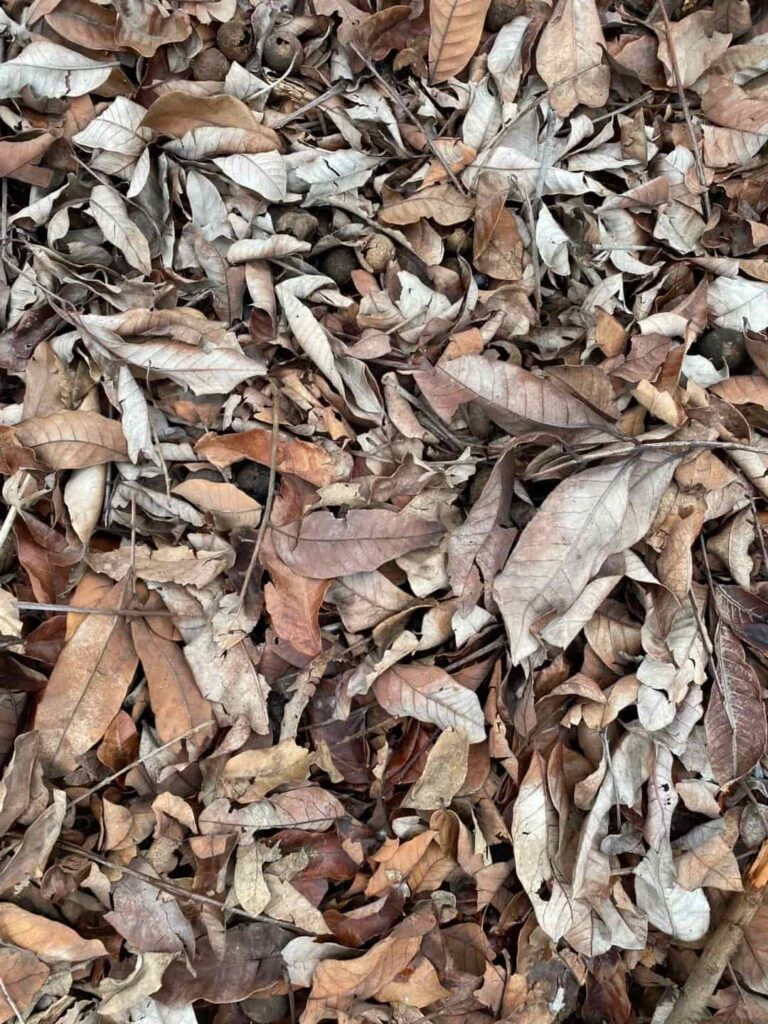
In the crisp days of autumn, the ground is littered with potential. But big, whole leaves are terrible.

They either smother a spark or curl up and die. They need to be convinced.

How to Use It

Gather a big handful of dry, brittle leaves (oak, maple, beech—avoid waxy ones like magnolia). Now, crumble them in your hands over your fire site.

Don’t just break them in half; really crush them into a pile of fragments. This vastly increases surface area and removes the leaf’s structural integrity.

Wadding this crumbled pile into a loose nest gives your spark countless tiny, dry edges to bite into. It’s not the best, but it’s often the most available.

Funny Anecdote: In a moment of desperation, I tried using dry leaves. I didn’t crumble them. I just made a nest of whole, crunchy leaves.

My spark landed, skittered across the surface like a stone on ice, and expired. I, a grown adult, then spent five minutes angrily crumpling leaves while muttering, “Fine.

You want to be crumbled? I’ll crumble you.” It worked.

The fire that finally started felt like it was fueled by petty vengeance, which is apparently a very potent accelerant.

Conclusion

My journey from ferro-rod-fumbling-fool to semi-competent fire-starter wasn’t about mastering one tool.
It was about learning to listen to the forest’s hardware store.

Each of these ten materials has a personality, a best-use case, and a way to humiliate you if you get it wrong.

Leave a Comment

Your email address will not be published. Required fields are marked *

Scroll to Top