30 Best Survival Tricks for Finding Safe Drinking Water in the Jungle

Spread the love

The jungle, with its oppressive humidity, constant drip-drip-drip, and flora that seems actively hostile, is a different beast entirely.

My canteen was emptier than my promises to “start going to the gym” after this trip.

My throat felt like I’d been gargling sandpaper and despair.

It was in that moment of pure, unadulterated thirst that I realized everything I knew about finding water was designed for, well, anywhere but here.

I made it my mission to become a connoisseur of jungle hydration.

So, strap on your imaginary bug spray, and let’s dive into the soggy, wonderful, and occasionally terrifying world of wilderness water survival in the tropics. 

Table of Contents

1. Follow animal trails

Think of these as the jungle’s highway system. You’ve got the tiny insect freeways, the mid-sized rodent routes, and the larger ungulate interstates.

While I don’t recommend taking fashion advice from the local wildlife, I highly recommend taking hydration advice from them.

They know where the good stuff is. Just remember, you’re not the only one using this intel.

Be aware of your surroundings, because the other patrons of this particular waterhole might have more teeth than you.

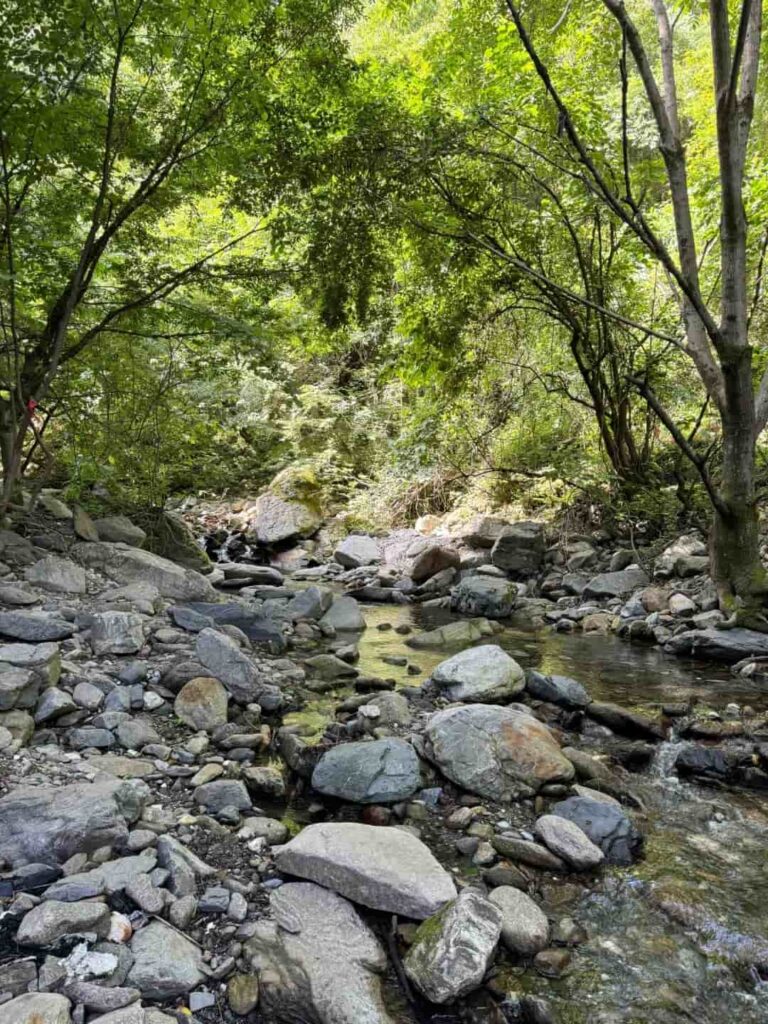
2. Listen for running water

In the jungle, your ears are often more useful than your eyes. Stop. Just stop moving. Stop breathing so loudly (a skill I perfected after spooking a troop of howler monkeys who then expressed their displeasure in a very auditory way).

Listen for the low, consistent rumble of a river or the cheerful gurgle of a stream. The dense foliage acts like a natural amphitheater, amplifying the sound.

It’s nature’s Spotify playlist, titled “Lifesaving Lullabies.”

3. Look for slopes and natural drainages

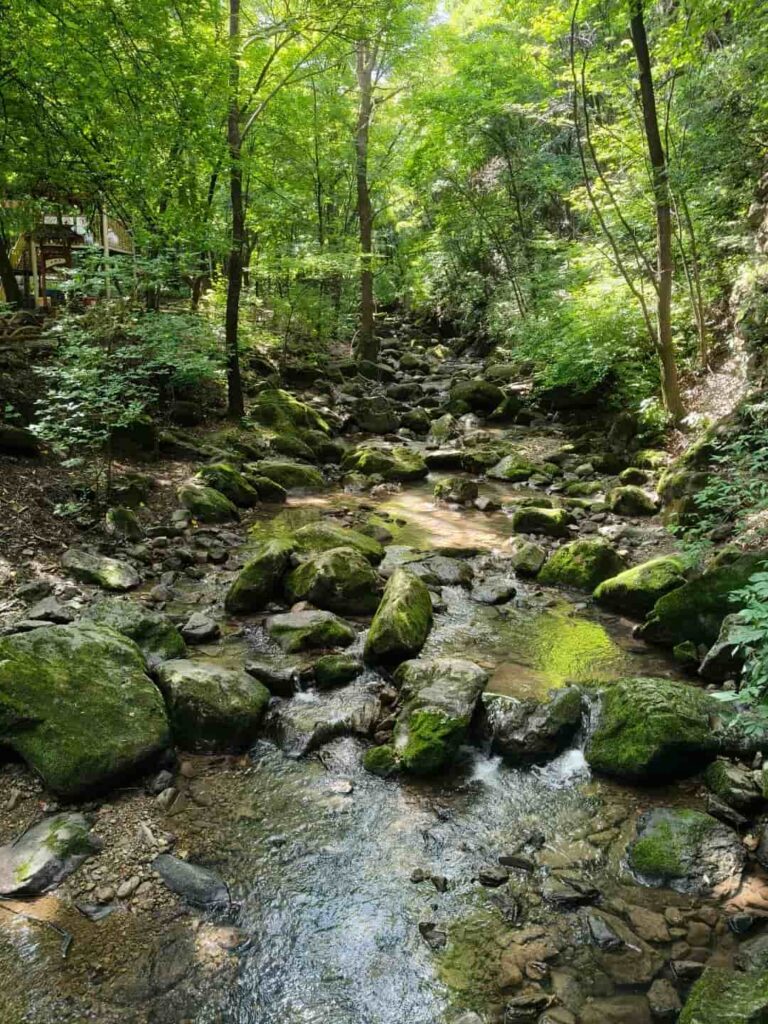
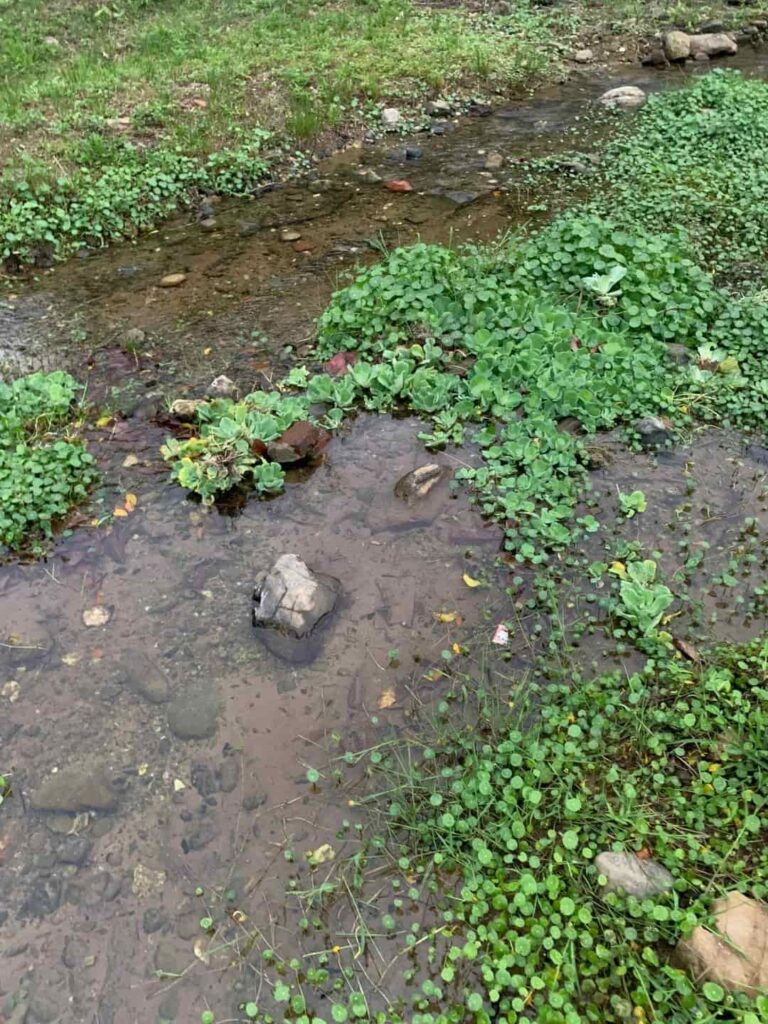
Gravity is your friend. It’s a simple, reliable pal who never lets you down. Water always seeks the lowest point. So, if you find yourself on a slope, follow it down.

Look for natural grooves in the terrain, erosion patterns, and channels where water has clearly traveled during the last downpour.

Walking uphill for a better view is one thing; walking uphill to find water is a fool’s errand.

4. Check bamboo stands

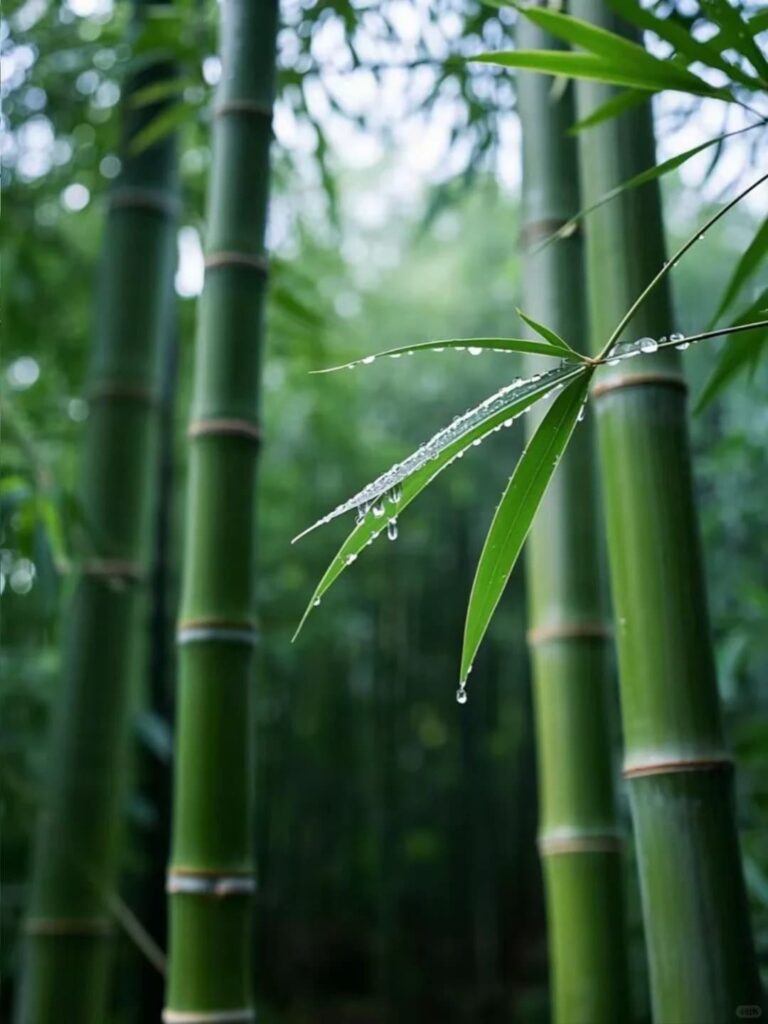
Bamboo is the Swiss Army knife of the plant world. You can build a shelter with it, make tools, and, yes, get a drink.

Find a large, healthy-looking bamboo stalk and give it a shake. If you hear a sloshing sound, you’ve hit the jackpot.

Carefully puncture the node at the bottom, then puncture one higher up to let air in. Clear, cool water will trickle out.

It’s like a natural vending machine, though I don’t recommend shaking it too hard if you want a refreshing beverage and not a face-full of ants.

5. Search for vines with clear sap

This feels very Tarzan, and I’m here for it. Not all vines are created equal. You’re looking for a thick, woody vine.

Cut a deep notch near the bottom, then cut the vine several feet higher. If you’re lucky, clear, drinkable water will start to flow from the upper cut.

It’s a slow trickle, not a gushing fountain, so have your container ready.

Pro-tip: The water vine is often referred to as the “wait-a-minute” vine because of its thorns that make you stop. I prefer to call it the “hold-my-beer-I’m-getting-a-drink” vine.

6. Avoid milky, sticky, or bitter-tasting vine sap

This is the non-negotiable corollary to tip #5. The jungle is full of imitators. If the sap is milky, sticky like glue, or tastes bitter, spit it out immediately.

Do not swallow. Do not pass Go. Do not collect $200. Your body’s reaction to these will range from “unpleasant stomach ache” to “full-blown hallucinogenic trip followed by organ failure.”

I am not a botanist, but I have a very strict “clear or nothing” policy when it comes to vine-based beverages.

7. Collect rainwater from large leaves, tarps, clothing, or banana leaves.

When the heavens open up—and they will, with the dramatic force of a Shakespearean tragedy—you need to be ready.

This is free, clean(ish) water falling directly into your lap. Use a tarp or poncho as a giant funnel.

No tarp? Giant leaves like banana or heliconia are nature’s perfect bowls.

You can even use your own shirt—stretch it out to form a depression and let the water run into your mouth or container.

It’s inefficient and you’ll look ridiculous, but dignity is a small price to pay for hydration.

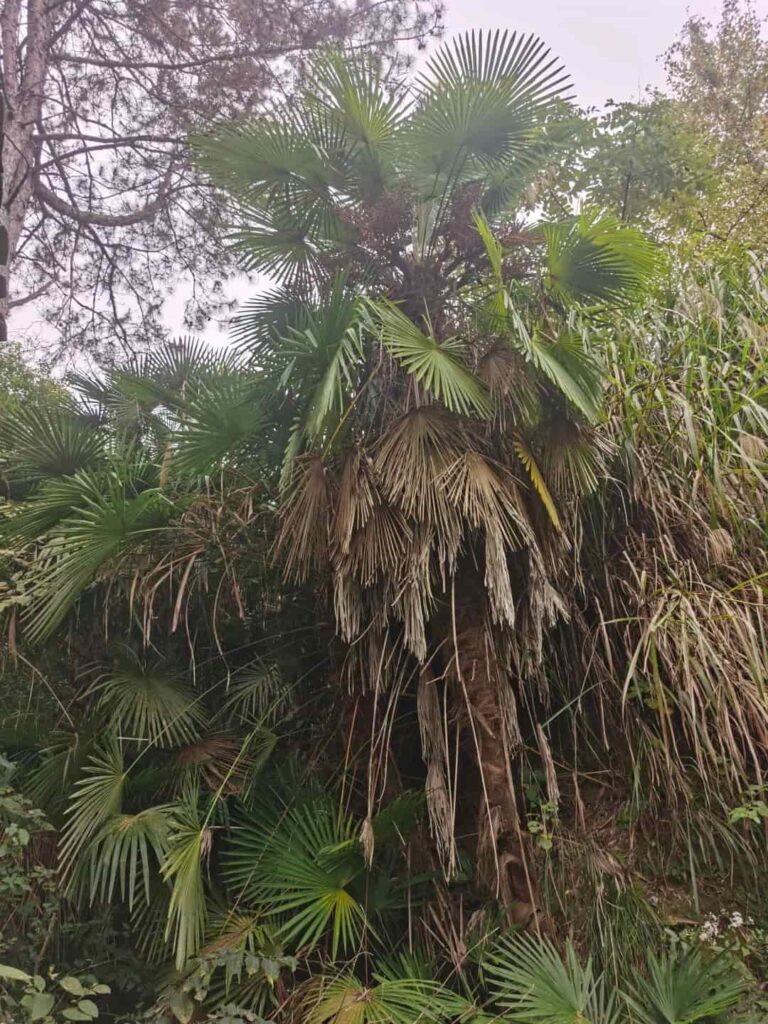
8. Look for palm trees

Certain palms, like the Buriti Palm, can hold significant water in their crown, where the leaves meet the trunk.

Getting to it is the tricky part, often requiring you to climb. If you see a fallen palm flower stalk, you can sometimes tap it and get a sweet, sugary liquid—nature’s energy drink.

But again, positive identification is key. Drinking from the wrong palm is the botanical equivalent of Russian roulette.

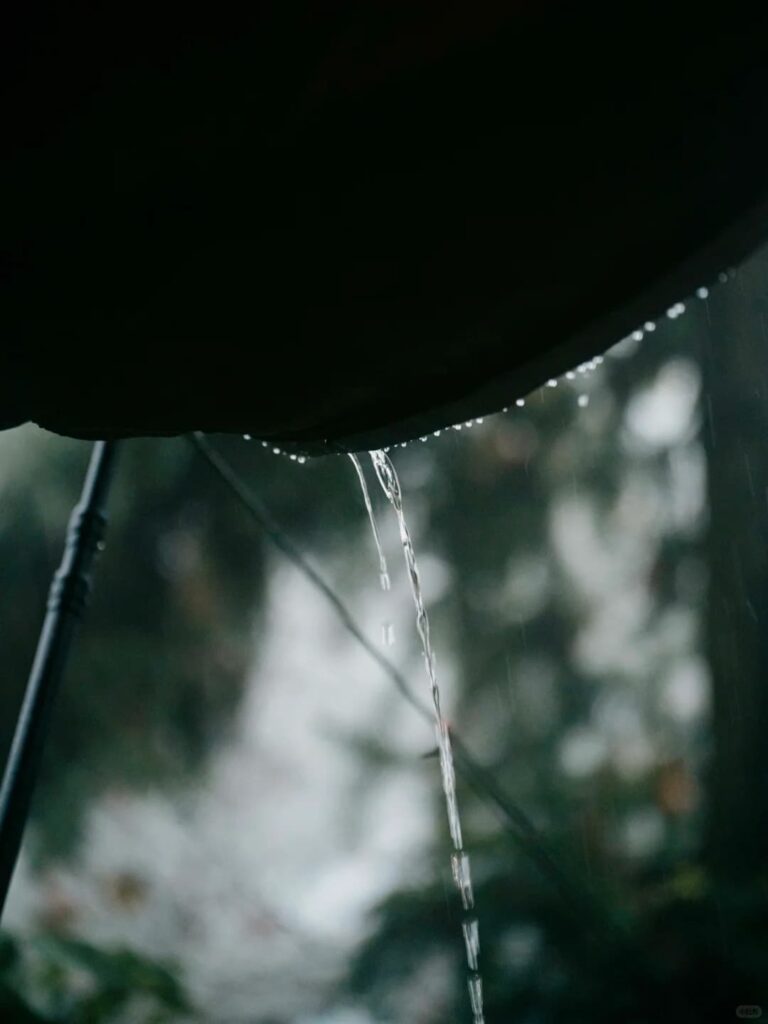
9. Use a tarp or poncho to funnel rainwater into containers during sudden downpours.

This is the big-league version of using a leaf. Set up your tarp or poncho with a distinct low point, and place your container underneath.

A sudden tropical downpour can fill multiple bottles in minutes.

It’s a frantic, glorious, and deeply satisfying race against the weather. I’ve danced in these rains, not out of joy, but to position my water bottles more effectively.

It’s a functional dance. A hydration jig, if you will.

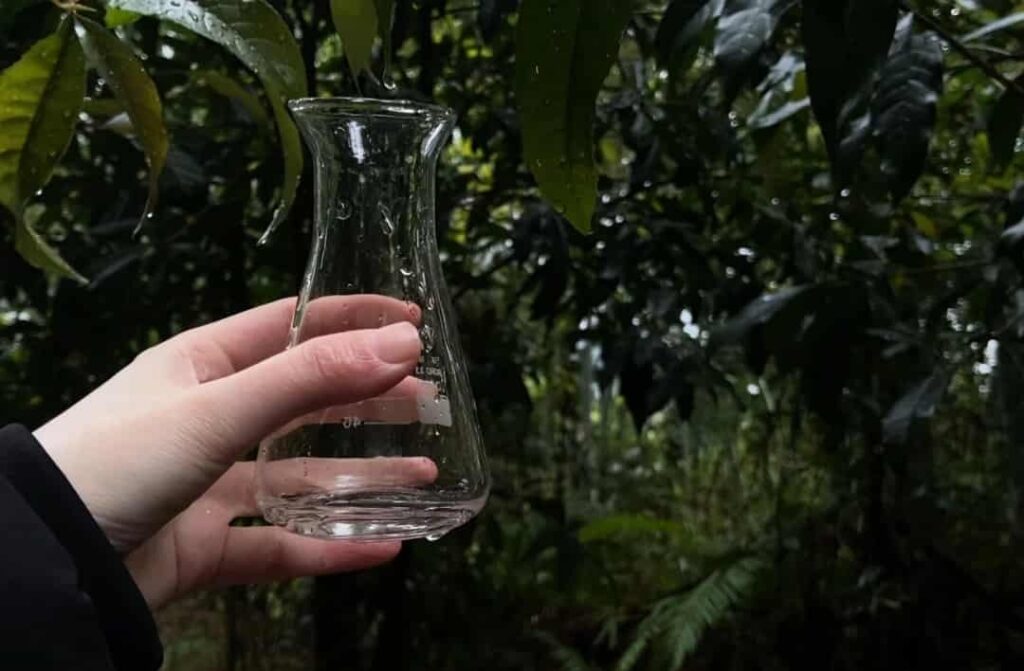
10. Catch drip lines

After a rain, the jungle keeps on raining long after the sky has stopped. The dense canopy acts like a massive water storage system, dripping for hours.

Look for large, broad-leaved trees that are still dripping consistently and place your containers strategically below.

It’s a slow but steady method, perfect for when you’re setting up camp for the night.

11. Tie bags around leafy branches for transpiration

This is my favorite jungle magic trick. Plants are constantly releasing water vapor through their leaves in a process called transpiration.

In the humid jungle, this process is on overdrive. Take a clear plastic bag and tie it tightly around a leafy, sun-exposed branch.

Over the course of a few hours, the water vapor will condense on the inside of the bag and drip down, collecting in the bottom.

It’s like having a slow-drip IV of pure H₂O straight from a tree. Just make sure the leaves are non-toxic. You’re collecting the water they exhale, not their sap.

12. Collect dew in early morning using leaves, fabric, or moss.

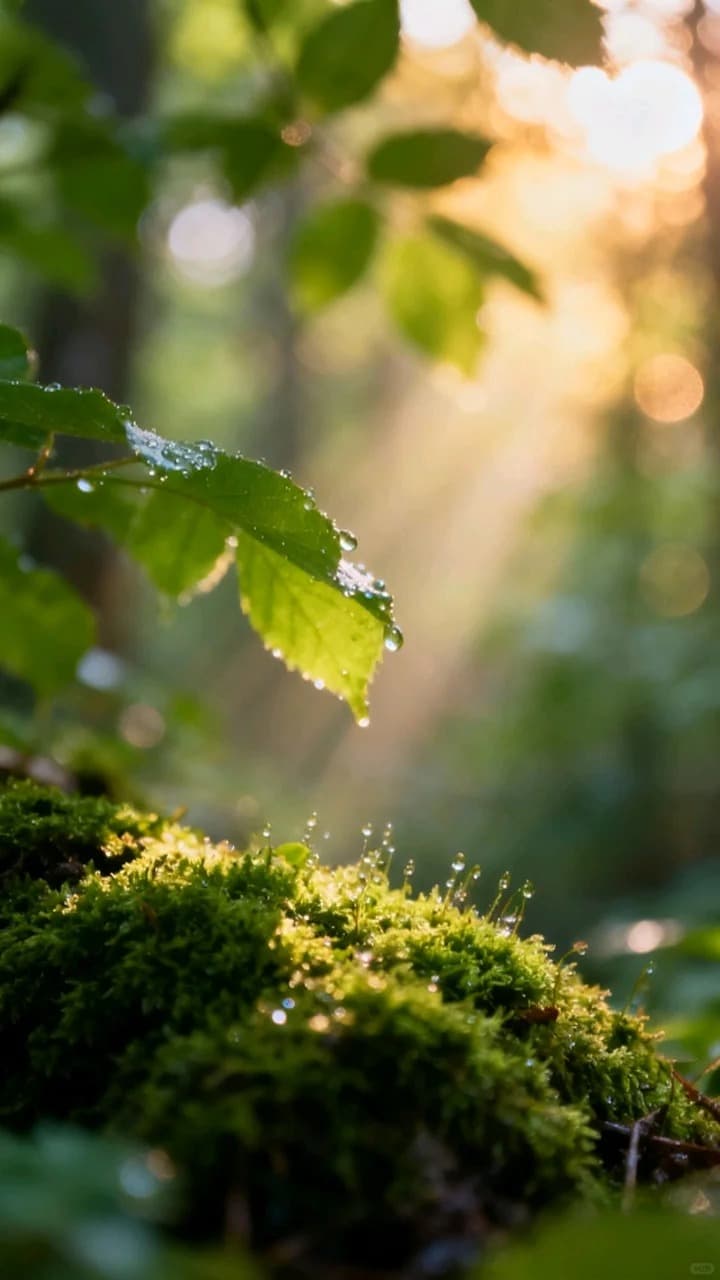
Before the sun gets high, there’s a brief window where the jungle is coated in dew.

You can soak this up using a clean cloth or a handful of absorbent moss and then wring it out into a container.

It’s a painstaking process, yielding only a few mouthfuls, but in a true survival situation, every drop is a victory.

I’ve spent a hazy jungle dawn mopping leaves with a sock. It was not my most glamorous moment, but the water was sweet.

13. Cut water vines early in the day

Remember our friend the water vine? Timing is everything. They recharge their water stores during the cool, humid night.

If you cut into one first thing in the morning, you’ll get the maximum yield. By the afternoon, after a day of sun and heat, they can be significantly drier.

It’s the difference between a satisfying slurp and a disappointing dribble.

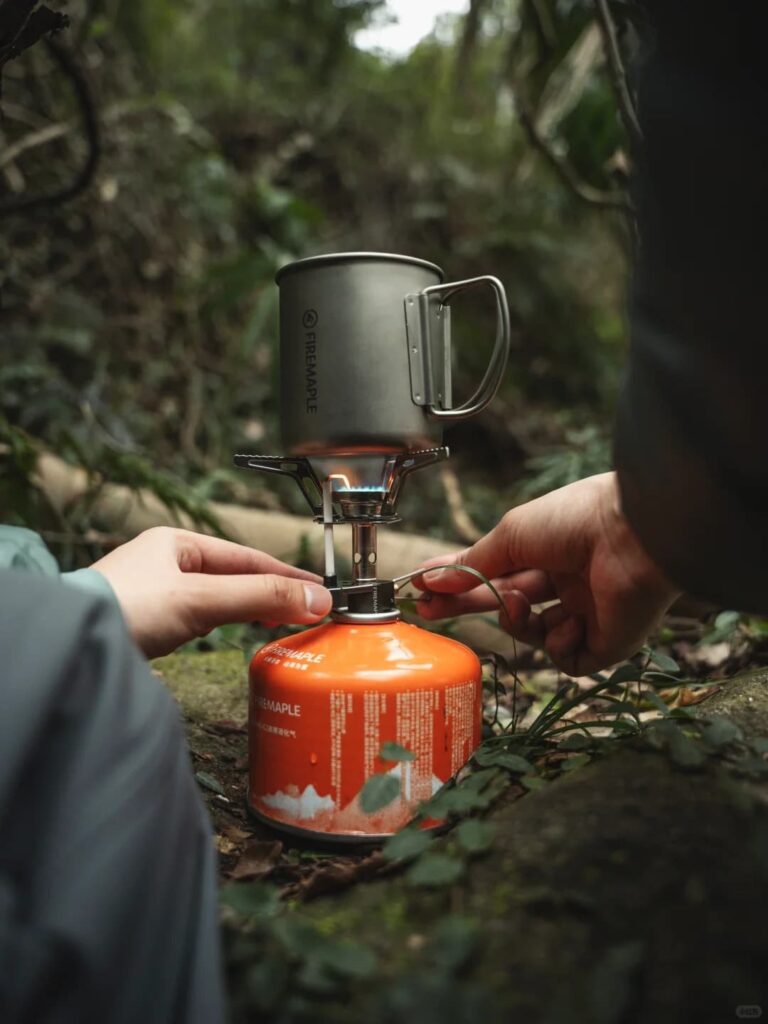
14. Always boil water in the jungle

Boiling is the gold standard. It’s non-negotiable. You need to bring the water to a rolling boil for at least one minute (three at higher altitudes, though most jungles are low).

I don’t care if it looks crystal clear and sparkly. I don’t care if a beautiful butterfly just landed on it.

That water is a liquid petri dish. Giardia, dysentery, and a host of other unpronounceable nasties are doing the backstroke in there. Boiling is the only way to be sure.

Consider it a mandatory ritual.

15. Use purification tablets when fire isn’t possible; jungle water is rarely safe untreated.

Sometimes, it’s pouring rain, you’re exhausted, and making a fire is as feasible as building a rocket ship.

This is where purification tablets (like iodine or chlorine dioxide) are worth their weight in gold.

They live in a tiny bottle in your survival kit and are the lazy survivalist’s best friend.

They take time (usually 30 minutes to 4 hours) to work fully, and they can leave a slight chemical taste, but that taste is the flavor of not spending the next week in a very intimate relationship with a latrine.

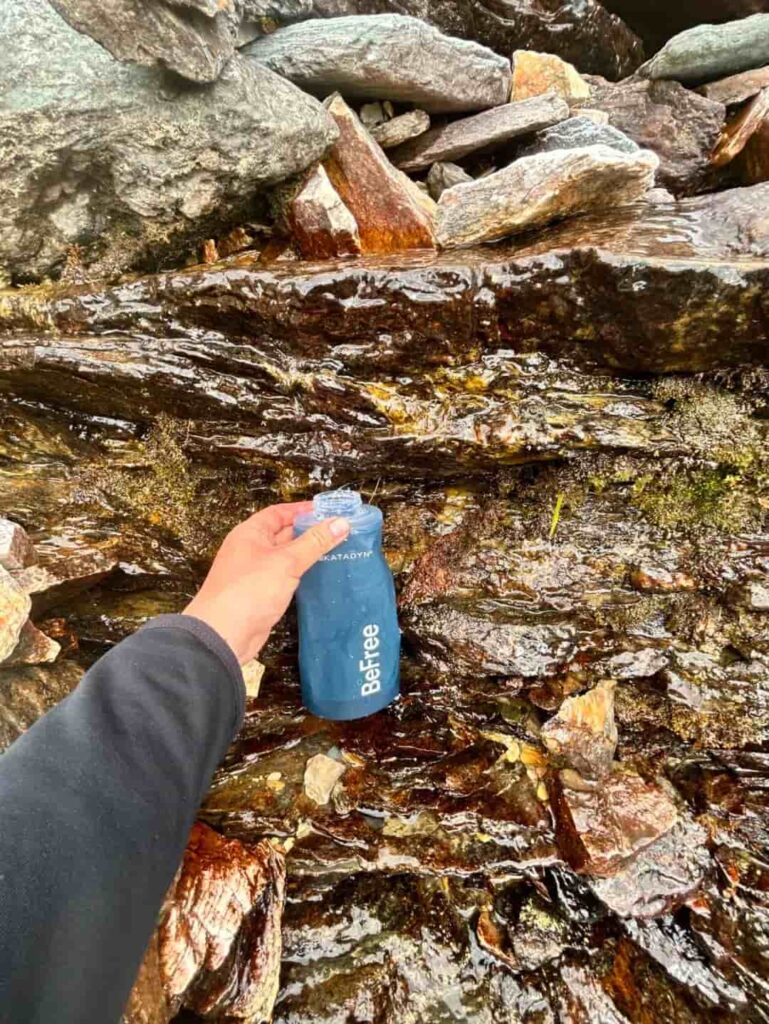
16. Filter water through cloth to remove debris, insects, and sediment before purifying.

Before you boil or tablet-ify, pre-filter your water. Use a bandana, a shirt, or a dedicated filter cloth.

This removes the big stuff: mud, leaf litter, twigs, and the occasional surprised insect.

It makes the purification process more effective and means you’re not drinking a jungle smoothie.

I once filtered a water sample that contained what I swear was a fully articulated ant skeleton. He died for my hydration.

17. Avoid stagnant water

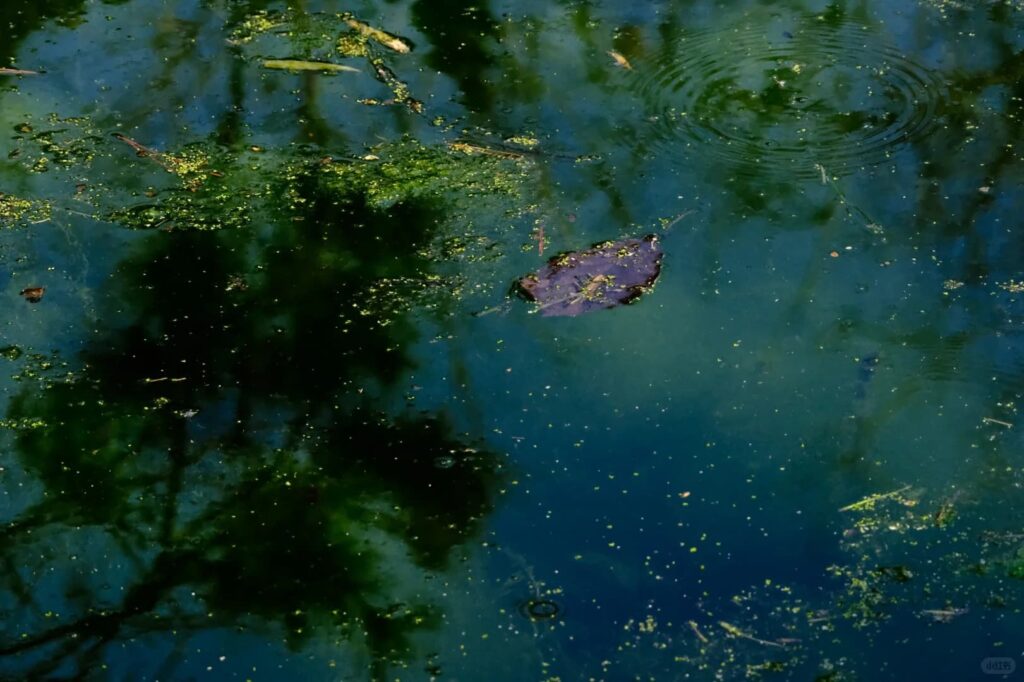
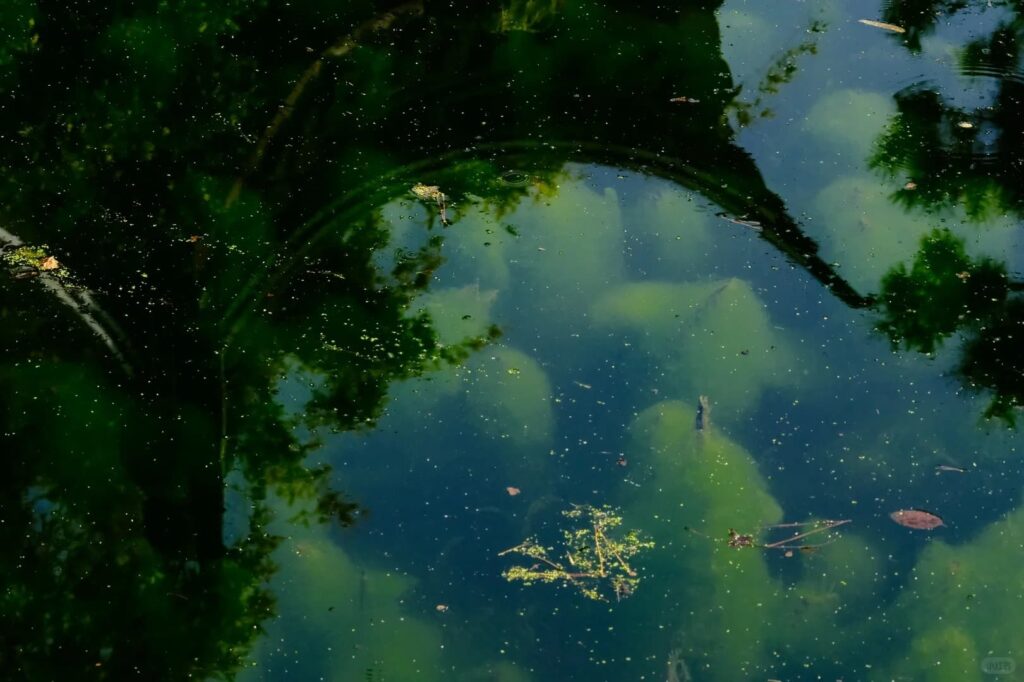
If the water isn’t moving, give it a wide berth. Stagnant pools are the nightclubs for mosquitoes carrying malaria and dengue, and they’re swimming pools for parasites.

The water is often foul-smelling and covered in a scum that looks like it should be in a lab, not in nature.

No amount of boiling will make the idea of drinking from a mosquito larvae nursery palatable.

18. Scan pools for leeches

Leeches aren’t just in the water; they’re on leaves nearby, waiting for a vibration so they can do their little inchworm dance toward you.

Before you stick your hand or your bottle into any water source, look carefully. A still pool might look inviting, but it could be carpeted with these little sanguinary freeloaders.

The last thing you need after finding water is to find out you’ve donated a pint of blood to the local invertebrate community.

19. Travel during cooler hours to reduce sweat and dehydration.

The jungle has a schedule. Wake up at dawn, travel in the early morning and late afternoon, and during the midday heat… stop.

Rest in the shade. This isn’t laziness; it’s smart energy and water management.

Hiking at noon is like running a marathon in a sauna while wearing a backpack.

You will sweat out your body weight in water and gain nothing but misery.

20. Reduce heavy movement

Every movement costs you water. Chopping wood, bushwhacking through thick undergrowth—it all adds up. Be efficient. Plan your routes. Take the path of least resistance.

I once spent an hour trying to climb over a massive fallen log, only to find a perfectly easy path around it ten feet away.

I celebrated my discovery with a sip of water, mourning the half-liter I’d sweated out during my unnecessary arboreal acrobatics.

21. Stay shaded whenever possible.

The sun is a deadly laser. Okay, not really, but in the jungle, its effects are amplified by the humidity.

Staying in the shade isn’t just about comfort; it’s a direct water-conservation strategy.

Your body doesn’t have to work as hard to cool down.

Think of the shade as a free water fountain.

22. Wear breathable clothing.

This is a delicate balance. You want to be covered up to protect against scratches, insects, and the sun, but you don’t want to wear a heavy, non-breathable fabric that turns you into a walking steam bath.

Lightweight, quick-drying, breathable fabrics are your best friend. They manage your sweat without leaving you soaked, which can lead to chafing and other unpleasantries I don’t wish to detail here.

23. Take frequent small sips

Your body absorbs small, frequent sips more efficiently than large, infrequent gulps.
It also helps you ration your supply and keeps you consistently hydrated.

Chugging a liter of water after a long, dry hike can actually make you feel sick and doesn’t rehydrate you as effectively.

Sip, sip, sip all day long. Make it a habit.

24. Eat hydrating fruits cautiously

The jungle provides!… and it also kills. Fruits like water-rich melons or certain figs can be a fantastic source of hydration.

BUT. You must be 100%, absolutely, positively sure of what you are eating. If you have even a shadow of a doubt, don’t put it in your mouth.

The risk of poisoning is far greater than the reward of a slightly less dry mouth.

When in doubt, stick to the water you’ve purified yourself.

25. Carry multiple containers

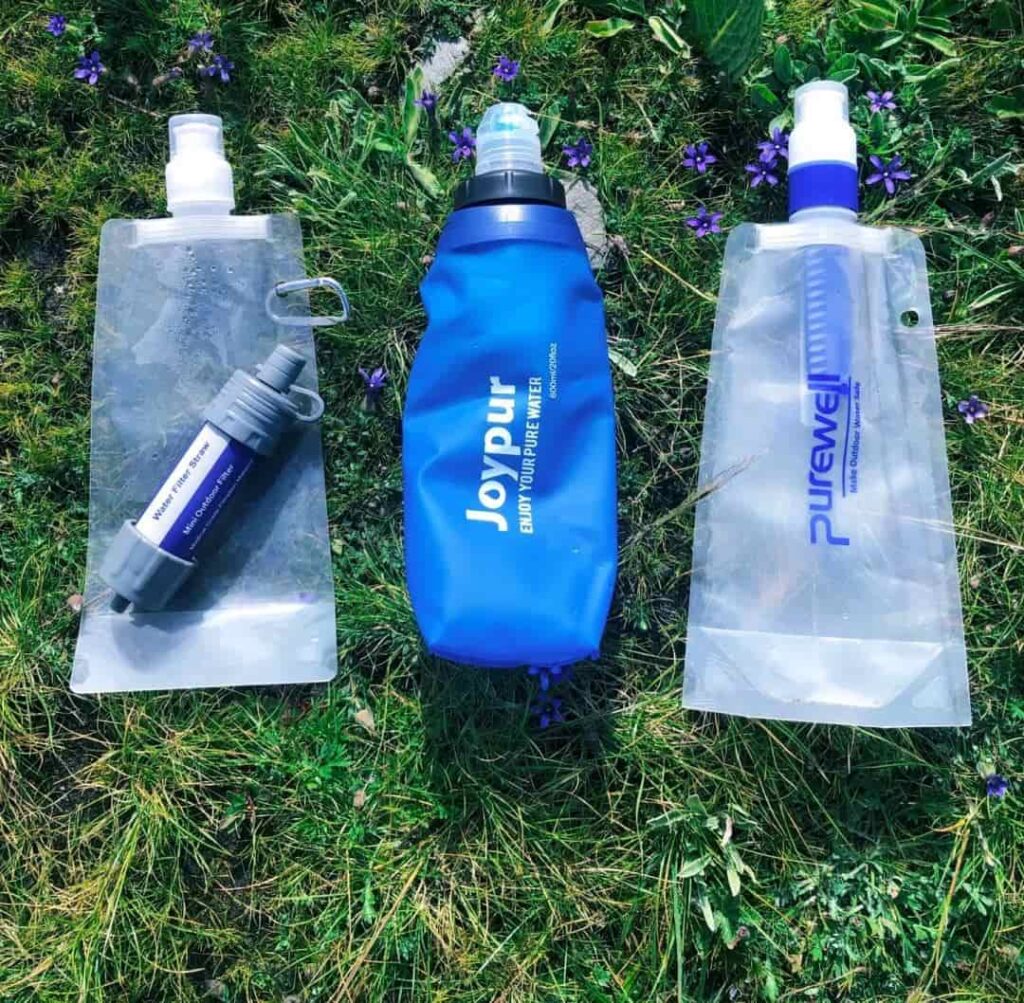
One bottle is a liability. Two is a start. I carry a hard Nalgene and a collapsible soft bottle.

Why? Because a sudden storm can fill them in minutes, giving you a reserve for the dry times.

Also, a single container can be punctured, lost, or cracked. In the jungle, redundancy is not a dirty word; it’s a survival strategy.

26. Store water off the ground to avoid contamination from soil insects or animals.

When you make camp, don’t just leave your water bottles lying around. Hang them from a branch or a gear line.

This keeps curious ants, spiders, and other nighttime critters from crawling into them or contaminating the spout.

Waking up to a bottle full of drowned insects is a special kind of breakfast disappointment.

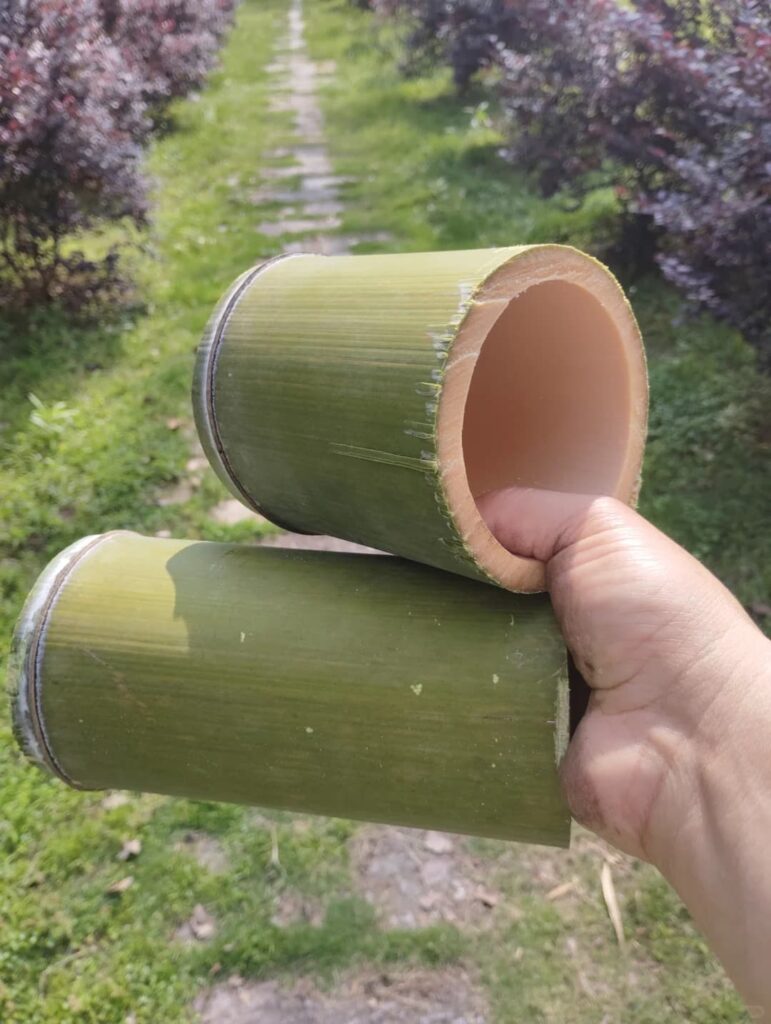
27. Use bamboo or gourds as emergency containers if your bottles break.

Bamboo, once again, to the rescue! A large, sealed node of bamboo makes an excellent emergency canteen.

Similarly, large, hollowed-out gourds can be used. It’s a low-tech, high-reward skill to know how to make one.

Practice it before you need it, unless you enjoy fumbling with sharp rocks while dehydrated.

28. Let river water settle before boiling

Jungle rivers can look like chocolate milk. If you try to boil water that silty, you’ll just end up with boiled mud.

Let it sit in a container for an hour or so. The heavier sediment will settle to the bottom, and you can carefully pour or scoop the clearer water from the top to boil.

It’s like decanting a fine wine, if the wine was potentially lethal and filled with silt.

29. Follow riverbanks carefully

Rivers are the highways of the wilderness and often lead to people. But the riverbank is prime real estate for every creature in the jungle.

Watch where you step. Scan for snakes sunning themselves on rocks. In certain parts of the world, be hyper-aware of crocodiles or caimans.

Don’t get so focused on the water in the river that you forget about the hazards beside it.

30. Listen for thunder

Thunder isn’t just a warning to take cover; it’s an announcement that the landscape is about to change.

A dry streambed can become a raging torrent in minutes. A small trickle can become a waterfall. Use this to your advantage.

The aftermath of a storm is the best time to find and collect water, but also a time to be cautious of flash floods.

Conclusion

My journey from a parched, beetle-arguing fool to a moderately competent jungle hydrator was paved with mistakes, a few close calls, and a profound respect for the environment.

The jungle isn’t trying to kill you, but it is supremely indifferent to your survival. It provides all the water you could ever need, but it’s laced with challenges and hidden dangers.

The secret isn’t brute force or endless endurance; it’s knowledge, patience, and a healthy sense of paranoia about every single drop of water you haven’t personally purified.

It’s about working with the jungle’s rhythms—its daily rains, its dripping leaves, its morning dew—rather than fighting against them.

Leave a Comment

Your email address will not be published. Required fields are marked *

Scroll to Top