From Couch to Campsite: 12 Camping Fitness Tips for Outdoor Adventures

Spread the love

Preparing for the great outdoors is about more than just packing the right gear; it’s about ensuring your body is as ready for the trail as your spirit is. Whether you’re hauling a 30-pound pack up a ridge or simply want to chop wood without pulling a muscle, a bit of physical prep goes a long way.

Here is a comprehensive guide to building the strength and stamina needed for your next camping adventure.

Table of Contents

1. Prioritize Functional Strength

Nobody cares how much you can bench press at the gym.

Seriously. The forest doesn’t care. That fallen tree you need to climb over? It’s not impressed by your bicep curl PR.

You need to focus on compound movements. Think squats, lunges, and deadlifts. These aren’t just gym exercises. They are survival skills in disguise.

Squats prepare you for the “lift heavy cooler out of the car” maneuver. Lunges mimic stepping over roots and rocks. Deadlifts? That’s you picking up a bag of firewood without throwing your back into another dimension.

Train movements, not muscles. Your future self will thank you when you can actually stand up the morning after sleeping on the ground.

2. Train with Your Loaded Pack

Here’s a pro tip that sounds obvious but is ignored by ninety percent of campers.

Don’t let the first time you wear your backpack be on the trail.

Seriously. That’s like wearing new hiking boots on a twenty-mile day. It’s madness.

Start gradually. Put some weight in that pack. Throw in some water bottles, a few books, maybe a bag of potatoes if you’re feeling fancy. Then wear it around the neighborhood.

Walk to the mailbox. Walk to the coffee shop. Walk in circles around your living room while your dog judges you.

This conditions your shoulders and hips. It breaks in the straps. It lets you figure out which adjustments actually work before you’re stranded on a mountainside with a weird pressure point digging into your collarbone.

3. Focus on Core Stability

Imagine your torso has an internal weight belt.

That’s your core. And if it’s weak, your lower back is going to throw a fit about halfway through day one.

Strong abs and obliques help you maintain balance on uneven terrain. They protect your spine when you’re carrying gear. They keep you upright when you trip over that root you swore you saw.

Planks are your best friend here. Hold them until you shake. It’s fine. Shaking means it’s working.

Russian twists are great too. Just don’t throw the weight too hard unless you enjoy chasing dumbbells across the garage floor.

A strong core means you bend, twist, and reach without sounding like a bowl of snapping celery.

4. Incorporate "Stair Training"

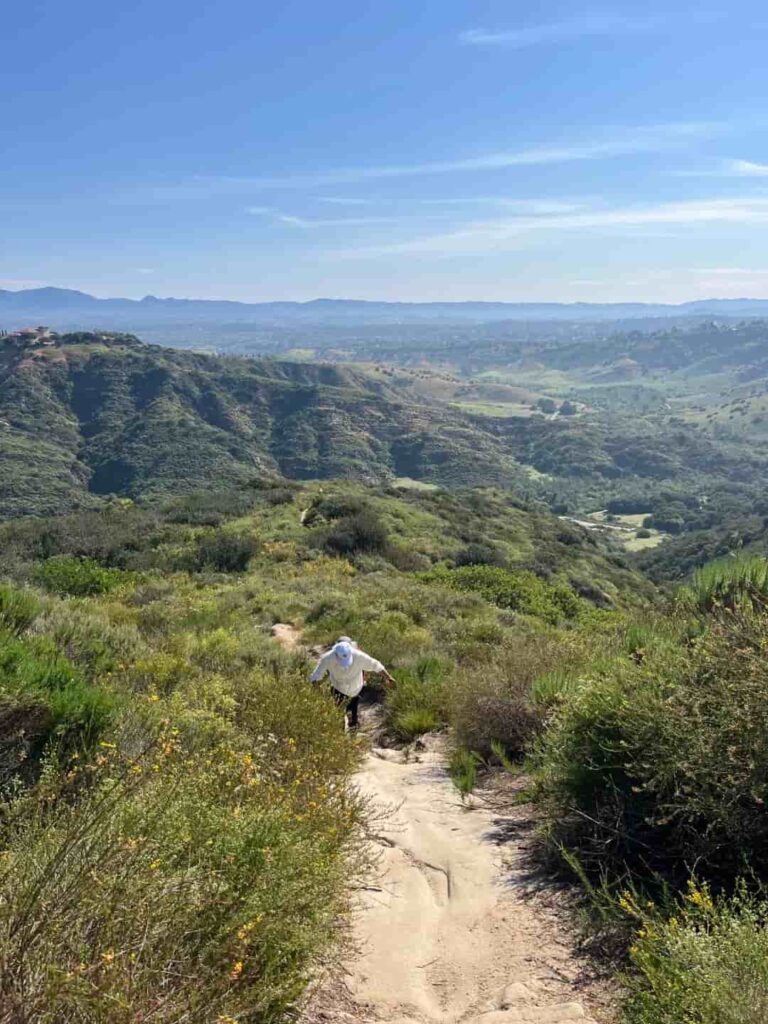
Hills are liars.

They look gentle from a distance. Then you start hiking up one, and suddenly your lungs are applying for early retirement.

If you don’t have access to actual hills, find stairs. Stair steppers at the gym work. Local stadiums with bleachers work. The never-ending staircase in your office building works.

Stair training builds quad and calf endurance. It prepares your legs for steep elevation gains. It humbles you quickly when you realize five flights of stairs is actually hard.

Start slow. Go up. Go down. Repeat until your legs feel like jelly.

Then do it again next week. Your future summit self will be grateful.

5. Practice Balance Exercises

Rocky paths are ankle sprains waiting to happen.

Slippery creek beds? Same deal. The wilderness loves throwing uneven surfaces at you just to watch you wobble.

Balance training sharpens something called proprioception. That’s a fancy word for “knowing where your body is in space without falling over.”

Try standing on one leg while brushing your teeth. It’s harder than it sounds.

Use a BOSU ball if you have one. Walk on curbs like a weirdo. Practice standing still on uneven ground.

Your ankles will get stronger. Your confidence will grow. You’ll stop looking like a baby deer learning to walk every time the trail gets rocky.

6. Don't Overlook Mobility

Tight hips and hamstrings are a recipe for disaster.

They limit your movement. They cause compensation injuries. They make high-stepping over logs feel like a cruel joke.

Spend ten minutes a day on dynamic stretching. Leg swings. Hip circles. Walking lunges with a twist.

Move your body through ranges of motion you’ll actually use on the trail. Because nothing ruins a camping trip faster than pulling a groin muscle while trying to step over a downed branch.

Stretch while dinner cooks. Stretch while waiting for coffee to brew. Stretch while your camping buddies are still asleep.

Be the flexible one. It pays off.

7. Build Cardiovascular Aerobic Base

Here’s the truth nobody tells you.

Strength matters. But if you can’t breathe, nothing else matters.

Cardio is the engine. Steady-state work builds lung capacity. It prepares you for high-altitude trekking. It keeps your heart from exploding when the trail suddenly tilts upward.

Thirty minutes of cycling, jogging, or swimming three times a week works wonders.

You don’t need to run marathons. Just move consistently. Get your heart rate up. Stay in the conversation zone, then push a little harder.

Your lungs will expand. Your endurance will rise. Hiking won’t feel like suffocating with a view.

8. Grip Strength Matters

Your hands do more work than you realize.

Hammering tent stakes. Grabbing trees for stability. Scrambling up boulders. Filtering water. Opening stubborn food containers after three days of freeze-dried meals.

Weak grip ruins everything.

Use stress balls. Squeeze them during meetings, while driving, or while watching TV. Do farmer’s carries with heavy dumbbells. Hang from a pull-up bar until your fingers give out.

Strong hands mean confident movement. They mean you won’t drop your water bottle off a cliff. They mean you can actually use that camp axe without launching it into the woods.

9. Hydration Conditioning

Water is boring. We get it.

But showing up to camp dehydrated is like starting a race with flat tires.

Start increasing your water intake weeks before your trip. Get your body used to optimal hydration levels. It helps with muscle recovery. It regulates body temperature. It keeps your brain working so you don’t accidentally pitch your tent in a drainage ditch.

Drink more than usual. Carry a water bottle everywhere. Notice how much better you feel.

Then keep that habit on the trail. Hydrated hikers are happy hikers.

10. Test Your Footwear Early

New boots are dangerous.

They look great. They feel stiff. They promise adventure.

Then they destroy your heels six miles from the trailhead.

Break in your hiking boots during workouts. Wear them on walks. Wear them to the grocery store. Wear them while doing lunges in your backyard.

This identifies hot spots. It reveals blister risks. It lets you fix problems while you’re still close to a first-aid kit and a warm shower.

Moleskin is great. Preventing the blister in the first place is better.

11. Practice "Leave No Trace" Recovery

Multi-day trips mean sore muscles.

Cramps happen. Tightness happens. Pain happens.

Learning basic foam rolling or self-massage techniques is a literal lifesaver inside a tent. You can’t exactly visit a sports therapist halfway up a mountain.

Practice at home. Find the spots that get angry. Learn how to work out knots with a tennis ball or a dedicated roller.

Figure out what stretches ease your back. Know which positions relieve hip tightness.

When you’re stuck in a tent with thunder outside and a cramp in your calf, you’ll be grateful you prepared.

12. Simulate Uneven Ground

Treadmills are smooth. Pavement is flat.

Trails are neither.

If possible, do some training on actual trails. Dirt paths. Rocky sections. Root-covered singletrack.

This engages the small stabilizer muscles in your feet and ankles. Muscles that treadmills completely ignore.

Those little muscles matter. They keep you upright. They absorb shock. They adapt to constantly changing surfaces.

Train on uneven ground, and your feet will thank you when the path gets technical. Train only on pavement, and the woods will humble you quickly.

Final Thoughts

Fitness for the outdoors isn’t about looking like an athlete; it’s about having the “go-juice” to enjoy the view once you finally reach the summit. By integrating these functional movements and endurance tips into your routine, you’ll spend less time nursing sore muscles and more time soaking in the wilderness.

Now go forth. Train smart. Pack light. And for goodness’ sake, break in those boots before you hit the trail.

Leave a Comment

Your email address will not be published. Required fields are marked *

Scroll to Top