How to Dry Wet Boots Overnight Without A Fire?

Spread the love

You know the feeling. That sickening squelch with every step. The cold seepage that starts at your toes and slowly creeps toward your soul. Wet boots are the fastest way to ruin a good adventure.

Dry feet are happy feet. Happy feet keep you hiking. It’s really that simple. Wet boots create blisters, invite fungal infections, and in cold weather, can lead straight to hypothermia. Your feet have over 250,000 sweat glands. They’re already working against you. Don’t make it worse.

Here’s the thing about drying boots. You’ll be tempted by heat. Don’t give in. That campfire looks inviting, but your boots aren’t marshmallows. High heat melts adhesives. It shrinks leather. It turns your favorite footwear into a crispy, unwearable mess.

Relax. I’ve got you. Here are nine foolproof methods to rescue your soaked boots without destroying them.

Table of Contents

1. Immediate Moisture Removal: The Triage Phase

Time is tissue. Or something like that. The moment you realize your boots are wet, start the rescue mission.

First, remove the laces. All of them. Yes, it’s annoying. Yes, it takes thirty seconds. Do it anyway. Laces act like tourniquets for airflow. They keep your boots tight and miserable.

Next, yank out those insoles. This is non-negotiable. Insoles are like sponges with an attitude problem. They hold moisture against your footbed and laugh at your suffering. Set them aside somewhere separate.

Now you need a micro-fiber towel. These magical cloths absorb ridiculous amounts of water. Crumple one up and shove it deep into each boot. Really get in there. Push it all the way to the toe box. Twist it around. Pull it out. Repeat until you’re not pulling out a sopping wet mess.

You’ve just removed the standing water. Congratulations. Your boots now qualify as merely damp instead of fully aquatic.

2. The Absorption Method: Old News is Good News

Remember newspapers? Those things your grandparents read? They’re about to become your best friends.

Crumple them up. Not neatly. You want chaos. More surface area means more absorption. Shove that newsprint deep into every boot cavity. Pack it tight against the sides. Cover every inch of that damp interior.

Here’s the pro move. Let them sit for an hour. Then remove the now-damp paper and replace it with fresh, dry crumples. Repeat until the paper comes out feeling like it went in.

No newspaper? No problem. Dry moss works surprisingly well. It’s nature’s paper towel. Just make sure it’s actually dry first. Spare clothing works too. Clean socks, a t-shirt you’re not wearing, that extra buff you packed for no reason. Anything fabric-based will wick moisture outward.

The science here is simple. Dry material wants to be wet. Wet boot wants to be dry. They find each other. It’s beautiful, really.

3. Harnessing Ambient Airflow: Let It Breathe

Stagnant air is the enemy. Humid air likes to hang out inside your toe box, refusing to leave. It’s comfortable there. Evict it.

Find a fan. Any fan. Position your boots so air blows directly into the openings. Point them toward the breeze like they’re sunbathing, except the sun is moving air.

Air vents work great too. In your car, at a hotel, wherever. That steady stream of climate-controlled air will work miracles while you sleep.

Here’s the trick. Don’t just set them facing the airflow. Angle them slightly. Prop the heels up so the toes point down. This creates a chimney effect. Air flows in, travels through, and exits carrying moisture with it.

If you’re outdoors, find a breezy spot. Hang your boots from a tree branch by their heels. Let the wind do your bidding. Nature provides free drying services. Accept them.

4. External Desiccants: Small Packages, Big Results

You know those little silica gel packets that come in shoe boxes? The ones that say “DO NOT EAT” in multiple languages? You’ve been throwing them away. Stop that.

Save them. Hoard them like the precious moisture-absorbing treasures they are. When disaster strikes, fill your boots with these tiny warriors. They’ll work silently through the night.

No silica packets? Raid the kitchen. Uncooked rice in a sock works surprisingly well. Tie off the end, creating a rice-filled foot-shaped pillow. Shove it inside. Rice is hygroscopic. It wants your boot moisture. Let it have it.

Chemical hand warmers deserve honorable mention here. They’re not just for cold fingers. Activated hand warmers create dry heat through oxidation. Stuff one in each boot and watch the moisture retreat. Just check the temperature occasionally. You want warm, not volcanic.

5. The Warm Stone Technique: Ancient Wisdom

Our ancestors didn’t have forced-air dryers. They had rocks and fire. We can improve on their method.

Find smooth stones. River rocks work perfectly. Avoid porous ones like sandstone. They hold water themselves, which defeats the purpose. You want dense, solid rocks that heat evenly.

Boil water. Drop your stones in. Let them get thoroughly hot. Not boiling, but close.

Now for the critical step. Place each hot stone inside a sock. Not directly in the boot. The sock prevents burning and distributes heat gently. Drop those sock-wrapped wonders into your boots.

The radiant heat warms the interior without damaging materials. Moisture turns to vapor and escapes. It’s like a spa day for your footwear.

Check on them after twenty minutes. The stones will have cooled. Reheat if needed. Your boots will thank you with dryness.

6. Inversion and Elevation: Gravity is Your Friend

Water runs downhill. Remember this always.

When drying boots overnight, don’t just set them on the floor like sad, wet lumps. Elevate them. Prop them upside down on sticks, tent stakes, or boot trees designed for this purpose.

Here’s the nuance. Don’t set them completely flat upside down. Angle them slightly. The heels should be highest, toes pointing somewhat downward. This creates a perfect drainage angle.

Moisture now has to fight gravity to escape. It’s lazy. It will choose the easier path out of your boots.

Bonus benefit. Inverted boots don’t collect dust, dirt, or curious insects. Nothing crawls inside while you sleep. No morning surprises.

7. Material Sensitivity: Know Your Footwear

Not all boots are created equal. Your drying strategy should match your materials.

Synthetic mesh trail runners are the overachievers of the footwear world. They dry fast. They breathe well. You can practically watch the moisture evaporate. A few hours with good airflow and they’re ready to go. These are the golden retrievers of boots—eager, adaptable, and forgiving.

Leather work boots are the stubborn mules. They take forever. They hold moisture in their thick hides. They require patience and gentle handling. Never apply direct heat to leather. Never. You’ll create cracked, ruined boots that fit worse than regret.

Waterproof boots with membranes present their own challenge. The same barrier that kept water out now keeps moisture in. You’re fighting your boots’ best feature. Focus on airflow through the opening. Consider removing any waterproof liners if possible.

Know what you’re wearing. Treat it accordingly.

8. Time vs. Temperature: The Long Game

Here’s the truth nobody wants to hear. Drying boots properly takes time.

You can rush it. You can apply heat and hope. You can stick them in the oven on “warm” and pray. But you’ll probably ruin them.

Leather that dries too fast becomes brittle. Adhesives soften and fail. Synthetic materials warp and lose shape. The shortcuts aren’t worth it.

Plan ahead. If your boots got wet today, tomorrow might be a rest day. Accept this. Embrace the forced relaxation. Read a book. Look at the scenery you rushed through to get here.

Your boots will be dry when they’re dry. Fighting this natural law only leads to suffering.

9. The Stuff Sack Method: Controlled Environment

This trick works great for car camping or base camps.

Get a large stuff sack or trash bag. Something you can seal. Place your boots inside along with your desiccant of choice—silica packets, rice socks, whatever.

Here’s the magic. Seal it up and put it in a warm spot. Your car dashboard in the sun works perfectly. The sealed environment traps warmth while desiccants absorb moisture. It’s a miniature drying chamber.

Check periodically. Replace desiccants if needed. The contained space accelerates drying without risking damage from open heat sources.

Just don’t forget and leave them there for a week. That’s how boots get lost.

10. The Sock Trick: Prevention and Recovery

While your boots dry, think about your socks. Wet socks ruin dry boots in minutes.

Change socks immediately when your feet get wet. Carry extras. Multiple pairs. Wool or synthetic, never cotton. Cotton kills, as they say, by holding cold moisture against your skin.

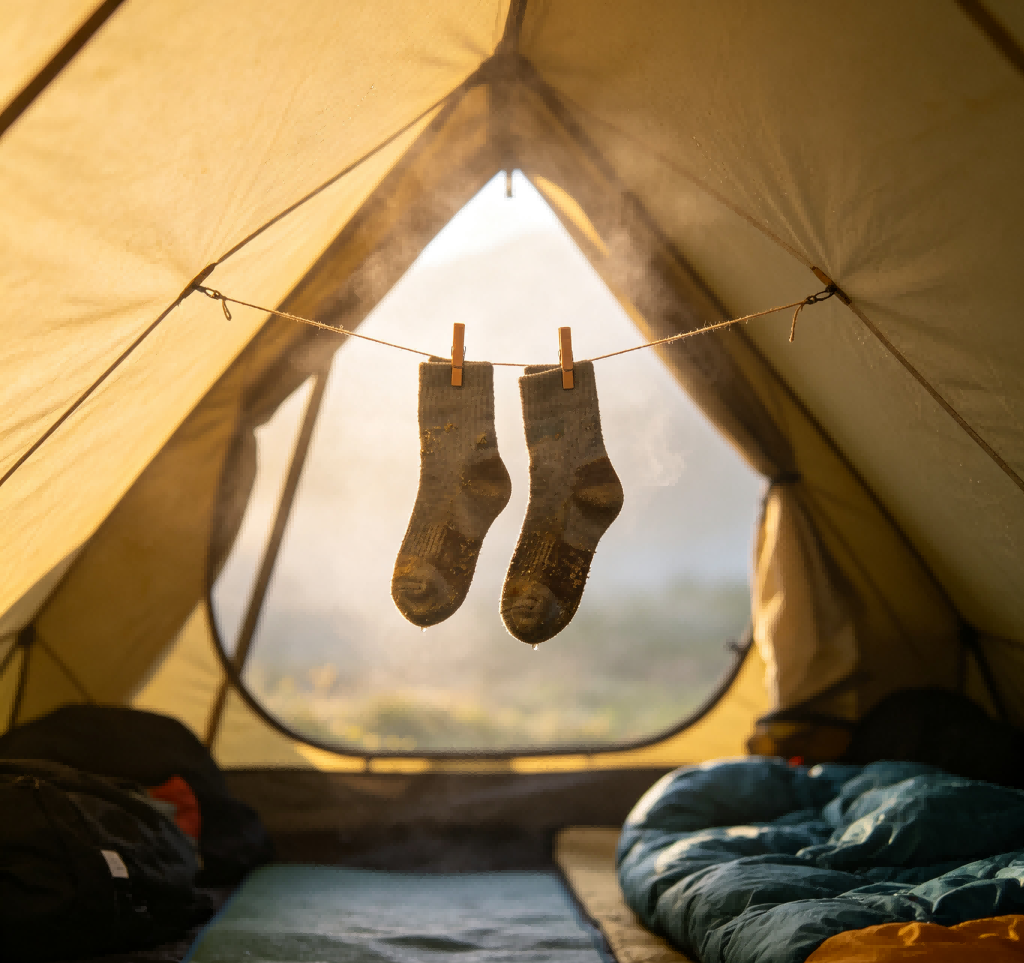
Here’s a pro tip. Sleep with tomorrow’s socks in your sleeping bag. Body heat dries them overnight. You’ll wake up to warm, cozy foot tubes while your boots continue their drying process outside.

Your feet deserve this small luxury.

Conclusion: Wake Up to Dry Boots

Morning comes. You unzip the tent. You grab your boots. They’re dry. Maybe not desert-dry, but certainly not the swamp creatures they were last night. You slide your feet in. Warm socks meet cool, dry interiors. Comfort radiates upward.

This is the goal. This is why we bother. Dry boots mean happy feet. Happy feet mean longer hikes, better adventures, and fewer blisters.

Combine airflow with absorbent materials. Avoid high heat at all costs. Give it time. Your boots will reward your patience with miles of comfortable walking.

Now get out there. Step in fewer puddles this time. But if you don’t, you know what to do.

Leave a Comment

Your email address will not be published. Required fields are marked *

Scroll to Top