You’re nestled in your sleeping bag, sipping hot cocoa, while the snowflakes dance outside.
Sounds cozy, right? You might think heating a tent is rocket science, but fear not!
When camping in the great outdoors, there are two types of people: those who thrive in the chill of winter and those who prefer to chill out by the fire.
If you want to stay warm in your tent without the luxury of electricity, you’re in for a treat!
This guide will have you toasty in no time.
Nothing says “I love camping” like not turning into a popsicle while you sleep!
Location is half the battle. Want to avoid waking up in a tent that resembles a kite? Choose a spot that’s sheltered from the wind.
Look for natural windbreaks like bushes, trees, or even…other people’s tents. They’re like your impromptu shield!
Avoid pitching your tent on a hillside or open field. Cold air loves to settle in low spots like your tent.
Try to find a piece of flat ground that’s dry and clear of rocks. And remember, trees are great but keep a safe distance.
Falling branches are not the “sudden adventure” you signed up for.
So you’ve found the perfect spot. Now, let’s make it cozier! Think of your tent as a cozy little cocoon.
Try using a tarp over your tent. It keeps rain and frost at bay while acting as an extra layer of insulation.
Some clever campers even bring along mylar blankets. These shiny wonders can trap heat like a burrito in foil.
And if you’re feeling crafty, try building a small windbreak using logs or stones. Eyeing those giant rocks in the campsite? They can be great heating sources when warmed by the sun.
Choosing a tent that’s insulated is like wrapping yourself in a warm blanket on a cold night. Look for tents that have some form of insulation, preferably made with materials that trap heat.
Double-layer tents are a great option. They have an outer layer to block wind and an inner layer for warmth.
Also, think about size. A small tent isn’t just cozy; it keeps your body heat more concentrated. So, unless you’re camping with a polar bear, opt for a tent that fits you snugly.
Smaller tents are easier to heat, keeping you warm during those chilly nights.
If you want to take your tent heating game to the next level, look into hot tent designs.
These tents may have a built-in stove jack to safely vent smoke from a wood or propane stove.
Location is half the battle. Want to avoid waking up in a tent that resembles a kite?
Choose a spot that’s sheltered from the wind. Look for natural windbreaks like bushes, trees, or even…other people’s tents.
They’re like your impromptu shield!
Avoid pitching your tent on a hillside or open field. Cold air loves to settle in low spots like your tent.
Try to find a piece of flat ground that’s dry and clear of rocks.
And remember, trees are great but keep a safe distance. Falling branches are not the “sudden adventure” you signed up for.
Campsite Enhancements for Added Warmth
Try using a tarp over your tent. It keeps rain and frost at bay while acting as an extra layer of insulation.
And if you’re feeling crafty, try building a small windbreak using logs or stones.
Eyeing those giant rocks in the campsite?
They can be great heating sources when warmed by the sun.
A tent mat isn’t just for decoration; it’s like a cozy blanket for your tent floor.
Think of it as a warm hug that says, “No cold floor for you today!”
Using a good quality tent mat helps create a barrier against the chilly ground.
Look for mats with insulation properties. This can boost warmth by preventing that sneaky cold from creeping in.
You can also sprinkle a few leaves or pine needles beneath the mat for extra flair and insulation. They may not win any beauty contests, but they’re nature’s own insulation warriors!
Thermal blankets are like superheroes in disguise. You wrap yourself in one, and suddenly, you’ve got an impenetrable fortress against the cold.
They reflect your body heat back, making you feel all warm and toasty.
Hang these magical blankets on the inside walls of your tent. They can form a barrier between you and the chilly air outside.
Consider using mylar blankets too—the shiny ones that look like they’ve come straight from a sci-fi movie. They’re lightweight yet insane at trapping heat.
A good sleeping bag is like that warm hug you didn’t know you needed. Aim for a winter-rated sleeping bag, especially those with an “EN” rating.
Look for bags rated for 15°F (-9°C) or below.
Avoid the ones that resemble a clam shell—you want something you can easily zip and cuddle into.
Don’t forget about insulation materials. Down feathers are lightweight but pricey.
Synthetic bags are heavier but can tolerate moisture without losing their charm.
Your sleeping pad can make or break your nighttime chill factor. Don’t skimp here.
Aim for an R-value of 3-5. This tells you how well the pad keeps the cold ground at bay. Higher is better!
Consider double-padding for that plush feel.
An inflatable pad topped with a foam pad adds to the insulation and softness.
It’s like sleeping on a cloud made of marshmallows.
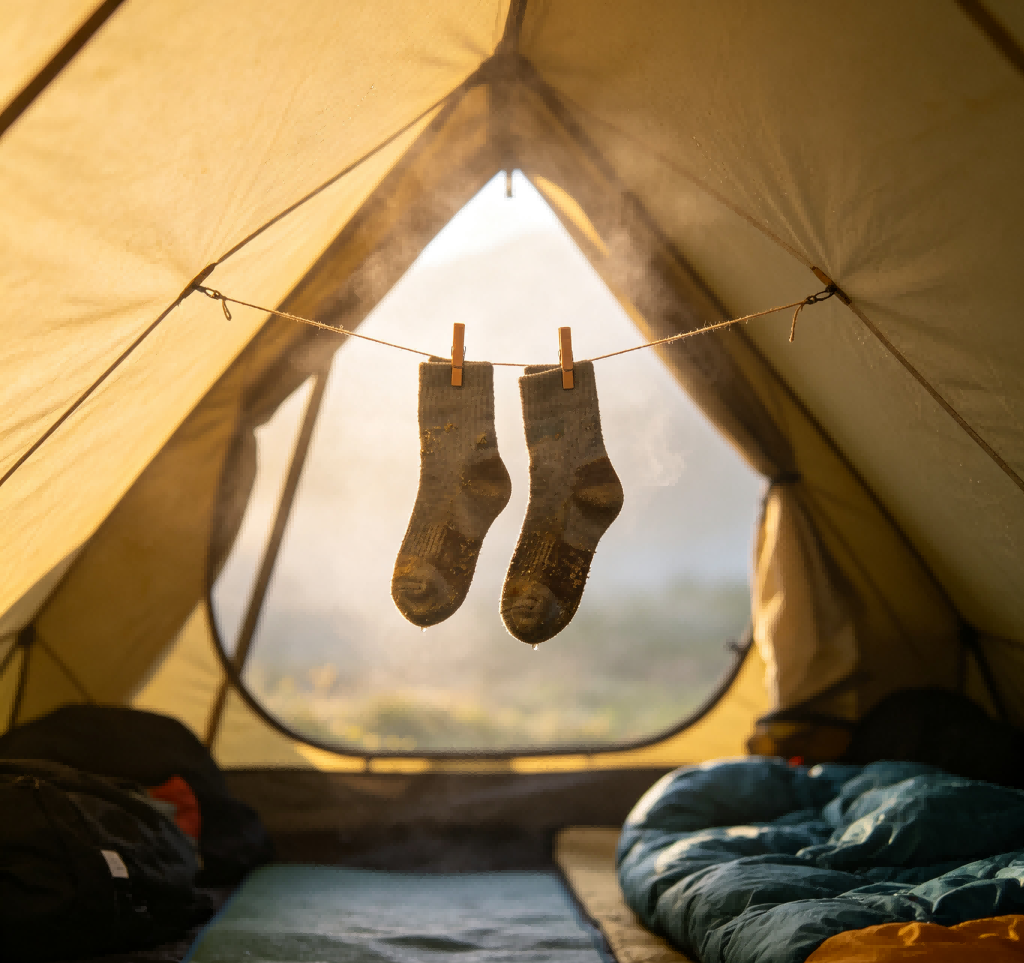
Layering is the name of the game. Dress in thermal pajamas, fuzzy socks, and maybe even a beanie.
Make sure those toes are toasty! This isn’t just for show; it holds onto your body heat much better than a single-layer approach.
Hot water bottles can be your best buddy in chilly weather. Fill one up with boiling water and tuck it into your sleeping bag.
It’s like a warm hug that keeps you cozy all night.
Just be careful not to fill it all the way or you might end up with a surprise geyser at 3 AM.
To maximize efficiency, wrap the hot water bottle in a towel.
This keeps the heat close and protects you from those sizzling moments.
If you’re feeling extra crafty, make a DIY hot water bottle by using a sock! Simply fill it with warm stones or grains, and it does the trick after a long day of hiking.
If you’re looking for something that can heat your tent faster than you can say “why is it so cold?”, a catalytic or propane heater might be the way to go.
Catalytic heaters are clever little gadgets. They produce heat through a chemical reaction, not an open flame. This makes them safer and more efficient.
Propane heaters can work wonders too. Pick a model like the Mr. Heater Buddy, but keep in mind that you’ll need to crank open a vent or two.
After all, the last thing you want is to wake up to a new spa treatment: carbon monoxide.
Your body can be a tiny furnace in a sleeping bag. Layer up in clothing that keeps warmth in.
Think long underwear and thick socks—your feet will thank you.
If you’re camping with a buddy, snuggle up together.
You can share warmth and maybe make up for that last snack you didn’t share.
Keep your sleeping bag off the cold ground with a sleeping pad. A thin layer of air can actually work wonders.
Hot Rocks and DIY Warmers
Rocks are not just for skipping across the lake. Find some flat stones around your campsite.
Heat them near the fire, but don’t roast marshmallows on them first! Once they’re warm, wrap them in cloth and bring them inside your tent.
Place these heated stones at your feet—it feels like having a personal heater.
Conclusion
So there you have it—my complete guide to keeping warm in your tent without relying on electricity! I’ve tried many of these methods myself during countless camping trips, and I can honestly say they work wonders when you know what you’re doing.
Remember, staying warm while camping off-grid is all about preparation and layering your strategies. Whether you’re using hot water bottles, insulating your tent properly, or investing in a quality sleeping bag, each method contributes to a cozier night under the stars.
Now I’d love to hear from you! What are your favorite ways to stay warm when camping without electricity? Have you tried any creative heating methods that I didn’t mention? Drop a comment below and share your tips and experiences—I’m always eager to learn new tricks from fellow outdoor enthusiasts!
If you found this guide helpful, please share it with your camping buddies. Let’s help everyone stay warm and comfortable on their next adventure.