How to Prevent And Treat Lhafing on Long Hikes?

Spread the love

A tiny gremlin with sandpaper living in your shorts. That is chafing. The medical explanation is less fun but equally painful.

Skin rubs against skin. Fabric drags across flesh. Sweat enters the chat like an unwanted party guest.

Then, trail dust and salt crystals join the friction fiesta. The epidermis surrenders. Micro-tears form. Redness appears.

The walking becomes a wincing contest. Every step triggers a silent scream.

This horror show happens to everyone. Beginners think it is a badge of honor. Veterans know it is a preventable tragedy.

Welcome to the guide that saves thighs everywhere.

Table of Contents

1. Strategic Base Layer Selection

Cotton is the enemy wearing a friendly disguise. Soft. Breathable. Comfortable against the skin at the trailhead.

These are lies cotton tells. The fabric soaks up moisture like a sponge in a bathtub. Wet cotton transforms into wet sandpaper.

Every stride becomes a miniature sawing motion against delicate regions. The thighs beg for mercy. The cotton does not care.

Enter the heroes: synthetics and merino wool. These fabrics hate moisture. They wick sweat away from the skin like bouncers removing troublemakers.

The skin stays dry. The friction stays low. The hiker stays happy. Merino wool feels fancy and expensive because it is.

Synthetics feel practical and affordable because they are. Both outperform cotton by approximately one million percent.

Make the switch. The thighs will send thank-you notes later.

2. The Role of Compression and Fit

Loose clothing flaps around. Flapping creates rubbing. Rubbing creates pain. Pain creates suffering. Suffering creates whining.

Whining annoys fellow hikers. The solution involves getting cozy with compression.

Snug-fitting liners and compression shorts eliminate skin-on-skin contact entirely. The inner thighs stop holding secret meetings.

Everything stays in place like luggage with good straps.

No movement means no friction. No friction means no chafing. The math checks out.

Some worry about restriction. Compression gear does not strangle the legs.

It hugs them supportively like a friend who believes in personal space but also in preventing tragedy.

Try different brands. Find the Goldilocks fit. Not too tight. Not too loose.

Just right for forty miles of happy trails.

3. Application of Lubricants and Barrier Creams

Slip sliding away becomes the hiking anthem. Anti-chase sticks exist for exactly this reason. They look like deodorant but serve a holier purpose.

Swipe across high-risk zones before the boots even touch dirt. The skin thanks you preemptively.

Petroleum jelly works wonders and costs pennies. Slather it on like butter on toast. The legs glide past each other without drama.

Silicon-based balms offer longer protection for serious mileage.

They hang around like loyal dogs, refusing to sweat off when the trail gets tough.

Apply everywhere skin touches skin. Between thighs. Under arms. Along waistbands. Behind knees.

Anywhere two body parts conspire against each other. Reapply at lunch. Reapply again if feeling fancy.

Chafing hates lubricants. Lubricants hate chafing. Choose sides wisely.

4. Moisture Management and Powdering

Lubricants feel too heavy sometimes. Like wearing a grease suit in a sauna. Enter powders to save the day.

Talc-free varieties keep things dry without the cancer concerns. Cornstarch works too and is probably already in the kitchen.

Powders absorb excess sweat like tiny sponges. They create a dry barrier between skin surfaces. The legs slide past each other smoothly but without the slickness of balms.

Some hikers prefer this feeling. Others use powder in different spots than lubricant. Experimentation reveals preferences.

Apply carefully. Too much powder creates a mess. Too little powder accomplishes nothing.

Find the sweet spot where skin feels dry to touch but doesn’t look like a bakery explosion. The chafing gremlins hate dryness.

Deny them moisture. Watch them shrivel.

5. Proper Gear Adjustment and Hot Spot Identification

Backpack straps shift. Hip belts move. Friction burns happen. The shoulders develop angry red patches.

The lower back joins the protest. The culprit is discovered: loose gear dancing around during walks.

Check everything before starting. Tighten straps. Adjust hip belts. Make sure the pack hugs the body rather than bouncing against it.

A properly fitted pack moves as one unit with the hiker. An improperly fitted pack acts like an abusive relationship partner.

Hot spots announce themselves early. A tingle. A burn. A whisper of future pain. Listen carefully. Stop immediately when the warning signs appear.

Adjust the strap. Reposition the belt. Add padding if necessary. Five minutes of prevention saves five days of suffering. Heed the tingle.

6. Hydration and Nutrition for Skin Elasticity

Water matters more than most realize. Hydrated skin stretches without tearing. Dehydrated skin cracks like old leather.

Drinking enough keeps the epidermis flexible and forgiving. The difference between minor irritation and bloody disaster often comes down to water intake.

Salt plays a tricky role. The body needs electrolytes. Sweat contains salt. Sweat evaporates. Salt remains behind. Crystals form on the skin surface.

Those crystals act like microscopic razors during movement. Too much salt intake makes the problem worse.

Balance electrolytes without overdoing sodium. Eat bananas for potassium. Snack on nuts for magnesium.

Drink water consistently rather than guzzling occasionally. The skin stays supple. The crystals stay minimal. The thighs remain un-sanded.

7. Immediate On-Trail Response

The tingle arrives. Ignoring it seems easier. Stopping feels inconvenient. The trail waits for no one.

These thoughts lead directly to disaster. The tingle escalates to burning. Burning becomes raw. Raw becomes bleeding.

Bleeding requires first aid and crying.

Stop when the warning appears. Find a rock or log. Sit down dramatically. Investigate the hot spot.

Clean the area with available water or wipes. Dry it thoroughly with a bandana or shirt.

Apply something protective before continuing.

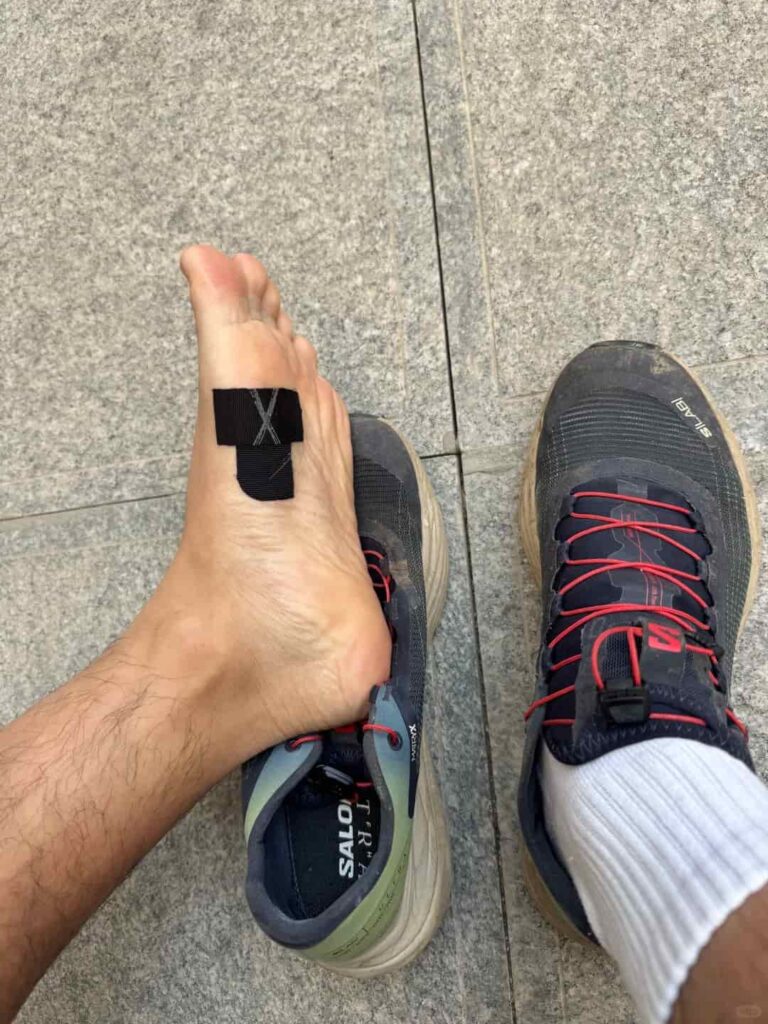
Kinetic tape works wonders for rescue missions. Cut a piece. Round the corners so edges don’t peel. Apply firmly over the irritated zone.

The tape moves with the skin rather than against it. Bandages help too if the spot is small. Either option beats walking through fire for another ten miles.

8. Cleaning and Sanitation During Rest Breaks

Trail dust accumulates. Dried salt builds up. The skin collects layers of abrasive material throughout the day.

Rest breaks provide opportunities to hit the reset button.

Unscented baby wipes are hiking gold. Tuck a pack where access stays easy. During lunch, wipe down high-risk zones thoroughly.

Remove every trace of salt and grit. Let the skin air dry for a minute. Feel the freshness. Enjoy the cleanliness. Resume walking with a blank slate.

Some judge the baby wipe habit. Those people have never experienced relief from mid-day thigh cleaning.

Let them judge. The chafe-free finish their hikes smiling. The judgy ones waddle home to aloe vera and regret.

9. Post-Hike Recovery and Treatment

The hike ends. The body rejoices. The damaged skin demands attention. Ignoring it leads to infections and misery.

Treating it properly leads to faster healing and less pain.

Aloe vera soothes angry skin like a botanical hug. Apply generously to red areas. Feel the cooling relief.

Thank the aloe plant for its sacrifice. Zinc oxide cream works wonders too. The white paste looks silly but performs miracles.

Diaper rash cream contains the same ingredient for the same purpose. Babies and hikers share this struggle.

Antibiotic ointment prevents infection in broken skin. Raw patches invite bacteria like open bars invite customers.

Neosporin closes the bar permanently. Apply a thin layer. Cover if necessary. Let healing begin while dreaming of future chafe-free adventures.

10. Long-Term Prevention Strategies

One chafing episode teaches lessons. Repeated chafing indicates stubbornness. Smart hikers adapt their routines based on experience.

The body reveals weak spots. The gear either works or fails. The strategies either prevent or allow pain.

Keep a hiking journal. Note where chafing occurred. Record weather conditions. Document gear choices.

Patterns emerge over time. Certain shorts cause problems. Specific temperatures trigger issues. Particular trails create friction points.

Knowledge prevents future suffering.

Rotate gear. Alternate clothing choices. Give favorite items rest days. Fabric breaks down over miles.

Worn spots create friction points. Retire compromised gear before it compromises skin.

The wallet protests but the thighs applaud.

11. Building Skin Toughness Gradually

Some skin adapts to friction. Calluses form on feet. Tougher skin develops elsewhere. The process takes time and cannot be rushed.

New hikers suffer more than veterans for this reason.

Start with shorter hikes. Build mileage slowly. Let the skin adjust to repeated motion.

Push too hard too fast and the skin rebels violently. Gradual increases build tolerance without trauma.

Conditioning works alongside prevention. Tough skin resists chafing longer. Supple skin heals faster when irritation occurs.

Both qualities develop through consistent hiking practice. The body learns what the trail demands. Eventually the thighs stop complaining altogether.

Conclusion

Prevention beats treatment every time. The five minutes spent applying balm saves five days of agony.

The thirty seconds adjusting straps prevents hours of burning. The smart hiker acts before pain arrives rather than after.

Listen to early signals. The body whispers before screaming. Heed those whispers. Adjust accordingly. Apply prevention liberally.

Walk comfortably endlessly. The finish line awaits all who arrive without waddling. Choose consistency over correction. The thighs deserve this kindness.

Leave a Comment

Your email address will not be published. Required fields are marked *

Scroll to Top