12 Camping Road Trip Planning Tips( Avoid Turning Your Vacation Into a Survival Documentary)

Spread the love

Planning a camping road trip is the ultimate balancing act. You want to embrace your inner nomad, yet you also need to stay organized enough to actually enjoy the view.

Get it right, and you are in for sunsets and s’mores.

Get it wrong, and you star in your own episode of “I Shouldn’t Be Alive.”

Whether you are hitting the national parks or scouting for hidden gems, a little foresight goes a long way.

It ensures your adventure doesn’t devolve into a “survival” situation.

Let’s get you prepped.

Table of Contents

1. Map out your route but leave room for "wrong" turns

Look, we all love a good plan. It makes us feel in control. But the open road has a funny way of laughing at our rigid schedules. You need a strategy that welcomes spontaneity.

Use an app to plot the main stops. That is your skeleton. But here is the secret sauce: keep an extra hour or two of “buffer time” each day. This is not wasted time. This is opportunity time.

That strange little sign for a “World’s Largest Ball of Twine”? Buffer time. That random overlook that looks like a postcard? Buffer time. The diner with the giant fiberglass cow out front? You guessed it. Those “wrong” turns are often where the best memories live. You aren’t lost; you are just taking the scenic route to a better story.

2. Book anchor campsites in advance

Let’s talk about the anxiety of arriving somewhere new at sunset. You are tired. You are hungry. And every “Campground Full” sign you pass feels like a personal attack.

Popular spots fill up months ahead. It is a cruel reality. Do not let your night’s sleep be a game of chance. Secure your “must-stay” locations early. These are your anchor campsites. They guarantee you have a bed for the night.

Think of them as your safety nets. You know you have a place to crash. This frees you up to be more adventurous during the day. It is hard to enjoy a hike when you are secretly panicking about where you will park your tent later.

3. Download offline maps

Here is a modern tragedy: you are deep in a canyon. The walls are majestic. The light is golden. And your GPS is staring back at you with that dreadful “No Service” message.

Do not trust your GPS to work in remote areas. It won’t. It will betray you when you need it most. Technology is a fickle friend in the wilderness. Download the Google Maps area for offline use before you leave pavement. It takes two minutes at home and saves hours of frustration later.

Or, go old school. Carry a physical road atlas. Yes, a paper map. It never needs a signal. It doesn’t have a dead battery. It just sits there, being useful, waiting for the moment the bars on your phone disappear. Be prepared for the dead zones.

4. Audit your gear before you leave

We have all been there. You drive four hours. You arrive at the perfect site. You pull out the tent bag with a triumphant smile. And then you realize the tent pole is snapped in half. Or worse, missing entirely.

Do not let this be you. Set up your tent in the backyard before you leave. Check every single pole and stake. Fire up your camp stove. Make sure it actually lights. Test your lanterns. Check your sleeping pads for holes.

Discovering a missing pole or a clogged burner is much better on your lawn. It is a minor annoyance. Discovering it at a trailhead is a full-blown crisis. The backyard audit is your friend. It costs nothing but a little time and saves everything.

5. Master the art of the "Cooler Tetris"

Your cooler is the heart of your camp kitchen. Treat it with respect. It is a delicate ecosystem. You cannot just toss stuff in there and hope for the best. You must master the art of Cooler Tetris.

Here is the pro move: freeze gallon jugs of water to use as ice blocks. They are the foundation. They last way longer than those sad little cubes that turn into a soggy mess by day two. Plus, as they slowly melt, you get cold drinking water. It is a two-for-one deal.

Pack your cooler tight. Every void is wasted cold air. Put drinks at the bottom (they get opened most). Put raw meat in a sealed bag at the very bottom to avoid juicy disasters. Build your cold fortress wisely.

6. Create a dedicated "Quick Access" bin

What to Pack (2)

It is 10 PM. You finally stopped. You are at your site. It is pitch black. And you need your headlamp. Is it in the blue bin? The gray bag? Under the pile of jackets? Who knows. Not you. You are just flailing your arms in the dark.

Fix this chaos. Create a dedicated “Quick Access” bin. This is your first-out, last-in box. Keep your headlamps, fire starters, rain jackets, and a first-aid kit in it. Also throw in some toilet paper and hand sanitizer.

This container lives at the very back of the trunk. But you know where it is. When you arrive, you grab it first. Instant relief. No midnight panic searches. Just light, fire, and dry clothes, exactly when you need them.

7. Check your vehicle’s health

Your car is your beast of burden. It carries you and all your stuff. It deserves some love. A road trip is only as good as your tires. Seriously. Bad tires ruin everything.

Check the pressure. Check the oil levels. Check your windshield wiper fluid. And for the love of all that is holy, check your spare tire. Is it there? Is it inflated? Do you even have a jack?

Do this before you pull out of the driveway. A flat tire on a highway is annoying. A flat tire on a dirt road with no spare is a nightmare. A little preventive care keeps your metal companion happy and hauling.

8. Leverage "dispersed camping" apps

Campgrounds are great. They have bathrooms and picnic tables. But sometimes, you want solitude. You want to wake up with no one else in sight. You want to avoid the crowds.

That is where dispersed camping comes in. It is free camping on public lands. No hookups. No neighbors. Just you and the wilderness. But finding these spots used to be a dark art.

Now, use tools like iOverlander or The Dyrt. These apps are goldmines. They show you legal, free spots. Other campers leave reviews and coordinates. Suddenly, that secret clearing in the woods is findable. Just remember, with freedom comes responsibility. Pack it all out.

9. Plan a simple, repeatable menu

You are on vacation. You want to relax. You do not want to become a backcountry chef slaving over a hot stove for hours. Keep the food simple.

Stick to one-pot meals or pre-prepped foil packets. Think tacos, stir-fry, or sausages with peppers. Things you can throw in a pan and eat quickly. Breakfast can be oatmeal or pre-made breakfast burritos wrapped in foil.

Why? Because spending three hours washing dishes by a headlamp is a quick way to kill the vacation vibe. Nobody wants to scrub a pot at 10 PM. They want to stare at the fire. Simple food means more fire time.

10. Keep a "Clean/Dirty" laundry system

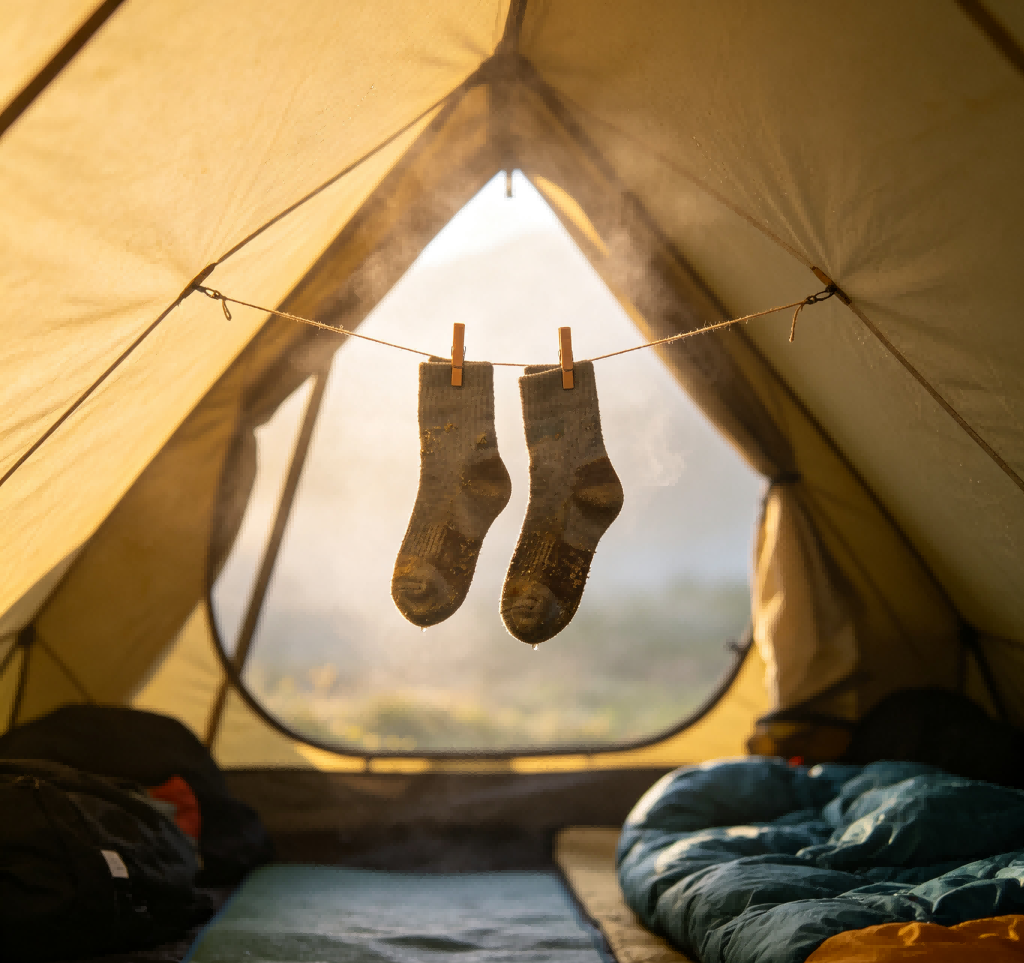
Let’s be honest. Camping clothes get funky. It is a fact of life. You sweat. You sit in the dirt. You roast marshmallows. That smell clings to everything. And eventually, your whole car starts to smell like a damp sock.

Fight the funk with a system. Use a compression sack or a dedicated dry bag for dirty clothes. It seals the odor in. It keeps the gross stuff separate from your clean clothes.

Your car’s interior will thank you. Your nose will thank you. And when you finally get home, you just grab the one bag of doom and head to the laundry room. It contains the chaos beautifully.

11. Practice "Leave No Trace" religiously

This is not just a suggestion. It is the golden rule. We are guests in nature. Act like it. Pack out every single scrap of trash. Every wrapper. Every apple core. If you brought it in, it leaves with you.

Be mindful of local fire bans. They exist for a reason. One stray spark can destroy thousands of acres. Use established fire rings. Keep fires small. Douse them completely before you sleep or leave.

Keeping the wild places wild ensures we can all come back next year. It is simple respect. Take only pictures. Leave only footprints. Preferably ones that blow away.

12. Budget for "Luxury Days"

Camping is roughing it. But you do not have to be a savage every single day. You are a human. You deserve a break. Build in the luxury.

Every three or four days, book a site with a real shower. Pay the few bucks for a hot rinse. It is heaven. Or stop at a laundromat. Throw your stinky clothes in a machine. Read a magazine while they spin.

It resets your morale. It resets your hygiene. You come out feeling like a new person. A clean person. It makes the next few days of dirt much more bearable. Treat yourself. You earned it.

Conclusion

A successful camping road trip isn’t about following a rigid schedule.

That is a recipe for stress. It is about having a solid enough foundation that you can afford to be spontaneous.

By prepping your gear and your route ahead of time, you remove the anxiety. You free up your mental energy.

Now you can focus on what really matters: the campfire, the stars, the bad jokes, and the open road ahead.

Now go get lost (on purpose).

Leave a Comment

Your email address will not be published. Required fields are marked *

Scroll to Top