Conquering the Clouds: 19 Rules to Prepare for High-Altitude Camping

Spread the love

High-altitude camping is nature’s way of seeing if you’re tough enough. Defined as any campsite sitting above 8,000 feet, these lofty perches offer views that’ll make your Instagram followers weep with envy. 

But here’s the catch—the air is thinner than a supermodel on a juice cleanse, the UV rays will fry you like an egg, and the weather has more mood swings than a teenager with a broken Wi-Fi connection.

Preparing for this thin-air adventure isn’t just about throwing gear in a bag and hoping for the best. It requires strategy, patience, and enough self-awareness to know when the mountain is politely asking you to leave. 

Table of Contents

1. Ascend Gradually to Allow for Acclimatization: The "Climb High, Sleep Low" Rule is Gold

Your body is a remarkable machine, but it’s also a dramatic one. Shock it with a rapid ascent to 10,000 feet, and it will throw a tantrum that makes a toddler’s meltdown look dignified.

Headaches, nausea, and crushing fatigue become your unwelcome campmates.

The solution is elegant in its simplicity: don’t be in a hurry. If possible, spend a night at an intermediate elevation. Let’s say your target is a gorgeous alpine lake at 9,500 feet. Try camping at 5,000 or 6,000 feet the night before. Your lungs will thank you.

The “climb high, sleep low” strategy works wonders. During the day, push yourself to a higher ridge or viewpoint. Expose your body to the thinner air. Then, descend back to your lower camp to sleep. It’s like dipping your toe in the pool before doing a cannonball—smart, measured, and far less embarrassing than gasping for air in front of strangers.

2. Hydrate Aggressively Days Before You Arrive

Here’s a fun fact: high altitude turns you into a human desiccant. You breathe faster, panting out precious moisture with every exhale. The air around you is drier than a bad stand-up comedy routine. If you wait until you’re thirsty to drink, you’ve already lost the battle.

Start pre-loading your system at least 48 hours before you leave civilization. We’re talking aggressive hydration. Guzzle water like you just crossed the Sahara. Your urine should be clearer than your conscience on a good day.

Think of it this way: you’re preparing for a marathon of respiration. Every breath you take at altitude is a tiny exhalation of water vapor. By the time you pitch your tent, your body needs to be a well-hydrated reservoir, not a dried-up creek bed. Drink up, buttercup.

3. Increase Your Complex Carbohydrate Intake

If you’ve ever dreamed of eating a mountain of pasta and having it be medically advisable, congratulations—this is your moment. At high altitude, your body becomes a calorie-burning furnace on overdrive. It craves energy, and it craves it now.

Complex carbohydrates are your best friend here. We’re talking oatmeal, quinoa, whole-grain bread, potatoes, and enough pasta to feed a small Italian village. Why? Because carbs require less oxygen to metabolize than fats or proteins. They provide quick, efficient fuel.

Your body is essentially running on a different operating system up high. It needs premium fuel to keep the engine running smoothly. So, pack those carbs. Eat them with gusto. Your burning muscles and oxygen-starved lungs will send you a thank-you note later.

4. Monitor for Symptoms of Acute Mountain Sickness (AMS)

Let’s talk about the elephant in the room—or rather, the headache behind your eyes. Acute Mountain Sickness is the uninvited guest at every high-altitude party. A mild “altitude headache” is common. It’s annoying, but it’s usually manageable with hydration and rest.

However, you need to play doctor and monitor your symptoms closely. When does a simple headache cross the line into danger territory? Watch for nausea that goes beyond queasiness. Be alert for dizziness that makes you sway like a drunk sailor. Extreme fatigue—the kind where putting on your socks feels like climbing Everest—is a red flag.

Persistent vomiting and loss of coordination are signs to descend immediately. Don’t be a hero. The mountain will still be there next year. Your ego, however, might not survive a rescue mission.

5. Limit Alcohol and Caffeine During the First 48 Hours

I know, I know. You’ve just hiked for six hours, and a cold beer sounds like heaven in a can. Or perhaps a steaming cup of coffee is your idea of camping bliss. Resist the siren song.

Both alcohol and caffeine are diuretics. In plain English, they make you pee. A lot. At a time when your body is desperate to retain fluids and acclimate to lower oxygen levels, the last thing you need is something that actively works against you.

Consider this a temporary dry spell. Give your body 48 hours to adjust. Let it figure out this whole “thin air” business without the chemical interference. After you’re acclimated? Go ahead and enjoy that celebratory drink. Just remember to chase it with water.

6. Pack a Liquid-Fuel or Pressure-Regulated Stove

There’s nothing quite like reaching your campsite, exhausted and hungry, only to discover your stove has decided to take the evening off. Standard canister stoves, the reliable workhorses of lower elevations, often become temperamental divas above 8,000 feet.

The cold, thin air causes them to lose pressure. They sputter. They flicker. They mock you as you stare at your uncooked freeze-dried lasagna.

The solution is investing in a liquid-fuel stove or a model with a pressure regulator. These beasts are engineered for the big leagues. They’ll roar to life even when it’s freezing, giving you hot water for your precious carbs and a morale-boosting warm drink. Trust me, hot food at 10,000 feet is not a luxury—it’s a mental health necessity.

7. Invest in High-Altitude UV Protection

Let’s discuss the sun. You know that warm, friendly ball of fire in the sky? At high altitude, it becomes a bit of a jerk. With less atmosphere to filter its rays, UV exposure ramps up significantly. You can get sunburned on cloudy days. You can get sunburned through thin clothing. It’s relentless.

SPF 50+ sunscreen is non-negotiable. Slather it on every exposed inch of skin. Reapply constantly. Your future, non-leathery skin will thank you.

Polarized sunglasses aren’t just for looking cool. They protect your eyes from the intense glare bouncing off snow and granite. And please, for the love of all things holy, bring lip balm with sunblock. Chapped lips are miserable. Sunburned, chapped lips are a special kind of torture invented specifically for hikers.

8. Carry Supplemental Electrolytes

Water is vital, we’ve established that. But plain water alone won’t cut it up high. Your kidneys are working overtime, trying to maintain your blood’s pH balance in an environment that’s doing its best to throw everything out of whack.

When you drink plain water, you’re just… drinking plain water. You need to add the spark plugs. Electrolyte tablets, powders, or drops are your secret weapon. They replenish the salt, potassium, and other minerals you’re losing through increased respiration and urination.

Dump them in your bottles. Sip them throughout the day. They’ll help prevent muscle cramps, stave off headaches, and keep your internal chemistry humming along nicely. Think of it as Gatorade for people who really, really need it.

9. Prepare for "The Big Chill"

Here’s a rough rule of thumb: temperatures can drop about 3 to 5 degrees Fahrenheit for every 1,000 feet of elevation gain. Do the math. That balmy 70-degree forecast at trailhead elevation might translate to near-freezing temperatures at your campsite.

You need to prepare for “The Big Chill.” Bring a sleeping bag rated for temperatures at least 10 to 15 degrees lower than the forecast predicts. If the forecast says 30°F, bring a bag rated for 15°F or 20°F.

There is no shame in being warm. There is only shame in shivering through a sleepless night, curled in a fetal position, questioning every life choice that led you to this frozen moment.

10. Practice "Pressure Breathing"

When you’re huffing and puffing up a steep incline at 11,000 feet, normal breathing feels woefully inadequate. You need a technique. Enter “pressure breathing.”

Here’s how it works: during moments of heavy exertion, exhale forcefully through pursed lips. Imagine you’re trying to blow out a stubborn candle or slowly inflate a stubborn balloon. This creates a little back-pressure in your airways, keeping them open slightly longer and improving oxygen exchange in your lungs.

You’ll look a bit ridiculous, sure. Fellow hikers might think you’re trying to whistle or start a very slow rap beat. But you’ll be the one breathing easier while they’re doubled over, gasping. A small price to pay for dignity.

11. Keep Your Batteries Warm

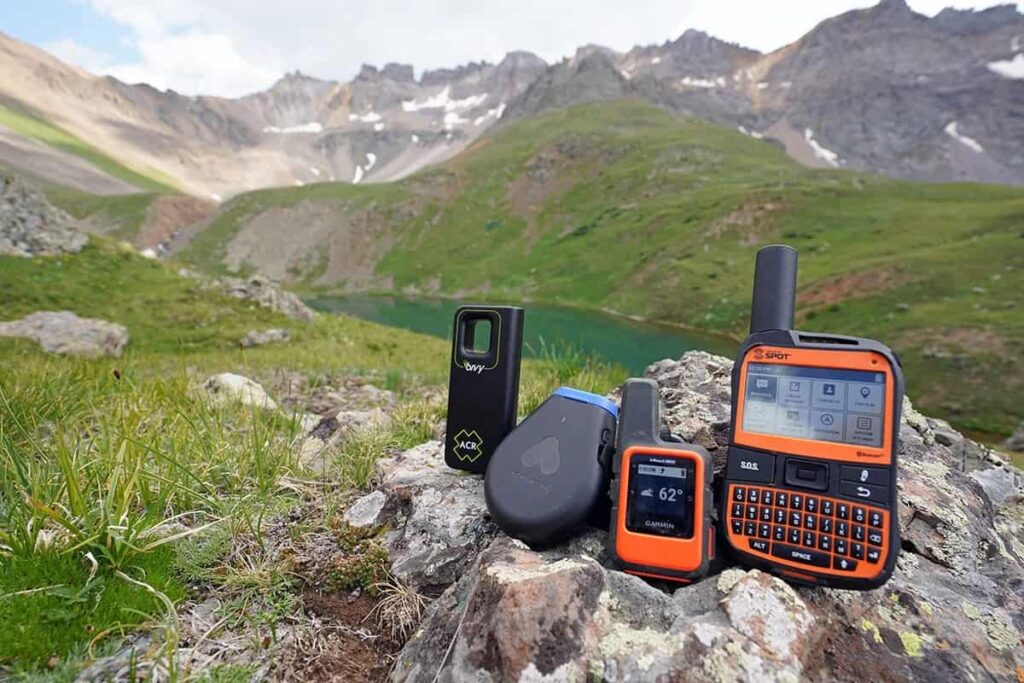
Modern technology is a wonderful thing. Your phone, GPS device, and headlamp are lifelines. But lithium batteries have one mortal enemy: extreme cold. Leave them out overnight, and you’ll wake up to glorified paperweights.

The solution is simple and slightly weird: sleep with your electronics. Tuck your phone and spare batteries into the bottom of your sleeping bag. Your body heat will keep them cozy and functional.

Yes, it means sharing your sleeping space with cold, metallic objects. Yes, you might roll over onto your GPS in the middle of the night. But when you need to navigate that early-morning summit push or check your oxygen saturation, you’ll have working devices. Warm batteries are happy batteries.

12. Check for "Cheyne-Stokes" Breathing

The first time this happens, it will freak you out. You’re lying in your tent, drifting off to sleep, when suddenly you realize your breathing has gone haywire. You might take a few shallow breaths, then stop breathing altogether for a few seconds, followed by rapid, deep breaths. It’s called Cheyne-Stokes respiration.

Here’s the good news: it’s normal. At high altitude, your brain’s respiratory control center gets a little confused. It forgets to tell you to breathe consistently. This periodic breathing pattern is your body’s response to low oxygen levels.

Don’t panic. Don’t wake your tentmate screaming that you’re dying. Just recognize it as a physiological quirk. It usually resolves as you acclimate. If it doesn’t, or if you stop breathing entirely for extended periods, that’s a different story. But a little irregularity? Totally expected.

13. Use a High-R-Value Sleeping Pad

You can have the world’s warmest sleeping bag, but if your sleeping pad has the insulating power of a paper towel, you will be cold. The frozen alpine ground is a massive heat sink. It will greedily suck warmth from your body all night long.

You need a barrier. You need insulation. You need a sleeping pad with an R-value of 4 or higher. R-value measures thermal resistance. The higher the number, the better it protects you from the cold ground.

Think of it this way: your sleeping bag keeps you warm from above. Your pad keeps you warm from below. Skimp on the pad, and you’re fighting a losing battle against the permafrost. Your spine will not forgive you.

14. Pack "Restorative" Snacks

Here’s another weird altitude fact: your digestive system becomes a sluggish complainer up high. Your body, in its infinite wisdom, diverts blood flow away from your stomach and toward your heart, lungs, and muscles—you know, the parts keeping you alive. Digestion becomes a low priority.

This means you need snacks that are easy to process. Heavy, greasy, or fibrous foods might sit in your stomach like a brick. Instead, pack “restorative” snacks: energy gels, chews, simple crackers, dried fruit, and maybe some chocolate.

You still need calories—lots of them. But give your sluggish gut a break. Feed it simple, quick-absorbing fuel. It’ll reward you by not staging a revolt at 12,000 feet.

15. Know Your "Turnaround Time"

Summit fever is real. It’s that intoxicating pull of the peak, whispering in your ear, “Just a little further. You’re almost there. Don’t give up now.” It’s also the thing that gets people killed.

Before you leave camp, establish a hard “turnaround time.” Let’s say it’s 1:00 PM. No matter how close the summit appears, if you hit 1:00 PM, you turn around. Period. End of discussion.

The mountain will be there tomorrow, next month, next year. But if you get caught on an exposed ridge after dark, or in an afternoon thunderstorm, there might not be a tomorrow. Be disciplined. Be ruthless with your own ambition. Live to hike another day.

16. Learn the "Rest Step"

Uphill hiking at altitude is a brutal, lung-searing affair. You need to conserve energy wherever possible. The “rest step” is a simple technique that gives your muscles micro-breaks with every stride.

Here’s the move: as you step forward, lock your rear leg straight for a split second. Use your skeleton, not your muscles, to support your weight. That brief moment of muscle relaxation allows blood to flow, clears out some metabolic waste, and gives you a tiny rest.

It looks like a slight pause in your stride. It feels like cheating. String thousands of these micro-rests together over a long ascent, and you’ll arrive at the top with significantly more energy. Your legs will be tired, but they won’t be completely destroyed.

17. Prepare for Thinner Blood

This one requires a doctor’s visit, not just a gear shop. Here’s the physiology: as you gain altitude, your body produces more red blood cells to compensate for the lower oxygen. This is good—it helps you breathe. But it also makes your blood “thicker” or more viscous.

Thicker blood doesn’t flow as easily through your tiny capillaries. Some long-time altitude enthusiasts take a baby aspirin daily, starting a few days before their trip, to thin their blood slightly and improve circulation.

Talk to your doctor first. This isn’t for everyone. But it’s a legitimate strategy for some. Your blood’s job is to carry oxygen. Making it flow more freely can only help that mission.

18. Bring a Pulse Oximeter

At some point, your judgment gets fuzzy. You might feel terrible and think, “I’m probably fine.” Or you might feel okay when you’re actually in trouble. A pulse oximeter removes the guesswork.

This tiny device clips onto your finger and shines a light through your skin to measure your blood oxygen saturation. At sea level, you’re probably at 98% or 99%. At 10,000 feet, well-acclimated folks might sit at 90% to 92%. If your reading dips into the 70s, you’re in danger. Time to descend.

It’s objective data. It doesn’t lie. It doesn’t have an ego. If the numbers are bad, believe them and act accordingly. Your feelings might deceive you; science won’t.

19. Carry a Lightweight Emergency Bivy

Above treeline, there is no shelter. No handy rock overhang. No dense forest to duck into. There’s just you, your tent, and the open sky. If a storm rolls in—and it will, often with terrifying speed—you need an immediate solution.

A lightweight emergency bivy is a non-negotiable piece of safety gear. It’s essentially a waterproof, breathable sack you can crawl into if you’re caught in a whiteout or if someone gets injured and can’t move.

It weighs next to nothing. It packs down to the size of a water bottle. But in a sudden hailstorm with nowhere to hide, that little sack of fabric becomes the most valuable thing you own. Don’t leave home without it.

Conclusion

High-altitude camping is a magnificent pursuit, but it demands respect. It’s a game of inches—of oxygen molecules, of temperature degrees, of physical reserves.

Success requires the humility to listen when your body whispers “slow down” and the patience to let your physiology catch up to your ambition.

It’s a mental chess match played against the atmosphere itself. When you prepare meticulously and respect the limits of the thin air, you earn access to a world of pristine silence and crystalline clarity.

A world where the stars feel close enough to touch and the sunrise paints peaks that have stood for millennia.

Stay high, stay hydrated, and always be ready to descend if the mountain asks you to.

It’s not giving up—it’s just living to hike another day.

Leave a Comment

Your email address will not be published. Required fields are marked *

Scroll to Top