There is something magical about waking up to the gentle lapping of water against the shore. Camping near a glistening lake or a rushing river adds a serene soundtrack and easy recreation to any outdoor trip. You imagine morning coffee with a view, afternoon swims, and evenings watching the sunset reflect off the water. It sounds perfect, doesn’t it?
However, water features introduce specific risks, from sudden flooding and slippery terrain to fragile shoreline ecosystems that require extra care. That picturesque creek could become a raging torrent while you sleep. Those smooth rocks near the shore? They are basically ice in disguise. To enjoy the waterfront without compromising your safety or the environment, you must understand the unique dynamics of “blue space” camping.
Let’s dive into the 18 essential rules that will keep your waterfront adventure memorable for all the right reasons.
Table of Contents
1. Follow the 200-Foot Rule: Give the Fish Some Privacy
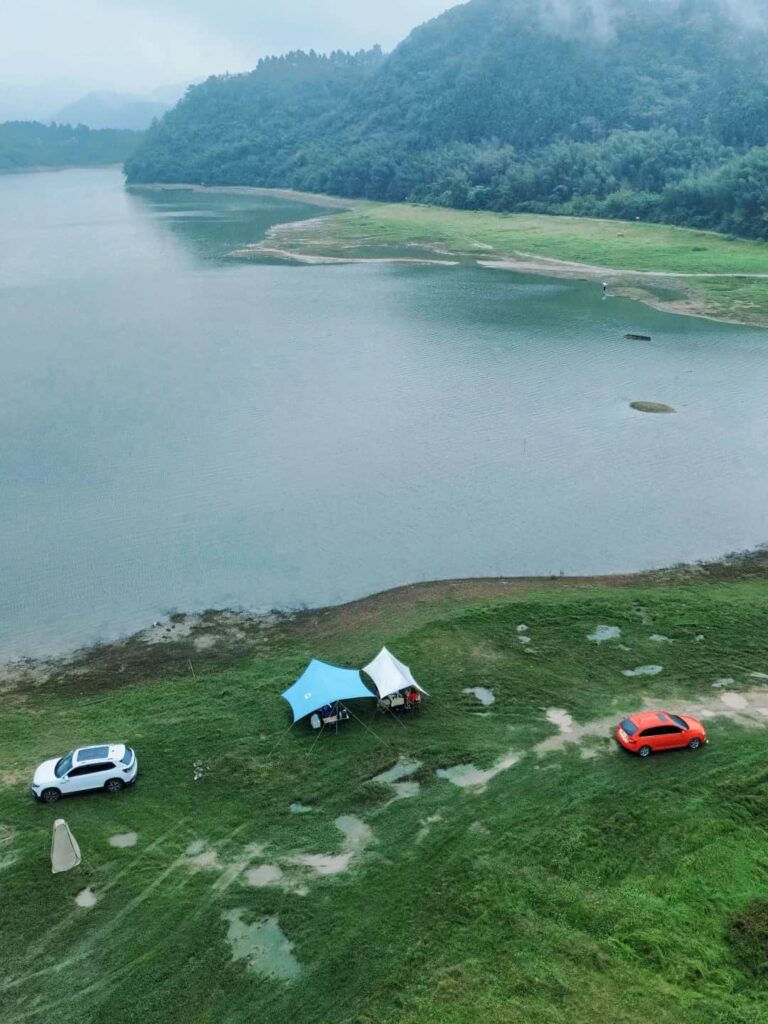
Always pitch your tent at least 200 feet away from the water’s edge. That is about 70 adult steps. Not 50 steps. Not “eh, that looks close enough.” Seventy full strides.
Why such a specific distance? First, you are protecting fragile riparian zones. These areas are nature’s kidneys—they filter runoff, prevent erosion, and provide critical habitat for wildlife. When you camp right on the shoreline, you trample all that hard-working vegetation.
Second, you are avoiding unexpected rises in water levels. Lakes breathe. Rivers stretch. What is dry ground at 3 PM might be a beaver’s new swimming pool at 3 AM. Nobody wants to wake up floating on their sleeping pad because they wanted a slightly better view of the sunrise.
Besides, does anyone really want to be that camper? You know the one. They set up six inches from the water, and now every passing kayaker gets to watch them struggle with their flooded tent. Don’t be that person.
2. Observe the "High Water Mark": Read Nature's Warning Signs
Look for debris caught in branches overhead. See dried mud on rocks that should be clean? Notice tangled sticks and grass wrapped around bushes several feet above the current water level? Congratulations—you have found the high water mark.
This is nature’s way of posting a sign that says “Flood Zone Ahead.” Those sticks and that mud are not decoration. They are evidence. When water levels were higher—and they will be again—everything below that line got soaked.
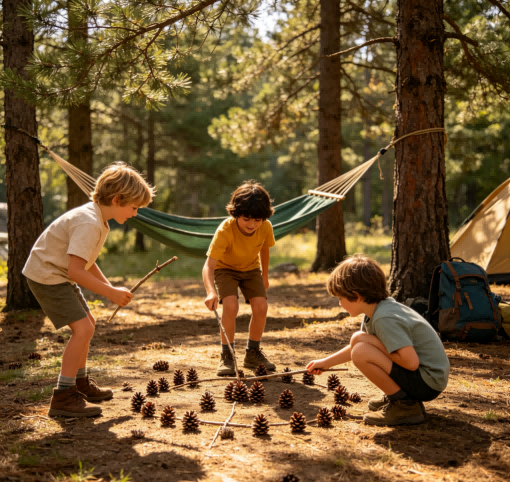
If you spot discoloration on rocks or water stains on tree trunks, pay attention. That line represents the minimum height water has reached recently. During spring runoff or after heavy rains, the water will return to that level. Probably while you are sleeping. Probably while your sleeping bag is unzipped.
Treat the high water mark like a boundary you do not cross. Set up camp below it, and you are basically gambling with nature. And nature always wins.
3. Check for Upstream Dam Releases: The Sneaky Flood
If you are camping near a dammed river, you have a homework assignment. Check the utility’s schedule for water releases. Write it down. Set a reminder. Put a sticky note on your forehead if you have to.
Here is the terrifying part: water levels can rise several feet in minutes regardless of local rainfall. The sky above you can be crystal clear. The sun can be shining. Birds can be singing. Meanwhile, miles upstream, someone in a control room decides it is time to open the floodgates.
Suddenly, your riverside paradise becomes a fast-moving current carrying your tent, your gear, and your dignity downstream. This is not dramatic exaggeration. This happens. Every year. To people who thought they were being careful.
Call the local ranger station. Check the dam operator’s website. Ask the campground host. Do whatever it takes to know the schedule. Otherwise, you might wake up damp, confused, and wondering why that nice man upstream hates you personally.
4. Never Pitch Your Tent in a Dry Creek Bed: It's a Trap!
This seems obvious, right? You would think so. Yet every summer, rescue crews pull people out of canyons who thought the flat, sandy, beautifully flat spot between those two rocky banks looked perfect for a tent.
Here is the truth about dry creek beds: they are called dry creek beds for a reason. They are beds. Of creeks. When creeks are not dry, they fill with water. Lots of water. Moving water. The kind of water that does not care about your new tent or your camping plans.
Even if the sky is clear above you, a storm miles upstream can send a flash flood through your campsite while you sleep. Rain you never see, never hear, and never suspect can travel dozens of miles, gathering in canyons and channels until it explodes into your peaceful little wash.
That flat spot looks tempting. It is already cleared of vegetation. It might even have nice smooth sand. But it is nature’s water slide, and you are the one sliding. Sleep on the high ground. Always.
5. Use Biodegradable Soap at Least 200 Feet from Shore: Suds Kill Fish
You packed your eco-friendly camping soap. Good for you. You want to wash your dishes and maybe yourself. Also good. But here is the uncomfortable truth: even “eco-friendly” soaps harm aquatic life.
Those natural ingredients? They still disrupt the surface tension of water. They still alter pH levels. They still coat fish gills and suffocate insect larvae. Biodegradable does not mean harmless. It means less harmful, and only after the soil has done its job filtering everything out.
Never lather up directly in the lake or river. Not your dishes. Not your hair. Not your muddy socks. Fill a basin or pot with water, carry it at least 200 feet inland, do your washing there, and then scatter the dirty water widely over dry ground.
The soil is an excellent filter. The lake is not. Your goal is to let dirt, not water, handle the dirty water. The fish will thank you by continuing to exist.
6. Secure Your Gear Against "The Current": Stake Your Boat
You rented a beautiful kayak. You paddled around at sunset. You pulled it onto the shore, leaned it against a log, and went to sleep dreaming of tomorrow’s adventure.
Then midnight happened. The wind picked up. The tide came in. Or maybe a motorboat passed by and sent gentle waves lapping higher and higher. Your kayak started floating. Then drifting. Then disappearing into the darkness.
Morning arrives, and you wake to an empty shoreline. Your boat is gone. Your paddle is gone. Your dignity is somewhere on the lake bottom.
Use stakes or tethers for your kayak, canoe, or paddleboard. Tie them to a tree, a rock, or a stake you drove into the ground specifically for this purpose. Rope is cheap. Rental deposits are not. And swimming after your watercraft at midnight is nobody’s idea of fun.
7. Identify and Avoid "Stagnant Water" Zones: Swamp Things
Still water looks peaceful. It reflects the trees. It catches the morning light. It also breeds mosquitoes by the millions and sometimes harbors toxic surprises.
Swampy areas are mosquito factories. Standing water is where they lay eggs, hatch larvae, and launch their nightly attacks on your ankles. Camp near stagnant water, and you become the all-you-can-eat buffet.
But mosquitoes are not the only concern. Harmful algae blooms thrive in warm, still water. These blooms look like green paint spilled on the surface. Sometimes they look like pea soup. They can be toxic to pets and humans. One lick of contaminated water by your dog, and you are rushing to the emergency vet.
If the water smells funny, looks thick, or has a suspicious green or blue-green tint, stay away. Let your dog stay away. Let your water filter stay away. Some things cannot be fixed by boiling.
8. Filter and Purify Every Drop: Thirst is a Liar
That lake looks clean. It is clear. You can see the bottom. Surely, drinking directly from it is fine, right? Wrong. So wrong. Please do not do this.
Never drink directly from a lake or river. Even the most pristine-looking water contains microscopic creatures waiting to colonize your intestines. Giardia. Cryptosporidium. Bacteria you cannot pronounce but will definitely remember after spending three days hugging a toilet.
Use a filter capable of removing protozoa and bacteria. Most backpacking filters handle these just fine. But if you are camping in high-traffic areas where lots of people and animals visit, consider a purifier that also handles viruses.
Yes, viruses. Human waste travels downstream. Other campers upstream might have terrible hygiene. That beautiful river is also the bathroom for every animal in the watershed. Filter your water. Purify it if you can. Your future self will thank you from somewhere far away from the emergency bathroom.
9. Store Food to Deter "Waterfront Scavengers": Clever Critters
Raccoons near water are not shy. Otters are basically furry toddlers with sharp teeth. Waterfowl will march right up to your tent and demand snacks like they pay rent. These animals have seen hundreds of campers. They know exactly how your food storage works. They have probably written guidebooks about it.
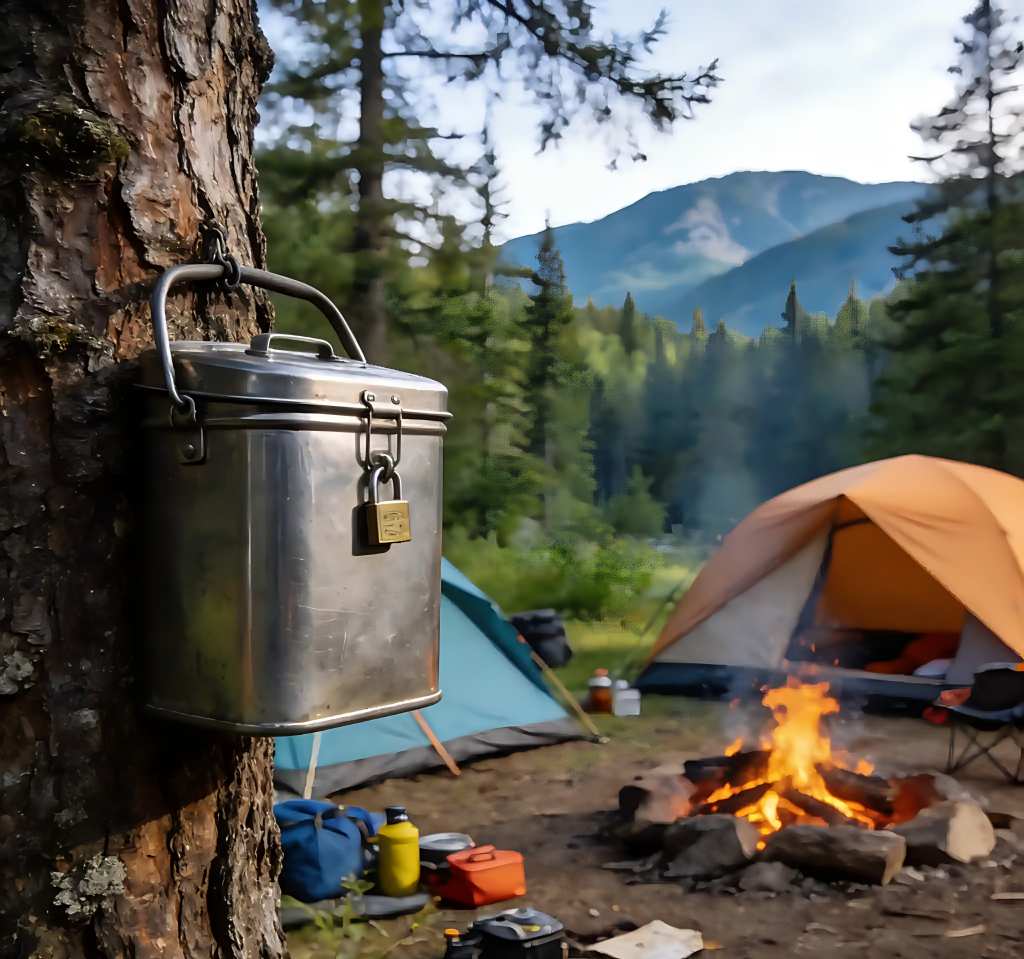
Store your food in hard-sided containers. Coolers work. Bear canisters work. Lockable plastic bins work. Things that crunch, crinkle, or close with a simple zipper do not work.
Raccoons have hands. They understand zippers. They have opposable thumbs and zero conscience about using them. Otters can squeeze through gaps you did not know existed. And geese? Geese are just terrifying. Do not tempt them.
Keep your food locked up, your tent free of crumbs, and your expectations low. You are not smarter than a raccoon. Nobody is. Accept this truth and act accordingly.
10. Wear Water Shoes or Sandals with Grip: Rocks are Lies
Submerged rocks are covered in slick algae. This algae has one purpose in life: making you fall. It has evolved over millions of years specifically to be as slippery as possible. It is very good at its job.
Barefoot trekking along rocky shorelines is the leading cause of slips, falls, stitches, and ruined vacations. One wrong step, and you are bleeding. One slip, and you are soaking wet with a twisted ankle. One moment of carelessness, and you are explaining to the emergency room doctor how you “just wanted to feel the sand between your toes.”
Wear water shoes. Wear sandals with decent grip. Wear something that provides traction and protects your feet from sharp rocks, broken glass, and whatever else washed downstream. Your feet are how you get around. Protect them from the algae conspiracy.
11. Be Wary of "Undercut Banks": Ground is a Liar
That riverbank looks solid. It looks like nice, firm ground. You could put your heavy cooler there. You could set your camp chair there and watch the water go by.
But riverbanks that look solid may be hollowed out underneath by erosion. The current scoops out soil from below while leaving a thin crust on top. Walk on that crust, and it collapses. Put your gear on that crust, and it disappears into the water. Sit on that crust, and you suddenly become a participant in a very cold swimming lesson.
Keep your heavy gear and tent away from the very edge. Stay back several feet. If the bank looks overhanging or undercut, assume it is structurally unsound. Water is patient. It has been working on that bank for years. It will win eventually. Do not be there when it does.
12. Supervise Children and Non-Swimmers at All Times: Water Hides Depth
Lakes and rivers are not swimming pools. They do not have shallow-end markers. They do not have lifeguards. They do not have clean, straight lines separating the wading area from the deep end.
The transition from shallow to deep water can be abrupt. One step, you are knee-deep. The next step, you are over your head. Currents are often stronger than they appear from the surface. What looks like gentle movement can actually be powerful enough to sweep a child or weak swimmer downstream.
Watch children constantly. Watch non-swimmers constantly. Watch strong swimmers, too, because overconfidence drowns people every single day. If someone is not comfortable in water, put them in a life jacket. Not a floatie. Not water wings. A real, Coast Guard-approved life jacket.
Water does not care how good of a parent you are. It only cares about physics. Respect that.
13. Check the Weather for Wind Alerts: Lakes Make Their Own Rules
Large lakes create their own weather patterns. Seriously. The temperature difference between land and water generates winds that appear out of nowhere. A calm morning can become a white-knuckle afternoon very quickly.
High winds turn a peaceful paddle into a dangerous situation. They flip kayaks. They swamp canoes. They push paddleboards toward the middle of the lake while you frantically try to return to shore. They also create waves that erode shorelines and soak your campsite.
Check the forecast before you go. Check it again while you are there. If wind alerts are posted, take them seriously. That pretty lake will still be there tomorrow. Your capsized boat might not be.
14. Dispose of "Grey Water" Properly: Leftovers Attract Everything
You washed your dishes. Good job. Now you have a pot of murky water filled with food particles, grease, and tiny bits of whatever you ate for dinner. What do you do with it?
Do not throw it in the lake. Do not dump it near your tent. Do not pour it out in one concentrated spot where animals will discover it and dig up half the campground looking for more.
Scatter your used dishwater over a wide area of dry land far from the shore. Walk while you pour. Spread it out. Let the soil filter out food particles over a broad zone rather than creating a single tempting pile of snack-water.
Concentrated grey water attracts animals. It smells like food. It draws insects. It creates a mess. Spread it thin, and the soil does its job. Dump it in one spot, and you might wake up with a raccoon sniffing your face.
15. Understand "Cold Water Shock": Cold Kills Fast
Even in summer, deep lakes and mountain rivers remain frigid. The surface might be warm. The shallows might be pleasant. But below that thin layer of sun-heated water lies a cold, dark world that does not care about air temperature.
Falling into cold water causes an involuntary gasp reflex. You inhale suddenly and uncontrollably. If your face is underwater when that happens, you inhale water instead of air. This is not dramatic. This is physiology. It happens to strong swimmers. It happens to people who have been swimming their whole lives.
Cold water also saps strength rapidly. Muscles stop working. Hands cannot grip. Arms cannot pull. What starts as a quick swim back to shore becomes a desperate struggle within minutes.
Respect cold water. Wear life jackets near deep lakes. Avoid falling in whenever possible. And remember that warm air does not mean warm water. It never does.
16. Keep a "Throw Bag" or Rescue Line Handy: Rope Saves Lives
If you are camping right on a riverbank, carry a throw bag. Keep it accessible. Know how to use it before you need it.
A throw bag is exactly what it sounds like: a bag containing rope that you can throw to someone in trouble. Someone slips on those algae-covered rocks. Someone falls into fast-moving current. Someone gets swept downstream while you watch helplessly.
Having a safety rope ready can save a life. You do not need to be a professional rescuer. You just need to get a line to the person before the current takes them around the bend. Practice throwing it. Keep it where you can grab it quickly.
Rope is cheap. Regret is expensive. Carry the bag.
17. Watch for "Strainers" and "Sweepers": Trees are Traps
Fallen trees in the water look like obstacles you can avoid. Swim around them. Paddle past them. Simple, right? Wrong. Those trees are death traps.
Strainers allow water to pass through while trapping anything solid—including you. The current pins you against the branches. Water flows through. You do not. You cannot push through. You cannot swim against the pressure. You are stuck.
Sweepers are trees that hang low over the water, waiting to knock you out of your boat or scrape you off your paddleboard. They do not look dangerous. They look like scenery. Then they hit you in the face.
Stay away from fallen trees in the water. Stay away from branches hanging low. If you are swimming or boating, give these features a wide berth. They are not obstacles to navigate. They are traps to avoid entirely.
18. Respect the "Dawn and Dusk" Wildlife Window: Animals Drink Too
Many predators and large herbivores come to the water to drink during twilight. Bears, moose, mountain lions, and deer all follow the same schedule: drink early, drink late, hide during the day.
If you are at the water’s edge at dawn or dusk, you are sharing space with animals that are much better at being outdoors than you are. Give them plenty of space. Make noise. Stay alert. If you see wildlife approaching the water, back away slowly and let them have their turn.
Moose are not friendly. Bears are not curious about you in a cute way. They are all just trying to survive, and you are standing between them and hydration. Step aside. Let them drink. Take your photos from a safe distance.
The water belongs to everyone. Act like a guest, not an owner.
Conclusion
Waterfront camping offers some of the most beautiful views in the world, but it requires a heightened sense of situational awareness. The same water that reflects stunning sunsets can also rise while you sleep. The same shoreline that hosts your morning coffee can collapse beneath your tent.
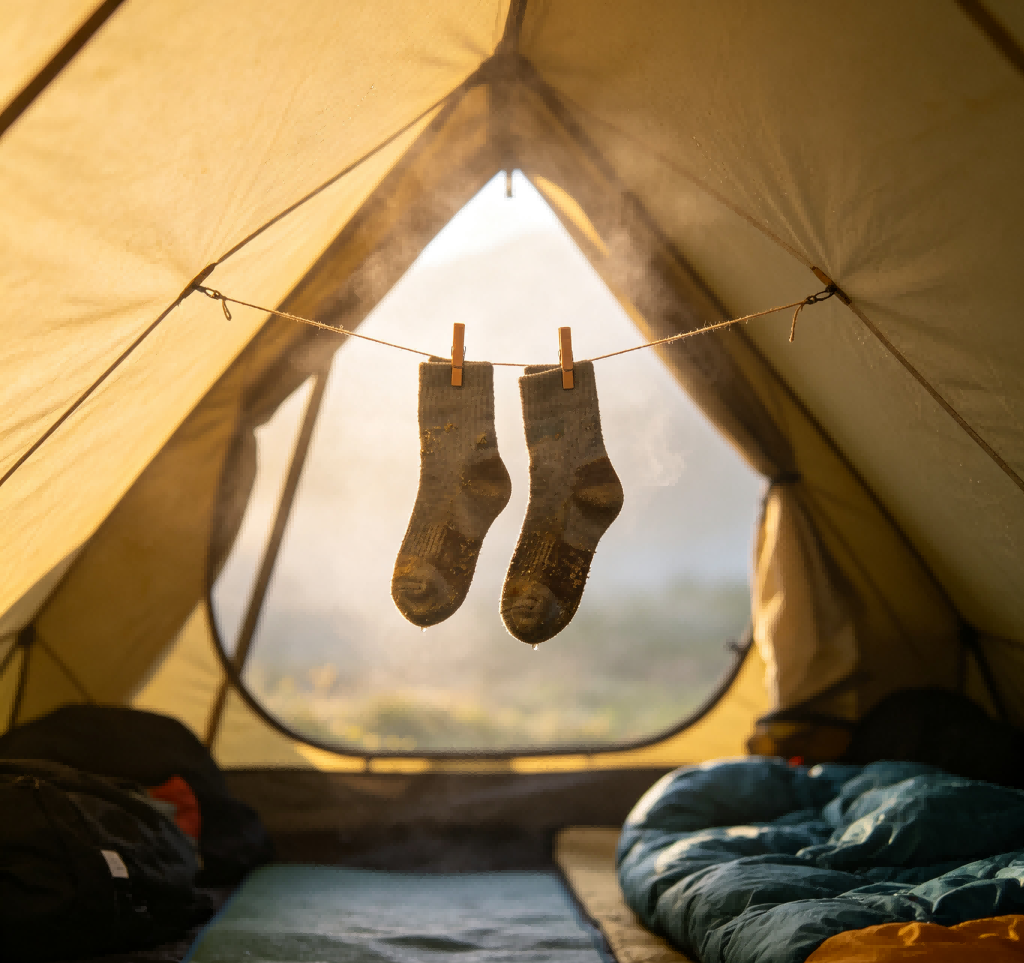
Nature’s most powerful force is water—treat it with the respect it deserves, and it will provide the perfect backdrop for your adventure. Disrespect it, and you will learn lessons you did not want to learn. Choose respect. Choose the 200-foot rule. Choose dry socks and happy memories.
Now go camp near some water. Just do it from far enough away.