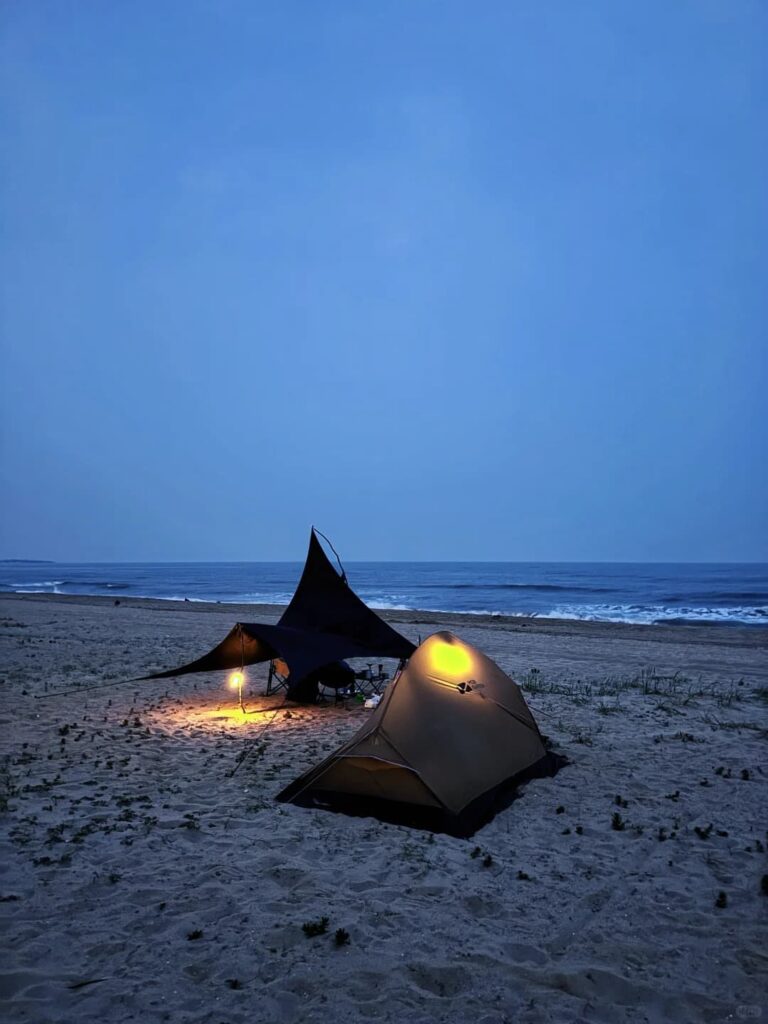
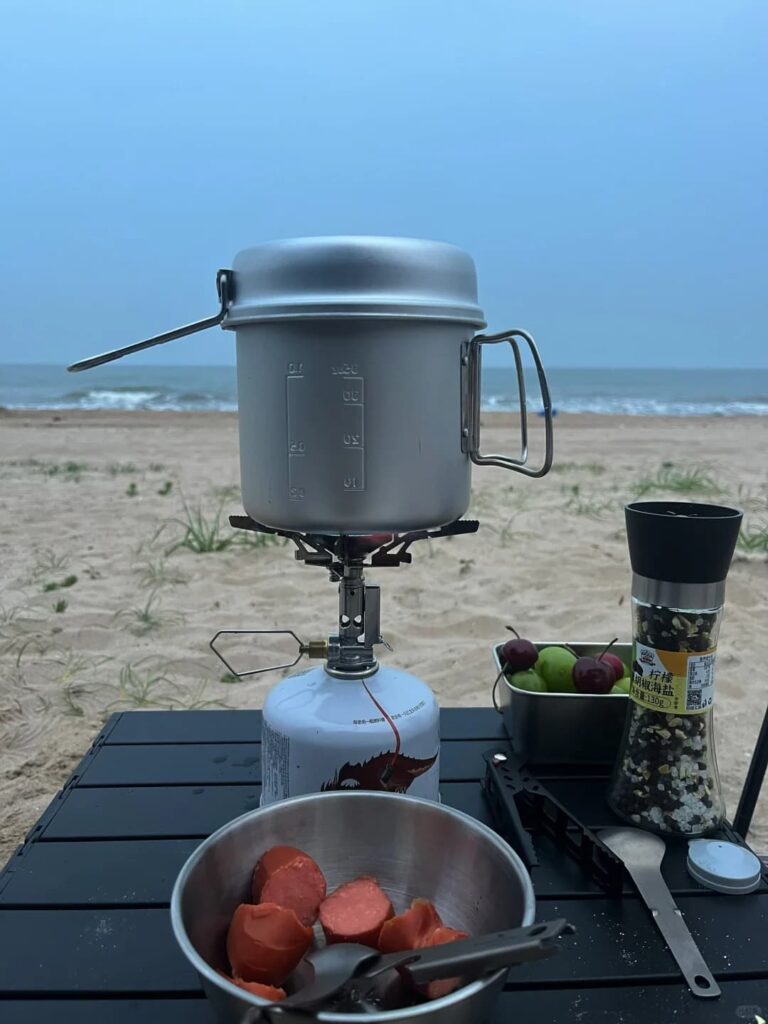
There is nothing quite like falling asleep to the sound of crashing waves.
Beach camping offers a unique soundtrack and a front-row seat to the sunrise. The beauty is unmatched. But let’s be honest—coastal camping also presents a unique set of challenges. Sand gets everywhere. Wind never seems to stop. Salt quietly destroys your gear.
Mastering the coast requires a different strategy than forest camping. You cannot just show up with the same gear and expect success. The environment demands respect and preparation. Your tent needs to stay grounded. Your sleeping bag must remain dry. Your sanity depends on keeping the grit under control.
Here is how you do it.
Table of Contents
1. Check the Tide Tables: Don't Wake Up Swimming
Nothing ruins a peaceful night like cold water seeping into your sleeping bag.
Always pitch your tent well above the high-tide line. This seems obvious, yet campers make this mistake every year. The ocean has a schedule. It does not care about your beautiful tent placement. It will reclaim its territory without warning.
Look for the “wrack line.” This is the line of dried seaweed, shells, and debris left by the highest recent tide. Consider this nature’s warning sign. Pitch your tent below it, and you are asking for trouble. Give the ocean at least fifty feet of buffer space. More is better.
Check online tide charts before you pack. Set an alarm if you want to watch the high tide. Just make sure you watch it from a safe distance.
2. Invest in Sand Stakes: Keep Your Tent on the Planet
Standard plastic pegs work great in soil. They are nearly useless in sand.
You will hammer them in. They will look secure. Then a gust of wind will arrive, and your tent will tumble down the beach like a runaway tumbleweed. Do not let this happen to you.
Use long, T-shaped stakes designed specifically for sand. Better yet, get the screw-in sand anchors that look like giant corkscrews. These actually grip the sand and hold tight. Bury your stakes deep. Angle them away from the direction of prevailing wind.
Your tent will stay put. You will sleep peacefully. Your neighbors will envy your stable shelter.
3. The "Two-Mat" System: Trap Sand Before It Traps You
Sand is the universal currency of beach camping. You will earn it whether you want it or not.
The two-mat system changes everything. Place one heavy-duty mat outside your tent entrance. This is where you stomp and shake and do your best impression of a flailing dancer trying to remove debris.
Place another mat just inside the tent. This second layer catches whatever escapes the first assault. Together, these mats form a defensive line. They trap the majority before it reaches your sleeping bag.
Your bed will stay cleaner. Your feet will thank you. Future you will appreciate this small effort at two in the morning during a bathroom break.
4. Bring a Small Brush and Dustpan: Embrace Your Inner Janitor
No matter how careful you are, sand will get inside.
Accept this truth early. Fighting it completely is a losing battle. But you can win the war through daily maintenance.
Pack a small brush and dustpan. Every morning, spend two minutes sweeping. Get the corners. Clear the entrance. Remove the grit before it grinds into everything you own.
This simple habit prevents the gradual degradation of your gear. Sand acts like sandpaper inside zippers and fabrics. Remove it promptly, and your equipment lasts longer. Your sleeping experience improves dramatically.
Plus, sweeping feels productive. You start the day with a small victory.
5. Use a Vinegar Spray for Salt: Fight the Sticky Film
Salt spray settles on everything. You cannot see it building up, but you will feel the consequences.
Zippers start sticking. Metal components stiffen. Gear feels gritty and rough. The ocean gives generously, and it takes in return.
Mix equal parts vinegar and water in a spray bottle. This simple solution cuts through salt effectively. Wipe down zippers every morning. Clean metal buckles and stakes. Pay attention to anything that moves or connects.
The vinegar smell fades quickly. Your gear stays functional. You prevent the slow corrosion that destroys unprepared campers’ equipment.
6. Create a "Wash Station": Stop Sand at the Door
Your feet are the primary delivery system for interior sand.
Set up a plastic tub near the tent entrance. Fill it with fresh water. Before stepping inside, rinse those sandy feet thoroughly. Shake off excess water. Dry with a small towel kept nearby.
This takes thirty seconds. It saves hours of frustration.
Make it a rule for everyone in your group. No exceptions. Children will try to sneak past. Dogs absolutely cannot be trusted. Enforce the protocol with kindness and consistency.
Your tent floor will remain relatively clean. Your sleeping bags will stay grit-free. The system works if you work the system.
7. Prioritize Sun Protection: Shade Is a Luxury You Must Create
Forest camping offers natural shade. Trees provide relief. The beach offers zero protection.
The sun reflects off sand and water simultaneously. You get cooked from above and below. This double exposure accelerates burning and dehydration.
Bring a high-quality canopy or beach shade. Look for UV protection ratings. Test your setup at home before relying on it at the coast. Make sure it handles wind without becoming a flying hazard.
Position your shade strategically. Track the sun’s movement throughout the day. Move chairs and gear accordingly. Treat shade creation as an ongoing activity rather than a one-time setup.
Your skin will thank you. Your trip will last longer without sun-related misery.
8. Pack Baby Powder: The Magic Sand Repellent
Here is a trick that seems too simple to work.
Baby powder makes damp sand fall right off your skin. Sprinkle some on sandy feet or legs. Watch the sand release instantly. Wipe away the powder and the sand together.
This is especially valuable before putting on socks. Wet sand clings stubbornly. Dry sand brushes off easily. Baby powder creates the dry environment sand cannot stick to.
Keep a small container by your tent entrance. Use it liberally. Share the secret with fellow campers. Watch their faces light up with gratitude and wonder.
You will feel like a wizard. In a way, you are.
9. Secure Your Food from Gulls: Beach Birds Are Criminals
Forest campers worry about bears. Coastal campers face a different threat entirely.
Seagulls are bold. They have no fear. They watch your campsite constantly, waiting for the exact moment you look away.
These birds can peck through soft bags. They steal sandwiches from tables. They open containers that should be secure. Do not underestimate their determination.
Store all food in hard-sided, locking coolers. Keep everything closed when not actively accessing it. Never leave food unattended, even for seconds.
Watch the gulls watching you. They are patient. They are organized. They are absolutely willing to work as a team. Stay vigilant.
10. Check Local Fire Regulations: Respect the Rules and the Beach
Beach fires feel essential to the coastal camping experience.
But beaches have rules. Many require elevated fire pits. Some demand specific containers. Others ban fires entirely during certain seasons or conditions.
Check regulations before you go. Know what equipment you need. Bring appropriate fire containers rather than hoping to improvise.
The reason matters. Hot coals buried in sand stay hot for hours. Someone walking barefoot tomorrow could suffer severe burns. Proper fire management prevents this danger.
Follow the rules. Build fires responsibly. Extinguish completely before sleeping or leaving. Leave no trace of your flames behind.
11. Fresh Water Is Non-Negotiable: Bring More Than You Think
Salt air dehydrates you faster than inland environments.
You breathe salty air. You sweat in the sun. The breeze that feels refreshing actually accelerates moisture loss. Your water needs increase significantly.
Many beach sites lack potable water. Assume nothing. Bring all the water you need for drinking, cooking, and rinsing. Then add extra.
Plan for at least one gallon per person per day. Double that if temperatures run high or activities prove strenuous. Better to haul extra water home than to run out at midnight.
Hydration prevents headaches. Hydration maintains energy. Hydration makes the whole experience enjoyable rather than miserable.
12. Hydrate Your Zippers: Prevent Salt Corrosion
Salt does not just look pretty on margarita glasses.
It attacks zippers relentlessly. The fine crystals work into teeth and sliders. They cause sticking and grinding. Eventually, zippers fail completely.
Rub a bit of wax on your tent and bag zippers. Specialized zipper lubricant works even better. Apply before your trip. Reapply during your stay if needed.
This simple maintenance takes seconds. It prevents failures that could compromise your shelter or sleeping system. Functional zippers matter more than you realize until they stop working.
Make it part of your daily routine. A quick treatment keeps everything moving smoothly.
13. Watch the Wind Direction: Position Your Tent Strategically
Wind determines comfort more than almost any other factor.
Position your tent door facing away from the prevailing wind. This prevents your shelter from becoming a wind sail. It stops gusts from filling your interior with sand every time you enter or exit.
Observe conditions before committing to a spot. Watch how wind moves across the beach. Notice where it accelerates around obstacles. Choose your location based on this intelligence.
If wind shifts during your stay, adapt. Rotate your tent if possible. Add windbreaks using coolers and gear. Treat wind management as an ongoing priority.
A well-positioned tent makes every hour better. A poorly positioned tent makes everyone miserable.
14. Use Lightweight, Breathable Bedding: Ditch the Heavy Bag
Coastal humidity changes everything about sleep comfort.
That heavy sleeping bag that served you well in the mountains? It will feel sticky and oppressive by the ocean. Moisture in the air combines with insulation to create an uncomfortable experience.
Consider bringing a simple cotton sheet. Pack a light flannel blanket. Choose bedding that breathes and handles humidity gracefully.
You can always add layers if temperatures drop. You cannot remove excess insulation from a bag designed for cold conditions. Prioritize flexibility over maximum warmth.
Sleep better by sleeping cooler. The ocean breeze provides all the air conditioning you need.
15. Bring Polarized Sunglasses: Protect Your Eyes Seriously
The glare at the beach is no joke.
White sand reflects sunlight aggressively. Water surface creates additional reflection. Your eyes receive light from every direction simultaneously.
Polarized sunglasses cut through this glare. They reduce eye strain dramatically. They improve visibility and comfort. They protect your vision from cumulative UV damage.
Cheap sunglasses do not provide adequate protection. Invest in quality polarized lenses. Wear them consistently. Your eyes will thank you now and decades from now.
Plus, you will look like someone who knows what they are doing. Confidence matters.
16. Pack a "Dry Bag" for Electronics: Salt Mist Destroys Tech
You cannot see salt mist in the air. But it is there.
This fine mist penetrates phone ports. It gets inside camera bodies. It corrodes connections and causes mysterious failures. Your expensive electronics face invisible danger.
Keep everything sealed in a dry bag when not in use. Use ziplock bags for quick access items. Create a dedicated tech zone inside your tent away from direct exposure.
Check devices regularly for signs of moisture or corrosion. Clean ports carefully if needed. Prevention beats repair every time.
Your phone will survive the trip. Your photos will download successfully. Your peace of mind remains intact.
17. Plan for Insects: Tiny Pests Require Serious Defense
Beach insects do not care about your vacation plans.
“No-see-ums” live up to their name. You cannot see them coming. You only feel the burning aftermath. Sand flies emerge at dusk with aggressive intentions.
Bring repellent specifically rated for biting flies. Standard mosquito formulas often prove insufficient. Look for products containing picaridin or oil of lemon eucalyptus.
Set up insect barriers early. Apply repellent before bugs arrive rather than after they start biting. Consider treating clothing for additional protection.
Evening hours at the beach should feel magical. Proper insect management ensures they do.
18. Leave No Trace: Beach Edition Requires Extra Vigilance
Sand hides evidence of carelessness.
Cigarette butts bury themselves. Bottle caps disappear beneath the surface. Small trash items vanish from sight but remain in the environment.
Be extra vigilant about packing out every tiny piece of trash. Check your campsite thoroughly before leaving. Look under things. Dig around slightly. Find what sand has tried to hide.
Future beach visitors deserve clean sand. Wildlife deserves protection from your debris. You deserve the satisfaction of leaving things better than you found them.
Carry a small bag specifically for trash collection. Use it throughout your stay. Fill it completely before heading home.
Conclusion: From Gritty Ordeal to Serene Escape
Coastal camping rewards preparation with pure magic.
A little extra effort transforms potential misery into genuine bliss. Check those tides. Stake that tent properly. Manage the sand instead of fighting it. Follow these guidelines, and the beach becomes your sanctuary rather than your adversary.
The waves will crash. The sun will rise. Your gear will stay dry. Your tent will remain grounded. You will sleep peacefully, wake refreshed, and return home with memories of beauty rather than frustration.
Pack smart. Camp well. Let the ocean sing you to sleep.