State Parks vs. National Parks: Where Should You Pitch Your Tent?

Spread the love

Exploring the unique administrative and recreational identities of State versus National park systems can feel like comparing a cozy local diner to a world-famous five-star restaurant.

When choosing where to pitch your tent, the distinction between a State Park and a National Park often comes down to the “vibe” of the trip—one offering a more local, accessible experience and the other providing a “bucket list” adventure.

Understanding these logistical and environmental differences can help you decide which terrain best suits your camping style.

Let’s break down the nitty-gritty details with a healthy dose of humor and honesty.

Table of Contents

1. Management and Funding: Who's the Boss?

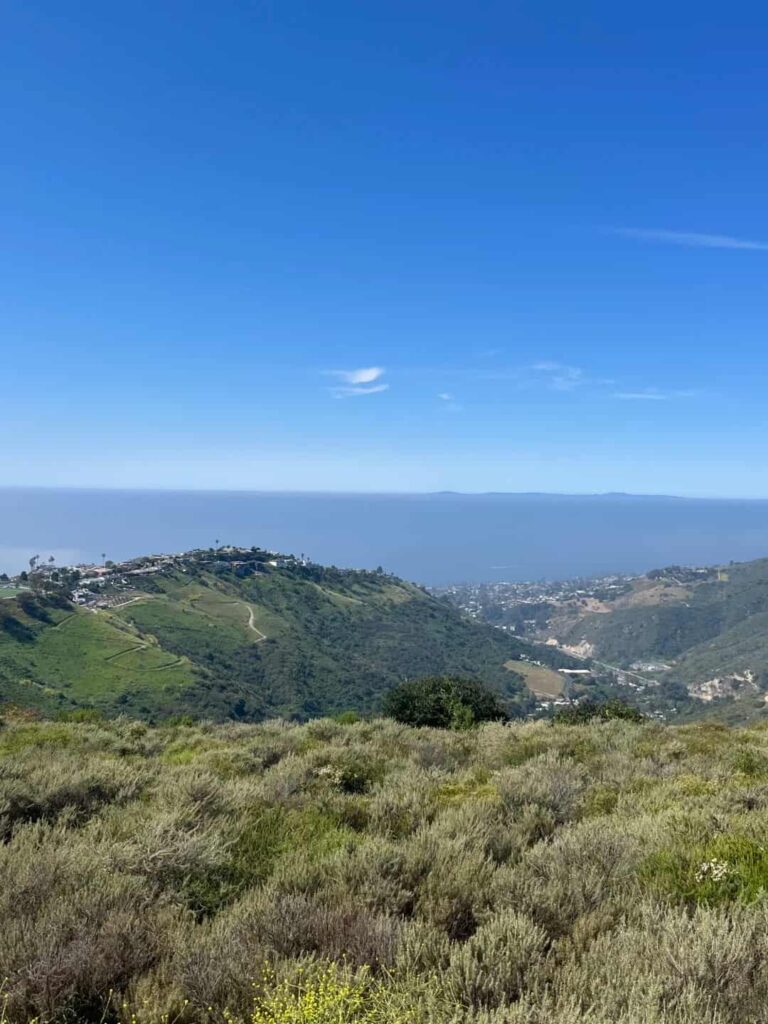
National Parks are managed by the federal Department of the Interior. Think of them as the overachieving cousins in the park family. They answer to Washington D.C., which means bureaucracy moves at a glacial pace. Everything is standardized, polished, and incredibly professional.

State Parks, on the other hand, are run by individual state agencies. You know, the Department of Natural Resources or whatever your state calls its nature-keepers. These folks are your neighbors. They understand local quirks. They know exactly which trails flood in April and where the best morel mushrooms pop up.

The funding difference shows too. National Parks get federal money. Sometimes it flows freely. Other times, not so much. State Parks rely on state budgets and your camping fees. When you pay to stay at a State Park, that money stays local. It feels good, doesn’t it?

So who wins? It depends. Federal management means consistent quality. State management means local charm. Both have their place in your camping rotation.

2. Booking Lead Times: Plan Ahead or Spontaneous Adventure?

National Parks require reservations roughly six to twelve months in advance. Yes, you read that correctly. A full year. People literally mark their calendars for the exact moment reservations open for Yosemite or Yellowstone. It’s like scoring Taylor Swift tickets, but with more mosquitoes.

You want to camp in Zion next summer? Better have your act together this fall. The campsites vanish within minutes. It’s competitive. It’s stressful. It’s honestly a bit ridiculous.

State Parks, bless their hearts, are far more forgiving. Many allow bookings just weeks or even days ahead. Some still hold first-come, first-served sites for the spontaneous among us.

Feeling impulsive on a Thursday afternoon? Pack the car and grab a State Park site for the weekend. That flexibility is pure gold for people with unpredictable schedules or last-minute bursts of adventure.

The choice here is clear. National Parks demand commitment. State Parks reward spontaneity.

3. Entrance and Camping Fees: Follow the Money

Let’s talk dollars and sense. National Parks charge entrance fees. It’s typically around thirty-five dollars per vehicle. That’s just to get in the gate. Then you pay separately for your campsite. The costs add up quickly.

State Parks generally have lower nightly rates. Much lower. We’re talking twenty to thirty bucks for a decent site. Entrance fees, if they exist at all, are usually minimal. Five dollars. Ten dollars. Pocket change.

Here’s a pro tip: buy an America the Beautiful pass if you visit National Parks often. Eighty bucks covers entrance to all federal lands for a year. It pays for itself after three park visits.

But for budget-conscious families, State Parks win every time. You can camp multiple weekends for the price of one night in a National Park. That math matters when you’re feeding hungry kids and buying s’mores supplies.

4. Amenities and Hookups: Roughing It vs. Glamping Lite

RV owners, listen up. State Parks love you. They really do. Most offer water and electric hookups at reasonable rates. Dump stations are common. You can run your air conditioner, charge your devices, and pretend you’re not really camping.

National Parks? Not so much. Many campgrounds are completely “dry.” No hookups whatsoever. You want power? Bring a generator and follow the quiet hours. You want water? Fill your tank before entering.

This isn’t an accident. National Parks prioritize preservation over convenience. They want your experience to feel wild and untamed. Even if you’re sleeping in a fifty-thousand-dollar RV.

State Parks understand that modern camping involves modern comforts. They accommodate both tent campers and RV enthusiasts with equal enthusiasm.

If you need your electrical fix, head to a State Park. If you’re embracing the rustic life, National Parks deliver.

5. Pet Friendliness: Fido's Vacation Matters

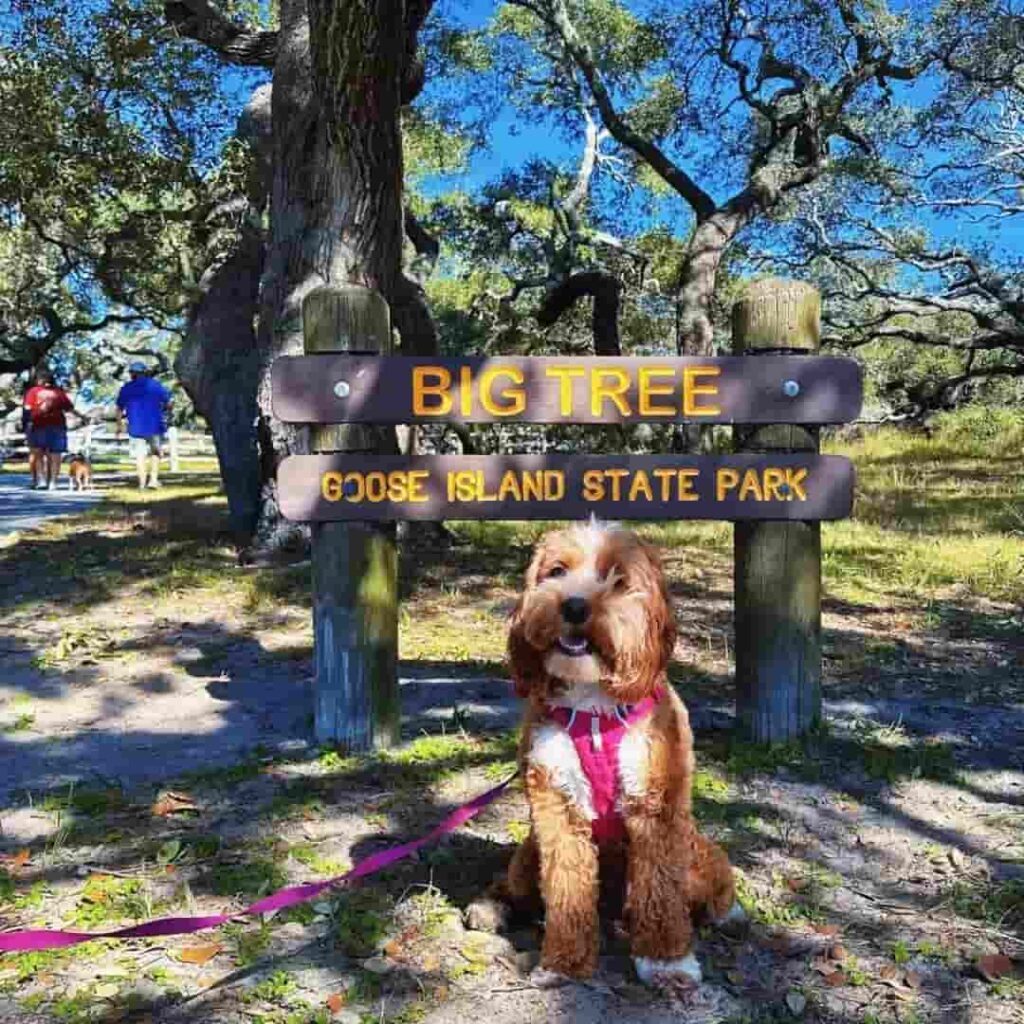
Dog owners, this section matters. State Parks generally welcome your four-legged friends with open arms. Trails, campgrounds, picnic areas—paws are permitted almost everywhere. Just keep them leashed and clean up the mess.

National Parks take a different approach. A stricter approach. Dogs are severely limited. They can walk on paved roads and hang out in developed campgrounds. That’s about it. Hiking trails? Nope. Backcountry? Absolutely not.

The reasoning makes sense. Wildlife protection and all that. But try explaining it to your golden retriever, who just wants to sniff every pine tree in sight.

State Parks understand that camping with dogs is part of the family experience. National Parks view pets as potential ecological disruptions.

Choose accordingly. Adventure dogs belong in State Parks. Couch potatoes who don’t mind staying close to the car might manage in National Parks.

6. Crowd Density: Solitude vs. Selfies

National Parks attract international tourists. People fly across oceans to see the Grand Canyon. Tour buses disgorge passengers by the dozens. Popular viewpoints feel like subway stations during rush hour.

You’ll hear a dozen languages in a single afternoon. It’s wonderful in its own way. A global celebration of natural beauty. But it’s rarely quiet.

State Parks serve a different crowd. Locals. Weekend warriors. Families who want to roast marshmallows without standing in line for the fire pit. The vibe is calmer, more relaxed, distinctly less frenetic.

During peak season, National Parks require patience. Lots of patience. You’ll wait for parking, wait for trail access, wait for bathroom stalls.

State Parks offer breathing room. Space to spread out. Genuine peace and quiet.

If solitude matters to you, State Parks deliver. If you thrive on energy and don’t mind crowds, National Parks offer that international buzz.

7. Proximity to Urban Areas: Quick Escapes

State Parks nestle close to cities and towns. That’s by design. They provide recreation for residents who need a quick nature fix without spending hours on the highway.

You can leave work at five, drive forty-five minutes, and be roasting hot dogs by seven. That’s beautiful. That’s accessible. That’s exactly what busy families need.

National Parks require commitment. They’re destinations, not afterthoughts. Most are hours from major population centers. Getting there eats an entire day of your vacation.

For a quick weekend S’mores run, State Parks are unbeatable. For epic annual pilgrimages, National Parks reward the journey.

Consider your available time. Consider your tolerance for highway driving. Then choose your adventure.

8. Scale of Scenery: World-Class Wonders vs. Regional Gems

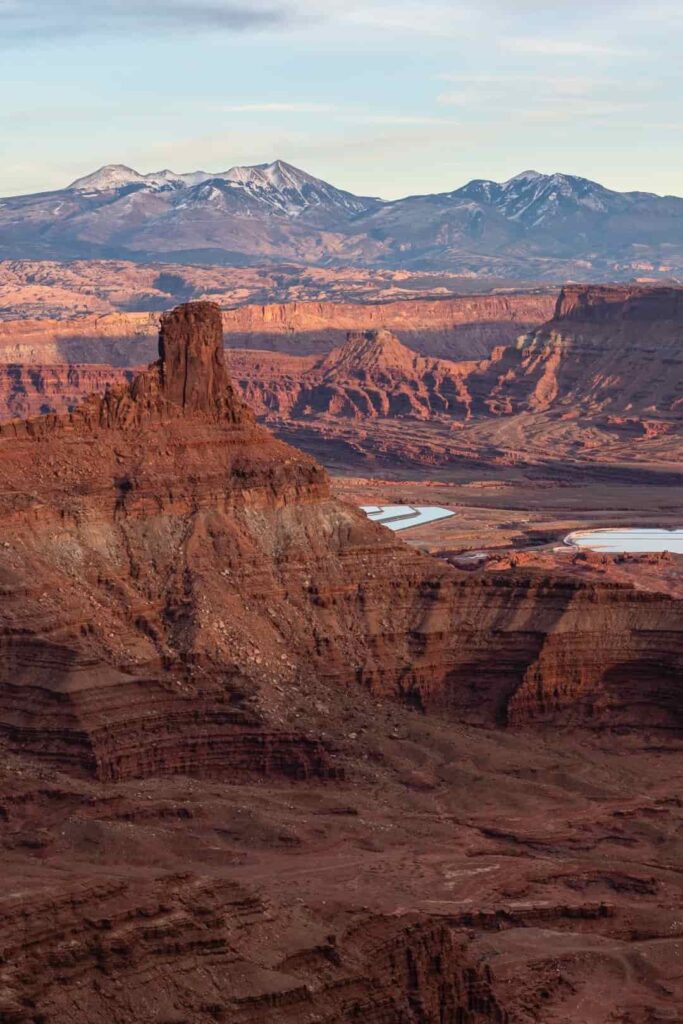
National Parks protect massive, world-class geological wonders. These places make your jaw drop. They redefine your understanding of scale and beauty. Half Dome. Old Faithful. Delicate Arch. These icons appear in magazines and movies for good reason.

State Parks protect regionally significant treasures. Beautiful forests, lovely lakes, fascinating historical sites. Places that matter deeply to local communities but might not make international postcards.

Neither is better. They’re just different scales of appreciation.

Sometimes you need your mind blown by monumental scenery. Sometimes you just want a pretty lake and some hiking trails without the pressure of ticking off bucket list items.

National Parks deliver the wow factor. State Parks deliver the comfortable beauty of home.

9. Cell Service and Connectivity: Unplugged vs. Partially Connected

Let’s be honest about connectivity. National Parks are often remote wilderness. Cell service is spotty at best, nonexistent at worst. You’ll drive hours without seeing a tower. This is either terrifying or liberating, depending on your personality.

State Parks, being closer to civilization, offer better odds of finding a bar or two. You might check email. You might scroll social media. You might stream a movie on your tablet before bed.

The nearby towns also provide backup. Forgotten something? Run to the store. Need ice? It’s fifteen minutes away. National Parks leave you truly isolated.

Some people need that digital detox. Others need the safety net of connectivity. Know yourself before you go.

10. Interpretive Programming: Learn Something New

National Parks excel at education. Ranger-led talks happen daily. Junior Ranger programs engage kids with activities and badges. Evening programs cover everything from geology to wildlife behavior. The quality is consistently excellent.

These programs aren’t afterthoughts. They’re central to the National Park mission. Education and interpretation matter deeply.

State Parks offer programming too, but it’s often smaller scale. Local historians might discuss regional events. Naturalists might lead bird walks. The focus tends toward local history and ecology rather than sweeping geological narratives.

For families with curious kids, National Parks provide unforgettable learning experiences. For casual visitors who just want to relax, State Parks keep things simple.

11. Availability of Showers: Cleanliness Considerations

Here’s a surprise for National Park first-timers: showers are surprisingly rare. Many campgrounds have none. Zero. Zilch. You get what you bring.

Some developed campgrounds offer coin-operated showers. Bring quarters. Bring patience. The facilities range from adequate to questionable.

State Parks typically feature modern bathhouses with hot showers. Real showers. Reliable showers. The kind where you don’t worry about running out of hot water mid-shampoo.

After a sweaty day of hiking, this matters tremendously. Clean campers are happy campers.

National Parks assume you’re tough enough to handle a little grime. State Parks assume you’d rather not smell like campfire and sweat for the entire drive home.

12. Firewood Regulations: Burn Responsibly

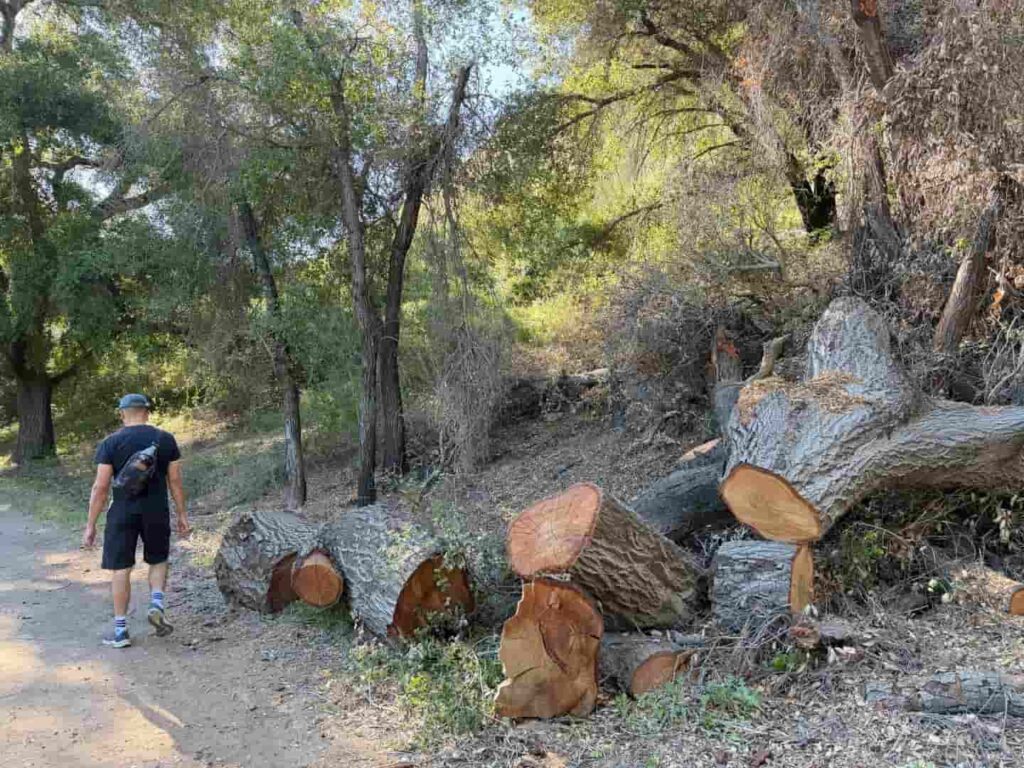
Firewood rules get complicated fast. State Parks enforce very strict “buy it where you burn it” regulations. These rules prevent invasive species from hitchhiking to new locations. Local firewood only. No exceptions.

National Parks follow broader federal guidelines. The rules exist but may be slightly more flexible depending on location.

The reasoning matters either way. Tree diseases spread through transported firewood. Emerald ash borers decimate forests. Your campfire could accidentally destroy entire ecosystems if you bring contaminated wood.

Always buy firewood locally. Always follow posted regulations. Both park systems take this seriously for excellent reasons.

Don’t be the person who ruins the forest for everyone else.

13. Activity Variety: Beyond Hiking and Camping

State Parks often feature man-made recreation that surprises visitors. Disc golf courses wind through the trees. Mountain bike trails challenge adrenaline seekers. Swimming pools offer relief on hot summer days. Horseback riding trails accommodate equestrian visitors.

These amenities rarely appear in National Parks. The focus stays on preserving natural landscapes, not building recreational infrastructure.

National Parks offer world-class hiking, backpacking, wildlife viewing, and photography. The activities align with the preservation mission. You experience nature on nature’s terms.

State Parks say, “Want to play frisbee? We have a course for that.” National Parks say, “Here’s a mountain. Go climb it.”

Both approaches have merit. Your preferred activities will guide your choice.

14. Size of Campsites: Spreading Out

National Park campsites often feel cozy. Small and tucked into the landscape. They fit tents and maybe a small camper. Privacy matters more than square footage.

This design philosophy minimizes environmental impact. Smaller sites mean less disturbed land. You sleep surrounded by nature, not concrete.

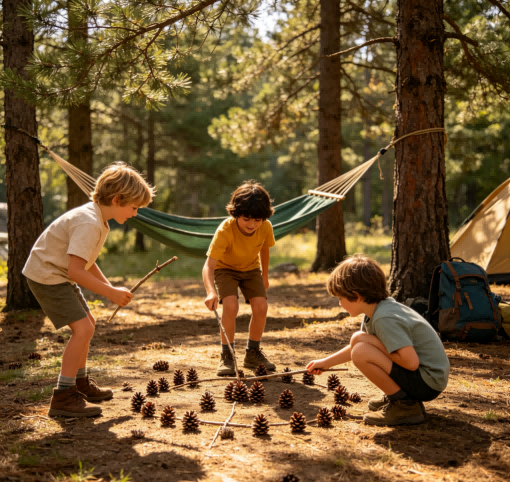
State Parks frequently offer larger sites. Spacious gravel pads accommodate families with multiple tents. Room for picnic tables, camp chairs, and games. Level ground that makes RV setup straightforward.

Big families appreciate the elbow room. Groups camping together need the space to spread out and socialize.

Consider your group size. Consider your need for personal space. The answer will guide your park selection.

15. Access to Alcohol: Cheers or No Cheers?

Surprise! Some State Parks are completely dry. Alcohol prohibited entirely. This catches many campers off guard. You arrive with your favorite beverage and discover it’s forbidden.

Always check the rules before packing the cooler. State regulations vary wildly. What’s fine in one park might earn you a ticket in another.

National Parks generally allow alcohol at your specific campsite. Public areas and trails remain off-limits, but your personal space is your own. Unless posted otherwise, enjoy responsibly.

The discrepancy stems from different governing philosophies. Some states prioritize family-friendly atmospheres. Federal lands take a more permissive approach.

Read the fine print. Your evening relaxation might depend on it.

16. Hunting and Fishing: Conservation in Action

State Parks often allow seasonal hunting. Designated areas, specific seasons, licensed hunters only. Fishing piers welcome anglers of all ages. These activities connect directly to state conservation funding.

National Parks focus heavily on preservation. Hunting is generally prohibited. Fishing may be allowed but follows strict catch-and-release guidelines. Wildlife exists for viewing, not harvesting.

This philosophical difference matters to outdoor enthusiasts. Hunters appreciate State Park access to public lands. Conservationists appreciate National Park protections.

Neither approach is wrong. They simply reflect different priorities in land management.

17. Road Accessibility: Getting There Is Half the Battle

National Park roads challenge drivers. Narrow, winding, carved into mountainsides. Switchbacks test your nerves. Steep grades challenge your vehicle. Large RVs struggle mightily.

The scenery rewards the effort, but the drive demands attention. White knuckles are common on first visits.

State Parks design roads with accessibility in mind. Wider lanes, gentler curves, easier navigation. Average drivers feel comfortable. Beginners manage without panic.

If you’re towing a large rig, State Parks offer peace of mind. If you’re adventurous and confident, National Parks provide spectacular approaches to spectacular destinations.

Know your driving limits. Know your vehicle’s capabilities. Choose accordingly.

18. Wildlife Encounters: Bear Boxes and Safety

National Parks require bear-proof food lockers at many campgrounds. Metal boxes at every site. Store everything scented inside. Coolers, toothpaste, even chapstick. Bears here are bold and food-conditioned.

These requirements aren’t suggestions. They’re essential safety measures. Ignoring them risks your safety and the bear’s life.

State Parks may have bears too, but the precautions vary. Some require lockers. Some suggest hanging food. Some assume bears aren’t an issue.

Always research wildlife risks before arrival. Always follow posted guidelines. Always respect the animals who called this place home first.

Better safe than sorry. Better cautious than attacked.

Conclusion

So where should you pitch your tent? The answer depends entirely on your camping style. National Parks provide that undeniable wow factor. The scenery stops you in your tracks. The experiences linger in memory forever. But they demand planning, patience, and a tolerance for crowds.

State Parks offer the comfort and convenience that frequent campers appreciate. Lower costs, easier bookings, better amenities, and genuine relaxation. They’re the reliable friends who always have your back.

The beautiful truth? You don’t have to choose permanently. Mix them up. Alternate between epic adventures and comfortable weekends. Appreciate each system for its unique strengths. Just keep camping. That’s really the whole point.

Leave a Comment

Your email address will not be published. Required fields are marked *

Scroll to Top