25 Survival Tips to Find Water in the Desert

Spread the love

I’d fancied myself a bit of an adventurer, you see. I had the boots, the hat, and a misguided confidence born from watching too many survival shows hosted by people who never seem to actually sweat.

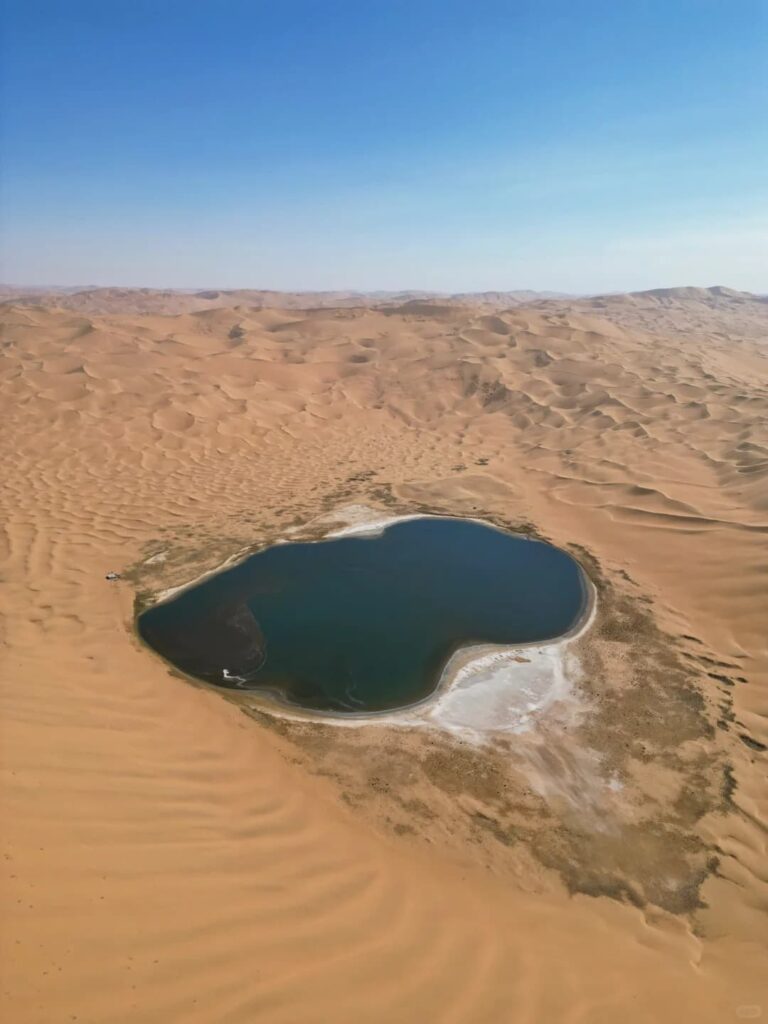
Reality, as it often does, hit me like a blast furnace.

I was unprepared, overconfident, and dangerously close to becoming a sun-bleached cautionary tale.

It was in that state of crispy enlightenment that I learned the true value of water in the desert.

Not as a refreshing beverage, but as the very essence of continued existence.

So, for the love of all that is hydrated, learn from my mistakes. I’ve distilled my near-dehydration delirium into 25 wilderness water survival tips for desert conditions. 

Table of Contents

1. Travel toward mountain bases

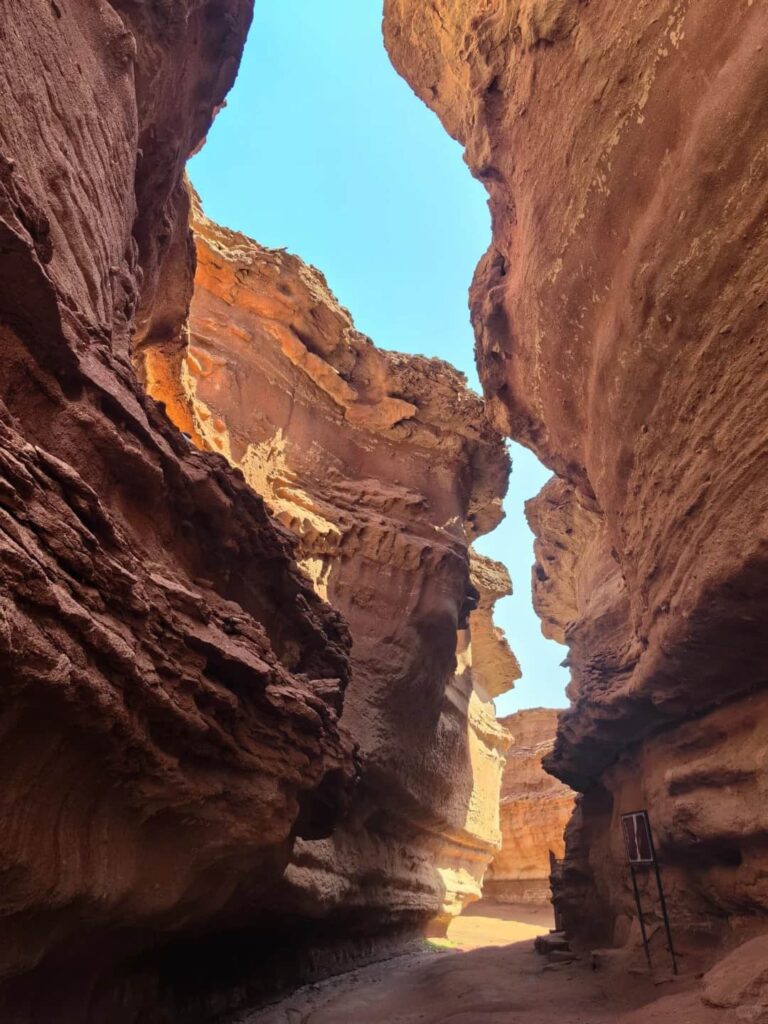
Mountains are the desert’s clumsy bartenders. When it does rain (a truly momentous occasion celebrated by every scorpion and tumbleweed), the water doesn’t soak gently into the ground.

It sheetwashes off the hard surfaces and rushes downward, throwing most of its liquid inventory at the feet of the mountains.

Canyons and gullies are nature’s gutters, and rock pockets are the glasses it sloppily fills. Head for the bartender. Just don’t expect a tip jar.

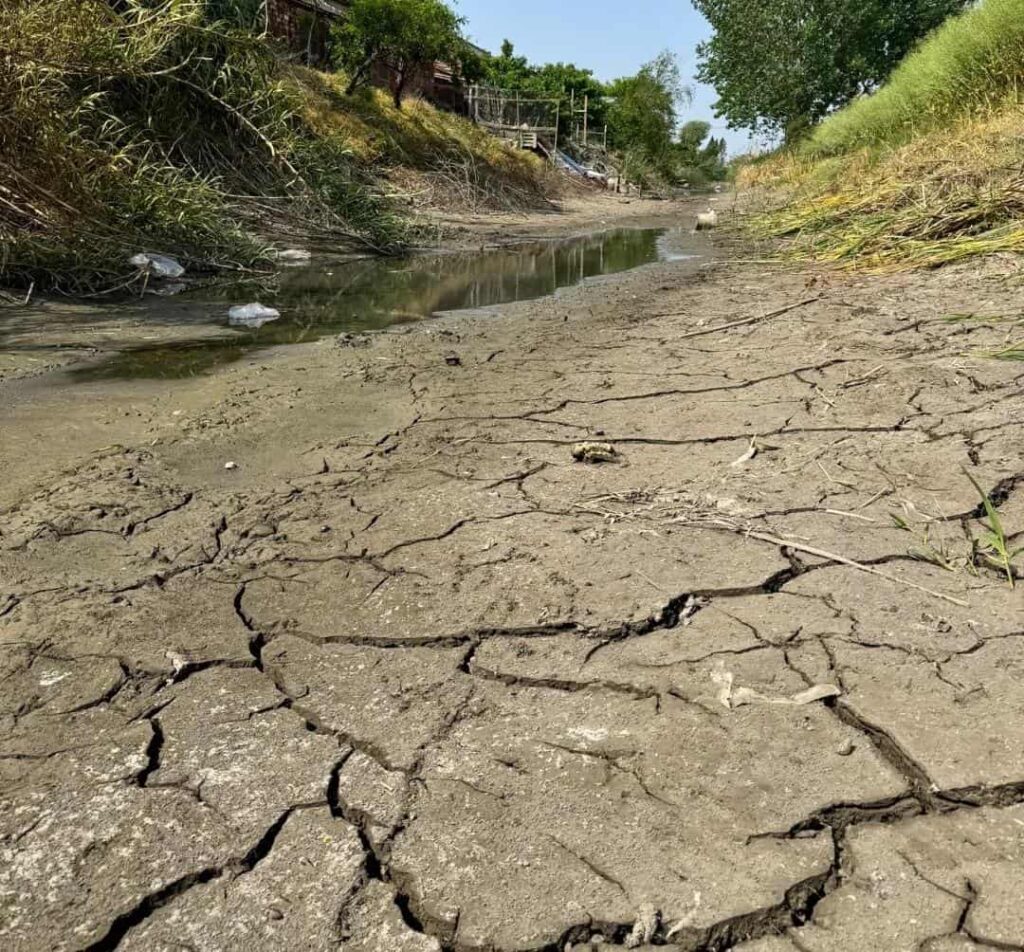
2. Follow dry riverbeds (arroyos)

A dry riverbed, or arroyo, looks like Mother Nature’s sad joke. But beneath that sun-baked, cracked surface, there’s often dampness hiding like a shy salamander.

The key is to dig on the outside bend of these ancient waterways. Water is lazy and takes the path of least resistance, even underground, so it tends to linger on the outside curves.

Dig a hole about a foot or two deep with your hands, a stick, or that overpriced multi-tool you finally have a legitimate reason to use.

Wait. You might just see a murky, glorious seep of water fill the bottom. It’s not Evian, but at this point, it might as well be.

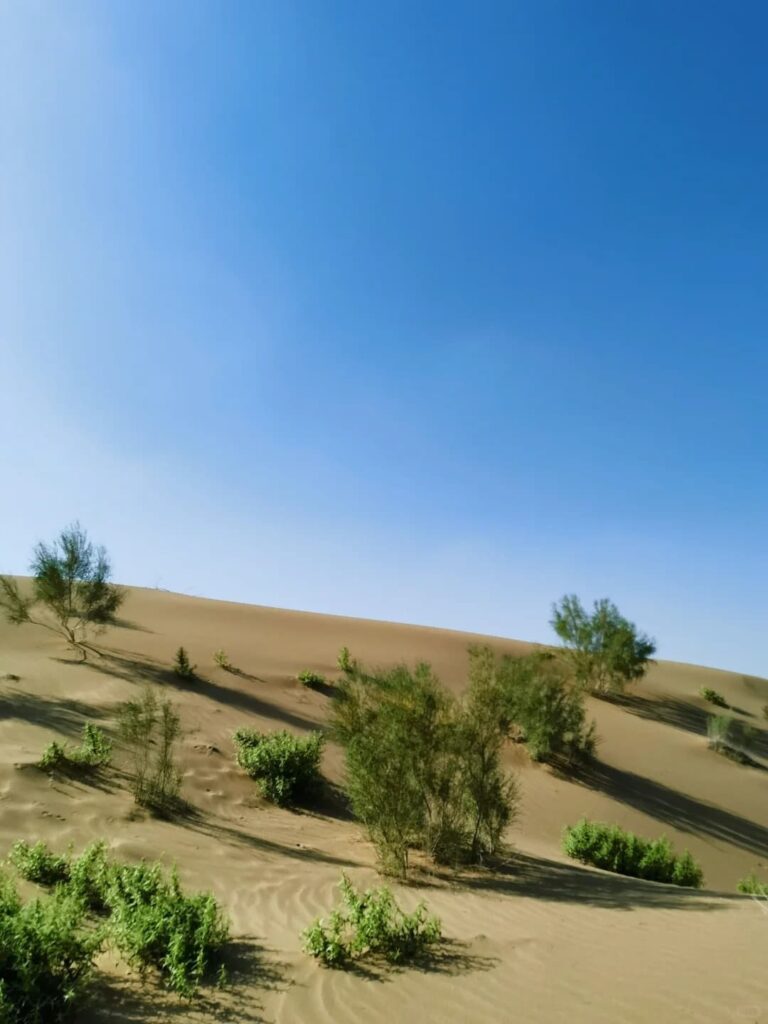
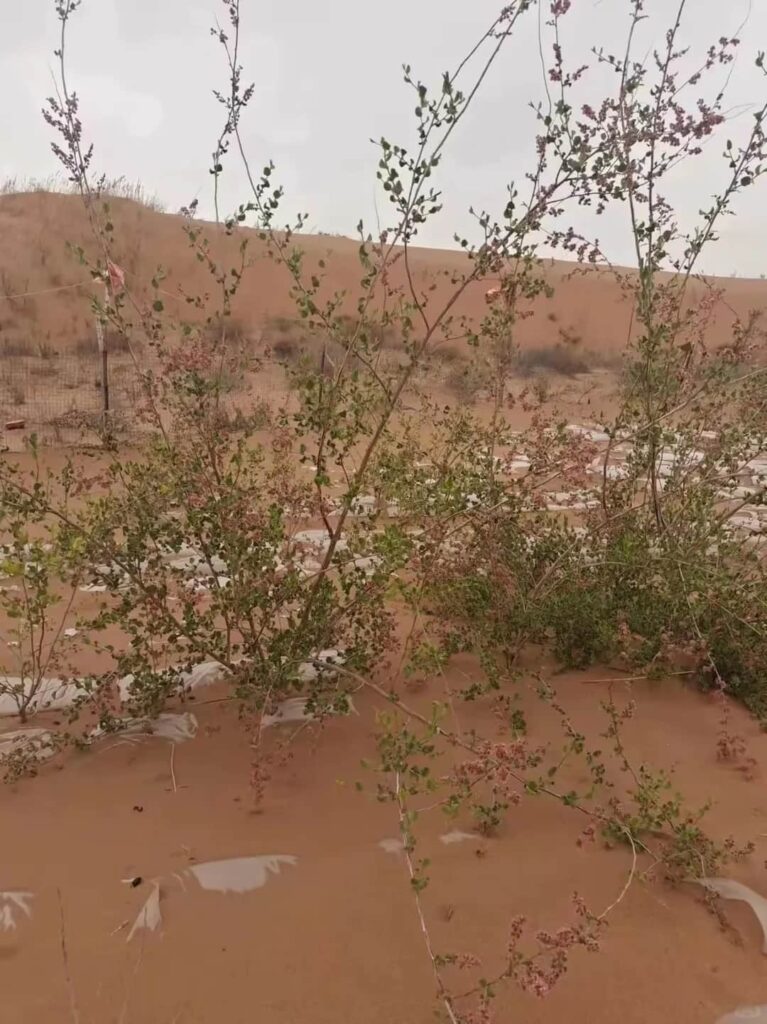
3. Look for green vegetation

In the desert, green isn’t just a color; it’s a flashing neon sign that screams “WATER HERE!” Plants like cottonwoods, willows, and palms are the divas of the plant world.

They have deep roots and refuse to live anywhere without a constant source of groundwater.

They’re high-maintenance, and in a survival situation, that’s exactly what you want.

If you see a cluster of these green queen bees, you can bet their roots are throwing a pool party downstairs.

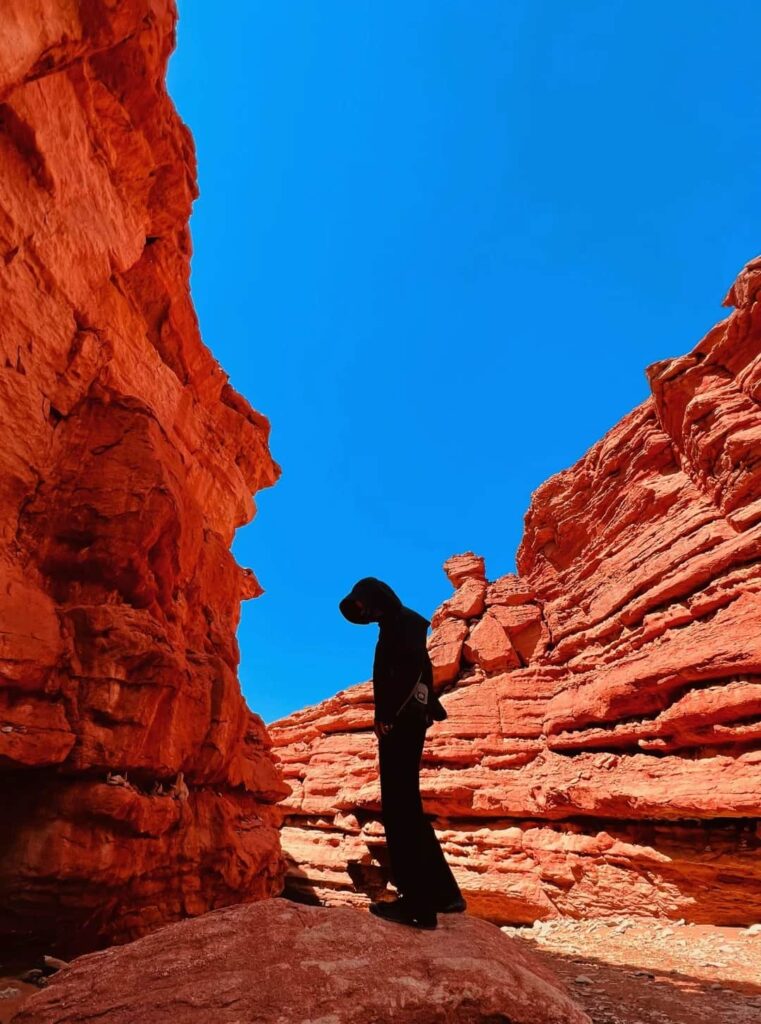
4. Search shaded rock overhangs

The sun is a greedy, water-snatching monster. Shade is its kryptonite. Rock overhangs, crevices, and north-facing cliffs are places the sun can’t reach as effectively.

These shady refuges trap moisture from the air and the rare rain, sometimes holding onto it for days in tiny, life-saving pools.

It’s like finding a forgotten glass of water in the back of nature’s cupboard. Check for puddles, damp sand, or even just a general feeling of coolness.

5. Look for animal tracks converging in the same direction

You are not the only one dreaming of a cool drink. Every rabbit, coyote, and roadrunner in the vicinity knows where the water is.

They are the locals, and you are the lost tourist. Look for game trails—paths where animal tracks all seem to be heading in one general direction.

They don’t commute to an office; they commute to the water cooler. Follow the furry commuters.

Just try not to look too desperate when you arrive; it’s bad form.

6. Check canyon walls for seeps

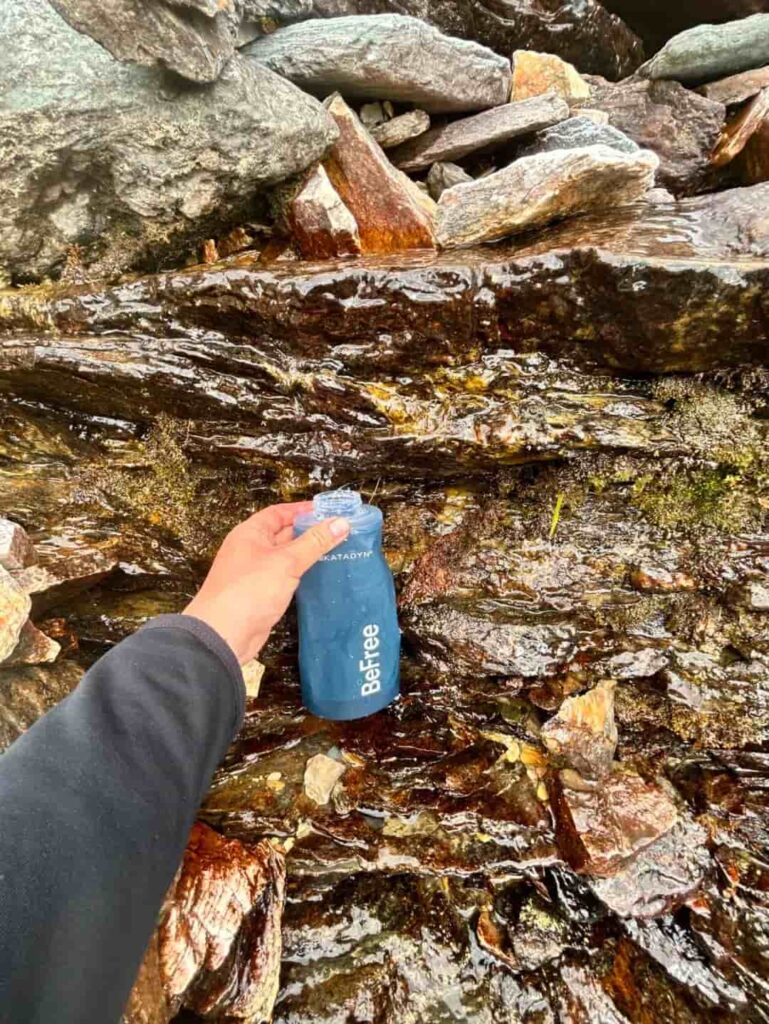
Sometimes, water doesn’t pool; it weeps. Canyon walls, especially those made of porous or layered rock, can have tiny, slow seeps where groundwater makes its way to the surface.

Look for dark, damp streaks on the rock face, patches of bright green moss (a true miracle in the desert), or even just a feeling of humidity in a small crack.

Lick the rock if you must, but maybe just press a cloth against it first. We have standards. Sort of.

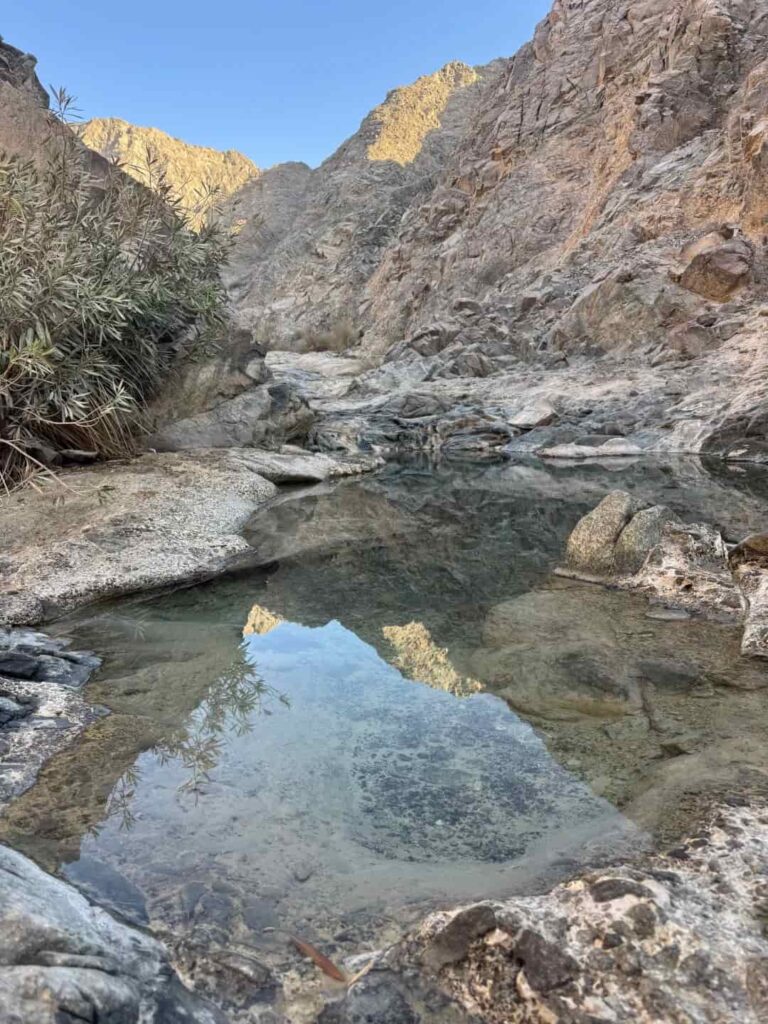
7. Collect water from natural basins formed in rock

The desert landscape is pockmarked with natural bowls, depressions, and holes in the rock. These are nature’s rain gauges.

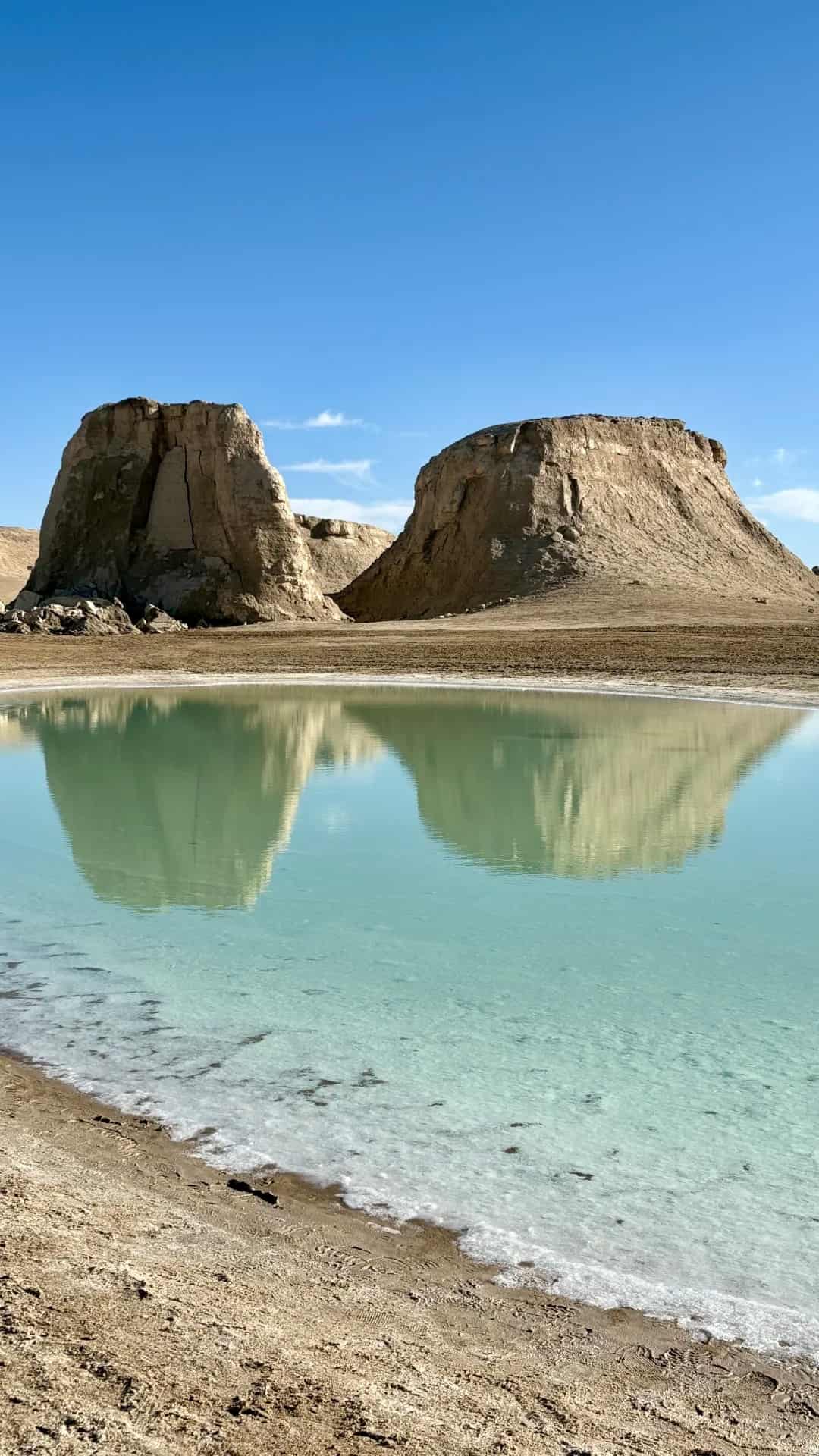
After a rainstorm, these basins can hold water for a surprisingly long time. It might be warm, it might have a few mosquito larvae doing the backstroke, but it’s water.

Scoop it out and get ready to purify it. Which, we’ll get to, is non-negotiable.

8. Follow insects

Bees need water for their hive. Flies… well, flies like moisture of all kinds. And ants, while they can travel far, often have a water source relatively nearby.

A steady line of ants marching up a rock face might be leading to a tiny crevice holding a thimbleful of water.

A swarm of bees in the morning might be headed to their favorite drinking spot. These little guys are your tiny, six-legged scouts. Pay attention to them. But maybe don’t get too close to the bees.

A swollen face is not the look we’re going for.

9. Use tarps, ponchos, or plastic bags to catch condensation in early morning.

The desert air, for all its daytime dryness, often holds a surprising amount of moisture that condenses when temperatures plummet at night.

If you have a tarp, a poncho, or even a large plastic bag, you can harvest this. Spread it out overnight in a dip or a hole.

In the early morning, before the sun hits it, you might find a lovely layer of condensation. You can carefully pour this into a container or, in a true pinch, lick it off.

I’m not judging. I’ve licked a tarp. We’ve all been there.

10. Tie bags around leafy branches to collect transpiration water

This one feels like magic. Plants are constantly “sweating” water vapor through their leaves in a process called transpiration.

You can steal this sweat, and it’s not even weird. Find a healthy, sun-loving, non-poisonous bush or tree with plenty of leaves.

Tie a clear plastic bag securely around a leafy branch. Over the course of a day, the sun will heat the branch, the plant will transpire, and the water vapor will condense on the inside of the bag and drip down to the lowest point.

It’s a slow-drip coffee maker, but for life itself. Just make sure the bag is sealed and the branch is in the sun.

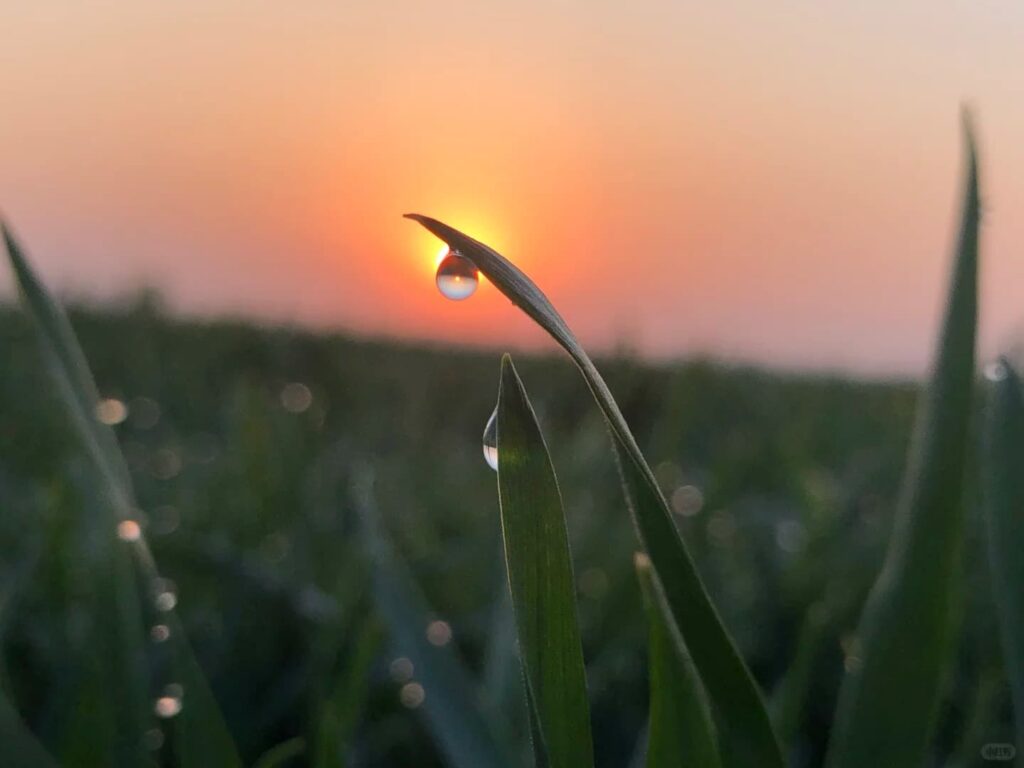
11. Collect dew before sunrise using cloth or socks to wipe vegetation and wring it out.

This is a classic for a reason. In the precious, cool hours just before dawn, dew can form on vegetation, especially on large, broad leaves or grass.

Take a clean cloth, a shirt, or even (the survival classic) your socks, and wipe down as much vegetation as you can.

You’ll be amazed at how much water you can soak up. Then, simply wring the cloth out into a container.

It’s a tedious, time-consuming process, but when your tongue feels like sandpaper, it’s the most rewarding chore you’ll ever do.

12. Dig at the base of cliffs where shade prevents complete evaporation.

Remember how shade is the sun’s kryptonite? The base of a cliff, especially on the north side, is often the last place to dry out after a rain.

The ground here might stay damp long after the rest of the desert has returned to dust.

Dig a seep hole here, just like in the dry riverbed, and give it some time.

You’re basically creating your own personal, miniature well in the shadiest real estate in the desert.

13. Use solar stills only as backup

Ah, the solar still. It looks so cool in diagrams. You dig a hole, put a container in the middle, cover it with plastic, and wait for the sun to evaporate ground water, which then condenses on the plastic and drips into your cup.

In practice, it’s a lesson in patience and disappointment. A well-made solar still might produce just a few ounces of water over a day.

It’s a fantastic supplemental source and a great way to purify questionable water you add to it, but don’t bet your life on it being your primary source.

Relying solely on a solar still is like trying to fill a swimming pool with an eyedropper.

14. Always filter or boil desert water

That beautiful, clear-looking puddle in a rock hollow? Yeah, that’s the local bird and rodent bathroom.

Every creature for miles knows about that water source, and they are not hygienic. Giardia and other bacteria are not a myth; they are a guarantee.

The resulting gastrointestinal distress will dehydrate you faster than you can say “I regret everything.” Always. Filter. Or. Boil.

A portable filter is a godsend. If you don’t have one, boiling it for at least one minute (or three at higher altitudes) is your non-negotiable golden rule.

15. Let sediment settle from muddy pools before boiling or treating.

You’ve found water! Hooray! It looks like a cup of liquid dirt. Boo. Don’t just boil it straight away.

Let it sit in a container for a while. The heavier sediment will settle to the bottom, allowing you to carefully pour or scoop the clearer water from the top.

This not only makes it more palatable but also prevents you from gunking up your filter or boiling a mouthful of grit.

16. Avoid water with algae or oily surfaces

Stagnant, warm water is the perfect breeding ground for blue-green algae (cyanobacteria), which can produce potent toxins.

If the water has a greenish, soupy look, a mat of algae on top, or an oily, iridescent sheen, steer clear. No amount of boiling will remove these toxins.

Your kidneys will thank you for walking away.

17. Do not drink directly from cactus

Hollywood lied to you. I’m sorry. The classic scene of a cowboy lopping off the top of a barrel cactus and drinking the “cool, clear water” inside is a fast track to the emergency room.

The fluid inside most cacti is not water; it’s a noxious sap full of alkaloids and acids that your stomach will violently reject.

Vomiting and diarrhea in a survival situation is a death sentence. It accelerates dehydration catastrophically.

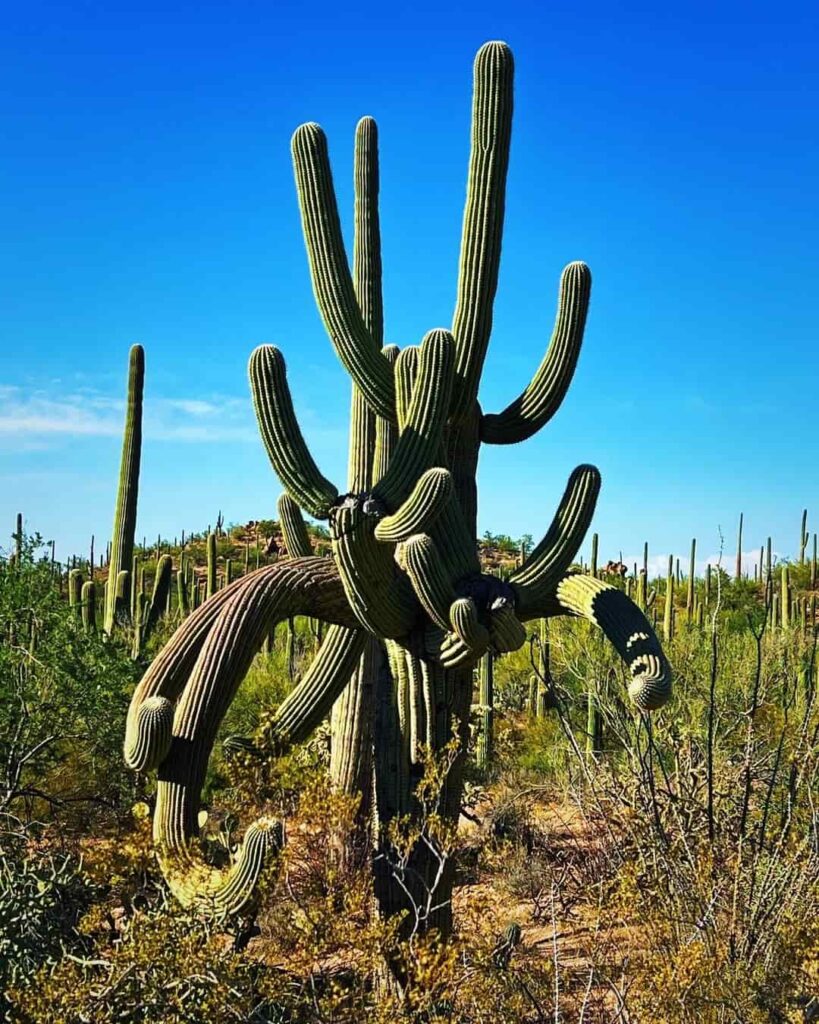
Just don’t do it. There are a few exceptions, like the Fishhook Barrel Cactus, but the process of extracting and preparing the pulp is complicated and yields very little.

It’s a last-resort, Hail-Mary move, not a reliable source.

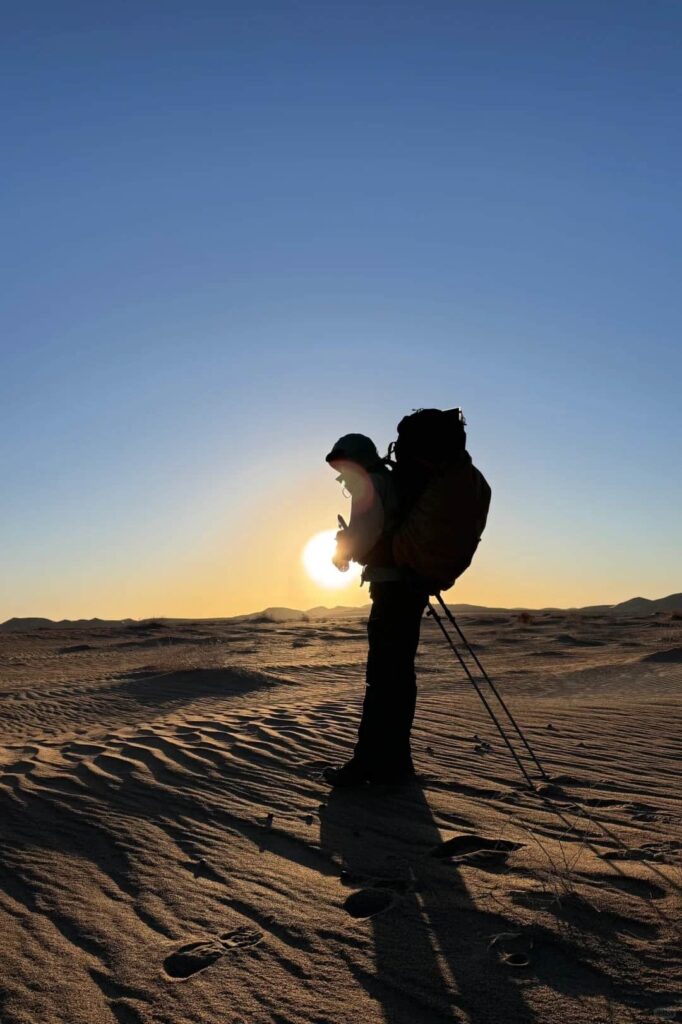
18. Move only at dawn, dusk, or night to reduce sweat loss.

The sun is your enemy. It’s a giant, thermonuclear dehydration machine. Do not travel under its direct command.

Become a creature of the twilight. Plan your movement for the cool, dark hours.

Your sweat glands will throw you a thank-you party.

19. Rest in shade during the hottest hours (10 a.m.–4 p.m.).

From 10 a.m. to 4 p.m., your only job is to not move. Find or make shade. Sit. Sleep. Meditate. Plan your next move.

Complain about the heat. Do anything that doesn’t involve physical exertion.

This is mandatory siesta time, enforced by the threat of becoming jerky.

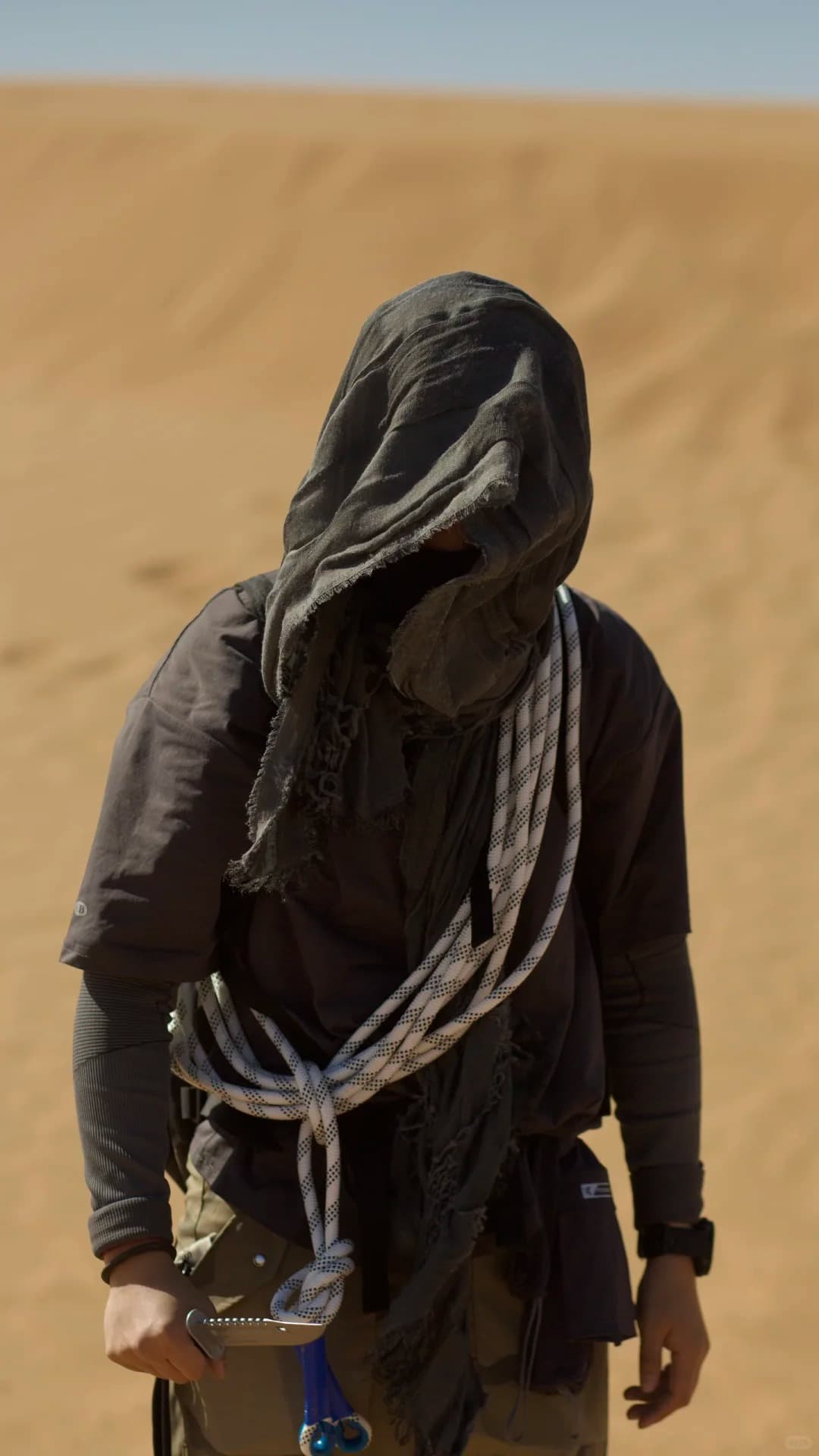
20. Cover your skin with loose, light fabric to slow evaporation and sun damage.

It seems counterintuitive to put on more clothes, but it’s vital. Loose, light-colored, long-sleeved shirts and pants protect your skin from the sun and, crucially, trap a layer of humid air next to your skin.

This slows the rate of evaporative cooling, which means you sweat less and your sweat works more efficiently.

It also prevents sunburn, which impairs your skin’s ability to thermoregulate and is just generally miserable.

21. Do not ration water too much

This is a critical one. If you have water, drink it. Severe dehydration leads to confusion, weakness, and poor decision-making, which will kill you faster than running out of water a few hours later.

Drink to satisfy your thirst. Your body is a better guide than your panicky brain. Staying hydrated keeps you sharp, and a sharp mind is your best survival tool.

22. Avoid eating unless you have water

Your body needs water to process food, especially protein. If you are low on water, eating will actually pull water from your system into your digestive tract, accelerating dehydration.

If water is scarce, food can wait. Your body has plenty of fat reserves to burn for a while.

A rumbling stomach is preferable to a cramping, dehydrated one.

23. Breathe through your nose and minimize talking to reduce moisture loss.

Every time you exhale through your mouth, you’re losing precious water vapor. It adds up. Breathing through your nose is more efficient and conserves moisture.

And as for talking? Save it. This is not the time for dramatic monologues or lengthy discussions about the meaning of life.

Communicate efficiently. Conserve the spit in your mouth. It’s the only moisture you have direct control over.

24. Store water in multiple containers

Don’t put all your eggs—or in this case, all your life-sustaining molecules—in one basket. If you’re lucky enough to have multiple bottles or containers, spread your water out.

If one gets punctured, knocked over, or revealed to have a crack you didn’t notice, you haven’t lost everything.

It’s the survival equivalent of diversifying your portfolio.

25. Use layers or cloth around bottles to keep them insulated from sun exposure.

A water bottle left in the direct sun can get hot enough to make the water inside taste like warm plastic, which is disgusting.

More importantly, heat can accelerate any chemical leaching (if you’re using disposable plastic bottles) and just feels psychologically worse.

Wrap your bottles in a spare shirt, a sock, or place them in your pack away from direct sun.

Cooler water is also absorbed by your body more efficiently.

Final Thoughts

My journey into the land of cracked earth and desperate thirst taught me more than just survival skills. It taught me humility.

The desert doesn’t care about your plans, your fitness tracker, or your Instagram followers.

It is an ancient, brutal, and beautiful place that operates on its own unforgiving terms.

These 25 tips aren’t just a list; they are a philosophy. A philosophy of observation, patience, and respect.

It’s about learning to read the subtle signs, to work with the environment, not against it, and to understand that your most valuable resource isn’t the water in your bottle, but the calm, collected intelligence in your head.

Leave a Comment

Your email address will not be published. Required fields are marked *

Scroll to Top