Look, I consider myself a semi-professional packer.
I can Tetris a trunk with the best of them, creating a precarious Jenga tower of coolers, sleeping bags, and dry sacks that somehow survives a six-hour drive down a dirt road.
But over years of road trips and spontaneous nights under the stars, I’ve learned that the real MVPs aren’t always the fancy, Instagram-worthy gear.
No, the true heroes are the humble, often-overlooked items that live permanently in the dusty, dark recesses of my car.
They’re the silent guardians, the watchful protectors, the… okay, I’ll stop.
But seriously, these aren’t your standard “don’t forget a tent!” items. These are the practical, slightly boring, but utterly indispensable things that have saved my bacon, my sanity, and at least one very sad-looking stranger in a parking lot.
Consider this your guide to being smugly prepared. Let’s dive in.
Table of Contents
Item #1: Jumper Cables (The Optimist’s Accessory)
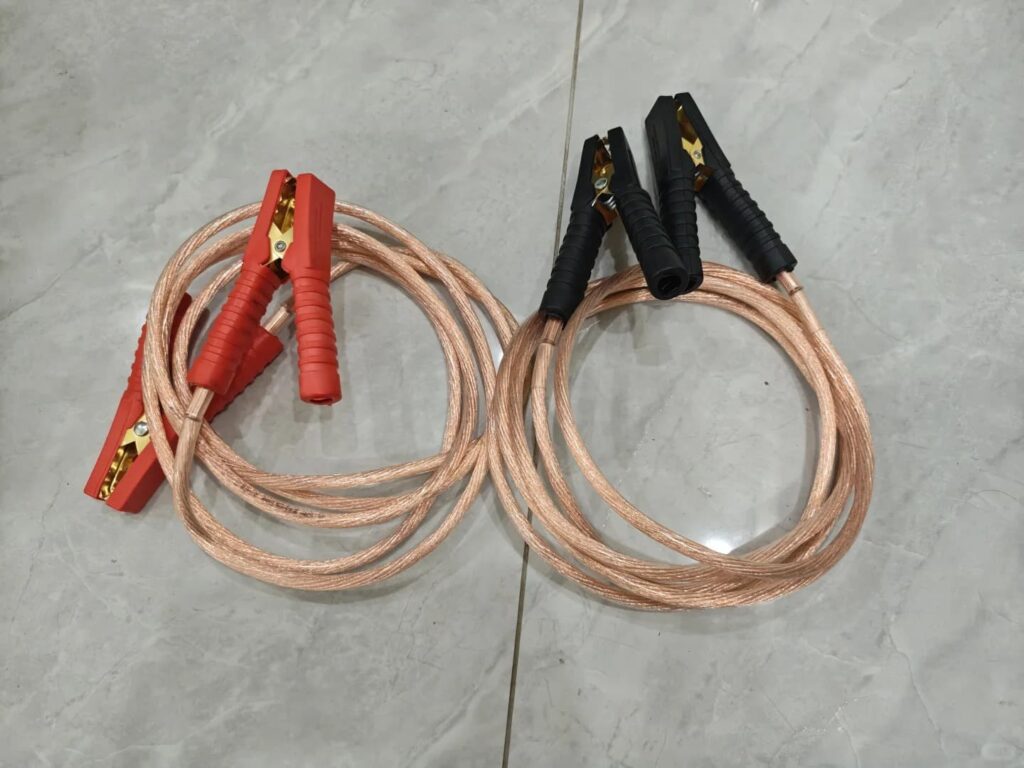
I currently own the most beautiful set of jumper cables you’ve ever seen.
Their insulation is a pristine, unblemished black. The clamps are shiny and fierce, like the claws of a mechanical eagle. They have never been used.
My previous set, however, was a tragic relic. They lived in the trunk of my first car for a decade, slowly oxidizing into a single, sad, rusty sculpture.
By the time I needed them, they were about as useful as a pair of wet noodles.
I’d learned to drive with the old adage, “Always have jumper cables,” and I’d obeyed.
I just forgot the second part: “…and make sure they aren’t a fossilized relic from the Mesozoic Era.”
The irony is, I have never once had to jump my own car. But I have lost count of the number of people I’ve encountered in parking lots, campgrounds, and trailheads doing the universal “dead battery dance” – a frantic mix of head-scratching, phone-checking, and staring hopelessly under the hood.
The number of folks who don’t have cables is astonishing. Being the person who can saunter over and say, “Need a jump?” is a power trip akin to being a superhero.
You’re not just offering cables; you’re offering a get-out-of-jail-free card.
The Practical Part (So You Don't Blow Yourself Up):
These things take up less space than a shoe. Just toss them in the back.
But for the love of all that is holy, know how to use them. It’s not just red-to-red, black-to-black.
You need a good ground. Doing it wrong can turn your car’s computer into a very expensive paperweight.
My pro-tip? Write the steps on a small notecard and tape it to the cables themselves.
Red donor to red dead. Black donor to bare metal on dead car’s engine block.
Start donor car. Wait. Start dead car. Do a little victory dance.
Being prepared isn’t just about getting yourself out of a sticky situation; it’s about being the unexpected hero in someone else’s very bad day.
Item #2: The Extra Blanket (A Hug From Your Car)
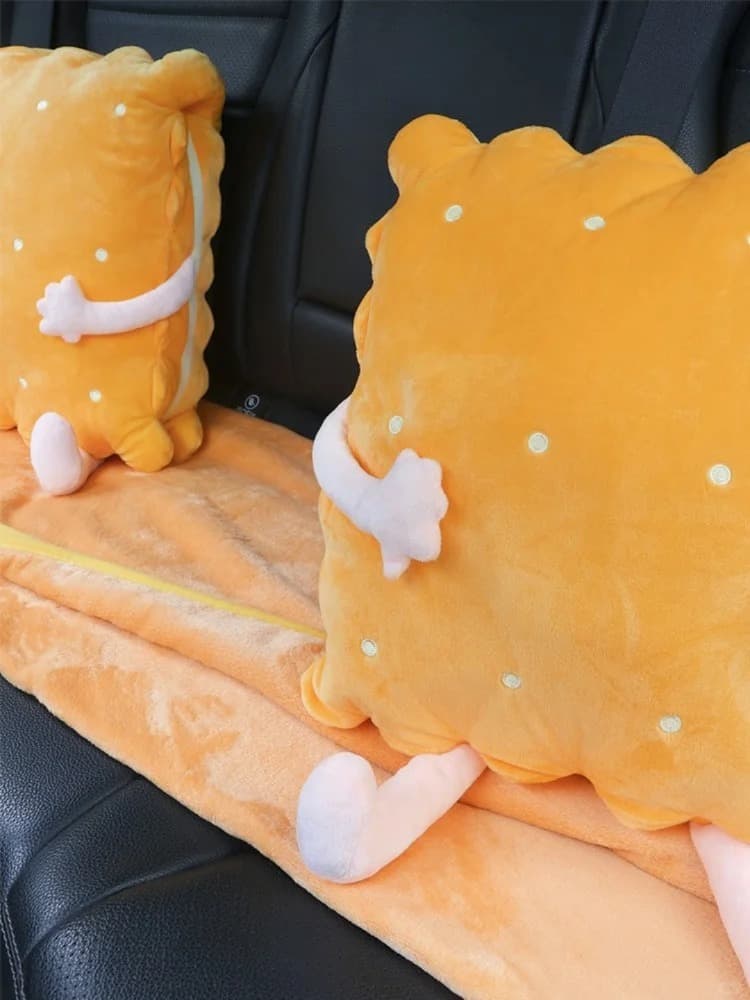
If jumper cables are for optimism, the extra blanket is for pure, unadulterated comfort.
I’m not talking about some flimsy, decorative throw. I’m talking about a thick, substantial blanket.
My personal champion is a large, slightly scratchy, indestructible wool blanket that permanently resides in my passenger footwell.
It smells faintly of campfire and dog, which I choose to believe is the scent of adventure.
My strong recommendation is to go for wool or a good synthetic fleece over a down blanket.
Why? Because down, when wet, might as well be a damp paper towel.
It loses all its insulating power. Wool, on the other hand, will keep you warm even if it’s soaking wet. It’s the stubborn, survivalist grandpa of fabrics.
The Many Lives of The Car Blanket:
The Unplanned Motel: Your car breaks down, a snowstorm hits, or you just can’t keep your eyes open for another mile. That blanket is the difference between a shivering, miserable night and a tolerable, even cozy, emergency sleepover in your vehicle.
The “I Underestimated Autumn” Savior: You bought a 40-degree sleeping bag because the forecast was sunny. The forecast lied. It’s now 25 degrees and your teeth are chattering Morse code for “I am an idiot.” Deploy the car blanket over your sleeping bag. Instant upgrade.
The Picnic Rug, The Dog Bed, The Cape: Its uses are limitless. It’s a picnic rug when you find that perfect vista. It’s a comfy bed for your muddy dog. On a particularly windy day at the beach, I have absolutely worn it as a dramatic, full-length cape. No regrets.
Item #3: The Humble Tarp (The 8x10 Sheet of Possibility)
Right now, in my trunk, is a classic blue, 8×10 foot tarp. It is not clean. It is slightly damp and has a fine layer of sand stuck to it from its last deployment.
It cost me about twelve dollars, and it might be the most versatile piece of gear I own.
A tarp is the Swiss Army knife of the car camper’s world. While backpackers fret over grams and spend a fortune on ultralight groundsheets, we car campers can revel in the glorious, heavy-duty, cheap-as-chips bulk of a standard hardware store tarp.
Why This Thing is a Game-Changer:
Instant Shade: Stranded with a broken car on a blistering hot day? String the tarp between two open doors or a couple of trees. Congratulations, you now have a patio. It’s also perfect for creating shade over a picnic table at a shadeless campground.
The Ultimate Tent Footprint: Why pay $40 for a “specialized” tent footprint when a $12 tarp does the exact same job? Placing it under your tent protects the tent floor from abrasion, moisture, and rogue pointy things. Just make sure it doesn’t stick out from under the tent, or it’ll channel rainwater right under you.
The Gear Organization Station: Before a big backpacking trip, or even just when repacking the car, I lay the tarp on the ground. It becomes a clean, defined area for all my gear. No more losing small items in the grass or dirt. When it’s time to pack up, you can funnel everything back into your pack or the car with ease.
Item #4: The "Floating" Tool Kit (For When Things Get Janky)
Somewhere in the deep, dark abyss of my car, behind the spare tire and a case of water, there is a tool kit. It’s not a fancy, pre-packaged one.
It’s a weathered canvas bag containing a hammer, a wrench, a couple of screwdrivers, and a pair of pliers.
This collection of blunt instruments has been “floating around” in every car I’ve owned for 15 years.
You are not, I repeat, not, going to rebuild an engine with this kit. But you are going to be able to handle about 80% of the janky, weird little problems that pop up on the road and at the campsite.
A Sampler of Its Glorious Utility:
Car Stuff: Tightening a loose battery terminal, banging a stubborn lug nut loose, or performing percussive maintenance on a stuck seat adjuster.
Camp Stuff: Beating in tent stakes that hit a root (we’ve all been there), fixing a wobbly camp table, adjusting the jet on a stove, or prying the lid off a can of paint that was definitely not paint.
It’s a sensible precaution. It’s the feeling of looking at a broken thing and being able to say, “I can probably whack that back into working order,” instead of just sighing in defeat.
Item #5: The Indestructible Flashlight (Because Headlamps Betray You)
I love my headlamp. It’s hands-free, it’s bright, it’s modern. It is also a fickle traitor. I have had headlamps die at the most inopportune moments—midnight bathroom runs, setting up camp in the dark, trying to read a map with failing batteries.
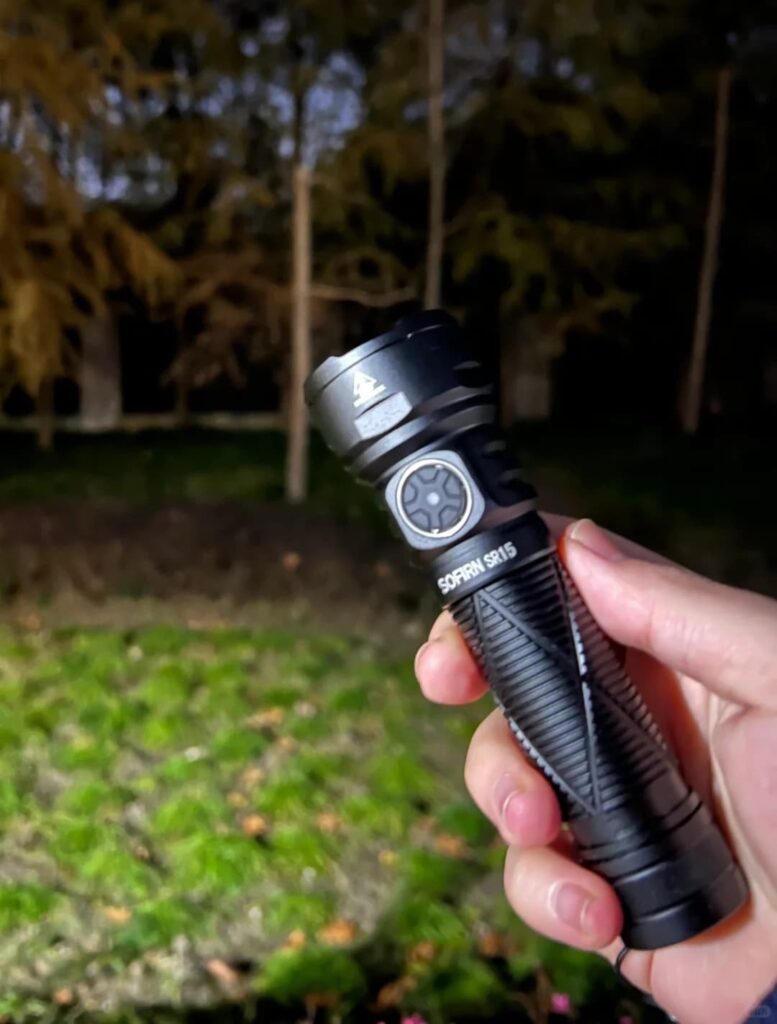
That’s why, nestled in my glove compartment, is a heavy-duty, metal-bodied flashlight. It feels like you could bludgeon a zombie with it and it would still cast a perfect beam.
This isn’t for everyday use; this is your backup. This is your “oh-crap,-everything-else-has-failed” light source.
Keep it in your glove compartment, not buried in your trunk. If you need light in an emergency, the last thing you want to do is fumble around in the dark trunk trying to find your… well, your light.
It’s reliable, it’s simple, and it doesn’t care if it’s raining. It is the Chuck Norris of lighting.
Item #6: The "Serious" Med Kit (Beyond Band-Aids and Aspirin)
We’ve all seen the sad little first aid kits at the gas station checkout. They contain two band-aids, a single-use packet of aspirin, and a lot of hope.
My car med kit is not that. It is a large, robust, and frankly, a little intimidating, tackle box filled with the supplies to handle more than a paper cut.
It has shears, rolls of gauze, triangular bandages, antiseptic wipes, medical tape, tweezers (for both splinters and ticks), and a variety of medications.
The goal is to be able to stabilize a more serious injury when you’re an hour or more from the nearest cell service or paved road.
The Boring (But Critical) Maintenance:
A med kit is useless if its contents are expired or depleted. Once a year, I sit down and do an inventory.
I check the expiration dates on the aspirin, ibuprofen, and most importantly, the Benadryl (allergic reactions are no joke in the backcountry).
I restock anything I’ve used and make sure the supplies are still in good condition.
This preparedness stems from taking a Wilderness First Responder course years ago. It opened my eyes to the types of scenarios that can happen when you’re far from help.
Having a well-stocked kit and the knowledge (or at least the instructions) to use it isn’t about being paranoid.
It’s about transforming a potential crisis into a manageable situation. It’s the ultimate peace of mind, allowing you to relax and enjoy the remote places you worked so hard to get to.
Closing Up the Trunk
They aren’t sexy, but they are profoundly practical.
Having them isn’t the whole battle, though. It’s about knowing how to use them.
Take five minutes to learn how to jump a car. Practice setting up that tarp in your backyard. Glance through a first aid manual.
This stuff turns gear from just “stuff” into genuine preparedness.
Now, I want to hear from you! What’s the one non-traditional item that always lives in your car and has saved you on a trip?
Let me know in the comments below—my inner gear nerd is always looking for new ideas to cram into the abyss of my trunk.