When you’re stranded in the wild, relying on what you’ve seen in movies and read in survival books.
You might think you have everything figured out, but here comes a twist: some of these survival tips are not just bad—they could actually get you killed.
So, what are those so-called “gems” of wisdom that you should avoid at all costs?
From the absurdity of drinking your own urine to the infamous “wrong kind of shelter,” we’ll dive into the most dangerous survival fails people still believe.
You’ll laugh, you’ll cringe, and by the end of this article, you’ll be much better prepared for any outdoor escapade.
Table of Contents
Rubbing Snow On Frostbite
First up is the classic idea that rubbing snow on frostbite is a genius move. Spoiler: it’s not. Snow feels nice and cold, but it really just makes things worse.
You think you’re helping? Nope. Your frozen skin needs warmth, not a frosty massage.
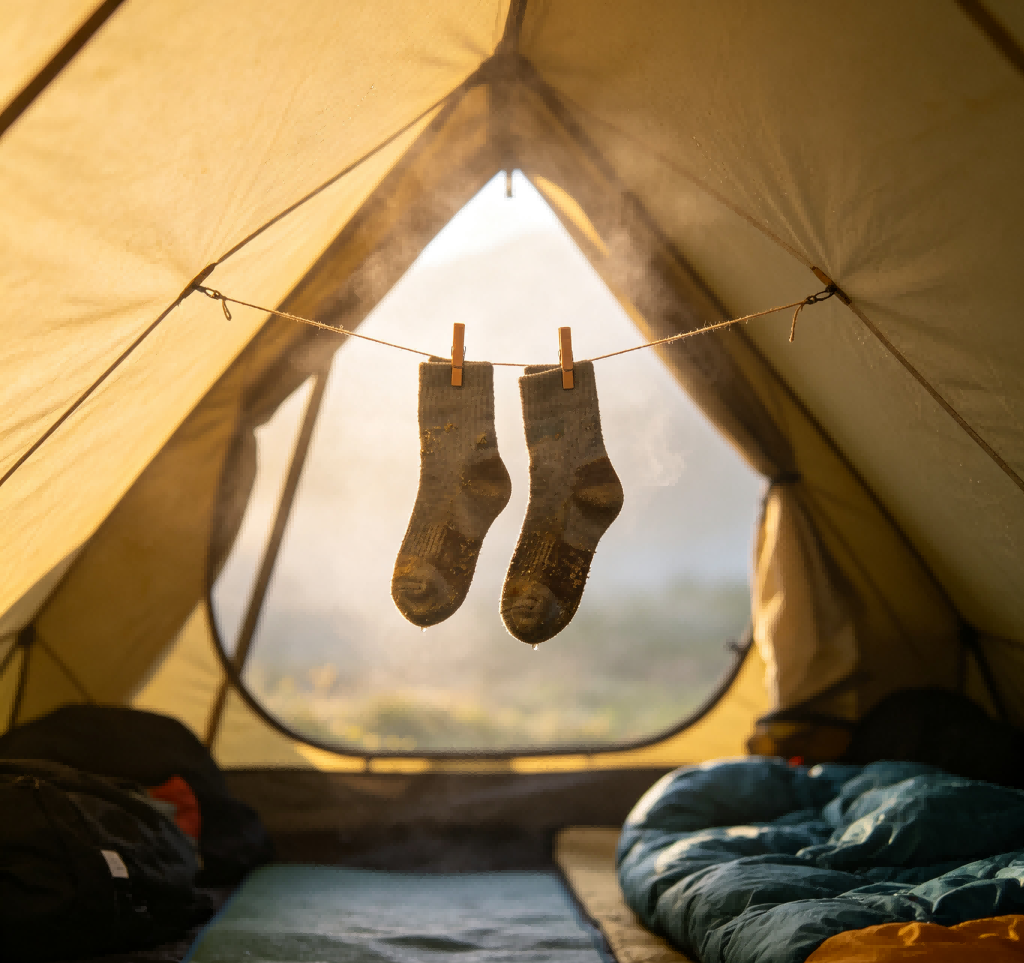
Rubbing snow can actually push frostbite deeper into your skin. Instead, layer those frozen fingers and toes with something warm and cozy, like wool socks or even your buddy’s unused hand warmers.
Trust me, your skin will thank you.
If Birds Can Eat The Berries, So Can You
Next on the lineup is the slightly bizarre belief that if birds munch on berries, you can too.
Here’s a little reality check: birds have a whole different set of guts.
Take baneberries, for instance. Birds love them, but for you, eating just five to six can be a ticket to the afterlife.
You’re not a bird, and you’re certainly not equipped to process their super snacks.
Always double-check what’s safe for human consumption, because those seemingly innocent berries can quickly turn deadly.
Moss Only Grows on the North Side Of Trees
Ah, the idea that moss only grows on the north side of trees—like a built-in GPS in nature. Cute theory, but not accurate.
Moss grows where it wants: wet, shady spots. This means you could end up walking in circles if you rely on this “guidance.”
If you find yourself following a mossy tree around the woods, you might need to recalibrate that survivalist navigation skill.
Best stick to more reliable landmarks, like the sun, rocks, or your friend’s instinct to blame the weather.
Drinking Urine To Stay Hydrated
Let’s tackle the thought of drinking urine to rehydrate. Typically, this tip surfaces during hot weather or in dire straits.
But hold on to your survival gear for a second—urine isn’t just plain water. It’s packed with salts and other goodies that can actually dehydrate you.
You thought you were quenching your thirst? Surprise! You’re signing yourself up for a faster trip to dehydration city.
Find clean water whenever possible, or let’s be real, just have a snack. Anything’s better than sipping on your own pee.
Bow Drill Strings – What Works And What Doesn’t
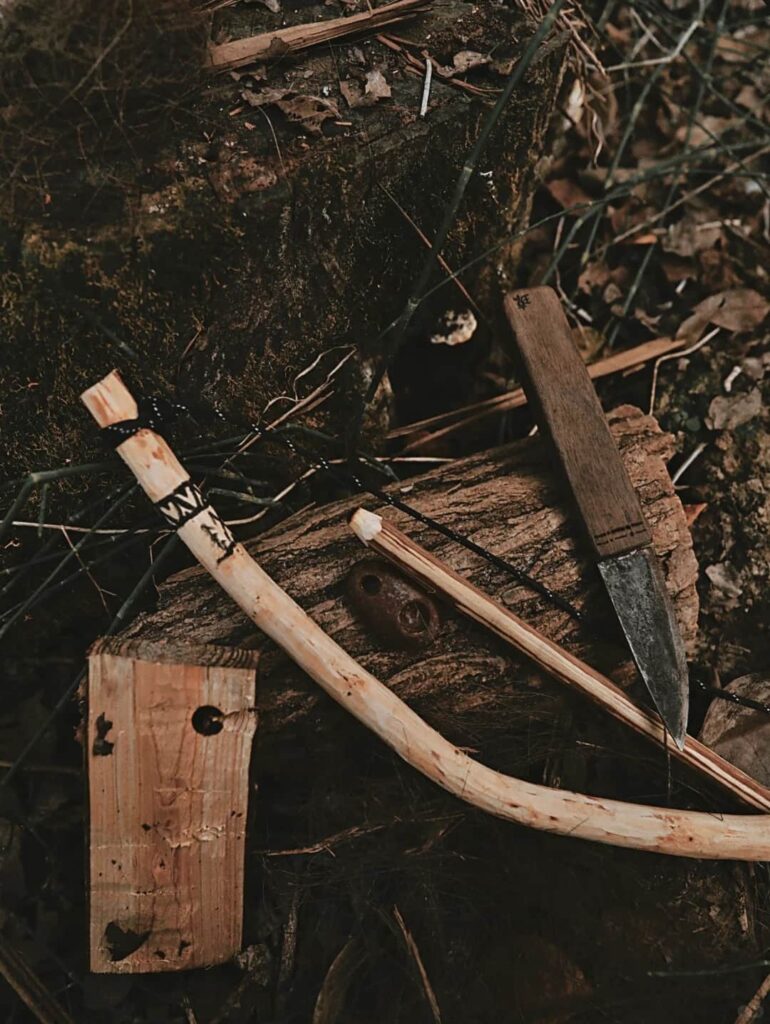
Many folks swear by using shoelaces or plant fibers to make your bow drill work. Sounds nifty, doesn’t it? But here’s the kicker: most shoelaces snap or stretch under pressure, while plant fibers like dogbane take ages to make.
Picture this: someone spent two days just trying to create a sturdy string. That’s a lot of time to realize your method is a flop.
Instead, grab some paracord. It’s tough and barely stretches. You’ll be glad when you finally get that fire going instead of wrestling with a wet shoelace.
Fire Starting With A Sandwich Bag Or Ice
You’ve probably seen those movies where someone lights a fire using a sandwich bag or ice, thinking it’s a foolproof survival trick.
Well, buckle up: it’s not that straightforward.
First off, the sandwich bag method relies on clear skies. If the sun is hiding like a cat in a storm, you’re out of luck.
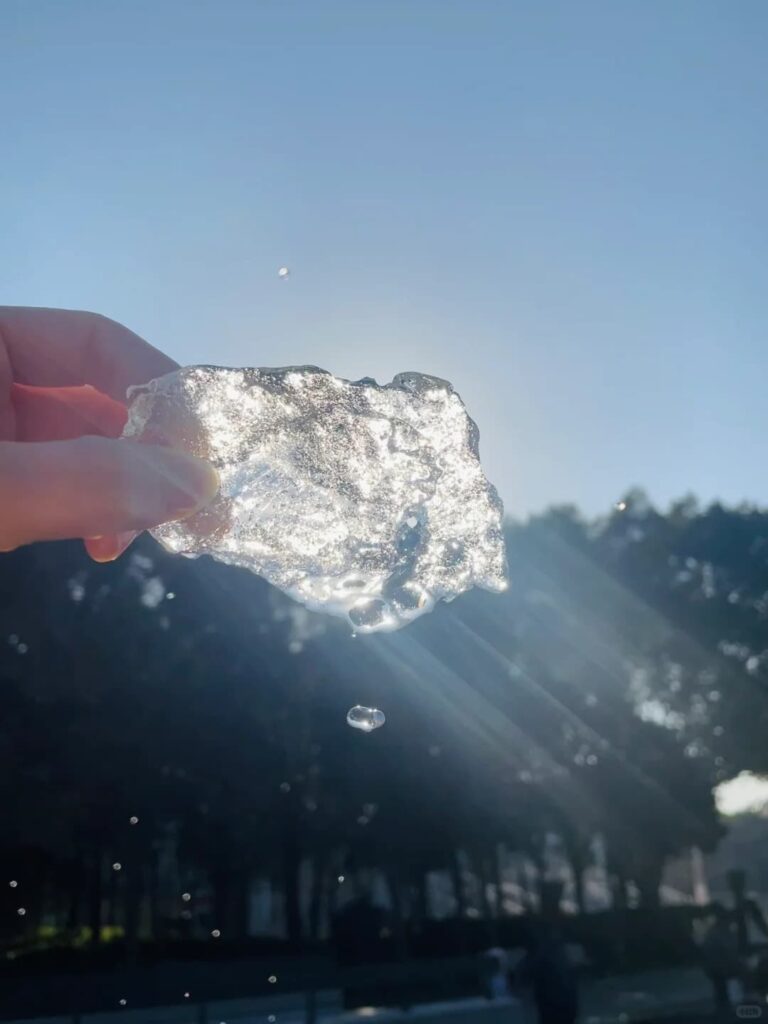
As for ice, good luck finding a clear chunk. Most ice is cloudier than your Aunt Sally’s judgment.
Plus, using a piece of ice to focus sunlight is about as reliable as asking a squirrel for directions.
Fire Roll Method
Ah, the fire roll method, where you rub cotton and ash together to create an ember! It sounds like a cozy campfire trick, right?
Here’s the catch: you first need to have made a fire to obtain that ash. So if you were already out of luck, this method might just add to your woes.
You could end up rubbing away for hours and still not see any glowing coals. One survival enthusiast came close but never quite lit that spark.
Lesson learned: if you don’t already have a fire, this method might just create more smoke than success.
Lighter Vs. Ferro Rod
Let’s settle the lighter versus ferro rod debate once and for all: bring both! A lighter is simple and quick, but it can be temperamental. It might get wet or simply decide to stop working right when you need it most.
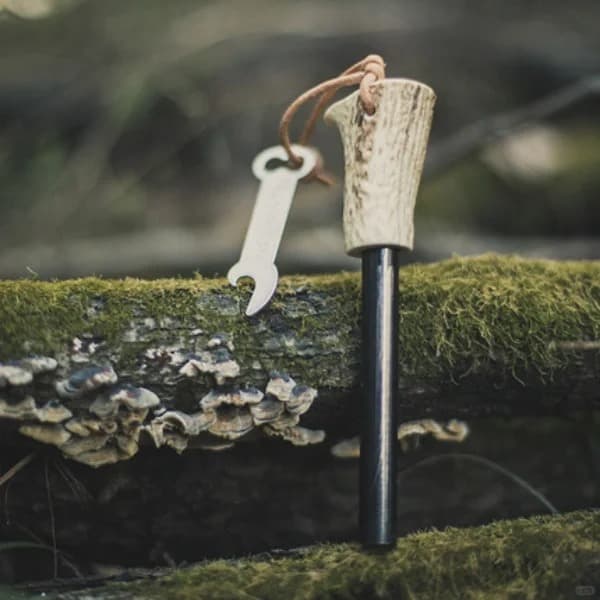
On the flip side, a ferro rod is the dependable friend you want in a survival situation. Water-resistant and ready to provide sparks at a moment’s notice, it won’t bail on you easily.
Think of it as the friend who always surprises you with snacks on a long hike—what a hero!
Misidentifying Berries – YouTube & Book Errors
You might think you’re a berry expert, thanks to some flashy YouTube videos or a survival book. But hold on! It’s easy to mix up thimbleberries and salmonberries.
- Thimbleberries look like this:
- Maple leaf-shaped.
- Dome-shaped red berries.
- White flowers.
- Salmonberries are a bit different:
- Three-lobed leaves (think center and two side lobes).
- Berries that range from reddish to yellow-orange.
- Pink or purple flowers.
When in doubt, consult multiple sources or get a friend who knows their berries. Otherwise, you might end up picking the wrong ones and ruining your foraging experience!
Mistaking Soapberries for Honeysuckle
Imagine discovering a bush full of fruit, only to realize it’s not what you thought. That’s the danger of confusing soapberries with honeysuckle.
Look for these signs:
- Honeysuckle has:
- Transparent orange berries sitting pretty above the leaves.
- Smooth undersides on leaves.
- Soapberries (or Canadian Buffalo Berry, if you want to sound fancy) feature:
- Dark red berries nestled below the leaves.
- Fuzzy, velvety leaf undersides with brown dots.
If you mistake one for the other, your foraging day may take a turn for the worse.
Misleading Rule: Sweet = Safe, Bitter = Poisonous
Here’s a classic blunder: assuming that sweet-tasting berries are safe, while bitter ones are evil incarnate.
Not so fast! This logic has led many into a berry mess.
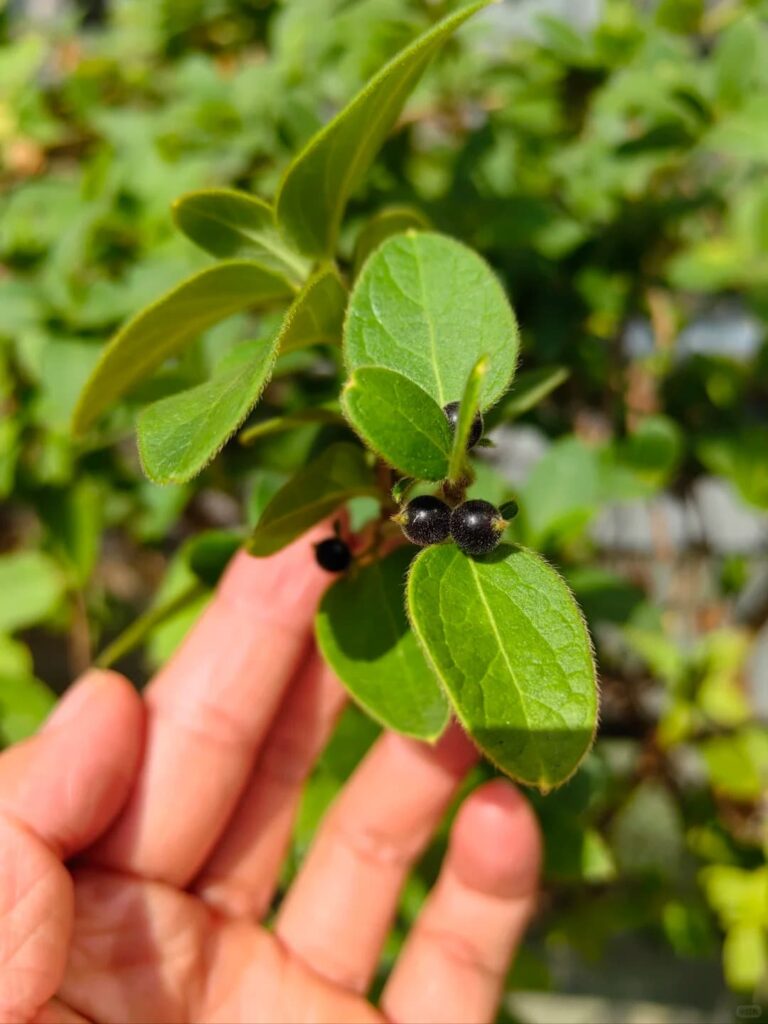
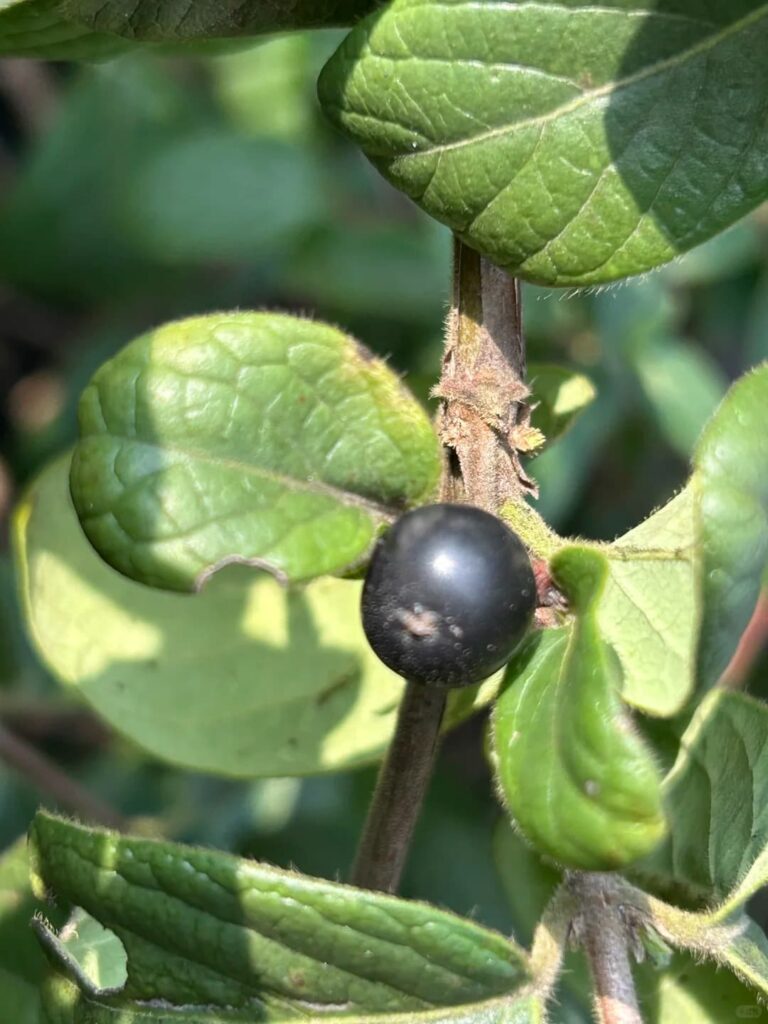
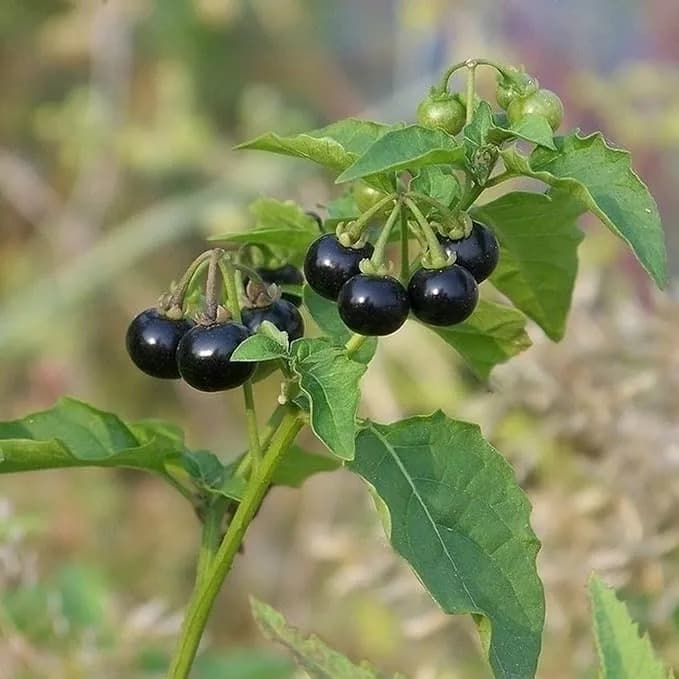
Take soapberries, for instance. They taste bitter but are still edible. On the flip side, those charming black twinberries are mildly toxic, making them a risky snack.
The key takeaway? Your taste buds aren’t great at judging safety. So don’t rely on flavor alone. Trust your eyes and knowledge before munching down on anything wild!
Final Thoughts
Here’s your chance to really boost your survival skills. The best tips aren’t always found in books or video.
Don’t just take any survival guru’s word for it. Sure, they might look super knowledgeable with their bushy beards and fancy gear. But remember, the great outdoors isn’t a one-size-fits-all deal.
The more you familiarize yourself with the wild world around you, the better off you’ll be.
Go ahead, poke around, and maybe even flub a couple of times at identifying berries—just not the poisonous ones, please!