Heavy Duty Foil is A Gear Item Change My Mind

Spread the love

You are wrong about this foil. We are all wrong about this foil. If a single material can cook your dinner, resurrect your dead flashlight, and potentially save your bacon in a survival scenario, it stops being a “disposable kitchen product.” It graduates.

It becomes gear.

Seriously. That box you bought for $3.99 is a tactical multi-tool masquerading as a wrapping supply.

It’s time to stop looking at heavy-duty foil as a mere kitchen accessory. Let’s look at why this humble material deserves a permanent spot in your backpack, your glove compartment, and your survival kit.

Table of Contents

1. Material Superiority: It’s Not the Thin Stuff

First, we need to address the elephant in the room. Or rather, the thin stuff in the drawer. Standard foil is flimsy. It rips if you look at it wrong. It’s basically aluminum vapor with a bad attitude.

Heavy-duty foil is different. We are talking about a higher micron thickness.

This isn’t just marketing jargon. This increased thickness provides legitimate tensile strength.

Think about it. You can actually pull this stuff taut. You can layer it. You can fold it into load-bearing shapes.

You aren’t just wrapping leftovers anymore. You are creating structural panels. You are fabricating metal sheets that can hold weight.

That thin stuff? It folds under pressure.

Literally. Heavy duty stands up and fights back. It bridges the gap between a flexible sheet and a rigid piece of metal.

That distinction matters when you aren’t near a hardware store.

2. Thermal Regulation and Heat Management: Become a Human Campfire Radiator

Let’s talk about physics. Specifically, the physics of being cold and sad in the woods.

Foil is highly reflective. That shininess isn’t just for looking pretty under your kitchen lights.

When you are sitting by a campfire, shivering because you thought a sweatshirt was sufficient, foil becomes a lifeline.

Take a large sheet. Place it behind you, facing the fire. The reflective surface bounces the infrared heat right back at you.

You just built an emergency heater.

It doesn’t stop there. Hypothermia is a silent killer. If someone is dangerously cold, you need to trap heat. Wrapping a person in a space blanket works, but heavy-duty foil is tougher.

You can mold it around a victim, creating a microclimate. It reflects their own body heat back at them.

It’s an improvised insulator that weighs practically nothing. The same principle that keeps a baked potato hot for an hour keeps a human alive through the night.

3. Field-Ready Cooking and Hydration: Ditch the Mess Kit

Here is where the foil really shines. Or, more accurately, where it sits in the coals and gets all smoky.

Traditional cookware is heavy. Pots, pans, titanium cups—they all take up space and add pounds to your pack.

Foil laughs at your pots.

With heavy-duty foil, you become a metalworker. You can mold bespoke vessels.

Need to boil water? Fold a square into a small, sturdy bowl. It will hold water. Place it carefully on the coals, and you have a boil-ready container.

Need to rehydrate a meal? Make a slightly larger tray.

The ability to shape the metal to your immediate need is the definition of efficiency.

You can cook directly in the coals. Wrap seasoned meat and vegetables in a foil packet.

Toss it in. Wait. Eat. No pan to scrub. You don’t carry the pot home; you ate out of it. This isn’t just camping food; it’s high-calorie meal prep with zero clean-up.

The bespoke nature of it means you use exactly what you need and nothing more.

4. Emergency Signaling and Communication: Shiny Things Save Lives

You are lost. The sun is out. The trees are thick. You have a whistle, but your lips are dry.

You need to get the attention of that helicopter that is definitely looking for you (they are looking for you, right?).

Cue the foil.

Heavy-duty foil provides a massive, high-visibility surface area.

When flattened and angled toward the sky, it acts as a heliograph. It catches the sunlight and flashes it.

That flash is bright. It’s unnatural in the wilderness. Search and Rescue teams are trained to spot these flashes from miles away.

You aren’t signaling for help with a tiny mirror. You are waving a sheet of metal that screams “HUMAN HERE” to anyone scanning the terrain.

It works in daylight when electronics fail. It requires no batteries. It just needs a little sun and a desperate wave of the hand.

Don’t underestimate the power of being shiny.

5. Improvised Hardware and Electrical Repair: The McGyver Move

Electronics break. Flashlights die. Batteries rattle loose inside their compartments just when you need them most.

This is frustrating. It usually requires tape or a trip to the store.

Foil fixes that.

Remember that conductive property? Aluminum conducts electricity. A small strip of heavy-duty foil can bridge a broken battery contact.

A dead device often just has a loose connection. Wad up a tiny piece of foil, jam it in there, and suddenly the circuit is complete again. Your flashlight lives.

But wait, there’s more. You can also create DIY Faraday protection. A Faraday cage protects electronics from electromagnetic pulses (EMP).

Wrap your phone or radio tightly in several layers of heavy-duty foil. Ensure there are no gaps. You just built a shield.

It might look like a baked potato, but it’s a baked potato that can save your ability to communicate after a solar flare or a similar event. It turns your gear from vulnerable to hardened.

6. Waterproofing and Perimeter Protection: Keep the Dry Stuff Dry

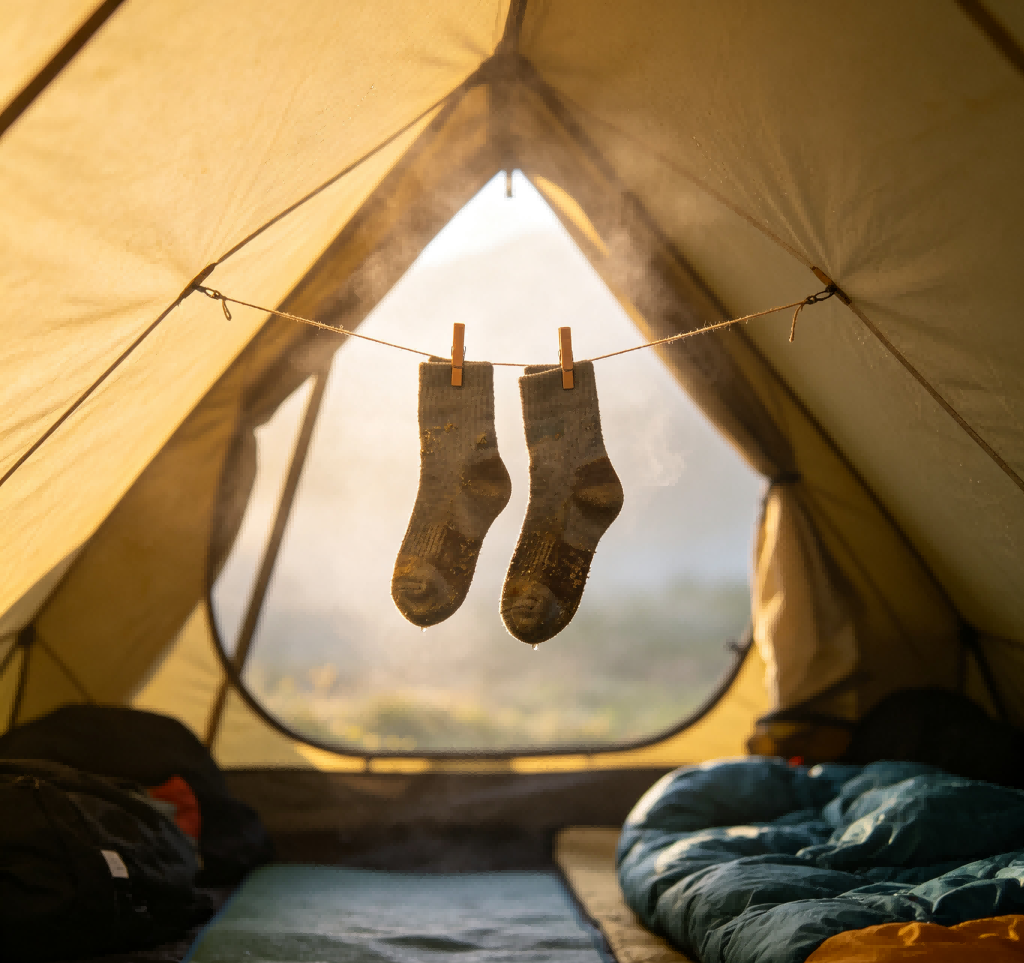
Wet tinder is useless. Wet socks are a tragedy. Wet gear is a nightmare. Foil is impermeable. Water does not pass through it.

This is obvious, but we often overlook the application.

You are building a fire. The ground is damp from last night’s rain. Your tender birch bark is slightly dewy. Use foil.

Create a moisture barrier on the ground. Place your tinder on top of the foil. The foil prevents ground moisture from wicking up into your precious fire-starting materials.

You stay dry, your fire starts, and you look like a genius.

It also works for sealing gear against pests. Mice love chewing through food bags. Rodents hate metal.

Wrap your high-energy bars or your phone in a foil pouch. It creates a physical barrier that is much harder for tiny teeth to penetrate.

It seals the smell in and keeps the critters out. It’s perimeter protection on a microscopic level.

7. The Ultralight Advantage: Weight vs. Utility

Let’s do some math. Well, let’s do some simple thinking. Specialized outdoor equipment is expensive. It’s also heavy.

A single titanium pot costs a lot of money and weighs a few ounces.

A box of heavy-duty foil costs a few bucks. You tear off a three-foot sheet. That sheet weighs next to nothing.

You just packed a pot, a signal mirror, an electrical repair kit, a heat reflector, and a waterproof barrier. All for the weight of a few feathers.

The weight-to-utility ratio is insane. It is arguably the best value in the entire outdoor gear market.

When you are counting grams for an ultralight trek, you cannot afford to carry multiple single-use tools. Foil gives you ten tools for the price of one.

It’s the ultimate minimalist’s dream. It’s a force multiplier for your pack.

8. Versatility in Specialized Environments: For Hunters, Hikers, and Off-Roaders

Different environments require different solutions. Foil adapts.

Hikers use it for blister prevention. Place a smooth piece over a hot spot in your boot. It can reduce friction.

Hunters use it to mask scent. Store your calls or your game meat in it. It contains odors better than plastic.

Off-roaders encounter mechanical problems. A cracked radiator hose is a trip-ender. Wrap it with heavy-duty foil.

Layer it thick. Use it as a temporary bandage to hold pressure and fluid. It won’t last forever, but it might last long enough to get you down the mountain.

It’s a universal patch. It solves immediate mechanical problems regardless of the terrain.

Desert, mountain, forest, or riverbank—foil works the same everywhere.

Conclusion

Look, the takeaway here is simple. You have been underestimating a hero.

Heavy-duty aluminum foil is not just a kitchen staple. It is a high-utility survival asset. It manages heat. It signals for help. It cooks your food. It fixes your gear. It keeps you dry.

We need to rethink the “Ten Essentials.” We need to make room for the roll. It’s time to transition heavy-duty foil from the pantry shelf to the backpack pocket.

Stop leaving it at home with the baking soda. Give it the respect it deserves. Your future self, cold and lost with a dead flashlight, will thank you. Now go grab a box.

You have some repacking to do.

Leave a Comment

Your email address will not be published. Required fields are marked *

Scroll to Top