The Nested Bin Strategy: How to Pack So You Never Have to Dig?

Spread the love

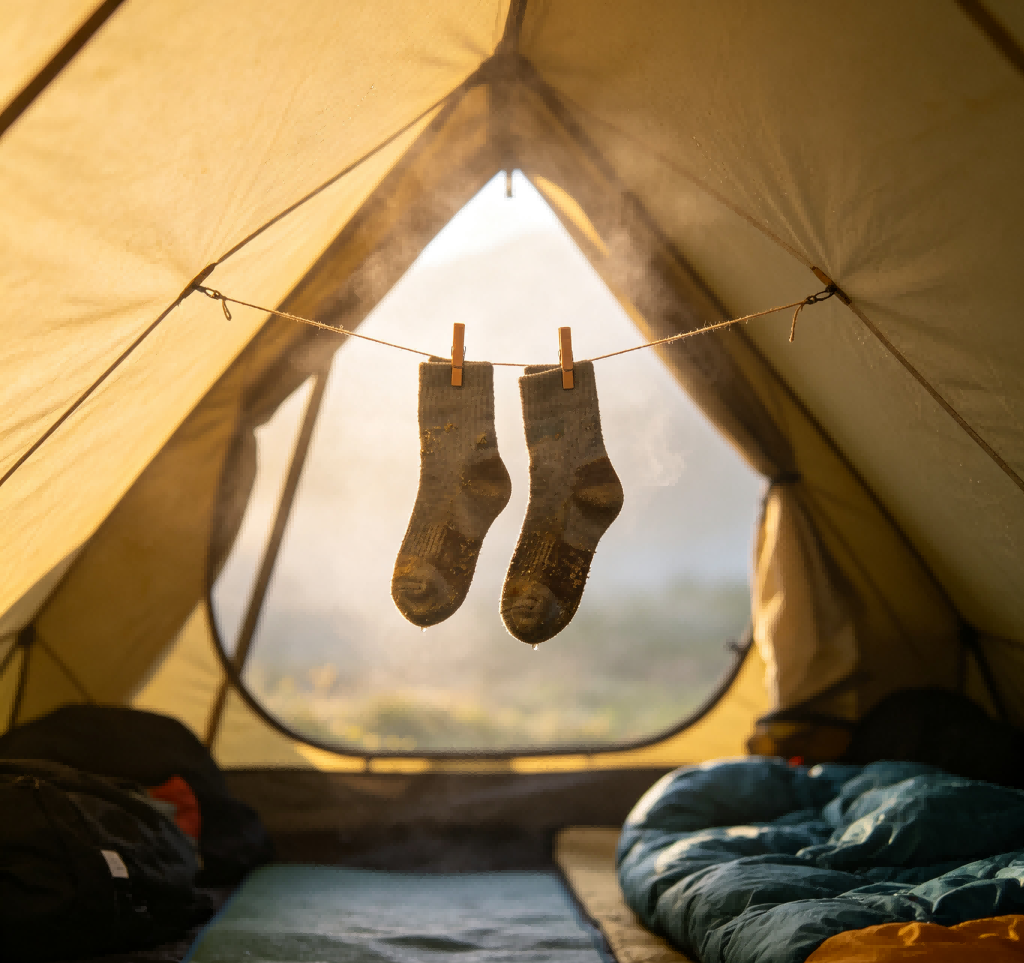
The campsite looks like a gear explosion. Socks dangle from branches. A map flaps under a tent stake.

The stove hides somewhere beneath that pile of clothes. Daylight is burning, and hunger is setting in. This scene repeats at campsites everywhere.

The culprit? A disorganized pack.

Enter the Nested Bin strategy. This modular system transforms chaos into order. Think of it as Russian nesting dolls for gear.

Each category lives in its own designated space. Every item becomes accessible exactly when the environment demands it. 

Table of Contents

1. Categorization by Function and Frequency

women pack

Grouping gear starts with honest questions. What gets used together? How often does each item come out? The answers create logical clusters.

The Sleep System forms one obvious cluster. A quilt or sleeping bag belongs with a sleep pad, pillow, and perhaps camp socks. These items emerge only at night. They get stuffed away immediately after waking. Simple.

The Kitchen demands its own bin. Stove, fuel canister, pot, spoon, and lighter all live together. Meals require these items simultaneously. Scattering them through the pack guarantees frustration at dinner time.

Emergency Essentials deserve special status. First aid kit, headlamp, emergency shelter, and fire-starting tools form this cluster. Hopefully, they stay untouched all trip. But when needed, they must appear instantly.

Color-coding elevates this system dramatically. Red dry bags scream “emergency.” Green pods whisper “sleep system.” Blue sacks indicate “kitchen.” Ultralight pods in various hues provide instant visual identification.

No reading labels required. No guessing which stuff sack holds what. The brain processes color faster than text. Use this biological fact.

Prioritization also depends on frequency. A water filter gets used multiple times daily. It does not belong buried at the bottom.

Rain gear appears and disappears with weather whims. It needs quick access. Snacks represent the highest frequency category. Hunger strikes unpredictably.

Snacks must surrender without a fight.

2. The Vertical Loading Hierarchy

Physics plays favorites inside a backpack. Heavy items at the top create a pendulum effect. The body compensates awkwardly.

Energy drains faster. Balance suffers.

The bottom layer demands heavy, low-frequency items. The sleep system fits here perfectly. A quilt compresses nicely. A sleep pad straps easily.

These items emerge only at camp. They can rest at the bottom all day without inconvenience.

The center zone requires precision. This spot sits closest to the spine. It represents the pack’s sweet spot for weight distribution. Heavy “bins” belong here.

Food bags and water reservoirs occupy this prime real estate. Positioning them near the body’s center of gravity maintains balance.

The hips carry the load properly. Shoulders relax.

The top “bin” serves urgency. Rain gear lives here. A sudden downpour demands immediate action. Fumbling through the pack center guarantees a soaking. First aid supplies also claim this space. Accidents happen fast.

Response time matters. Navigation tools join this club. Map, compass, GPS device—these guide the journey.

They must emerge frequently and quickly.

Some packs feature a “brain”—that top lid compartment. This space handles true essentials. Sunscreen, lip balm, and a tiny repair kit fit perfectly.

Items needing frequent but brief access call this zone home.

3. Eliminating the "Dead Space" Problem

Empty space inside a packed backpack is the enemy. Gaps allow shifting. Shifting creates imbalance. Imbalance wastes energy and causes frustration.

Soft goods become strategic buffers. A puffy jacket fills the void around a bear canister. Extra clothing molds itself around a stove. Socks plug small gaps between rigid items. Nothing should rattle. Nothing should shift.

Compression matters enormously. A loose load collapses internally during movement. The carefully organized “bins” merge into chaos. Zippers open to reveal a tangled mess. The system fails.

Straps and compression sacks solve this problem. Tighten everything. Squeeze out air. Create a solid block of gear. The pack becomes a cohesive unit. Movement feels stable. Hips carry weight efficiently. Shoulders thank the hiker at day’s end.

The psychological benefit cannot be overstated. A quiet pack soothes the mind. Every step produces silence instead of clunk-thump-swish sounds.

Rattle-free hiking allows immersion in nature. Birdsong replaces gear noise. Wind through trees dominates instead of sloshing water bottles. The trail becomes meditation rather than machinery.

Long-distance hikers understand this deeply. After weeks on trail, pack sounds become maddening. The nested bin strategy eliminates this subtle torture.

4. Transition Efficiency at Camp and on Trail

Camp arrival triggers a familiar dance. Tent goes up. Sleeping system inflates. Dinner cooks. The nested bin strategy streamlines every step.

Extract only what’s needed. Kitchen bin emerges for dinner. Sleep system bin waits patiently. Rain gear stays tucked away if skies remain clear. No dumping. No scattering. No gear lost to darkness.

Morning departure reverses the process. Kitchen bin disappears first. Sleep system follows. A quick visual sweep confirms everything belongs somewhere. The campsite returns to its natural state. No遗留 items. No backtracking.

The “trail office” deserves special attention. Daytime requires frequent access to specific items. Snacks vanish and reappear throughout the day. Cameras capture moments spontaneously.

Phones need charging from battery packs during breaks.

These items should never require main compartment access. Hipbelt pockets hold immediate snacks. Shoulder strap pockets secure phone or camera. The pack’s top lid stores today’s food bag. Unbuckling the main compartment stays reserved for camp arrival only.

The golden rule prevents loss. One bin out. One bin in. Kitchen emerges. Kitchen returns before sleep system appears.

This simple discipline eliminates the dreaded “where did I put the stove?” panic. Every item follows this cycle.

Nothing gets left behind because nothing stays out unattended.

5. Maintaining Order Across Different Environments

Weather changes everything. A sunny morning becomes an afternoon hailstorm. Desert heat transforms into mountain cold. The nested bin strategy adapts seamlessly.

Layering systems require flexibility. Morning starts cold. Layers pile on. Afternoon warms. Layers shed.

These frequent clothing adjustments demand strategic packing. The current day’s insulation layers live at the very top. Extra clothing stays compressed below.

Shedding layers happens mid-trail. Stuffed jackets and removed pants need temporary homes. External pack straps accommodate these items perfectly.

No need to reopen the main compartment. No disruption to the internal order.

Moisture protection demands redundancy. Electronics hate water. Down insulation dies when wet. A single dry bag failure shouldn’t destroy critical gear.

Nested waterproofing solves this. Electronics reside inside a waterproof pod. That pod lives inside a waterproof pack liner. Double protection against river crossings and sudden downpours.

Down gear follows the same principle. Two layers of defense against moisture intrusion.

Scale matters little. Overnight trips use the same system as month-long expeditions. The bins simply expand or contract.

Solo hikers maintain perfect organization. Groups coordinate their collective bins. Dinner becomes communal without gear confusion.

Everyone knows exactly where their spoon lives.

6. Scaling the System for Any Adventure

Trip duration influences bin size but not bin logic. An overnight adventure requires minimal gear. The sleep system compresses tiny.

The kitchen shrinks to a single pot and tiny stove. Emergency essentials remain constant regardless of trip length.

Multi-week expeditions demand volume. Food bags expand dramatically. Extra clothing accommodates variable conditions.

The nested bin system scales upward effortlessly. More gear simply means more bins. The organizational principles remain identical.

Groups benefit enormously. Shared meals mean shared kitchen bins. One person carries the stove.

Another carries the pot. A third handles food. Coordination replaces duplication. Weight distributes logically.

Everyone accesses what they need when they need it.

Specialized activities introduce unique bins. Fishing requires tackle and tools. Photography demands camera bodies and lenses.

Climbing involves ropes and hardware. Each activity generates its own logical cluster. These specialty bins integrate seamlessly with the existing system.

Conclusion

Time invested in organized packing pays dividends repeatedly. Safety improves when emergency gear appears instantly.

Mental clarity deepens when chaos disappears from camp. The nested bin system transforms a cluttered hiker into a streamlined navigator.

Consistency creates competence. Following the same system every trip eliminates the search for gear. Every item lives in its designated space.

Every transition flows smoothly. The wilderness experience deepens when gear anxiety vanishes.

Leave a Comment

Your email address will not be published. Required fields are marked *

Scroll to Top