Collapsing directly into your sleeping bag while still wearing your filthy hiking clothes feels like the right move.
Your muscles are begging for horizontal relief.
But doing so compromises your warmth, your safety, and the lifespan of your expensive gear. It’s a rookie mistake with serious consequences.
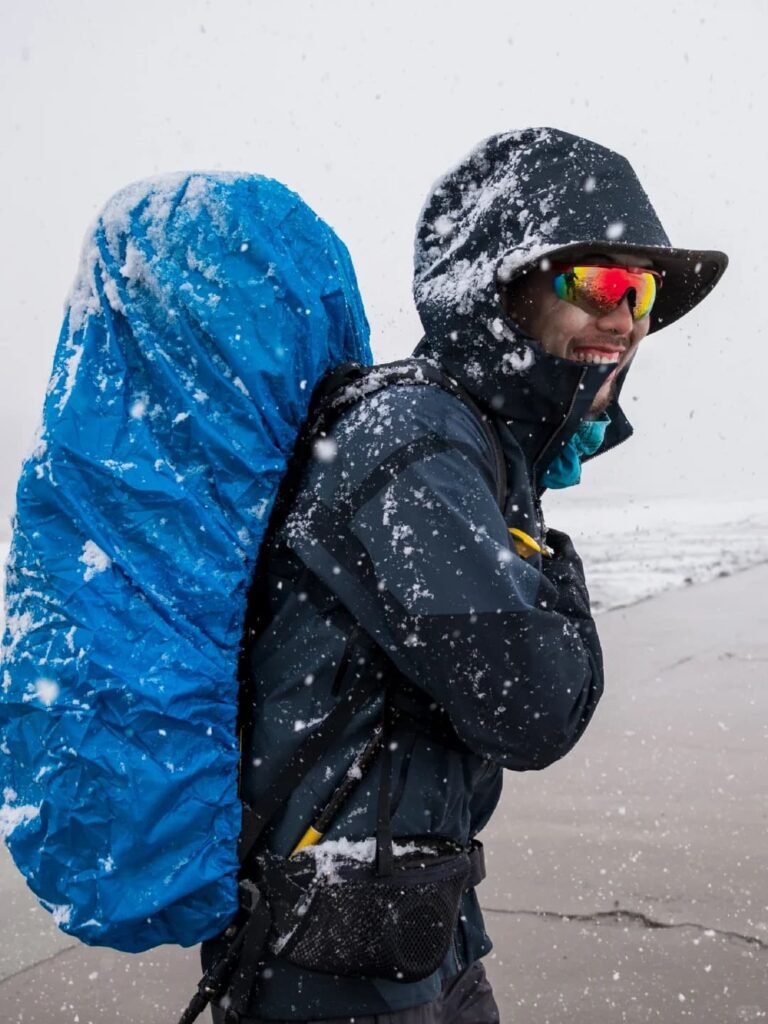
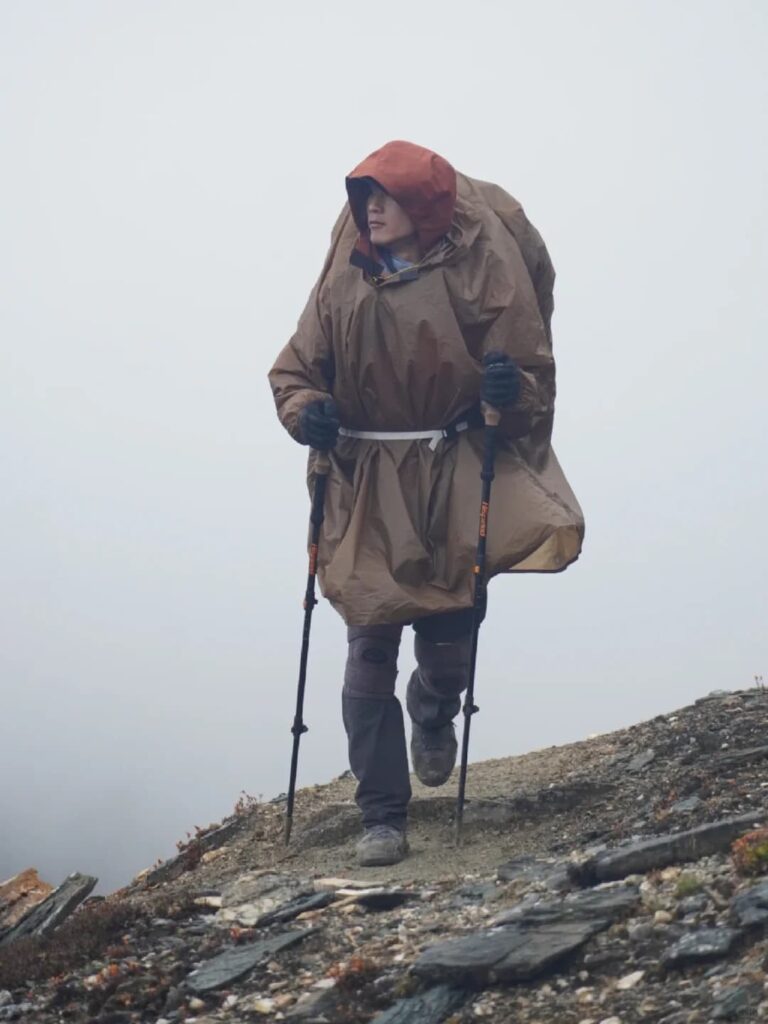
Think of your hiking clothes as a hazmat suit. They’ve done their job.
Now, they need to stay outside the clean room. Your sleeping bag is that clean room.
Keep reading to learn why this simple habit separates the happy campers from the shivering, rash-ridden ones.
Table of Contents
1. The Hidden Danger of Residual Moisture (or, Why You’re a Human Popsicle)
Here’s a nasty little secret about your body. It’s always sweating. Even when you feel perfectly dry, your body is releasing “insensible perspiration.”
It sounds fancy, but it’s just a fancy term for the water vapor constantly escaping your skin.
Throughout a long day of hiking, your clothes absorb this moisture.
Your shirt might feel dry to the touch, but on a molecular level, it’s damp. It’s holding onto that vapor like a sponge.
Now, here comes the science part. Once you stop moving, your body stops generating that hiking heat. You cool down.
And that residual moisture in your clothes? It cools down too. This process is called evaporative cooling.
Imagine stepping out of a shower into a cold room. You shiver, right? The same thing happens inside your tent.
That slightly damp shirt suddenly becomes a refrigerator against your skin. It pulls heat away from your body rapidly.
2. Scent Management and Wildlife Safety (Don’t Be a Human Snack)
Let’s talk about smells. Human smells. You spent all day marinating in your own juices.
Your clothes have absorbed microscopic salts, body oils, and unfortunately, food odors.
Maybe you spilled a little trail mix on your lap. Perhaps you wiped your greasy chip fingers on your shorts.
These scents might be faint to you, but to a bear or a curious raccoon? You might as well be ringing a dinner bell.
Wearing these scent-soaked clothes into your tent turns your sleeping sanctuary into a beacon for wildlife.
You are essentially wrapping yourself in a giant napkin that smells vaguely of lunch and human.
In bear country, this is a serious safety hazard. A bear’s nose is thousands of times more sensitive than yours.
It can smell that granola bar crumb from last Tuesday. You do not want a bear investigating your tent at 2 a.m. because you smell like a snack bar.
Even small critters like mice or raccoons will chew through tent mesh to get to a salty, smelly shirt.
They aren’t interested in you. They are interested in the salt and food residue on your clothes. Keep your sleeping area scent-free. It keeps the wildlife wild and your tent intact.
3. Managing the Microclimate of Your Sleeping Bag (Fluff Matters)
Your sleeping bag is a marvel of engineering. It doesn’t generate heat; it traps it. It works by creating a layer of “loft,” which is just a fancy word for fluffiness.
This fluffy layer holds still air. Your body heats that still air, and the bag keeps it close.
This system works perfectly when the insulation is clean and dry. But throw a dirty, sweaty, salt-caked shirt into the mix, and you ruin the magic.
Here’s what happens. The dirt, salt, and body oils from your daytime clothes transfer directly into the sleeping bag’s insulation.
These gross particles coat the tiny fibers. They clump together. They squash the fluff.
This process is called “clogging the loft.” Once the loft is compromised, your bag loses its ability to trap air.
Instead of fluffy air pockets, you have matted-down, dirty spots.
Cold spots develop. You wake up with one warm shoulder and one freezing shoulder. You wonder why your thousand-dollar sleeping bag feels like a thin blanket.
The answer is simple: you let yesterday’s hike contaminate tonight’s warmth. Keep the grime out, and the warmth stays in.
4. The Impact of Salt and Grit on Skin Health (Avoid the Rash)
Your skin goes through a lot on the trail. Sun, wind, sweat, and dirt all take their toll.
By the time you reach camp, your skin is often sensitive and ready for a break.
But here’s the thing about daytime clothes. They are essentially sandpaper by the end of the day.
They are loaded with trail dust, pollen, dried sweat, and sharp little salt crystals.
Now, imagine rubbing that sandpaper against your skin for eight straight hours while you sleep. You toss and turn. You shift positions.
With every movement, those gritty particles grind against your pores.
This leads to what hikers call “trail rash” or “hiker rash.” It starts as simple irritation. Then it becomes chafing.
Then, if you’re unlucky, those clogged pores and rubbed-raw spots turn into painful infections.
On a multi-day trip, an infected hot spot can end your adventure. It makes sleeping miserable and hiking unbearable.
Changing into clean, soft, dry layers gives your skin a break. It lets your pores breathe. It prevents that nasty, itchy rash that keeps you scratching all night.
Your skin deserves a vacation from the trail too.
5. Preserving Your Gear’s Longevity (Money in the Bank)
Let’s talk dollars and cents. Camping gear is expensive. A good sleeping bag costs a small fortune.
You want that bag to last for years, not just one season.
The enemies of your gear are simple: oils and abrasives. Your skin produces natural oils. The trail provides endless abrasives in the form of dirt and grit.
When you slide into your sleeping bag wearing the day’s clothes, you transfer all of that onto the fabric.
The oils break down the delicate technical fibers over time. The grit acts like sandpaper, wearing away at the material with every movement you make inside the bag.
Many sleeping bags have water-resistant coatings or special breathable shells.
Dirt clogs the pores of these fabrics. It ruins their ability to breathe or repel water.
Cleaning a sleeping bag is a delicate, annoying process. You want to avoid it as long as possible. By simply changing clothes, you extend the life of your gear significantly.
Think of it as putting money in your future camping fund. Treat your bag nicely, and it will keep you warm for many years.
6. Psychological Benefits of the "Sleep Ritual" (Brain Games)
Camping isn’t just physical. It’s mental. Your brain needs signals to tell it when to shift from “hiking mode” to “rest mode.” A simple ritual provides that signal.
Changing your clothes is the perfect transition. When you peel off those sweaty socks and that dusty shirt, your brain registers the change. It recognizes that the workday is over.
Putting on clean, dry, soft base layers feels luxurious in the backcountry. That simple act of self-care tells your subconscious, “We are safe now. We are comfortable now. It is time to sleep.”
This mental shift is crucial for sleep quality. If your brain stays in “alert” mode, you toss and turn. You wake up at every little noise. You don’t get the deep, restorative rest you need.
Good sleep isn’t just about feeling happy. It’s about safety. Tomorrow, you might need to navigate a tricky trail or make a critical decision. A well-rested brain has better cognitive focus. It makes fewer mistakes. So, that little changing ritual isn’t just cozy. It’s a safety precaution for the next day’s hike.
7. Practical Tips for a Smooth Transition (Just Do It)
Okay, so you’re convinced. You will change clothes before bed. But how do you make this process smooth and efficient in a cramped tent?
First, pack a dedicated sleep system bag. This should be a small stuff sack containing only your sleep clothes: a fresh base layer top, clean bottoms, and the holy grail of camping—a pair of dry sleep socks.
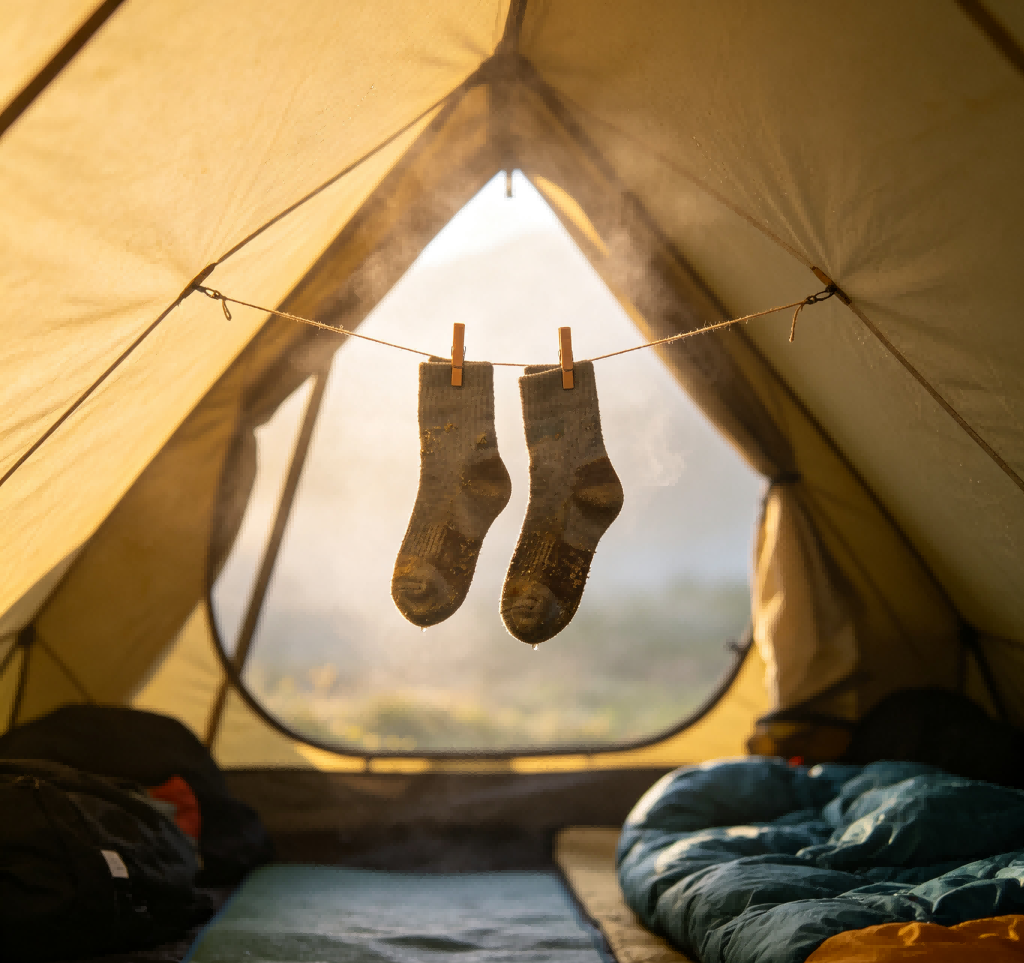
Never, ever wear your hiking socks to bed. Your feet suffer all day. Give them the gift of dry, warm, fluffy socks at night. It improves morale instantly.
Second, establish a routine. As soon as you stop hiking for the day, get your tent set up. Then, before you start cooking dinner, change your clothes. This prevents you from getting cold while you cook and ensures you don’t fall into the “I’m too tired” trap later.
Third, manage your wet clothes. Hang your damp hiking clothes outside the tent if the weather permits. Use your backpack or a tree branch. If it’s rainy, hang them in the vestibule. Never bring the wet, smelly clothes inside your sleeping area.
Finally, consider a lightweight towel and some “baby wipes.” A quick wipe-down of your skin before changing into clean clothes is pure heaven. It removes the salt and grit, giving your skin an even better break. It’s a small luxury that pays huge comfort dividends.
Conclusion
In the grand scheme of camping, the effort required to change your clothes is minuscule. It takes five minutes. Maybe less. Yet, the benefits are enormous.
So, resist the siren song of the sleeping bag. Take the five minutes. Change your clothes. Your future self, cozy and well-rested, will thank you.
Now go forth and camp happily, you clean, dry genius.