18 Nighttime Camping Tips for Better Rest

Spread the love

Sleeping under the stars sounds romantic until you’re shivering on a rock at 3:00 AM. The ground feels like concrete. Your sleeping bag has turned into a damp cocoon of misery. And that weird rustling outside? Probably just a leaf. Probably.

Getting high-quality sleep in the wilderness is a skill. It combines gear choice, site prep, and a bit of biological hacking. You can survive without it. But why just survive when you could actually wake up feeling human?

Let’s fix your outdoor sleep situation. Here are 18 tips that work.

Table of Contents

1. Level your sleeping area: The 5-Minute Investment

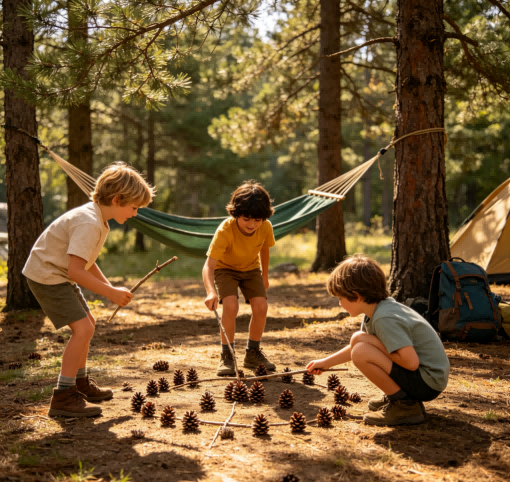
Spend five minutes clearing rocks and pinecones. It sounds obvious. Yet somehow, every camper has woken up with a pinecone-shaped bruise on their back at least once.

Walk around your potential campsite. Feel for lumps. Kick things. Remove anything that feels like it could double as a medieval torture device.

Now, ensure you’re sleeping on a flat surface. If there’s a slight incline, always sleep with your head uphill. This prevents blood from rushing to your brain. Nobody wants to wake up feeling like they’re standing on their head.

Your future self will thank you. Future you doesn’t want to spend breakfast massaging a rock-shaped knot out of their shoulder blade.

2. Invest in a high R-value sleeping pad

Here’s a truth bomb: most cold comes from the ground, not the air.

The earth is basically a giant heat vampire. It will suck warmth right out of your body while you sleep. Your fancy sleeping bag? It does nothing underneath you because your body weight crushes all the insulation.

Enter the R-value. This number measures how well your pad resists heat flow. Higher numbers mean warmer nights.

Use a pad with an appropriate R-value for your conditions. Summer camping? Lower numbers work. Winter camping? You want something that says “space blanket for your back.”

Think of it as creating a thermal barrier between you and frozen earth. The ground wants you cold. Don’t let it win.

3. The "Hot Water Bottle" trick

This trick feels like cheating. It’s that effective.

Fill a leak-proof Nalgene bottle with near-boiling water. Wrap it in a spare sock. Toss it into the bottom of your sleeping bag about 20 minutes before bed.

Climb in later, and you’ll discover paradise. That bottle acts as a radiator for your feet all night. Cold toes? Slide over and reconnect.

Important warning: ensure that bottle is truly leak-proof. A sleeping bag full of hot water is not a sleeping bag. It’s a tragedy you’ll never forget.

Also, don’t burn yourself. The sock isn’t optional. It’s your skin’s bodyguard.

4. Change into fresh, dry clothes

Never sleep in the clothes you wore during the day. Never.

Even if they feel dry, they’re lying to you. Those clothes contain salt and microscopic moisture from sweat. As you cool down at night, that moisture will pull heat away from your body like a thief in the dark.

Pack dedicated sleep clothes. Something warm. Something dry. Something that hasn’t spent the day marinating in your armpits.

Changing clothes in a tent requires contortionist skills. You’ll bump elbows against tent poles. You’ll get a foot stuck in your pants. Embrace the struggle. Warmth awaits on the other side.

5. Use a dedicated pillow

A rolled-up fleece works in a pinch. But “in a pinch” shouldn’t describe your entire camping trip.

Your neck deserves better. A proper inflatable or compressible camping pillow provides the support needed to prevent “trail headaches” the next morning. Yes, that’s a real thing. Waking up with a neck so stiff you can only look at your feet is not the adventure you signed up for.

Inflatable pillows save space. Compressible pillows feel more like home. Pick your fighter.

Either option beats waking up at 2 AM trying to reshape a lumpy sweater into something resembling head support.

6. Wear a beanie to bed

You lose significant heat through your head. Your body knows this. Your beanie should too.

A snug wool or synthetic hat helps regulate your core temperature. This matters especially if you aren’t using a mummy-style bag with a built-in hood.

Pull it down over your ears. Tuck your hair inside. Look ridiculous. Feel warm.

Nobody’s judging your bedtime fashion out here. The squirrels don’t care. The bears definitely don’t care. They’re just glad you’re not wearing salmon-scented cologne.

7. Store your boots inside the tent

Keep your footwear inside the tent. This serves two purposes.

First, morning boots stay dry. Dew is sneaky. It coats everything left outside. Putting cold, wet feet into cold, wet boots at sunrise is a special kind of misery you can avoid.

Second, wildlife won’t investigate them. Small creatures love dark, cozy spaces. Your boot left outside looks like a five-star spider hotel. Scorpions also appreciate warm footwear. So do centipedes.

Store boots in a small stuff sack if you’re worried about dirt. Or just accept that your tent floor will accumulate some grit. That’s what camping is.

8. Empty your bladder before crawling in

If you have to go, go.

Your body wastes energy keeping a full bladder warm. That’s energy better spent keeping your toes functional.

Plus, fighting the urge to pee for four hours is the fastest way to ensure poor-quality REM sleep. You’ll drift off. You’ll dream about waterfalls. You’ll wake up desperate.

Just make the trip. Yes, it’s cold outside the bag. Yes, the walk to the bushes is terrible. Do it anyway.

Future you, sleeping peacefully until dawn, will be grateful.

9. Keep a "Midnight Kit" handy

Middle-of-the-night panic is real. You wake up disoriented. You need water. You hear a noise. You can’t find anything.

Fix this with a Midnight Kit.

Place your headlamp, bear spray (if in bear country), and a water bottle in the exact same spot every night. Memorize that spot. Train your sleepy brain to find it in total darkness without panic.

When you wake up at 3 AM convinced a bear is sniffing your tent (it’s probably just a mouse), you’ll find your headlamp instantly. You’ll see the mouse. You’ll go back to sleep.

Organization saves sanity.

10. Manage condensation with ventilation

It’s tempting to zip every flap shut. Cold air is scary. Warm air is nice.

But here’s the problem: you breathe. All night. Your breath contains moisture. That moisture has nowhere to go in a sealed tent.

Congratulations. You’ve created indoor rain.

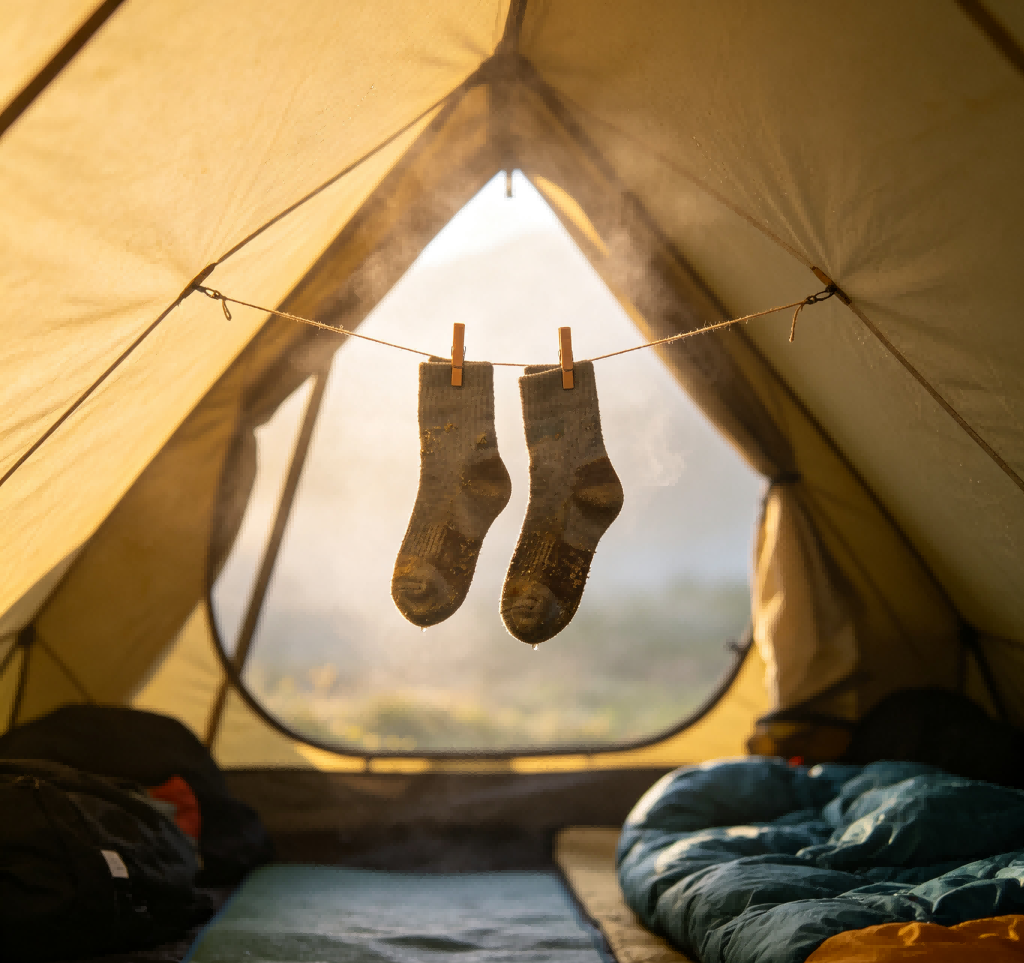
Leave a small vent open. Allow moisture from your breath to escape. This prevents waking up in a condensation shower at 4 AM.

Yes, you’ll lose some warmth. Trade-offs exist. A slightly cooler, dry tent beats a sauna-slick, wet tent every single time.

11. Eat a high-fat snack before bed

Digestion creates internal heat. It’s like your stomach has a tiny furnace.

A spoonful of peanut butter before sleep works wonders. Some nuts also do the trick. Cheese works if you’re fancy. Avoid anything that requires refrigeration unless you enjoy food poisoning.

This snack gives your body “slow-burning fuel” to keep your internal furnace running through the night.

Don’t overdo it. A full belly also means digestion struggles. Find the sweet spot between “fed” and “thanks, I’m uncomfortably full.”

Your stomach knows the way.

12. Use earplugs and an eye mask

The woods are surprisingly noisy.

Leaves rustle. Branches creak. Something unidentified scurries near your head. Owls hoot. Distant coyotes howl. Your tentmate snores like a chainsaw.

Earplugs fix all of this. They block the rustling. They silence the snoring. They let your brain relax.

The moon can also be incredibly bright. Full moons turn your tent into a lantern. An eye mask restores darkness.

These simple tools help block out the rustling of leaves and the 5:00 AM “bird alarm clock.” Birds don’t care that you hiked ten miles yesterday. They sing anyway.

13. Shake out your sleeping bag

Before getting in, give your bag a good shake.

This “lofts” the insulation. Whether it’s down or synthetic, the material needs air trapped inside it to effectively retain your body heat.

Compressed insulation equals cold shoulders. Cold shoulders equal miserable mornings.

Shake it like you mean it. Fluff it up. Let the air in.

Your bag will thank you by being warmer. You’ll thank yourself by not shivering.

14. Keep your face outside the bag

It’s tempting to bury your nose inside when it’s freezing. Don’t do it.

Your breath contains significant moisture. Breathing into the bag creates dampness. Dampness kills warmth. Eventually, you’ll be much colder than if you’d just left your face exposed.

Pull the bag up to your chin. Let your nose face the elements. Yes, it’s chilly. Yes, it’s worth it.

If your face is truly freezing, wear a balaclava or pull your hat down lower. Keep that moist breath out of your insulation.

15. Stagger your tent stakes

Ensure your tent is pitched tautly. A sagging rainfly flaps in the wind.

Flapping creates noise. Rhythmic thumping. Constant movement. It drives light sleepers insane.

Stagger your stakes at angles. Pull everything tight. Check for loose lines before bed.

A taught tent sleeps quietly. A quiet tent sleeps peacefully.

Nobody wants to spend the night listening to fabric slap itself repeatedly. That’s not camping music. That’s torture.

16. Create a "Bedtime Buffer"

Spend 15 minutes by the fire before getting into your bag. Do light stretching. Move around. Warm yourself up.

Here’s the science: your sleeping bag is an insulator, not a heater. It traps warmth you already have. It doesn’t create warmth from nothing.

If you go to bed cold, your bag struggles. It has nothing to insulate. You’ll lie there shivering, waiting for heat that never comes.

Warm up first. Then climb in. Let your bag do its job.

17. Store electronics in your bag

Cold temperatures drain batteries rapidly. Your phone knows this. Your power bank knows this.

Place your phone and power bank in the bottom of your sleeping bag. Or keep them in an interior pocket. Body heat keeps them warm.

Warm batteries hold charge. Cold batteries die.

You want morning photos. You want your GPS working. You want to listen to that downloaded podcast while you make coffee.

Keep your devices cozy. They’ll return the favor.

18. Check for "widowmakers"

Before setting up camp, look up.

Scan the trees above your tent site. Ensure there are no dead or hanging branches that could fall in a gust of wind. These are called “widowmakers” for a reason.

A falling branch won’t just wake you up. It could really hurt you. Or worse.

This check takes two minutes. It provides peace of mind all night. Knowing you’re in a safe spot lets your brain relax.

Deep sleep requires feeling safe. Remove the danger. Remove the worry.

Conclusion

Better rest in the backcountry is rarely about luck. It’s about preparation.

By focusing on moisture management and thermal insulation, you bridge the gap between “roughing it” and actually feeling refreshed.

Small habits create massive improvements. Clear ground. Warm bottles. Dry socks. Ventilated tents.

When you wake up without a stiff neck or a chill in your bones, you’ll have the energy to actually enjoy the hike back out. You might even smile about it.

Sweet dreams, campers. May your ground be level and your coffee be hot.

Leave a Comment

Your email address will not be published. Required fields are marked *

Scroll to Top