20 Bushcraft Mistakes to Avoid for Beginners

Spread the love

When most people hear the word “bushcraft,” they imagine a grizzled, wise soul moving through the woods with the silent grace of a panther, effortlessly building a five-star hotel out of pine needles and starting a fire by blinking at a twig.

That was not me.

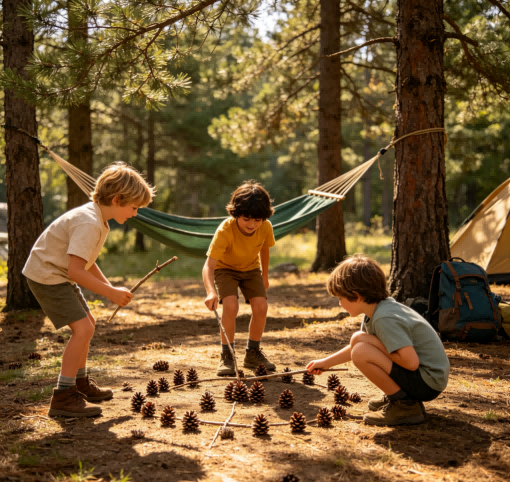
My version of bushcraft, in the beginning, was best defined as “aggressively tinkering about in the woods with sticks.”

It was a series of hopeful, often clumsy, experiments punctuated by the occasional minor victory and the frequent, humbling lesson from Mother Nature.

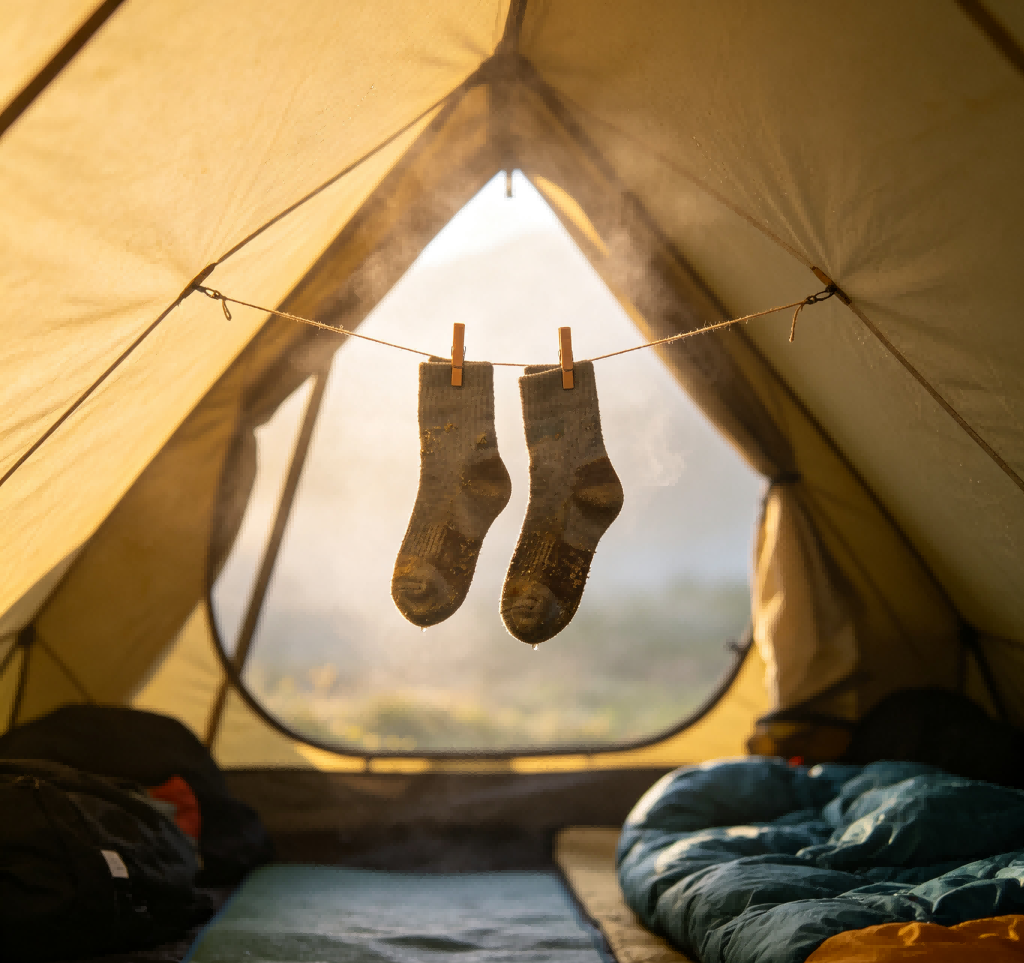
She’s a wonderful teacher, but her grading system is brutal and often involves wet socks.

I embarked on this journey not as a seasoned expert, but as a desk-jockey who thought watching three hours of survival shows constituted a PhD in Wilderness Living.

I learned the hard way, through a spectacular portfolio of errors.

So, grab a warm beverage (something I often failed to make in the woods), and let me guide you through the twenty most glorious mistakes I made as a budding bushcrafter.

Learn from my pain. Your dry socks will thank you.

Table of Contents

1. Poor Planning

My first solo overnight trip was a masterpiece of arrogance. I looked at a map, saw a nice green splotch near a river, and thought, “Yep, that’ll do.”

I didn’t research the terrain, check the weather beyond a cursory glance, or investigate local hazards.

I arrived to find that the “nice green splotch” was, in fact, a mosquito-infested bog that had recently hosted a family of beavers with ambitious dam-building plans.

The weather, which was supposed to be “partly cloudy,” decided to host a surprise monsoon.

My planned idyllic weekend turned into a desperate, squelching battle against mud and insects that would have made a Viking warrior weep.

I spent more time bailing out my tent vestibule than I did sleeping.

The lesson? Planning is not for cowards; it’s what separates you from the amphibians.

2. Under- or Over-Packing Gear

I have lived both nightmares. On my first few day hikes, I under-packed spectacularly.

My “survival kit” was a pocketknife and a hopeful attitude. When a sudden chill rolled in, my hopeful attitude did precisely zero to stop my teeth from chattering.

In response, I swung violently in the opposite direction for my first multi-day trip.

My pack weighed approximately the same as a young piano. I had a change of clothes for every conceivable social event in the forest (none), a cast-iron dutch oven “for authentic stews,” and a hatchet large enough to fell a redwood, just in case.

I looked less like an outdoorsman and more like a pack mule that had raided a medieval kitchen.

I was so exhausted from carrying my “essentials” that I could barely lift my spork to eat my rehydrated beans.

The goal is to pack your fears, but for heaven’s sake, don’t pack your entire collection of irrational phobias.

3. Choosing Cheap / Inappropriate Tools

Ah, my first “bushcraft knife.” I bought it from a website that also sold genuine replica samurai swords and neon beer signs.

It was $14.99 and promised to “cut through anything.” It did not.

What it did do was develop the structural integrity of a warm cheese stick the moment I tried to baton a piece of kindling.

The handle, made of a mysterious polymer that smelled vaguely of regret, gave me blisters the size of grapes.

A cheap tool isn’t a bargain; it’s a liability waiting to happen, usually at the most inconvenient time possible.

That knife now sits on my shelf as a monument to false economy.

4. Overestimating Your Abilities

After successfully starting a fire in my suburban backyard with perfect tinder and zero wind, I declared myself a Fire Jedi.

On a trip in a rocky canyon, I decided to take a “shortcut” down what I perceived to be a gentle slope.

It was, in fact, a steep, loose scree field. My descent was less a graceful scramble and more a controlled, panicked slide on my backside, accompanied by a symphony of dislodged rocks and my own pathetic yelps.

I arrived at the bottom, dusty and humbled, having learned that the woods have a wonderful way of pricking the balloon of your ego.

5. Ignoring Safety Precautions

“I’ll be fine! It’s just one night!” I told myself, and only myself. I didn’t tell a soul where I was going or when I’d be back.

About two hours in, while attempting to cross a stream, I slipped on a mossy rock and twisted my ankle.

It wasn’t a dramatic, life-threatening injury, but it was painful enough to make walking back to the car a long, limping ordeal.

In that moment, a chilling thought hit me: if I’d hit my head and been knocked out, no one would have known where to even begin looking for me.

The silence of the forest went from peaceful to deeply ominous. Now, leaving a detailed plan with someone is my non-negotiable ritual.

It’s the cheapest and most effective life insurance policy you’ll ever take out.

6. Lack of Fire Skills

I’d seen the survivalists on TV strike a single spark onto a bird’s nest and create a roaring inferno.

How hard could it be? I soon discovered that creating fire is a delicate dance between fuel, air, and ignition, and I had two left feet.

I exhausted an entire firesteel rod, producing a spectacular shower of sparks that landed on my tinder bundle, sighed, and went out.

I blew on nascent embers with the desperate breath of a man trying to inflate a air mattress with a hole in it, only to extinguish them completely.

I spent an evening shivering in the dark, eating a cold dinner, my thumbs raw from striking and my spirit dampened.

Fire is a skill, not a magic trick, and it demands practice.

7. Poor Water Treatment

I came across a crystal-clear, babbling brook. It was the most beautiful thing I’d ever seen. It looked so pure, so untouched.

“It’s probably fine,” I thought, channeling my inner mountain man as I cupped my hands and took a few hearty gulps.

It was not fine.

I will spare you the graphic details, but the next 48 hours were spent in a relationship with that stream more intimate than I ever wanted.

I became a permanent feature of its banks, paying homage to the water gods in the most unpleasant way possible.

A water filter or purification tablets are not optional; they are a shield against microscopic gut-gremlins that have no mercy.

8. Inadequate Knowledge of Edible Plants

Empowered by a phone app, I decided to forage my lunch. I confidently gathered a salad of what the app assured me were “edible greens.”

One of them was, in fact, a powerful natural laxative. My woodland feast was followed by an afternoon of… rapid weight loss.

Let’s leave it at that. Foraging is a knowledge-intensive skill. Until you are 110% certain, don’t put it in your mouth.

Your digestive system will not appreciate your adventurous spirit.

9. Neglecting Navigation Tools

“I have a phone with GPS! I don’t need a paper map and compass, that’s for grandpas!” Famous last words.

My phone, after a few hours of photo-taking, gave up the ghost. The battery was dead. Suddenly, every tree looked identical.

I was convinced I was walking in a straight line back to my car, but after an hour, I found my own footprints circling back to a very familiar-looking, and very judgmental, squirrel.

I had walked in a perfect, humiliating circle. A map and compass don’t run out of batteries, and learning to use them is like learning a secret language the forest understands.

10. Wrong Clothing Choices

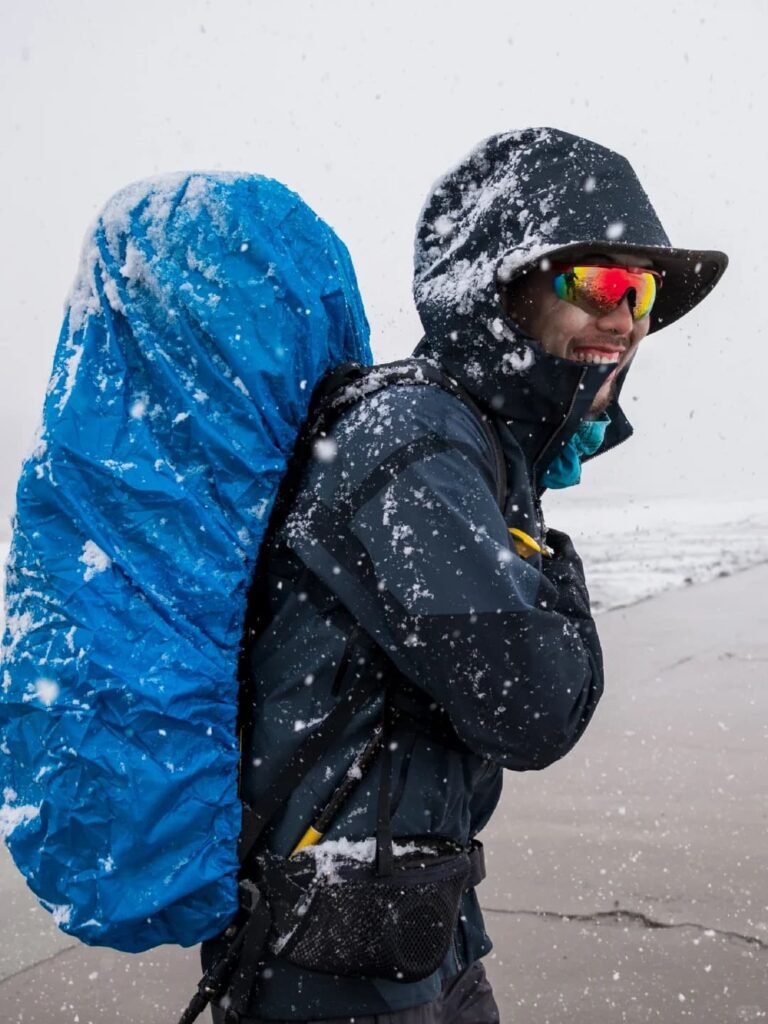
I wore a lovely, comfortable cotton hoodie on a spring hike. “Cotton is king!” I foolishly mused. A sudden, chilly rain shower descended.

My cozy cotton hoodie absorbed water like a sponge, becoming a heavy, cold, skin-clinging suit of misery.

Cotton, when wet, loses all insulating properties and will suck the heat right out of you—a phenomenon aptly named “cotton kill.”

I spent the rest of the hike shivering, looking like a drowned rat that had made poor life choices. Synthetics or wool are your friends.

Cotton is the fair-weather friend who will steal your wallet and leave you in the rain.

11. Disregarding ‘Leave No Trace’ Principles

On one of my early trips, I figured one little candy wrapper or a buried pile of orange peels wouldn’t matter.

I was in the vast wilderness, after all! Then, on a later trip, I came across a campsite left by someone with a similar mindset.

Seeing a fire scar littered with foil, plastic, and a sad, empty Pringles can was a gut punch. It looked trashy and disrespectful.

I realized that “Leave No Trace” isn’t a set of arbitrary rules; it’s a promise to the next person, and to the forest itself, that we were here, but we cared enough to leave it as we found it.

I went back and cleaned up my old sites. The forest is not your bin.

12. Skipping First Aid Training

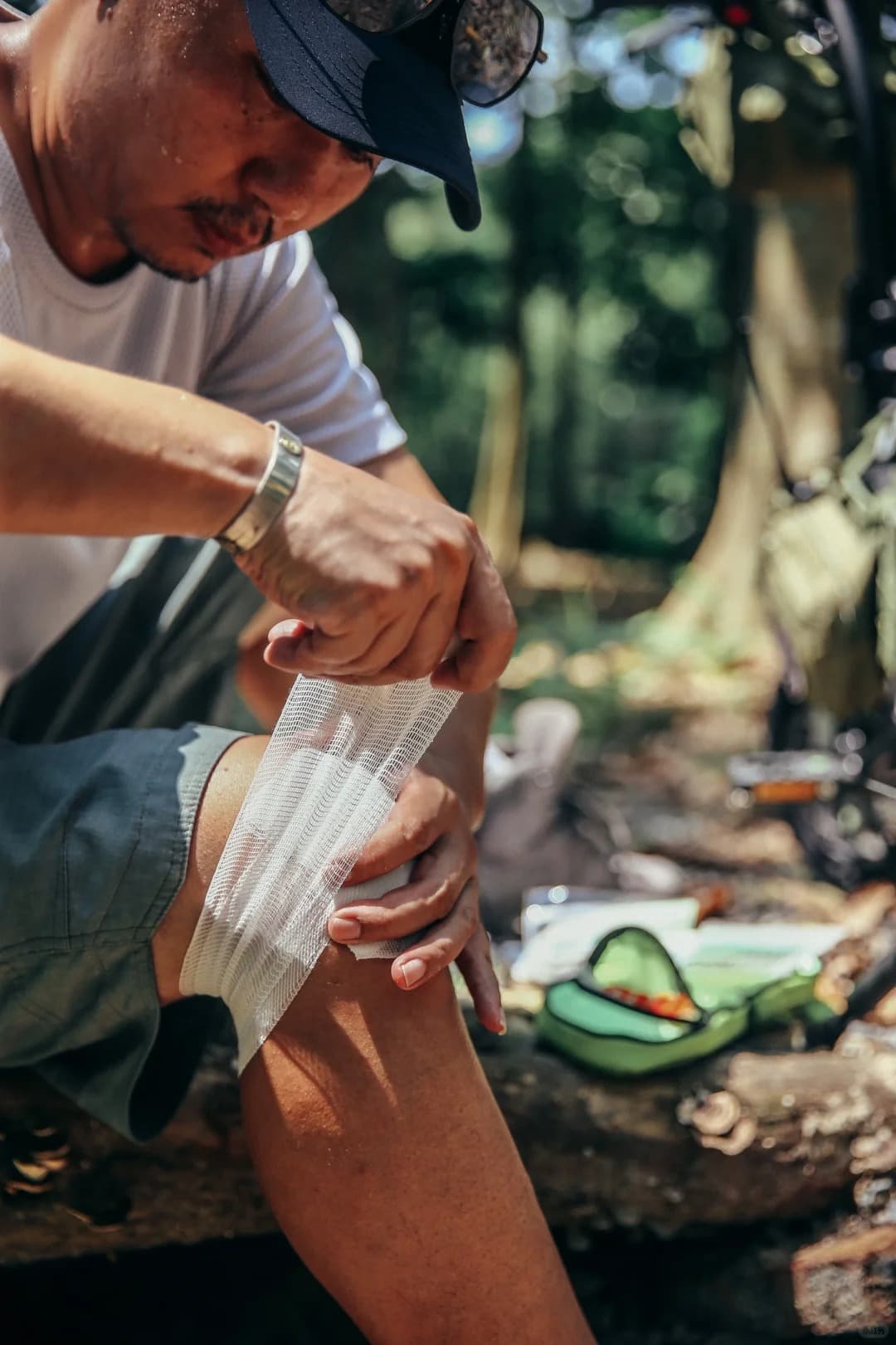
I bought a fully stocked, 100-piece first aid kit. I felt so prepared. Then, I got a decent cut while whittling.

I opened my magnificent kit and stared at the contents like a monkey trying to solve a rubik’s cube.

I had gauze, but no clue how to secure it properly. I had antiseptic wipes, but no idea if I should use them before or after applying pressure.

I ended up with a comically bulky and ineffective bandage job that looked like a failed arts and crafts project.

A first aid kit is useless without the knowledge to use it. Take a course. Your future bloody, clumsy self will be eternally grateful.

13. Not Practicing Skills Regularly

I watched dozens of videos on building a debris hut shelter. I could recite the principles in my sleep. I arrived at my campsite confident.

Three hours later, I was standing in a pile of scattered sticks and torn leaves, having created something that resembled a large, sad bird’s nest rather than a shelter.

There is a Grand Canyon-sized gap between theoretical knowledge and practical skill. Practice in your garden, your local park, anywhere.

Your brain knows, but your hands need to learn.

14. Failing to Choose a Safe Campsite

Exhausted from hiking, I found a beautifully flat, soft patch of ground under a large, spreading oak tree.

“Perfect!” I sighed, and pitched my tent. I learned two things that night:

  1. Trees, especially oak trees, shed things. Hard, golf-ball-sized things called acorns.
  2. A acorn hitting a taut tent fly at 3 a.m. sounds exactly like a gunshot.

I spent the entire night jolting awake every twenty minutes, convinced I was under attack by a squirrel militia.

Furthermore, I was camped right on a deer trail, which led to some tense, snuffly encounters in the dark. Always look up, down, and around. Your future sleep depends on it.

15. Mismanaging Firewood

After finally getting a fire going (see Mistake #6), I felt triumphant. I celebrated by throwing the largest, dampest log I could find onto my delicate fledgling flame.

The fire, unsurprisingly, responded by emitting a pathetic hiss and dying instantly, leaving me in a cloud of smoke and self-pity.

I also failed to gather enough wood beforehand, meaning I spent my entire evening in a cycle of “burn for ten minutes, then scramble in the dark for more sticks.”

Gather twice as much wood as you think you’ll need, process it before you need it, and never, ever smother your baby fire with a wet blanket of a log.

16. Lack of Emergency Signaling Plan

If I had gotten seriously hurt during my “lost in a circle” episode (Mistake #9), how would I have signaled for help?

My plan was to yell “Help!” and wave my arms. Not exactly high-tech. I had no whistle, no signal mirror, and no idea how to create a ground-to-air signal. I would have been a martyr to my own lack of preparation, possibly within sight of a trail but completely unseen and unheard.

A simple whistle weighs nothing and can save your life. A signal mirror is lighter than your car keys. Pack them. Know how to use them.

17. Misjudging Weather

I set out on a bright, sunny, but cool autumn day. The sun was weak, or so I thought.

I didn’t bring sunscreen or a hat. Eight hours later, my face and neck were the color and texture of a boiled lobster.

The cool air had completely disguised the sun’s UV intensity. Similarly, I’ve been caught in temperature drops that turned a pleasant evening into a frigid nightmare because I didn’t check the overnight low.

Weather in the wild is fickle and extreme. Prepare for the best, but pack and plan for the worst.

18. Neglecting Mental Health

I was so focused on the physical—building shelter, making fire, filtering water—that I completely ignored the mental game.

On one particularly dark and windy night, every rustle became a bear, every creak of a tree a lurking axe-murderer.

My rational mind checked out, and pure, primal fear checked in. I didn’t sleep a wink. I learned that survival is as much mental as it is physical.

Having a routine, a good book, or simply the ability to talk yourself down from a panic spiral is a critical skill.

The most dangerous animal in the woods is often your own imagination.

19. Ignoring Waste / Hygiene

My first few campsites were… pungent. I didn’t have a proper plan for washing my dishes or myself, so a faint smell of old food and sweat followed me around.

Worse, I was sloppy about disposing of my, ahem, “human waste.” I didn’t dig a proper cathole far enough from water, and let’s just say I created my own little biohazard zone.

Learning proper backcountry sanitation isn’t just about being tidy; it’s about preventing disease and keeping the water sources clean for everyone (and everything) else.

A trowel and a bottle of biodegradable soap are essential for not becoming a forest pariah.

20. Buying Without Research

I am a sucker for cool, tactical-looking gear. I bought a “survival bracelet” that contained ten feet of useless string and a flint that produced sparks visible only with a microscope.

I purchased a “multi-tool” that could ostensibly open a can, but only if you applied the force of a hydraulic press.

My crowning jewel was a titanium spork with a serrated edge, designed for… I still don’t know. Sawing your pasta? I had become a victim of marketing, buying flashy solutions for problems that didn’t exist, while ignoring the simple, reliable tools I actually needed.

Research, read reviews, and understand the why behind a piece of gear before you buy it.

Conclusion

Looking back at this extensive and embarrassing list, you might think I’d be discouraged.

The opposite is true. Each of these mistakes, from the soggy socks to the panic-filled nights, was a teacher.

They sanded down my arrogance, built up my resilience, and provided me with the best stories to tell around a campfire (one that I can now reliably start).

Bushcraft isn’t about being perfect from day one. It’s about the journey. It’s about tinkering in the woods with sticks, failing spectacularly, learning, and coming back slightly wiser, and hopefully, slightly drier.

So, get out there. Make your own glorious mistakes. Just maybe, do a little more planning than I did, and for the love of all that is holy, don’t drink the water.

Leave a Comment

Your email address will not be published. Required fields are marked *

Scroll to Top