20 Forest Camping Tips: How to Survive the Damp, Buggy, Glorious Woods?

Spread the love

So, you want to camp in the forest. Good choice.

Forest camping offers a lush, shaded sanctuary that feels worlds away from the exposed peaks or dry plains. The canopy provides a natural windbreak and a sense of privacy, but the enclosed environment also traps moisture and hides landmarks.

It smells like earth and possibility.

But let’s be real for a second. That same cozy woodland can turn you into a damp, itchy, lost mess faster than you can say “bear bag.” The trees are lovely. They’re also conspiring to drop branches on your head, drip sap on your tent, and hide every single point of reference you have.

To truly enjoy the deep woods, you need to master the art of camp hygiene and learn to read the subtle signs of a living, breathing ecosystem.

Or, you know, just read this list. It’s easier.

Table of Contents

1. Identify "Widow-Makers" Before Pitching

Look up.

Seriously, stop staring at that perfect flat spot for a second and tilt your head back. You’re looking for “widow-makers.” That’s the cheerful term for dead or hanging branches stuck up in the canopy.

A gust of wind comes through. Gravity does its thing. Suddenly, a fifty-pound limb turns your brand-new tent into a pancake. With you inside.

It’s not common. But it only has to happen once. Scan the trees above. If you see sketchy branches, move your happy campers twenty feet to the left. Your widow will thank you.

2. Use a Footprint or Tarp Under Your Tent

Put a Tarp Under a Tent

Forest floors are damp. They just are. Even on a sunny day, the ground beneath those beautiful trees is holding onto moisture like a grudge.

You need a barrier. A footprint or a simple tarp under your tent stops “ground-wicking.” That’s the fancy term for your sleeping pad slowly soaking up groundwater all night.

Nobody wants to wake up in a puddle. It stops being “rustic” around 2 AM. Tuck the edges under so the tarp doesn’t stick out. If it does, rain will pool on it. Right under your tent.

Problem solved? No. New problem created.

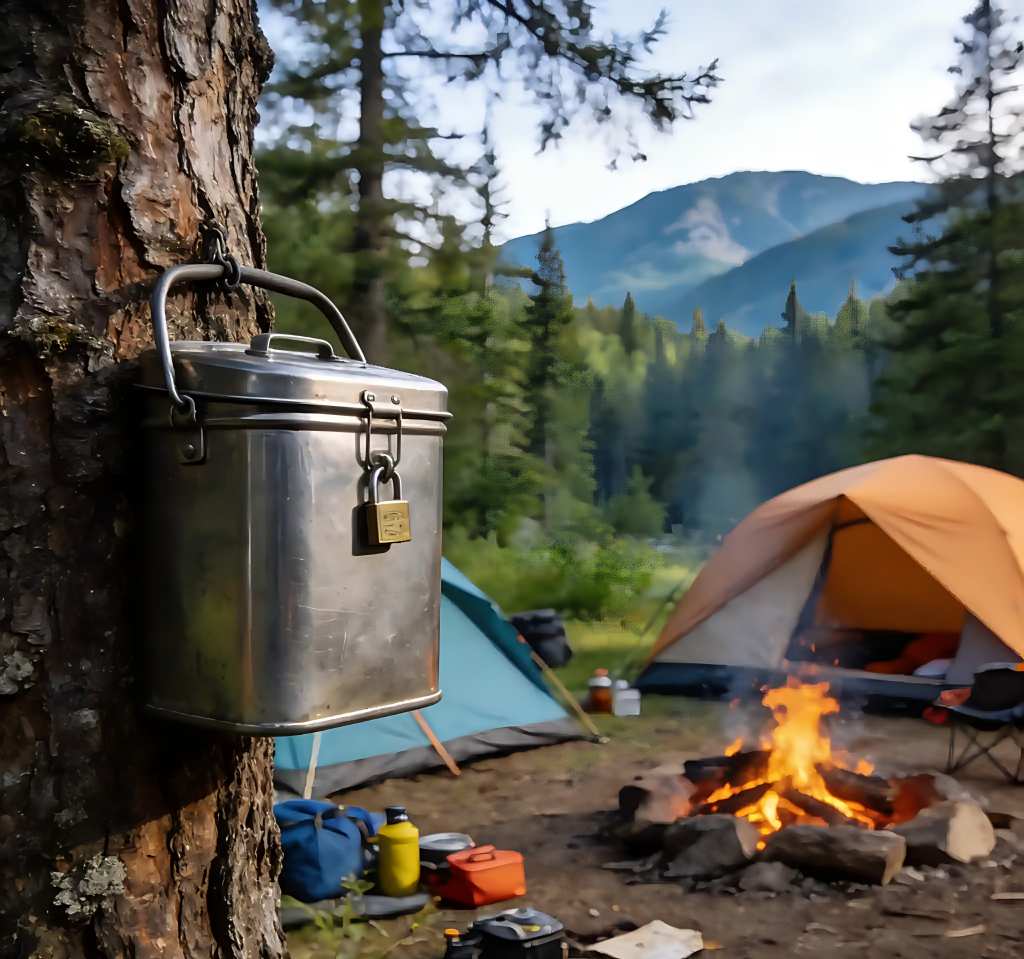
3. Master the "Bear Bag" or Use a Canister

Bears are excellent at camping. They have great fur, zero gear, and they never forget a thing. Especially not the location of free food.

In the woods, you hang your food. The standard rule is twelve feet up and six feet out from the tree trunk. This keeps it away from climbers and jumpers.

Raccoons are the real threat, though. They’re like tiny, masked ninjas. They will solve your hanging puzzle just for fun.

Honestly? Just get a bear canister. It’s a heavy, bulky, annoying plastic barrel. But it’s also a guaranteed way to keep your snacks safe. And it doubles as a weird little stool.

4. Expect Higher Humidity and Condensation

It didn’t rain. You checked the forecast. So why is everything wet?

Congratulations. You’ve discovered the “breath” of the trees. Forests exhale moisture all night long. It collects on your tent fly. It drips on your face. It soaks your socks.

Leave your vents open. Crack that fly door a little. You need airflow.

If you seal yourself in a plastic bubble in a damp forest, you will wake up in a personal sauna. A slightly smelly sauna. With you as the only occupant.

5. Bring a High-Quality Insect Repellent

Forests are the primary habitat for ticks and mosquitoes. This is not a fun fact. It’s just reality.

You are a warm-blooded buffet. To them, you’re a walking steak dinner with ketchup packets attached.

Bring the good stuff. The DEET stuff. The stuff that smells like a chemical factory exploded on your skin.

Better yet, treat your clothes with permethrin ahead of time. It’s odorless once dry and basically invisible bug armor. Wear it proudly. You are now a knight in the war against the tiny vampires.

6. Learn to Identify Poison Ivy, Oak, and Sumac

Here’s a rhyme for you: “Leaves of three, let it be.”

Learn it. Live by it. It can save you from a week of scratching that feels like pure torture.

Poison Ivy is shiny. Poison Oak is hairy. Poison Sumac grows in swamps and hates you specifically.

If you touch it, you’ll know. You’ll really know. That itchy, oozy, weeping rash is nature’s way of saying, “Maybe stick to the sidewalk next time.”

Look before you grab that perfect walking stick. Look before you squat in the bushes. Just look.

7. Stick to Established Trails to Avoid Ticks

Ticks are tiny. They’re also disease-ridden little hitchhikers. And they love tall grass and dense brush.

Walking through that stuff is basically painting a target on your ankles and yelling, “Come and get me!”

Stay on the trail. The path is clear. It’s open. Ticks don’t hang out there as much. They prefer the overgrown jungle parts.

Think of the trail as the safe zone. The brush is the tick amusement park. Don’t buy a ticket.

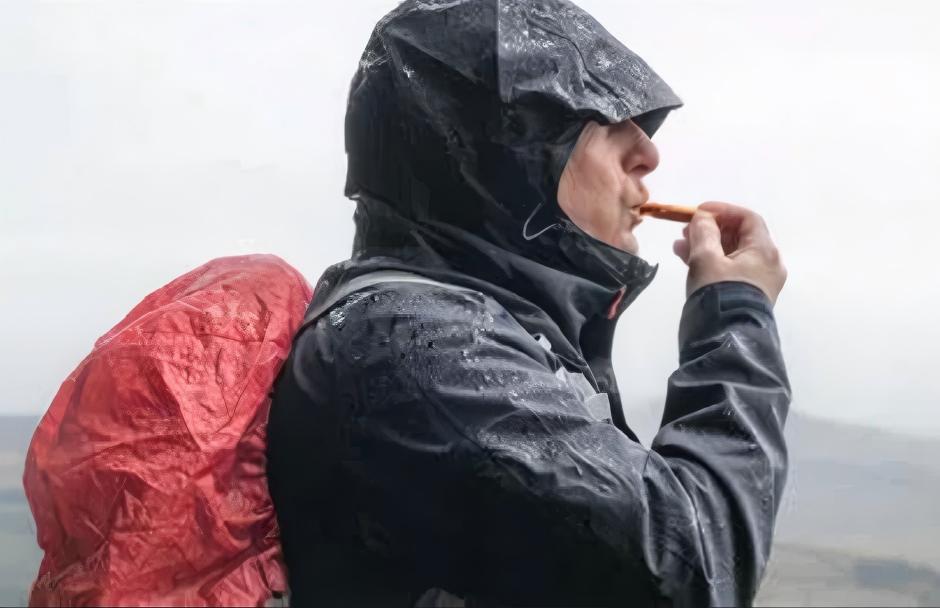
8. Carry a Loud Whistle

Getting lost in the woods is easy. One wrong step. One moment of distraction. Suddenly, everything looks the same.

Shouting uses energy. It dries out your throat. And sound doesn’t travel far in dense timber. The trees just swallow your voice whole.

A whistle is better. It’s louder. It cuts through the foliage. And it takes zero effort.

Three sharp blasts is the universal signal for “help.” Plus, you feel less silly blowing a whistle than screaming “HELLO?” into the void like a confused owl.

9. Keep a "Clean Camp" Policy

You finished dinner. The pot has some scraps. The plate has some grease. No big deal, right?

Wrong. Big deal. Huge deal.

Scrape every single bit of food residue off your stuff. Wash it away from camp. Pack out every crumb.

Why? Because rodents. And raccoons. And maybe bears. They smell that stuff from a mile away. They will visit your tent at 3 AM. They will chew through your gear for one grain of rice.

A clean camp is a quiet camp. Sleep is good. Midnight visitors are not.

10. Use a Headlamp with a Red-Light Mode

Night falls in the forest. It gets dark. Really dark. You need light.

But white light is annoying. It ruins your night vision. And it attracts every flying insect within a quarter mile.

Suddenly, you’re not camping. You’re the main attraction at Moth Rave 2026. And you’re the DJ.

Switch to red light. It preserves your vision. Bugs don’t care about it. You can see your map, find your snack, and pee at 2 AM without a cloud of bugs dive-bombing your face.

It’s civilized. It’s smart. Do it.

11. Bring a Lightweight Folding Saw

You want a fire. Good for you. Fires are great.

You need wood. You find a dead branch on the ground. Perfect.

Now, how do you break it? Stomping looks cool in movies. In real life, you just hurt your foot. Bending? You’ll throw your back out.

Bring a small folding saw. It’s light. It’s safe. It’s efficient.

An axe is overkill. It’s heavy. And most people can’t swing one without endangering their own shins. Stick to the saw. Your legs will stay intact.

12. Don't Move Firewood from Different Regions

You brought some logs from home. You’re so prepared. You’re also potentially a mass murderer.

Not of people. Of trees.

Moving firewood spreads invasive species. The Emerald Ash Borer is a tiny beetle that kills millions of ash trees. It hitches rides on firewood.

Buy your wood locally. Where you camp. Use it there. Leave what you don’t use.

It’s simple. It protects the forest. And it keeps you from being “that person” who accidentally starts an ecological disaster.

13. Pack a "Potty Kit" and Follow Deep-Wood Protocols

Glamping Tent Have Toilet

Nature calls. You must answer. But answer responsibly.

You need a “potty kit.” Tiny trowel, toilet paper, hand sanitizer, zip-top bags.

Dig a “cathole.” Make it six to eight inches deep. That’s the magic zone where soil bacteria can do their job and break things down.

Now, the golden rule: Two hundred feet from any water source. That’s about seventy big steps. You don’t want your business ending up in the stream. Nobody does.

Pack out your TP. Seriously. Burying it doesn’t work. Animals dig it up. It’s gross. Just bag it and carry it out. You’ll survive the shame.

14. Watch for "Edge Effects"

You find a beautiful clearing. Sunlight! Open space! Perfect camp spot!

Not so fast. The edge of a forest clearing is often the windiest place on earth.

The trees block wind. The open space lets it rip. Right on the boundary? You get the worst of both worlds. Gusts will bully your tent all night.

Tuck your tent slightly back into the tree line. Let the trees break the wind for you. You’ll stay warmer. Your tent will stay on the ground. Win-win.

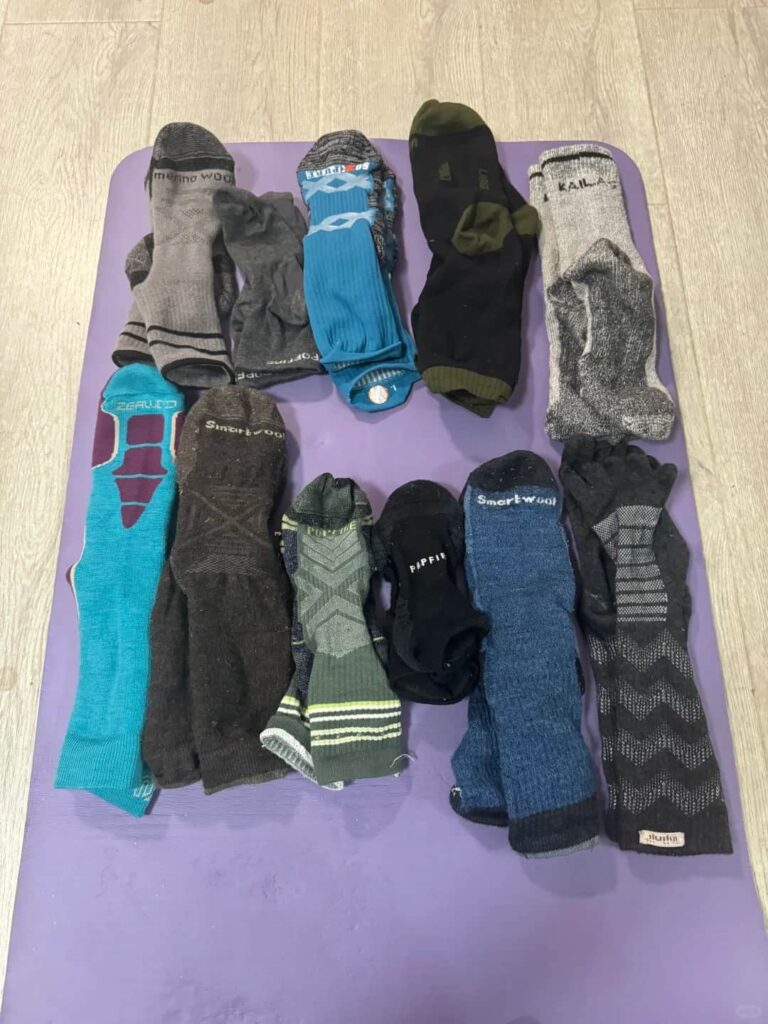
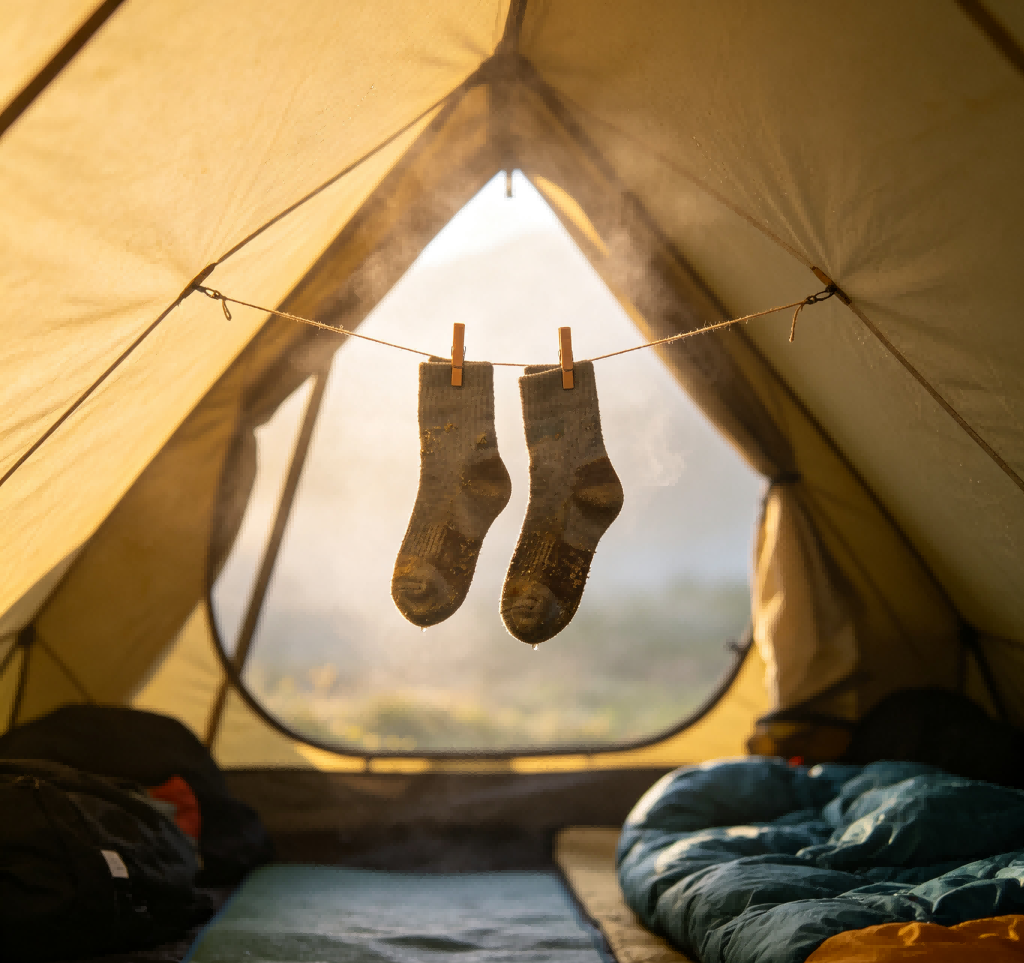
15. Bring Extra Socks in a Waterproof Bag

Wet feet in the woods are inevitable. A stream jumps you. You sweat. You step in a mysterious puddle.

Wet feet lead to blisters. Blisters lead to misery. In really bad cases, you get “immersion foot.” Your feet go pruny, then numb, then angry.

The solution is simple. Bring extra socks. Put them in a waterproof bag. A zip-top bag works fine.

At camp, take off the wet socks. Put on the dry, glorious, fluffy socks. Wear them to sleep. You will thank past-you with every fiber of your being.

16. Be Mindful of "Micro-Climates"

Deep valleys look nice. Sheltered. Quiet.

They’re also cold sinks. Cold air is heavy. It rolls downhill at night and pools in those low spots like water. Fog collects there too.

You pitch your tent in that pretty hollow, and you wake up shivering in a damp cloud.

Camp slightly uphill. Just a little bit. You’ll escape the coldest air. You might even find a breeze to keep the bugs away. It’s worth the extra twenty feet of walking.

17. Carry a Signaling Mirror

Getting lost is bad. Staying lost is worse.

You’re under a thick canopy. A rescue plane flies overhead. They can’t see you. You shout. They hear nothing.

But the sun? The sun finds gaps. If you have a signaling mirror, you can flash that light through a hole in the trees.

The flash is bright. It’s noticeable. It’s a tiny beam of “I’m over here!”

It weighs nothing. It costs little. It might save your life. Throw one in your pocket.

18. Respect the Silence

The forest is quiet. That’s why we love it.

But sound carries differently in the woods. The trees don’t muffle noise as much as you think. They bounce it around.

You whisper to your friend. It sounds loud to you. To the campsite over the hill? They hear every word about your weird rash.

Keep voices low. Enjoy the hush. Let the wildlife relax. Let other campers relax. Nobody came to the woods to hear your playlist or your political opinions.

19. Check for "Tree Sappiness"

Pine trees are pretty. Fir trees smell nice. They also drip resin.

It looks like clear sap. It feels sticky. If it gets on your tent fabric, you are doomed.

That stuff is nearly impossible to remove. It stains. It stays sticky forever. Your tent will now collect dirt like a magnet.

Look up before you pitch. If the tree above you looks weepy or has crusty sap streaks, move. Save your gear. Save your sanity.

20. Prepare for Limited Visibility

Dense forests play tricks on you. You walk fifty feet to get water. You turn around. Where is camp?

Gone. Swallowed by the trees. Everything looks identical.

Use bright flagging tape. Tie it on branches as you explore. Just remember to take it down when you leave.

Or drop a GPS “waypoint” on your phone before you wander off. Technology works too.

Don’t rely on your memory. The forest doesn’t care about your memory. It just wants to hide your tent.

Conclusion

The forest is a complex, multi-layered world that rewards the observant camper. By respecting the wildlife and staying mindful of the dampness, you can turn a dark thicket into a cozy, green home.

It takes a little work. A little planning. But when you’re sitting by the fire, surrounded by ancient trees, with dry socks on your feet and no sap on your tent, it’s all worth it.

Forest camping isn’t just about sleeping outside. It’s about learning to blend into a vibrant, ancient community. Just don’t forget the whistle. And the socks. And maybe look up once in a while.

Leave a Comment

Your email address will not be published. Required fields are marked *

Scroll to Top